Image Source: Arjunaraoc
About Chandavaram Buddhist Site
Nestled amid the quiet hills of Andhra Pradesh’s Prakasam district, the Chandavaram Buddhist Site is one of South India’s most fascinating yet lesser-known archaeological treasures. Situated atop the scenic Singarakonda Hill near the banks of the Gundlakamma River, this ancient Buddhist complex offers a remarkable blend of history, spirituality, and natural beauty.
Dating back to between the 2nd century BCE and the 3rd century CE, Chandavaram flourished during the reign of the Satavahana rulers, who played a major role in promoting Buddhism across the Deccan region. Today, the site stands as a testament to the region’s rich Buddhist heritage and provides visitors with an opportunity to explore centuries-old ruins in a peaceful hilltop setting.
Far from the crowds that often gather at more famous Buddhist monuments, Chandavaram offers a serene atmosphere where history and nature coexist. The elevated location provides sweeping views of the surrounding countryside, making the journey as rewarding as the destination itself.
History
Archaeological excavations have revealed that Chandavaram was once a thriving Buddhist centre where monks lived, studied, and practiced meditation. The site’s strategic location near ancient trade routes likely contributed to its growth and prosperity. Merchants, pilgrims, and travelers passing through the region would have supported the monastery, helping it evolve into an important spiritual and educational hub.
The Satavahana dynasty, known for its patronage of Buddhist architecture, played a significant role in the development of the complex. Over time, Chandavaram became part of a larger network of Buddhist centres that connected inland Andhra Pradesh with coastal trade routes along the Bay of Bengal.
Although centuries of weathering and abandonment have left much of the original complex in ruins, the surviving structures continue to offer valuable insights into early Buddhist architecture and monastic life.
The Unique Maha Stupa
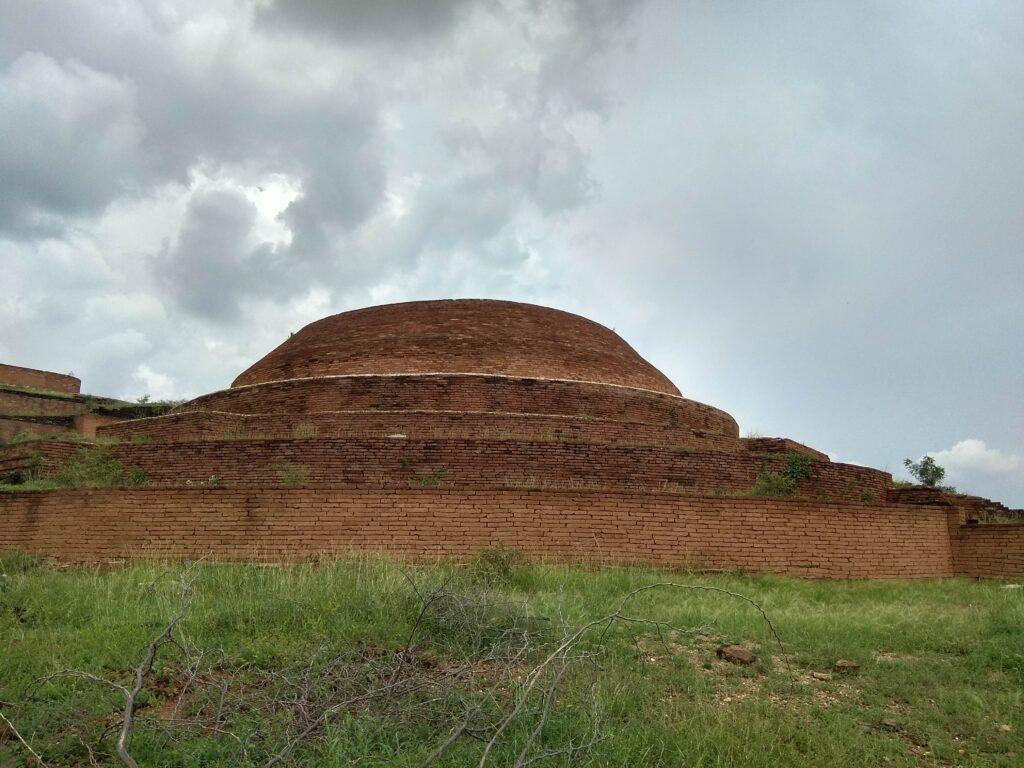
The highlight of Chandavaram is undoubtedly its magnificent Maha Stupa, one of the most distinctive Buddhist structures discovered in India.
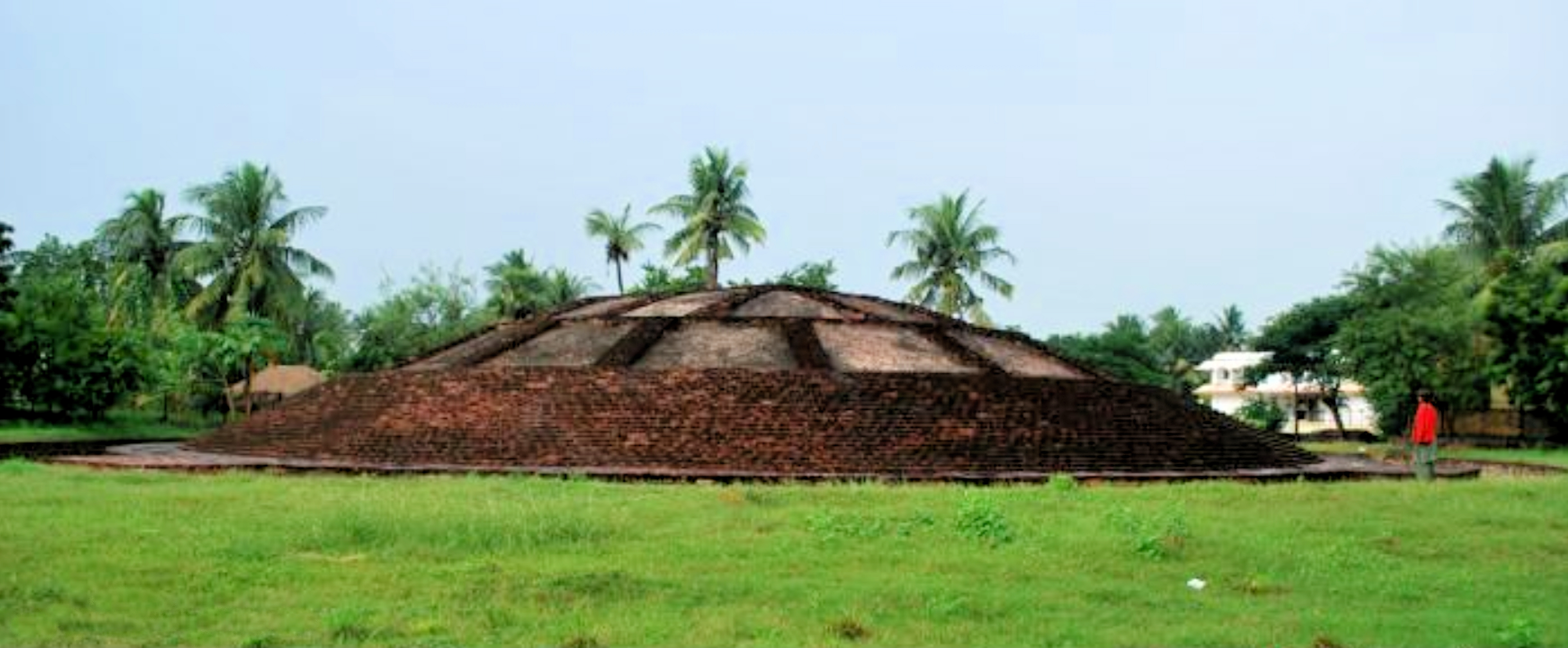
Unlike conventional stupas, the Chandavaram Stupa features a rare double-terraced design. The lower section consists of a square terrace, while the upper section is circular, supporting the main dome structure. Constructed using limestone blocks, the stupa demonstrates the advanced architectural skills of ancient craftsmen.
Historians consider this design unusual because similar examples are rarely found elsewhere in India. The stupa once served as the focal point of religious ceremonies and pilgrimages, attracting devotees from different parts of the region.
Even in its partially restored state, the structure reflects the grandeur and sophistication of Buddhist architecture during the Satavahana period.
Monastic Complexes and Viharas
Excavations at Chandavaram uncovered the remains of several monastic structures, indicating that the site was much more than a place of worship.
The complex included:
- Viharas (residential quarters for monks).
- Chaityas (prayer halls).
- Meditation spaces.
- Gathering areas for religious instruction.
These discoveries suggest that Chandavaram functioned as a vibrant centre of learning where monks studied Buddhist teachings, engaged in scholarly discussions, and trained future generations of followers.
The layout of the complex provides a glimpse into daily life within an ancient Buddhist monastery and highlights the organized nature of monastic communities during that era.
Votive Stupas and Sacred Structures
Surrounding the Maha Stupa are numerous smaller votive stupas built by devotees and patrons. These structures were often constructed as acts of faith and gratitude.
The presence of multiple votive stupas indicates that Chandavaram attracted pilgrims from various regions who visited the site to seek blessings, offer prayers, and participate in religious activities. Together, these smaller monuments create a sacred landscape that reflects the site’s historical importance as a centre of Buddhist devotion.
Sculptures and Archaeological Discoveries
One of the most valuable aspects of Chandavaram is the collection of sculptures and decorative panels discovered during excavations.
Archaeologists found intricately carved limestone fragments depicting:
- Buddhist symbols.
- Lotus motifs.
- Jataka tales.
- Everyday scenes from ancient life.
- Religious and ceremonial imagery.
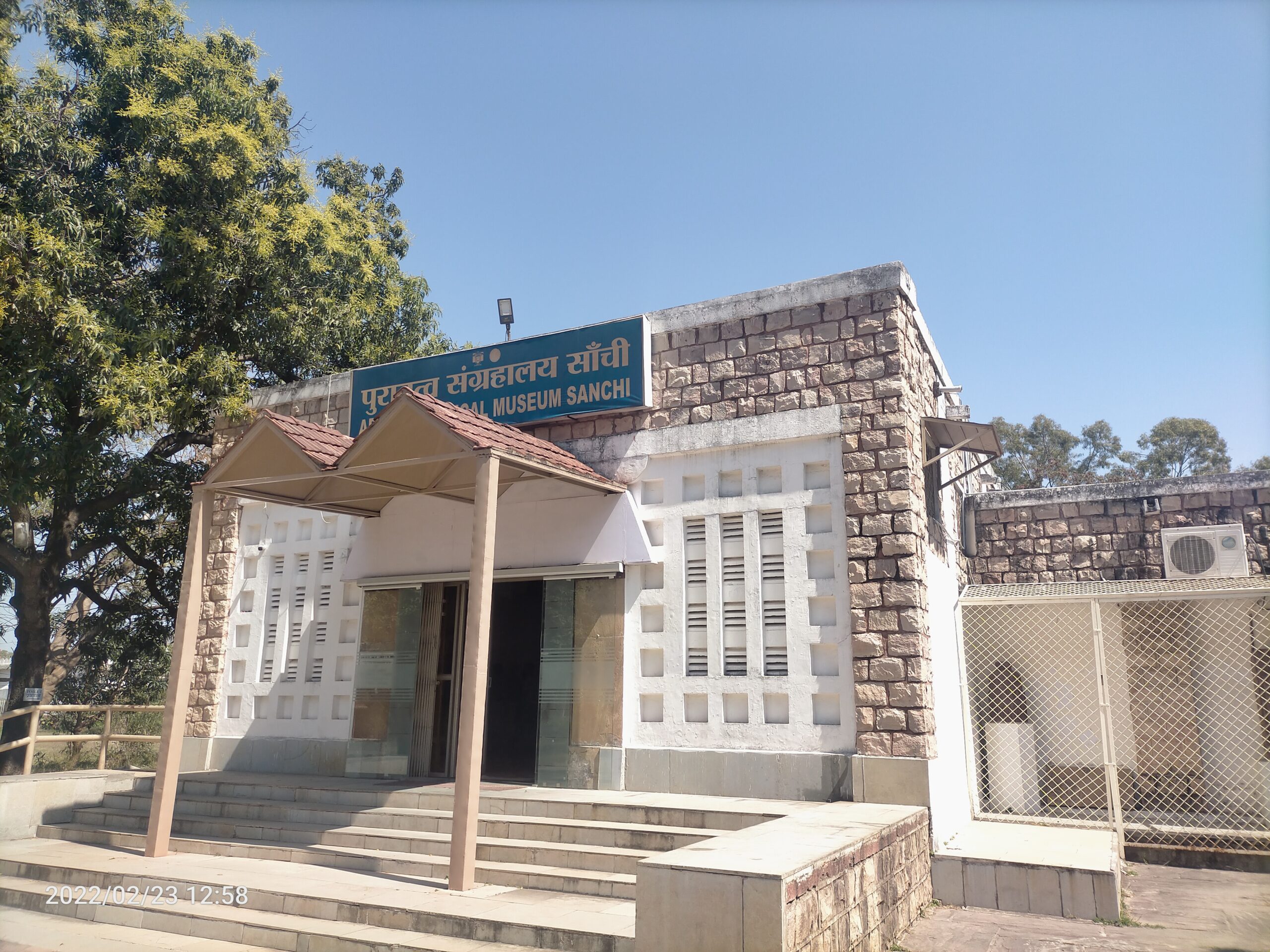
These artistic remains provide important evidence about the beliefs, culture, and craftsmanship of the period. Several recovered artifacts are preserved in the site museum and other archaeological collections, allowing visitors to better understand the significance of the monument.
Cultural Importance
Chandavaram played an important role in the spread of Buddhism across southern India. Its location connected inland settlements with coastal trade centres, facilitating the exchange of religious ideas and cultural influences.
Many scholars compare the site’s significance with renowned Buddhist centres such as Sanchi Stupa and Amaravati Stupa due to its architectural uniqueness and historical value.
The site also attracted national attention during the late twentieth century when authorities briefly considered relocating the famous Amaravati Buddha statue to Chandavaram during an international Buddhist festival. Although the proposal was never implemented, it highlighted the site’s importance within India’s Buddhist heritage.
The Visiting Experience
A visit to Chandavaram is as much about the atmosphere as it is about the archaeology.
The journey to the hilltop site passes through rural landscapes dotted with fields, small villages, and rocky outcrops. Upon reaching the summit, visitors are greeted by panoramic views of the Gundlakamma River valley and the surrounding countryside.
The peaceful environment makes it easy to imagine the meditative lifestyle once practiced by Buddhist monks here. Unlike many popular tourist attractions, Chandavaram remains relatively uncrowded, allowing travelers to explore the ruins at their own pace.
Early morning and late afternoon are particularly beautiful times to visit, when the soft sunlight enhances the beauty of the ancient stone structures and surrounding hills.
Best Time to Visit
The ideal time to visit Chandavaram is between October and February when the weather is pleasant and suitable for sightseeing.
During the monsoon season, the surrounding hills become lush and green, creating picturesque scenery. However, pathways may occasionally become slippery after heavy rainfall.
Summer months from March to June can be quite hot, so visitors should carry drinking water, wear light clothing, and plan their exploration during cooler parts of the day.
Nearby Attractions
Singarakonda Temple
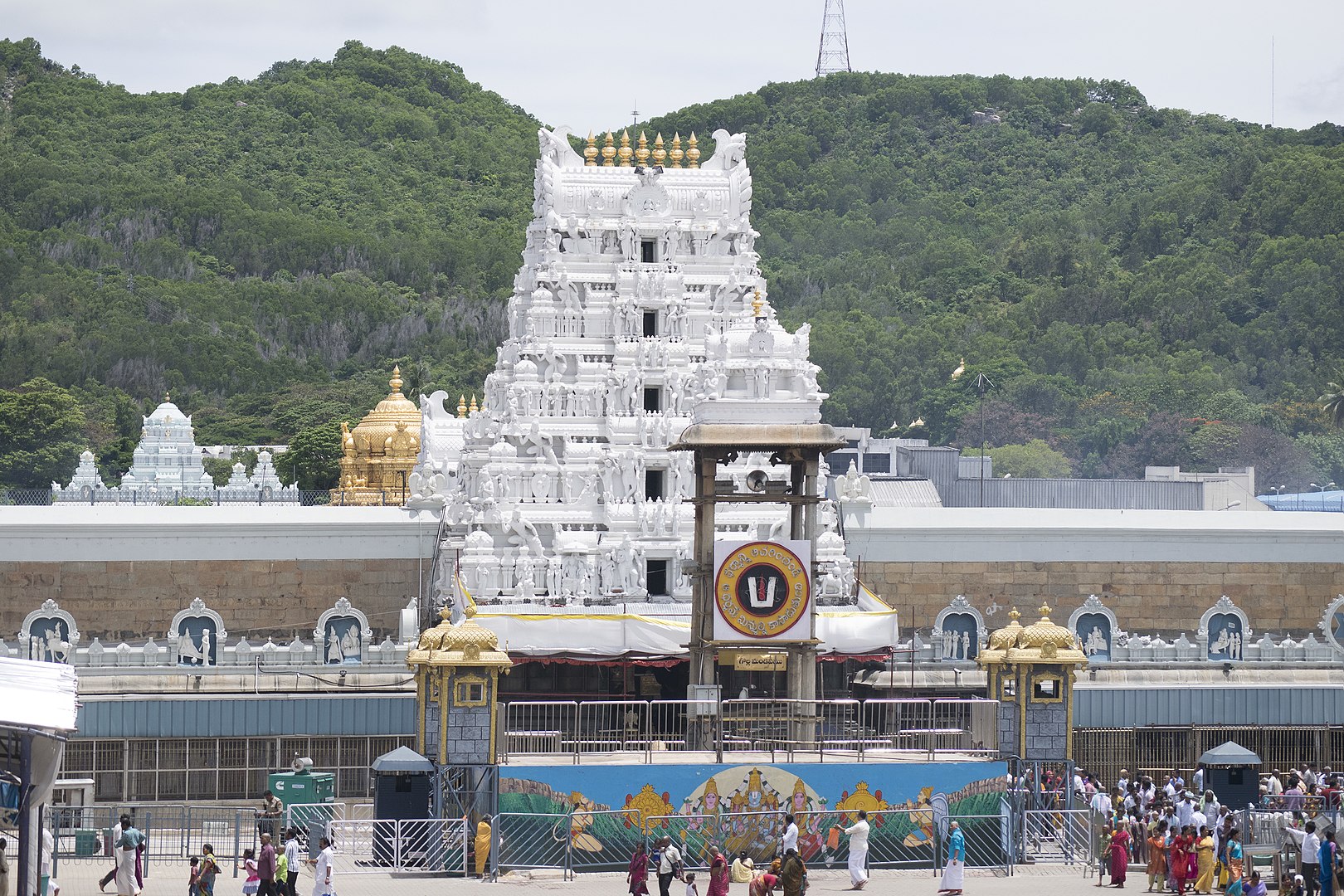
Located close to the Buddhist site, Singarakonda Temple is a popular religious destination dedicated to Lord Narasimha. The temple attracts devotees from across Andhra Pradesh and offers beautiful hilltop views.
Gundlakamma Reservoir
The Gundlakamma Reservoir provides a scenic escape for nature lovers. The calm waters and surrounding landscapes make it an enjoyable spot for photography and relaxation.
Donakonda
Known for its historic railway station and former airstrip, Donakonda offers a glimpse into the region’s colonial-era transportation history.
Bhairavakona
Located within driving distance, Bhairavakona is famous for its rock-cut cave temples, waterfalls, and natural beauty. It is one of the most popular heritage and nature destinations in the region.
Ongole
The district headquarters of Prakasam, Ongole is known for its cattle breed, local cuisine, and access to several historical and cultural attractions.
How to Reach Chandavaram
By Road
Chandavaram is well connected by road and can be reached from several major towns in Andhra Pradesh.
- Ongole: approximately 80 km.
- Donakonda: approximately 30 km.
- Vijayawada: approximately 150 km.
Regular buses, taxis, and private vehicles can be used to reach the site.
By Rail
The nearest railway station is Donakonda, located around 30 km away. For better connectivity, visitors can use Ongole Railway Station, which is connected to major cities including Hyderabad, Chennai, Vijayawada, and Visakhapatnam.
By Air
The nearest major airport is Vijayawada International Airport, situated about 180 km from Chandavaram. From the airport, taxis and buses are available to reach the site.
Google Maps
Frequently Asked Questions (FAQs)
1. Why is Chandavaram Buddhist Site famous?
Chandavaram is famous for its rare double-terraced Maha Stupa, one of the most unique Buddhist architectural structures found in India.
2. How old is the Chandavaram Buddhist Site?
The site dates back to approximately the 2nd century BCE and remained active until around the 3rd century CE.
3. Is there an entry fee to visit Chandavaram?
Entry policies may change over time, so visitors should check current information before planning their trip.
4. How much time is needed to explore the site?
Most visitors spend one to two hours exploring the ruins, museum, and surrounding viewpoints.
5. What is the best season to visit Chandavaram?
The winter months from October to February offer the most comfortable weather for sightseeing.
6. Are guides available at Chandavaram?
Local guides may occasionally be available, but many visitors explore the site independently using informational displays.
7. Can Chandavaram be combined with other attractions in Prakasam district?
Yes. Visitors often combine Chandavaram with Bhairavakona, Singarakonda Temple, Gundlakamma Reservoir, and Ongole for a full-day or weekend trip.