Image Source: Bibul Mahakur
About Duduma Waterfall
Hidden amidst the rugged hills and dense forests of the Eastern Ghats, Duduma Waterfall is one of the tallest and most spectacular waterfalls in India. Situated near the border of Andhra Pradesh and Odisha, this breathtaking natural wonder attracts travelers with its dramatic drop, pristine surroundings, and untouched wilderness. Far away from crowded tourist circuits, Duduma offers a perfect escape for nature lovers, photographers, adventure seekers, and anyone looking to experience the raw beauty of India’s tribal heartland.
The waterfall is formed by the Machkund River, a significant river that originates in Odisha and flows through the hilly landscapes before plunging dramatically over a rocky escarpment. Located near Onukadelli village and approximately 70 kilometers from Araku Valley, Duduma Waterfall remains one of the most scenic yet lesser-explored destinations in the Eastern Ghats region.
What makes Duduma particularly unique is its remote location. Surrounded by thick forests, rolling hills, and tribal settlements, the journey to the waterfall is as rewarding as the destination itself. Visitors are treated to panoramic views of lush valleys, winding mountain roads, and the rich cultural landscape of the tribal regions of Odisha and Andhra Pradesh.
The Spectacular Twin Waterfalls
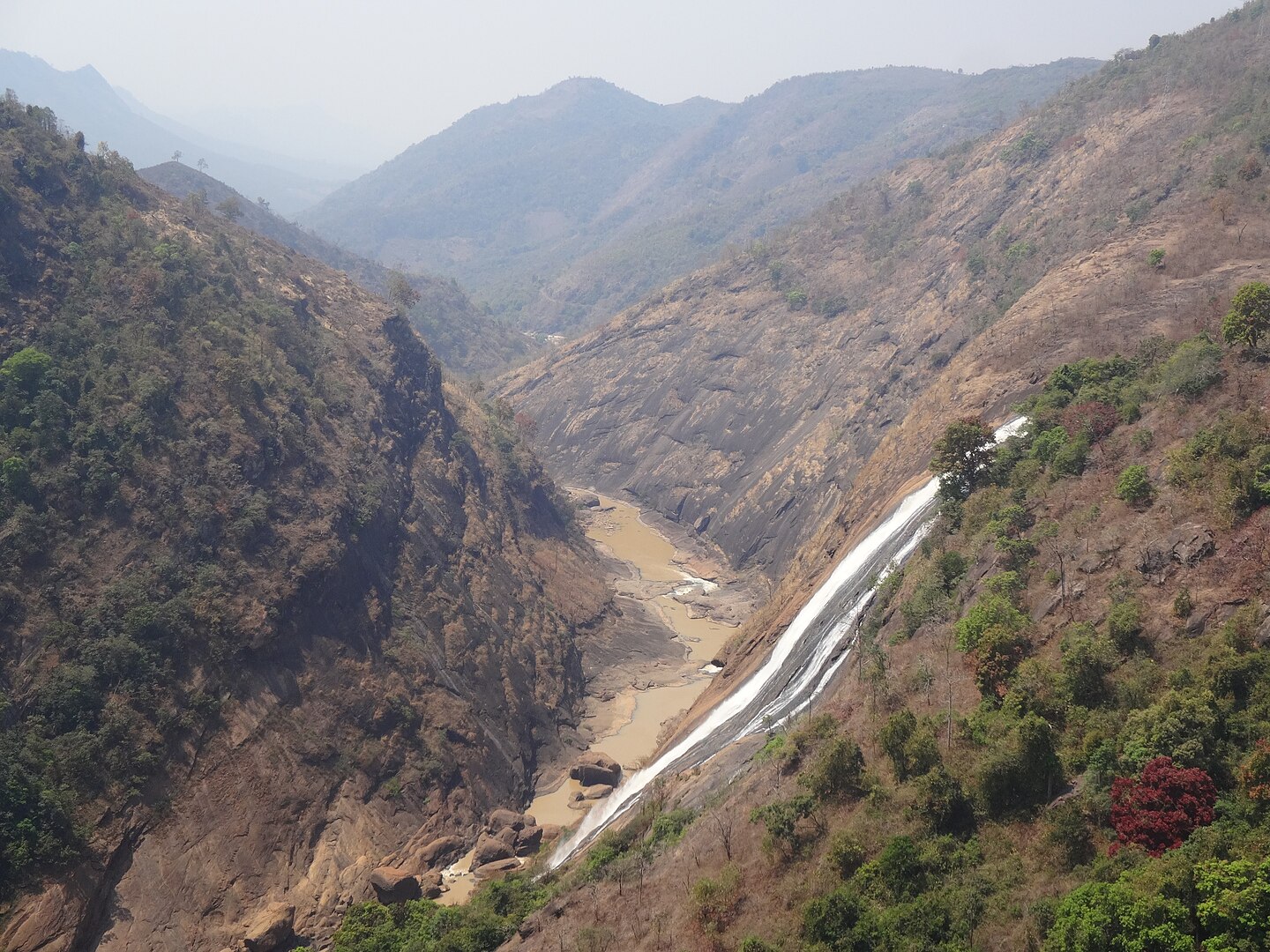
Duduma Waterfall plunges from a height of approximately 175 meters (574 feet), making it one of India’s tallest waterfalls. The immense volume of water crashing down from such a height creates a mesmerizing sight and a thunderous roar that can be heard from a considerable distance.
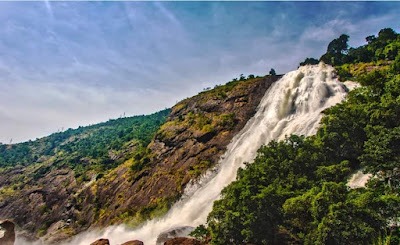
As the water descends, it splits into two distinct streams popularly known as Duduma East and Duduma West. These twin cascades tumble down steep rocky cliffs, creating a breathtaking visual spectacle against a backdrop of dense forests and rugged mountain terrain. During the post-monsoon season, the waterfall reaches its full glory, transforming into a powerful curtain of white water that contrasts beautifully with the surrounding greenery.
The viewpoints around the falls offer stunning opportunities for photography, especially during sunrise and early morning hours when mist often rises from the gorge below.
Natural Beauty and Landscape
The region surrounding Duduma Waterfall is characterized by untouched forests, deep valleys, rocky cliffs, and rich biodiversity. The Eastern Ghats in this part of India are known for their ecological significance and scenic beauty.
Visitors can enjoy panoramic views of rolling hills covered in dense vegetation. The area is home to numerous species of birds, butterflies, and small wildlife, making it an attractive destination for nature enthusiasts. The cool mountain breeze, sounds of flowing water, and peaceful atmosphere create an ideal environment for relaxation and exploration.
Unlike many commercial tourist destinations, Duduma has retained much of its natural charm, offering visitors an authentic wilderness experience.
Machkund Hydroelectric Project
An important feature associated with Duduma Waterfall is the historic Machkund Hydroelectric Project. Established during the British era, it is one of the oldest hydroelectric projects in southern India.
The powerful waters of the Machkund River are harnessed to generate electricity for nearby regions of Andhra Pradesh and Odisha. The hydroelectric station plays a crucial role in supporting the local power supply and stands as an example of how natural resources have been utilized for regional development.
Visitors often combine their trip to the waterfall with a visit to viewpoints overlooking the hydroelectric installations, where they can appreciate both the engineering achievement and the surrounding natural beauty.
Tribal Culture and Heritage
One of the most fascinating aspects of visiting Duduma Waterfall is the opportunity to experience the rich tribal culture of the region. The surrounding hills are inhabited by several indigenous communities, including the famous Bonda tribe, one of India’s oldest and most distinctive tribal groups.
The tribal communities have preserved their traditional customs, attire, agricultural practices, and cultural heritage for centuries. Weekly tribal markets, known locally as “haats,” provide visitors with a glimpse into local life, where tribal families gather to trade forest produce, handicrafts, spices, fruits, and handmade goods.
Travelers are encouraged to interact respectfully with local communities and learn about their unique traditions and deep connection with nature.
Local Experiences Around Duduma
A visit to Duduma is not just about seeing a waterfall. The surrounding region offers several memorable experiences:
- Drive through scenic mountain roads connecting Araku Valley and Koraput.
- Visit tribal villages and local weekly markets.
- Explore coffee plantations around Araku.
- Enjoy nature photography and birdwatching.
- Witness spectacular sunrise and sunset views from nearby hilltops.
- Experience traditional tribal cuisine and local hospitality.
The journey itself showcases some of the most beautiful landscapes in the Eastern Ghats.
Best Time to Visit Duduma Waterfall
The ideal time to visit Duduma Waterfall is between October and February.
During these months, the weather remains cool and pleasant, and the waterfall continues to flow strongly after the monsoon rains. Clear skies and comfortable temperatures make sightseeing enjoyable.
Season-wise Overview
October to February (Best Season)
- Pleasant weather.
- Excellent visibility.
- Full-flowing waterfall.
- Ideal for photography and sightseeing.
March to June
- Warm temperatures.
- Reduced water flow.
- Suitable for travelers exploring Araku and Koraput.
July to September (Monsoon)
- Heavy rainfall.
- Powerful waterfall.
- Slippery terrain and limited accessibility.
- Extra caution required.
How to Reach Duduma Waterfall
By Road
Duduma Waterfall is well connected by road from both Andhra Pradesh and Odisha. It is approximately 70 km from Araku Valley and around 90 km from Koraput. Private taxis and local vehicles are commonly used for reaching the site.
By Train
The nearest railway stations are:
- Araku Railway Station (Andhra Pradesh).
- Koraput Railway Station (Odisha).
The scenic train journey through tunnels and valleys on the Visakhapatnam–Araku route is considered one of India’s most beautiful rail experiences.
By Air
The nearest airport is:
- Visakhapatnam Airport.
Located approximately 190 km from Duduma Waterfall, it offers regular connectivity with major Indian cities.
Nearby Attractions
Araku Valley
One of South India’s most beautiful hill stations, Araku Valley is famous for its coffee plantations, tribal culture, pleasant climate, and breathtaking landscapes. It serves as the perfect base for exploring Duduma Waterfall.
Borra Caves
Located deep within the Ananthagiri Hills, these ancient limestone caves feature fascinating stalactite and stalagmite formations and are among the largest cave systems in India.
Chaparai Water Cascades
Often called Dumbriguda Waterfalls, this picturesque stream flows over naturally carved rock formations, making it a popular picnic destination near Araku.
Machkund Temple
A peaceful spiritual site located near the waterfall where visitors can enjoy serene surroundings and scenic views.
Koraput
Known for its tribal heritage, scenic hills, ancient temples, and traditional markets, Koraput offers a deeper cultural experience for travelers exploring the region.
Deomali Hills
The highest mountain peak in Odisha, Deomali offers breathtaking panoramic views, camping opportunities, and stunning sunrise experiences.
Travel Tips
- Start early in the morning for the best views and weather.
- Carry drinking water and snacks as facilities are limited.
- Wear sturdy footwear due to uneven and rocky terrain.
- Respect local tribal communities and seek permission before taking photographs.
- Avoid venturing too close to cliff edges, especially during monsoon months.
- Carry a camera, as the landscape offers exceptional photography opportunities.
Maps and Location
Frequently Asked Questions (FAQs)
1. Why is Duduma Waterfall famous?
Duduma Waterfall is famous for being one of the tallest waterfalls in India, its twin cascades, scenic location in the Eastern Ghats, and proximity to tribal regions rich in culture and biodiversity.
2. How tall is Duduma Waterfall?
The waterfall drops from a height of approximately 175 meters (574 feet), making it one of India’s highest waterfalls.
3. Is Duduma Waterfall located in Andhra Pradesh or Odisha?
The waterfall lies near the Andhra Pradesh–Odisha border. While the Machkund River originates in Odisha, the waterfall can be accessed from both states.
4. What is the best time to visit Duduma Waterfall?
October to February is considered the best period because of pleasant weather and strong water flow.
5. Can Duduma Waterfall be visited from Araku Valley?
Yes. Duduma Waterfall is approximately 70 kilometers from Araku Valley and is often included in Araku sightseeing itineraries.
6. Are there trekking opportunities near Duduma Waterfall?
There are several nature trails and walking paths around the region, although visitors should follow local guidance and exercise caution in remote areas.
7. Is Duduma Waterfall suitable for family trips?
Yes. Families, photographers, nature lovers, and adventure travelers can all enjoy the destination, provided basic safety precautions are followed.
8. What other attractions can be combined with Duduma Waterfall?
Visitors commonly combine Duduma with Araku Valley, Borra Caves, Chaparai Water Cascades, Koraput, Deomali Hills, and the Machkund Hydroelectric Project.