Image Source: Durga Prasad M
Introduction
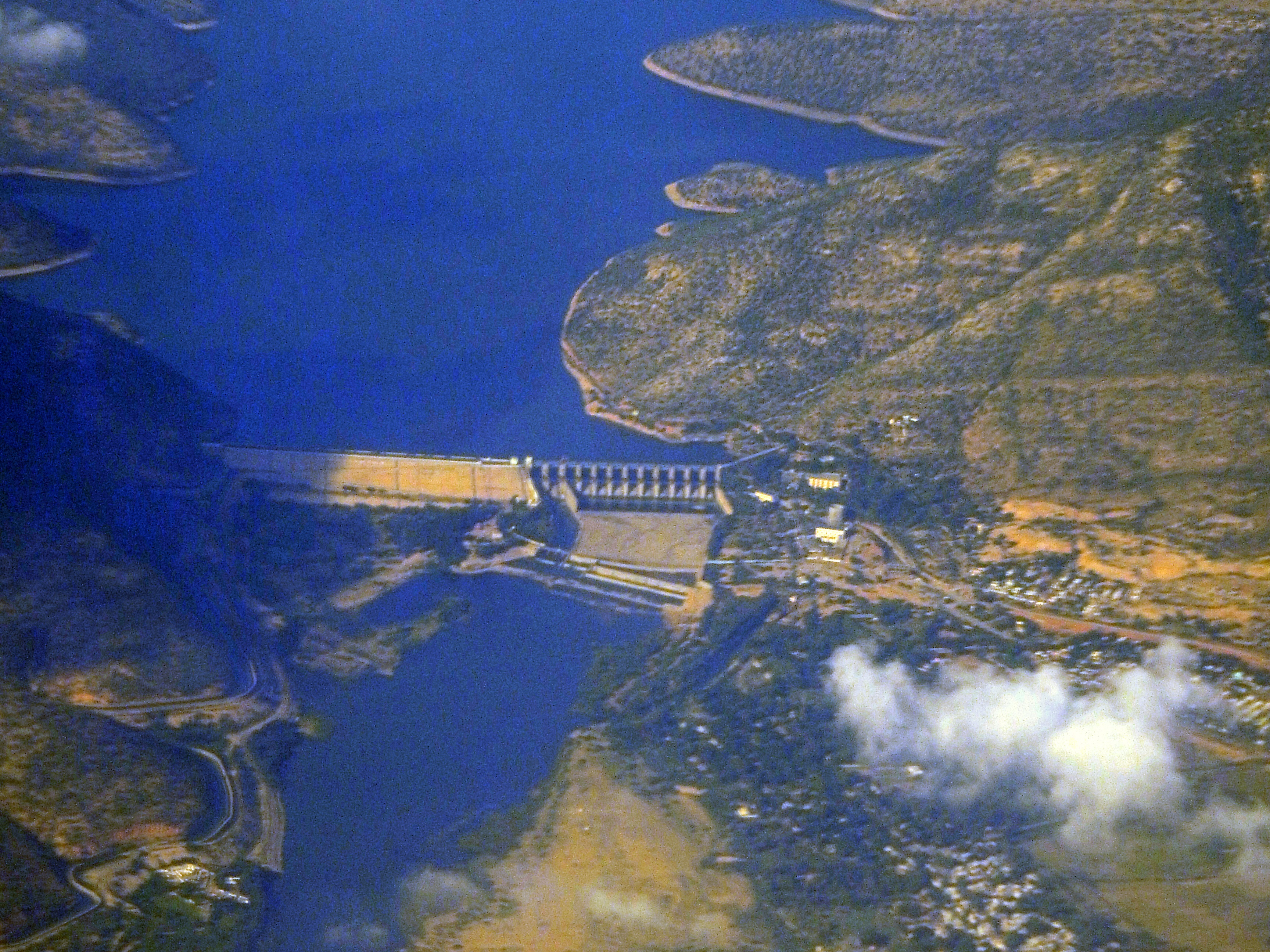
Kandaleru Dam, also known as the Kandaleru Reservoir Project, is one of the largest man-made reservoirs in Andhra Pradesh. Built across the Kandaleru River, which is a tributary of the Pennar River, the dam is located in Rapur Mandal of Tirupati district, formerly part of Nellore district. Spread across a vast area and surrounded by scenic landscapes, the reservoir is not only an engineering marvel but also a lifeline for agriculture and drinking water supply in southern India.
The dam gained national importance because of its connection to the ambitious Telugu Ganga Project, a major interstate water-sharing initiative designed to transport Krishna River water to Chennai in Tamil Nadu. Over the years, Kandaleru Dam has become an essential source of irrigation, water conservation, and regional development.
Historical Background and Purpose
The construction of the Kandaleru Reservoir began during the late twentieth century as part of the larger Telugu Ganga Project. This massive initiative involved the states of Andhra Pradesh, Tamil Nadu, Karnataka, and Maharashtra working together to address water shortages in drought-prone regions and urban centers.
The primary aim of the project was twofold. First, it sought to irrigate agricultural lands in the Rayalaseema and Nellore regions, which often faced water scarcity due to irregular rainfall. Second, it aimed to provide a reliable drinking water supply to the rapidly growing city of Chennai.
Kandaleru Reservoir was developed as an important balancing and storage reservoir within this network. Water released from upstream reservoirs is stored here before being distributed further through canals and pipelines. The project significantly improved agricultural productivity in nearby districts and strengthened water security for millions of people.
Structure and Engineering Features
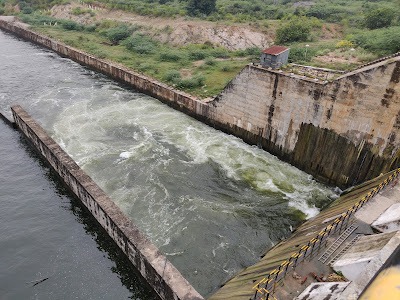
Kandaleru Dam is considered one of the most impressive earthen dams in Asia because of its enormous length and storage capacity. Unlike concrete gravity dams, this structure is primarily made of compacted earth with specially designed spillways to regulate water flow during heavy rainfall and floods.
Key Features of the Dam
- Type of Dam: Earthen dam with spillway structures.
- Length: More than 11 kilometers, making it one of the longest earthen dams in Asia.
- Height: Approximately 50 meters.
- Storage Capacity: Around 72 TMC (thousand million cubic feet) of water.
- Canal Connectivity: Linked with the Somasila Reservoir through the Telugu Ganga canal system.
The reservoir is designed to handle large volumes of water efficiently. Its wide embankments, spillways, and canal systems ensure controlled water distribution for irrigation and drinking purposes. The scale of the project reflects the complexity and importance of water management in southern India.
Importance for Irrigation and Water Supply
One of the biggest contributions of Kandaleru Dam is its role in supporting agriculture. Farmers in Nellore and Tirupati districts depend heavily on reservoir water for cultivation, especially during dry seasons. The irrigation network connected to the dam supports crops such as paddy, sugarcane, groundnut, sunflower, and pulses.
The reservoir has transformed many semi-arid areas into productive agricultural zones. Reliable water availability has improved crop yields, reduced dependence on monsoon rains, and strengthened the rural economy in surrounding villages.
Apart from irrigation, the reservoir is extremely important for urban water supply. Through the Telugu Ganga Canal system, Krishna River water stored at Kandaleru is transported toward Chennai. Every year, a significant quantity of drinking water is supplied to the city, helping meet the needs of millions of residents. This makes the reservoir one of the most strategically important water projects in South India.
Natural Beauty and Scenic Surroundings
Although Kandaleru Dam is mainly known for its engineering and irrigation value, the area around the reservoir is also visually appealing. The vast spread of water, combined with green hills and open landscapes, creates a peaceful atmosphere. During the monsoon and post-monsoon seasons, the reservoir becomes especially beautiful as the water levels rise and the surroundings turn lush and vibrant.
The calm environment attracts local visitors, photographers, nature lovers, and travelers interested in large infrastructure projects. Early mornings and evenings offer stunning views of the backwaters and the surrounding hills. While the location is not yet a major commercial tourist destination, it remains a relaxing getaway for people from nearby towns.
Birdlife can also be spotted around the reservoir during certain seasons, especially near quieter stretches of water. The large open landscape makes it a pleasant location for short road trips and sightseeing.
Best Time to Visit
The ideal time to visit Kandaleru Dam is between October and February when the weather remains pleasant and the reservoir usually contains abundant water after the monsoon season. During this period, the scenery becomes greener and more refreshing.
Monsoon months can also be attractive because of overflowing water and dramatic views, though heavy rainfall may affect road conditions in some areas. Summers are generally hot and dry, making daytime travel less comfortable.
Connectivity and How to Reach
By Road
Kandaleru Dam is located around 60 kilometers from Nellore and can be reached through Rapur town. Roads connecting the reservoir to nearby towns and villages are reasonably accessible. APSRTC buses, taxis, and private vehicles are commonly used for travel.
By Rail
The nearest major railway station is Nellore Railway Station, situated on the busy Chennai–Howrah railway line. From the station, visitors can hire taxis or continue by bus toward Rapur and the reservoir area.
By Air
The nearest airport is Tirupati International Airport, located approximately 100 kilometers away. Another major option is Chennai International Airport, about 180 kilometers from the dam.
Role in Regional Development
Kandaleru Reservoir has played a major role in improving the economy and infrastructure of the surrounding region. Access to irrigation water has boosted farming activities and created better livelihood opportunities for rural communities. The project has also encouraged development in transport, local trade, and water management systems.
Beyond agriculture and urban water supply, the reservoir represents the importance of interstate cooperation in addressing water scarcity challenges. It stands as an example of how large-scale water projects can support both rural and urban populations across different states.
Nearby Attractions of Kandaleru Dam
The Kandaleru Dam is a major reservoir built on the Kandaleru River in Andhra Pradesh as part of the Telugu Ganga Project. Surrounded by hills, forests, reservoirs, temples, and wildlife-rich landscapes, the area offers several attractions for nature lovers, pilgrims, and road-trip enthusiasts. The dam itself is known for its vast reservoir, scenic surroundings, and importance in supplying water to Chennai and irrigating agricultural lands in the region.
1. Somasila Dam
Somasila Dam is one of the largest reservoirs in Andhra Pradesh. Located on the Penna River, it serves as a major source of water for the Telugu Ganga Project and offers beautiful views of the reservoir and surrounding hills.
2. Sri Someswara Swamy Temple
Situated near Somasila Dam, Sri Someswara Swamy Temple is an ancient Shiva temple known for its peaceful setting and religious significance.
3. Udayagiri Fort
Udayagiri Fort is a historic hill fort featuring ancient structures, temples, gateways, and panoramic views of the surrounding countryside. The fort dates back several centuries and is a fascinating destination for history enthusiasts.
4. Rapur Forest Region
Rapur Forests surrounds the Kandaleru reservoir and offers scenic drives through the Eastern Ghats. The area is known for its greenery, wildlife, and tranquil landscapes.
5. Sri Venkateswara National Park
Sri Venkateswara National Park is located within the Eastern Ghats and is home to diverse flora and fauna. Nature enthusiasts can enjoy birdwatching, wildlife observation, and forest scenery.
6. Talakona Waterfalls
Talakona Waterfalls is the highest waterfall in Andhra Pradesh. Surrounded by dense forests, the falls are popular for trekking, photography, and nature walks.
7. Siddeswara Kona
Siddeswara Kona is a picturesque valley known for its natural beauty, caves, waterfalls during the monsoon, and the ancient Siddeswara Temple.
8. Penchalakona Temple
Penchalakona Temple is a revered temple dedicated to Lord Narasimha. Nestled amidst forested hills, it attracts both pilgrims and nature lovers.
9. Pulicat Lake
Pulicat Lake is India’s second-largest brackish water lagoon. The lake is famous for migratory birds, boating, and picturesque wetlands.
10. Nelapattu Bird Sanctuary
Nelapattu Bird Sanctuary is one of South India’s important bird sanctuaries. It is especially known for spot-billed pelicans and numerous migratory bird species.
Google Map
FAQs
1. Where is Kandaleru Dam located?
Kandaleru Dam is located in Rapur Mandal of Tirupati district in Andhra Pradesh, India.
2. Why is Kandaleru Dam important?
The reservoir is important for irrigation, agricultural development, and supplying drinking water to Chennai through the Telugu Ganga Project.
3. Which river is associated with Kandaleru Dam?
The dam is built across the Kandaleru River, a tributary of the Pennar River.
4. What is the storage capacity of Kandaleru Reservoir?
The reservoir can store approximately 72 TMC of water.
5. Is Kandaleru Dam a tourist destination?
While it is not a major commercial tourist spot, locals and travelers visit the reservoir for its scenic beauty, peaceful environment, and engineering significance.
6. What crops are irrigated using water from Kandaleru Dam?
The reservoir supports cultivation of crops such as paddy, sugarcane, groundnut, sunflower, and pulses.
7. What is the best time to visit Kandaleru Reservoir?
The best time to visit is from October to February when the weather is pleasant and the reservoir is usually full after the monsoon season.