
Image Source: Pranayraj1985
About Papikonda National Park
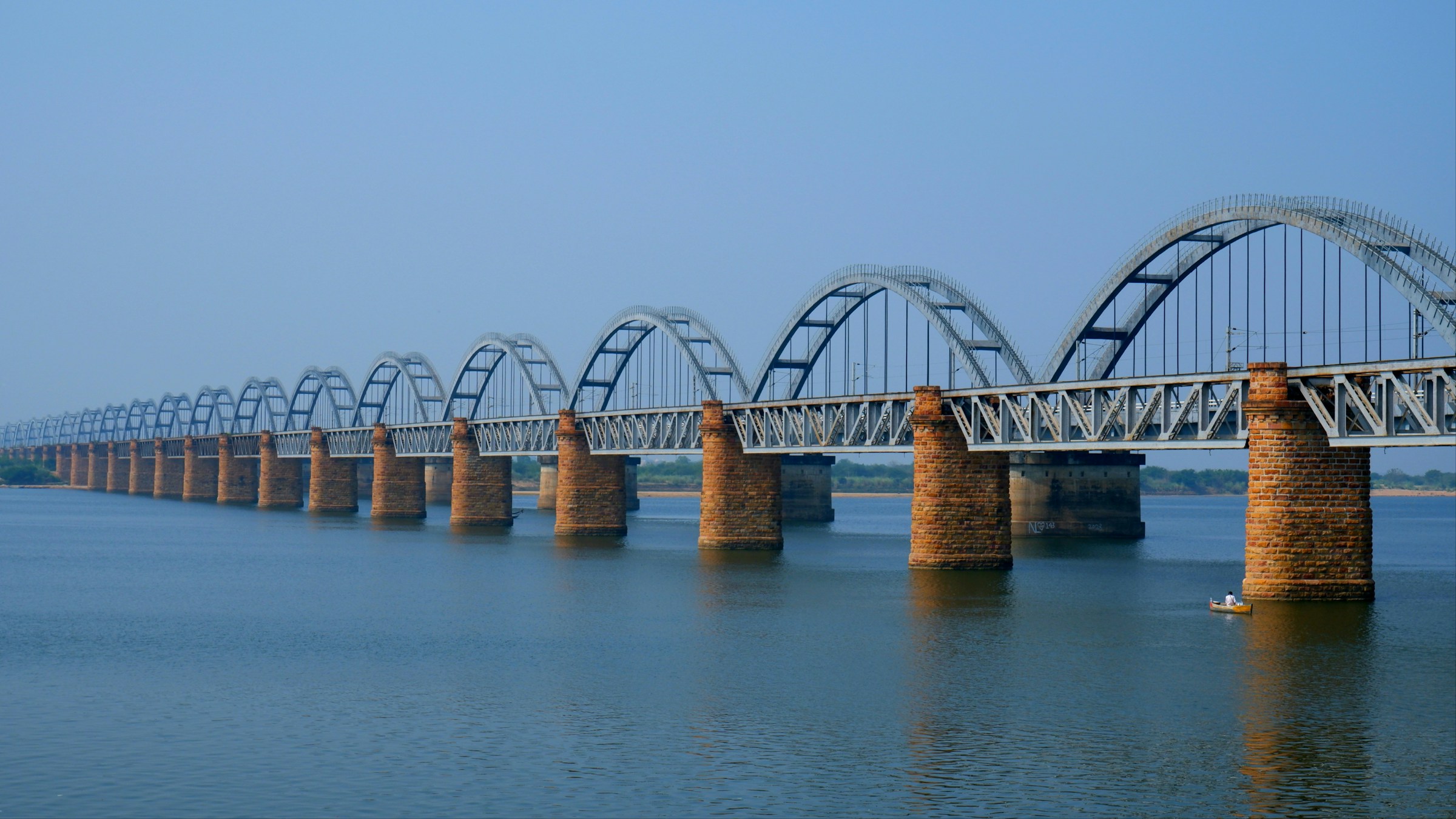
Papikonda National Park is a prominent protected area located near Rajamahendravaram in the Papi Hills of the East and West Godavari districts of Andhra Pradesh, India. Initially established as Papikonda Wildlife Sanctuary in 1978, it was later upgraded to a national park in 2008, covering an area of approximately 1,012.86 km² (391.07 sq mi). Classified under IUCN category II, the park is also recognized as an Important Bird and Biodiversity Area (IBA). Papikonda National Park is renowned for its rich flora and fauna, including several endangered species, making it an essential conservation area in the Eastern Ghats.
Geography and Climate
The park spans the Alluri Sitharama Raju and Eluru districts of Andhra Pradesh, stretching between 18° 49’ 20″ N to 19° 18’ 14″ N latitude and 79° 54’ 13″ E to 83° 23’ 35″ E longitude. Situated within the Eastern Ghats, the park features undulating hills, forested valleys, and rocky terrain, with elevations ranging from 20 to 850 meters (66–2,789 ft). The Godavari River flows through the park, providing vital riparian ecosystems that support both terrestrial and aquatic biodiversity. Papikonda experiences an annual rainfall of around 1,168 mm, and its vegetation comprises a mix of moist deciduous and dry deciduous forests, creating varied habitats for wildlife.
Flora (Plant Life)
Papikonda National Park boasts diverse plant life, characteristic of moist and dry deciduous forests. The park is home to several endangered species and significant tree varieties, including Pterocarpus marsupium, Terminalia elliptica, Terminalia arjuna, Adina cordifolia, Sterculia urens, Mangifera indica, and Anogeissus latifolia. This rich vegetation provides shelter and food for the park’s wildlife and contributes to the ecological stability of the region.
Fauna (Animal Life)
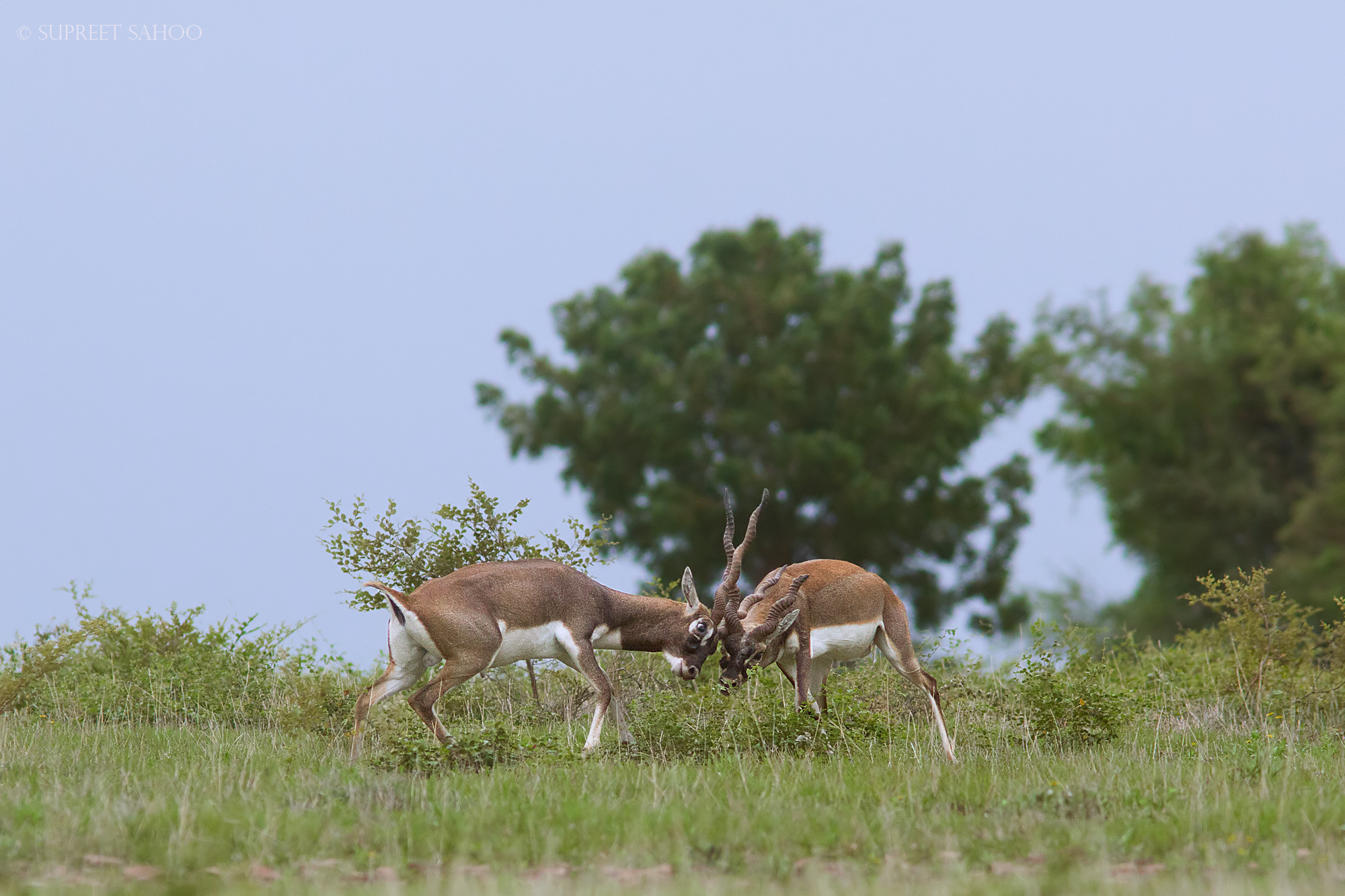
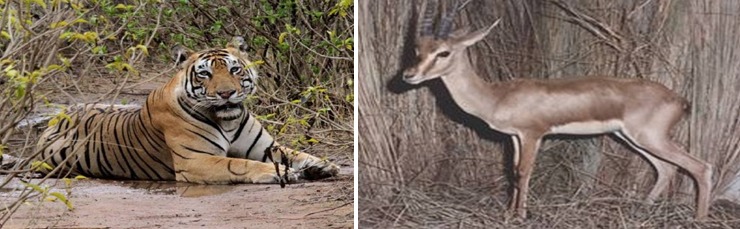
Mammals: The park supports a wide range of mammals, including carnivores such as the Bengal tiger, Indian leopard, Rusty-spotted cat, jungle cat, leopard cat, sloth bear, small Indian civet, Asian palm civet, wild boar, and honey badger. Herbivores include spotted deer, sambar deer, Indian muntjac, Indian spotted chevrotain, gaur, nilgai, and four-horned antelope. Primates in the park include Rhesus macaques, Bonnet macaques, and gray langurs, while historical records note the presence of water buffaloes during the British era.
Birds: Recognized as an Important Bird and Biodiversity Area by BirdLife International in 2016, Papikonda hosts numerous bird species. Endangered and vulnerable birds include the Black-bellied tern, Pale-capped pigeon, Yellow-throated bulbul, Oriental darter, Pallid harrier, Great Thick-knee, River lapwing, River tern, Malabar pied hornbill, and Alexandrine parakeet. The park’s tropical moist forest areas also shelter species like the Black-throated munia, Indian scimitar babbler, Jerdon’s nightjar, Malabar trogon, and Malabar whistling thrush. A subspecies of Abbott’s babbler, named after ornithologist K. S. R. Krishna Raju, is found near the park’s periphery.
Reptiles: Papikonda is home to notable reptiles such as the Indian golden gecko, endemic to the Eastern Ghats, and king cobras. These species highlight the park’s unique ecological value within the region.
Threats to the Park
Papikonda National Park faces several ecological threats, including poaching, forest fires, and deforestation for agricultural expansion. These challenges pose risks to the park’s flora, fauna, and overall ecological balance, making conservation efforts critical for long-term biodiversity preservation.
Significance and Context
Papikonda National Park is listed among the National Parks of India and the Protected Areas of Andhra Pradesh, forming an integral part of the Eastern Ghats biodiversity corridor. Its combination of dense forests, hilly terrain, riparian ecosystems, and rich wildlife makes it an important destination for eco-tourism, wildlife research, and nature enthusiasts. The park not only safeguards endangered species but also plays a vital role in maintaining ecological stability and awareness of sustainable forest management in Andhra Pradesh.