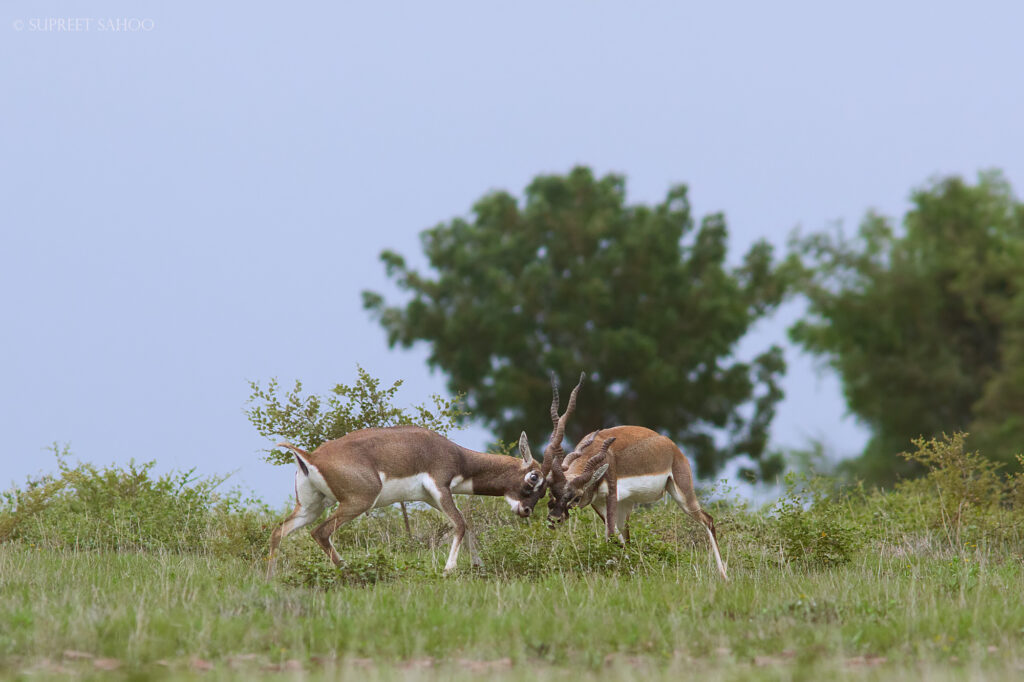
Image Source: Supreet Sahoo
About Rollapadu Wildlife Sanctuary
Tucked away in the dry grasslands of Andhra Pradesh, Rollapadu Wildlife Sanctuary is one of India’s lesser-known yet ecologically important wildlife reserves. Located near the Andhra Pradesh–Karnataka border in the Nandyal district, the sanctuary lies around 40 km from Nandyal, 172 km from Kadapa, and about 152 km from Raichur, making it a convenient destination for wildlife lovers, birdwatchers, and nature photographers from nearby regions.
Established in 1988, the sanctuary spreads across an area of about 6.14 square kilometers and is recognized under the IUCN Category IV protected area classification, which focuses on habitat and species management. Rollapadu is especially significant because it serves as the only known habitat in Andhra Pradesh for the critically endangered Great Indian Bustard, one of the rarest birds in the world. The sanctuary was primarily created to protect this magnificent grassland bird along with the lesser florican, another threatened species that once frequented the area.
Geography and Climate
The landscape of Rollapadu is dominated by open grasslands and gently undulating plains lying at an average elevation of around 290 meters above sea level. Unlike dense forest reserves, this sanctuary has a semi-arid ecosystem that is perfectly suited for grassland birds and grazing animals.
The climate here remains hot and dry for most of the year, with summer temperatures often rising considerably. Rainfall is relatively low and unpredictable, averaging around 450 mm annually. These dry conditions help maintain the grassland habitat that many ground-nesting birds depend upon for survival.
Adding to the sanctuary’s ecological richness is the nearby Alganur Reservoir, which attracts several species of migratory birds during the winter months. The combination of dry grasslands and wetland habitats makes Rollapadu an important biodiversity zone in southern India.
Flora of Rollapadu Wildlife Sanctuary
The vegetation inside the sanctuary mainly consists of dry grasslands dotted with thorny shrubs and scattered tree species. Though the landscape may appear sparse at first glance, it supports a delicate ecological balance that is crucial for wildlife survival.
Common plant species found here include:
- Ziziphus mauritiana.
- Cassia fistula.
- Acacia species.
- Butea monosperma.
These plants provide shelter, nesting areas, and food sources for many birds, insects, and small mammals. The surrounding agricultural fields also influence the ecosystem. Farmers in nearby villages commonly grow cotton, tobacco, sunflower, and other crops, creating an interesting interaction between human settlements and wildlife habitats.
Wildlife at Rollapadu
Mammals
Despite its relatively small size, the sanctuary supports a healthy population of mammals. One of the most prominent animals here is the blackbuck, known for its graceful movement and spiral-shaped horns. The sanctuary currently shelters nearly 800 blackbucks, making it one of the best places in Andhra Pradesh to spot them in the wild.
Other mammals found in the sanctuary include:
- Indian foxes.
- Golden jackals.
- Bonnet macaques.
- Jungle cats.
- Sloth bears.
The open terrain makes wildlife sightings easier compared to heavily forested reserves.
Reptiles
Rollapadu is also home to several reptile species commonly associated with dry grassland ecosystems. Snakes such as the Russell’s viper and Indian cobra have been reported from the sanctuary region.
Birds
Birdlife is the biggest attraction at Rollapadu Wildlife Sanctuary. More than 130 bird species have been recorded here, making it a paradise for birdwatchers.
The sanctuary is best known for the critically endangered Great Indian Bustard, a bird once widely distributed across India’s grasslands but now surviving in only a few isolated pockets. Rollapadu remains one of the last places in Andhra Pradesh where this species has historically been sighted.
Other important bird species include:
- Indian roller.
- Various myna species.
- Short-toed snake eagle.
- Indian courser.
- Harriers.
- Larks and pipits.
During winter, the nearby Alganur Reservoir becomes a seasonal home for migratory birds such as:
- Bar-headed geese.
- Demoiselle cranes.
- Greater flamingos.
Although sightings of birds like the lesser florican and greater short-toed lark have become increasingly rare, the sanctuary still plays a major role in conserving India’s vanishing grassland bird species.
Conservation Challenges
Like many grassland ecosystems in India, Rollapadu faces several environmental and conservation challenges.
One major issue is the decline in the Great Indian Bustard population. Increasing blackbuck numbers sometimes create competition for food and nesting spaces used by ground-dwelling birds. Blackbucks often move into nearby farmlands, leading to conflicts between wildlife and local farmers.
Other threats include:
- Excessive cattle grazing inside the sanctuary.
- Disturbance to breeding habitats of grassland birds.
- Changes in vegetation due to rising groundwater levels.
- Agricultural expansion around the sanctuary.
- Pesticide contamination affecting birds of prey through biomagnification.
The linking of the Alganur tank with the Telugu Ganga Canal has also altered the region’s ecological conditions, changing both the natural flora and farming patterns around the sanctuary.
Importance of Rollapadu Wildlife Sanctuary
Rollapadu Wildlife Sanctuary is far more than just a small protected area. It represents one of the few remaining grassland ecosystems in southern India and plays a crucial role in conserving species that are rapidly disappearing from the subcontinent.
The sanctuary is especially important for:
- Conservation of the Great Indian Bustard.
- Protection of grassland habitats.
- Migratory bird conservation.
- Ecological research and biodiversity studies.
- Nature tourism and birdwatching.
It also helps spread awareness about the importance of grasslands, which are often overlooked compared to forests despite supporting a rich variety of wildlife.
Best Time to Visit
The ideal time to visit Rollapadu Wildlife Sanctuary is between October and March, when the weather is relatively pleasant and migratory birds arrive in the region. Early mornings and late afternoons are considered the best times for wildlife sightings and bird photography.
How to Reach Rollapadu Wildlife Sanctuary
By Road
The sanctuary is well connected by road from nearby towns and cities like Nandyal, Kadapa, and Kurnool.
By Rail
The nearest major railway station is Nandyal Railway Station, located around 40 km away.
By Air
The nearest airports are located at Kurnool and Hyderabad, from where visitors can continue their journey by road.
Nearby Attractions
1. Alaganur Reservoir
Located near the sanctuary, Alaganur Reservoir is a popular birdwatching destination. During winter, the reservoir attracts migratory birds such as bar-headed geese, flamingos, and demoiselle cranes, making it a must-visit for nature lovers.
2. Mahanandi
The sacred town of Mahanandiswara Swamy Temple is known for its ancient Shiva temple and crystal-clear temple tanks fed by natural springs. It is one of the most important pilgrimage sites in the region.
3. Ahobilam
Ahobilam is a renowned pilgrimage destination dedicated to Lord Narasimha. Surrounded by the Nallamala Hills, it combines spirituality, trekking, and scenic landscapes.
4. Belum Caves
The magnificent Belum Caves are among the longest natural cave systems in India. Visitors can explore fascinating underground passages, stalactites, and stalagmites.
5. Yaganti
The ancient Sri Yaganti Uma Maheswara Temple is famous for its unique Nandi statue, natural caves, and stunning rocky surroundings.
6. Srisailam
Situated amidst the Nallamala forests, Srisailam Temple is one of the twelve Jyotirlinga shrines of Lord Shiva and an important spiritual destination.
7. Nallamala Hills
The scenic Nallamala Hills offer opportunities for nature walks, wildlife viewing, and photography. The hills form part of the Eastern Ghats and are known for their rich biodiversity.
8. Konda Reddy Fort
Located in Kurnool, Konda Reddy Fort is a historic monument associated with the Vijayanagara Empire and offers insights into the region’s past.
9. Orvakal Rock Garden
Orvakal Rock Garden is famous for its unique rock formations, caves, and picturesque landscapes, making it a favorite destination for photographers and families.
10. Mantralayam
The sacred town of Raghavendra Swamy Mutt attracts thousands of devotees and is one of the most revered pilgrimage centers in South India.
Suggested Itinerary
A two-day trip covering Rollapadu Wildlife Sanctuary, Alaganur Reservoir, Belum Caves, Yaganti, and Mahanandi offers an excellent mix of wildlife, nature, history, and spirituality in the Nandyal region.
Google Maps
FAQs
1. Where is Rollapadu Wildlife Sanctuary located?
Rollapadu Wildlife Sanctuary is located in the Nandyal district of Andhra Pradesh, near the Karnataka border.
2. Why is Rollapadu Wildlife Sanctuary famous?
The sanctuary is famous for protecting the critically endangered Great Indian Bustard and its unique grassland ecosystem.
3. What animals can be seen at Rollapadu Wildlife Sanctuary?
Visitors can spot blackbucks, jackals, foxes, jungle cats, sloth bears, and several species of birds.
4. How many bird species are found in the sanctuary?
More than 130 bird species have been recorded in and around the sanctuary.
5. Which is the best season to visit Rollapadu?
Winter, especially from October to March, is considered the best time for birdwatching and wildlife observation.
6. Is Rollapadu Wildlife Sanctuary good for birdwatching?
Yes, it is one of the best grassland birdwatching destinations in Andhra Pradesh.
7. Are migratory birds seen here?
Yes, migratory birds such as bar-headed geese, flamingos, and demoiselle cranes visit nearby wetlands during winter.
8. What are the major threats faced by the sanctuary?
Habitat loss, cattle grazing, pesticide contamination, ecological changes, and human-wildlife conflict are some of the major threats.
9. Is the Great Indian Bustard still found in Rollapadu?
Historically, Rollapadu has been an important habitat for the Great Indian Bustard, although sightings have become extremely rare in recent years.
10. Can tourists visit the sanctuary throughout the year?
Yes, the sanctuary remains open throughout the year, though winter is the most comfortable and rewarding season for visitors.