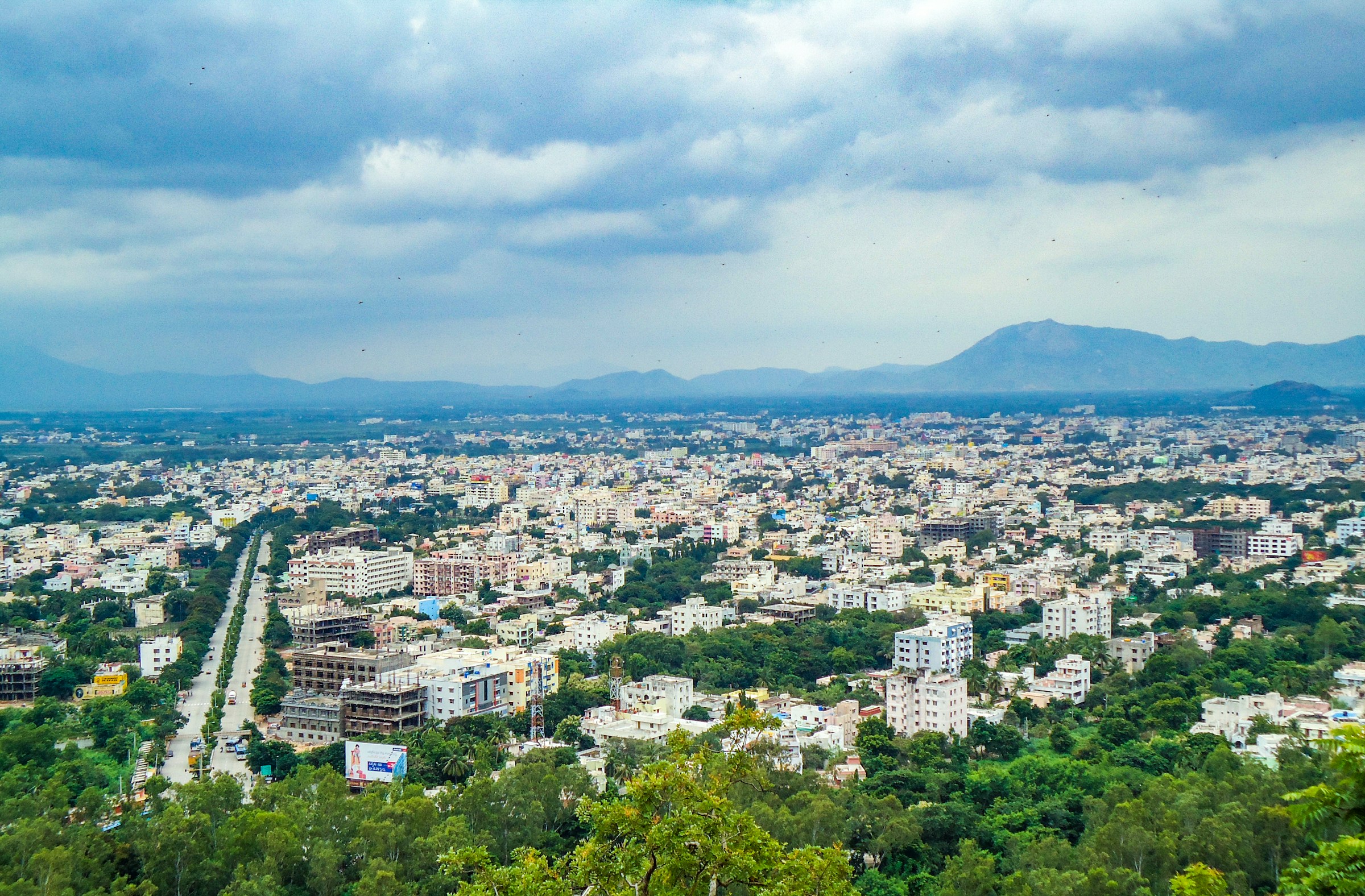
Image Source: Pranayraj1985
About Sri Venkateswara National Park
Sri Venkateswara National Park is a protected area located in Tirupati and Annamayya districts of Andhra Pradesh, India, with coordinates 13°45′4″N 79°20′16″E. Established in September 1989, the park spans an area of 353 km² (136 sq mi) and is designated as both a national park and a biosphere reserve under IUCN category II. The park is renowned for its panoramic hills of the Eastern Ghats, dense forests, and numerous waterfalls such as Talakona, Gundalakona, and Gunjana. Following the declaration of the Seshachalam Hills as a biosphere reserve in 2010, Sri Venkateswara National Park became part of this larger conservation initiative, further emphasizing its ecological and cultural importance.
Geography and Climate
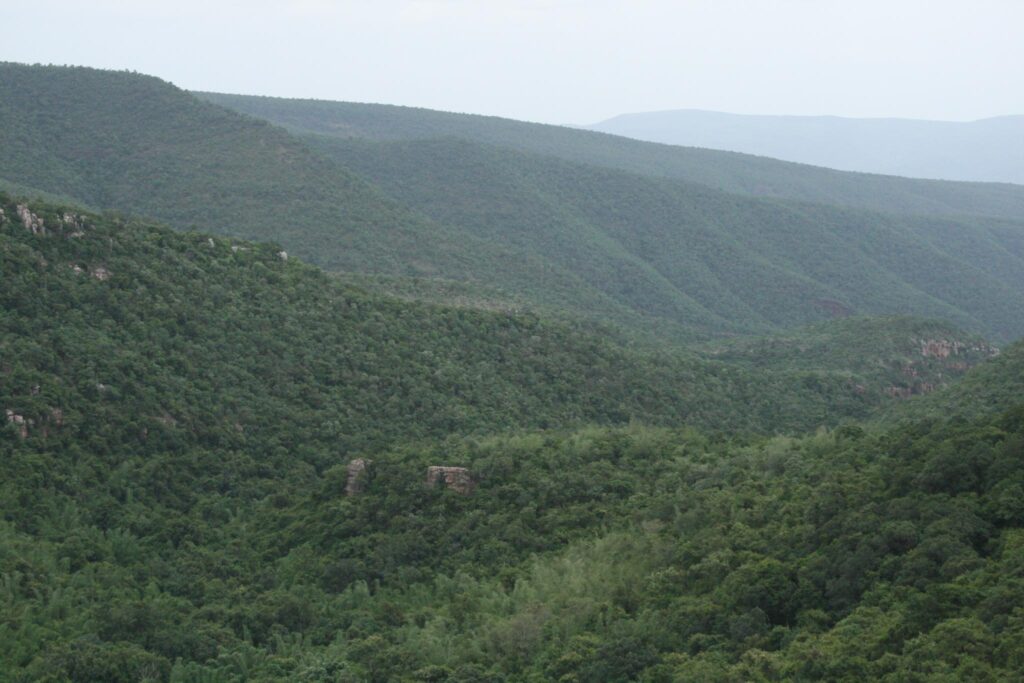
The park lies within the Eastern Ghats, encompassing the Seshachalam Hills in Annamayya district and the Tirumala Hills in Tirupati district. Elevations range from 150 meters to 1,130 meters (490–3,710 ft), creating an undulating terrain of forested valleys, rocky outcrops, and hillocks. The climate is characterized by rainfall primarily from the northeast monsoon, with a smaller contribution from the southwest monsoon, averaging 900 mm annually. Temperatures fluctuate from 12°C to 44°C (54–111°F). Vegetation is a mix of dry and moist deciduous forests, with dry deciduous forest dominating the hills and moist patches thriving in valleys.
Flora (Plant Life)
Sri Venkateswara National Park is a biodiversity hotspot, hosting approximately 1,500 vascular plant species across 174 families, with many endemic species. Notable flora includes the red sanders (Pterocarpus santalinus), Shorea talura, Shorea tumbugaia, Terminalia pallida, sandalwood, Cycas beddomei, Syzygium alternifolium, and Psilotum nudum. The park’s vegetation not only supports diverse wildlife but also sustains traditional uses and medicinal plants important to local communities.
Fauna (Animal Life)
The park is home to a rich array of wildlife.
Birds: About 178 bird species have been recorded, including the globally threatened yellow-throated bulbul, the critically endangered Oriental white-backed vulture, and regionally important species like the grey-fronted green pigeon, large hawk-cuckoo, blue-faced malkoha, yellow-browed bulbul, Indian scimitar-babbler, and Loten’s sunbird.
Mammals: Large mammals include leopards, wild dogs, golden jackals, Indian foxes, sloth bears, and jungle cats. Ungulates such as sambar, spotted deer, mouse deer, barking deer, four-horned antelope, and wild boar are common. The Asian elephant reappeared in the southern Chittoor region in 1984 and migrated into the Chamala Valley by 1993. Other notable species include the slender loris, Indian giant squirrel (Ratufa indica), gray langur (Semnopithecus priam), and tree shrew.
Reptiles: Unique reptiles like the gliding lizard and the Indian golden gecko inhabit the park, adding to its ecological diversity.
Threats and Conservation Challenges
Despite its protected status, the park faces several ecological threats:
Construction and Quarrying: Projects such as the Andhra Pradesh State Highway upgrades (including Warangal-Pollacolu road) and the Kapil Teertham Dam pose risks to the park’s wildlife habitat.
Forest Fires: Regular forest fires threaten biodiversity, especially during dry seasons.
Habitat Disturbance: Development projects and human interference continue to challenge the park’s delicate ecological balance.
Conservation efforts aim to mitigate these threats while promoting sustainable eco-tourism and habitat protection.
Nearby Attractions
1. Tirumala Venkateswara Temple
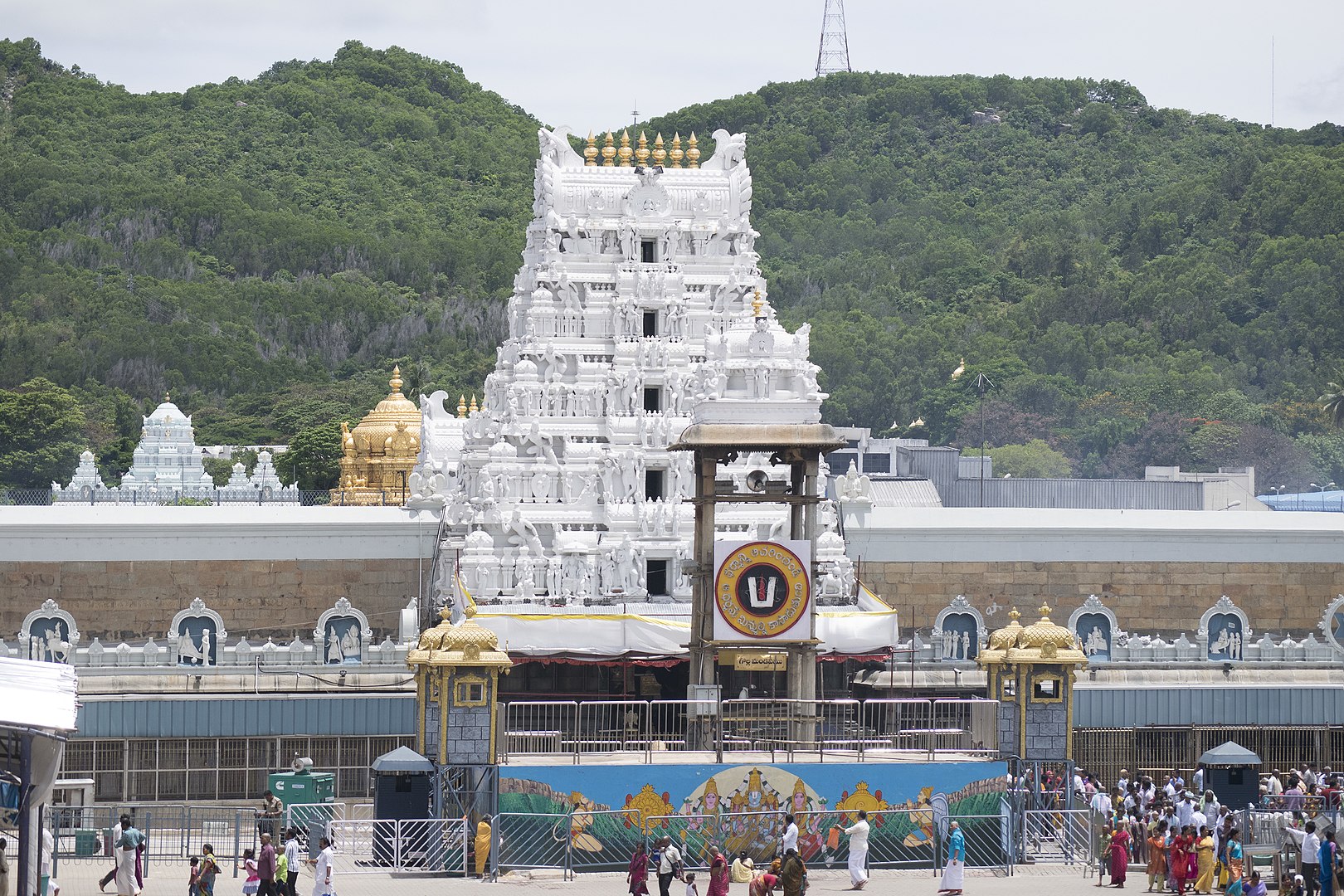
One of the most visited pilgrimage sites in the world, dedicated to Lord Venkateswara. The temple attracts millions of devotees every year and is located amidst the Tirumala Hills.
2. Talakona Waterfall
The highest waterfall in Andhra Pradesh, plunging from a height of about 82 meters. Surrounded by lush forests, it is ideal for trekking and nature photography.
3. Chandragiri Fort
A historic Vijayanagara-era fort featuring royal palaces, ancient architecture, and a sound-and-light show that narrates its rich history.
4. Kapila Theertham
A sacred waterfall and Shiva temple located at the foothills of Tirumala, popular among pilgrims and nature lovers.
5. Akasa Ganga
A revered waterfall whose waters are used in temple rituals at Tirumala. The location offers scenic hill views and a peaceful atmosphere.
6. Sri Padmavathi Ammavari Temple
Dedicated to Goddess Padmavathi, this temple is an important pilgrimage destination often visited along with Tirumala.
7. Silathoranam
A rare natural rock arch estimated to be millions of years old and considered one of Tirumala’s geological wonders.
8. Sri Varahaswami Temple
An ancient temple dedicated to Lord Varaha, located near the sacred Swami Pushkarini. Pilgrims traditionally visit this temple before seeking darshan at Tirumala.
9. Tumburu Theertham
A picturesque waterfall and sacred water body located deep within the forested hills, popular among trekking enthusiasts.
10. Sri Venkateswara Zoological Park
One of the largest zoological parks in Asia, showcasing diverse wildlife species and conservation initiatives.
Significance and Context
Sri Venkateswara National Park is an essential protected area in Andhra Pradesh, forming a vital part of the Eastern Ghats biodiversity corridor. It is managed with oversight from the Tirumala Tirupati Devasthanams (TTD) for certain projects, highlighting the intersection of cultural heritage, spirituality, and nature conservation. The park not only preserves endangered flora and fauna but also supports eco-tourism, trekking, and scientific research in the region.
How to Reach
By Air
The nearest airport is Tirupati Airport, located approximately 25–30 km from the park. Regular flights connect Tirupati with major cities such as Hyderabad, Bengaluru, Chennai, and Vijayawada.
By Train
The nearest railhead is Tirupati Railway Station, which is well connected to Chennai, Hyderabad, Bengaluru, Vijayawada, and other major Indian cities. Renigunta Junction is another convenient railway station nearby.
By Road
The park is easily accessible from Tirupati by taxi, private vehicle, or local buses. Tirupati is connected by state highways and national highways to major cities across South India. The park entrance lies roughly 10–20 km from Tirupati depending on the access point.
Google Maps
FAQs
1. Where is Sri Venkateswara National Park located?
Sri Venkateswara National Park is located in the Seshachalam Hills of the Eastern Ghats near Tirupati in Andhra Pradesh. The park spans parts of the Tirupati and Chittoor districts.
2. Why is Sri Venkateswara National Park famous?
The park is famous for its rich biodiversity, dense forests, scenic waterfalls, rare medicinal plants, and diverse wildlife. It is also known for being situated near the sacred Tirumala Hills.
3. What are the major animals found in the park?
Visitors may spot leopards, sloth bears, wild boars, spotted deer, sambar deer, Indian giant squirrels, jungle cats, and several species of reptiles and birds.
4. What is the best time to visit Sri Venkateswara National Park?
The best time to visit is from October to February when the weather is pleasant, making it ideal for wildlife viewing, trekking, and sightseeing.
5. Are there any waterfalls inside the national park?
Yes, the park is home to several beautiful waterfalls, including Talakona Waterfall, Gundalakona Waterfall, and Gunjana Waterfall, which attract nature lovers and trekkers.
6. Is trekking allowed in Sri Venkateswara National Park?
Yes, trekking is permitted in designated areas of the park. Some trekking routes may require prior permission from forest authorities, especially in protected zones.
7. How far is Sri Venkateswara National Park from Tirupati?
The park is located close to Tirupati, with various entry points situated approximately 10–20 kilometers from the city, depending on the destination within the park.
8. Can visitors go on wildlife safaris in the park?
Unlike some national parks, Sri Venkateswara National Park is primarily known for nature trails, trekking, and eco-tourism activities. Wildlife sightings are possible, but organized safari services may be limited.
9. Are accommodation facilities available near the park?
Yes, visitors can find a wide range of accommodation options in Tirupati and Tirumala, including hotels, guest houses, resorts, and pilgrim lodges.
10. What are the main attractions near Sri Venkateswara National Park?
Popular nearby attractions include the Tirumala Venkateswara Temple, Talakona Waterfall, Chandragiri Fort, Kapila Theertham, Akasa Ganga, Silathoranam, Sri Padmavathi Ammavari Temple, and Sri Venkateswara Zoological Park.