Image Source: Agasthyathepirate
About Kalyana Venkateswara Temple
Nestled in the peaceful town of Srinivasa Mangapuram near Tirupati, the Kalyana Venkateswara Temple is one of the most sacred and spiritually uplifting temples dedicated to Lord Venkateswara, an incarnation of Lord Vishnu. While most devotees across India are familiar with the famous Tirumala Temple, this temple holds a unique place in Hindu belief because it represents the divine married form of Lord Venkateswara with Goddess Padmavati.
The word “Kalyana” means marriage, and the temple beautifully symbolizes the phase after the celestial wedding of the Lord and Goddess Padmavati. Because of this association, devotees especially visit this shrine to seek blessings for happy marriages, family harmony, and prosperous relationships. Newly married couples often make it a point to visit the temple as part of their spiritual journey after marriage.
Religious Significance of the Temple
The temple is deeply connected with ancient legends and Vaishnavite traditions. According to Hindu mythology, after marrying Goddess Padmavati at Narayanavanam, Lord Venkateswara stayed for some time at Srinivasa Mangapuram before proceeding to Tirumala Hills. During this period, the Lord is believed to have blessed devotees in his divine bridegroom form, which gave rise to the name Kalyana Venkateswara Swamy.
Many devotees believe that worshipping here carries spiritual merit similar to visiting Tirumala itself. For people who cannot climb the Tirumala hills or wish to experience a quieter and less crowded form of devotion, this temple offers a deeply peaceful atmosphere filled with faith and serenity.
The temple is also regarded as highly auspicious for those facing delays in marriage or difficulties in family life. It is common to see devotees offering special prayers for successful relationships, marital harmony, and emotional well-being.
History
The history of the temple dates back several centuries and is closely linked with the powerful Vijayanagara Empire period. The rulers of the Vijayanagara dynasty were known patrons of temples and Hindu traditions, and they contributed significantly to the development and maintenance of this sacred shrine.
Over time, several kings, local chieftains, and devotees supported the temple through donations and renovations. The temple eventually became an important religious center in the Tirupati region. Today, it is managed by the Tirumala Tirupati Devasthanams (TTD), the same organization that administers the Tirumala Venkateswara Temple. Under TTD’s care, the temple continues to preserve its rituals, traditions, and spiritual heritage.
Architecture and Temple Design
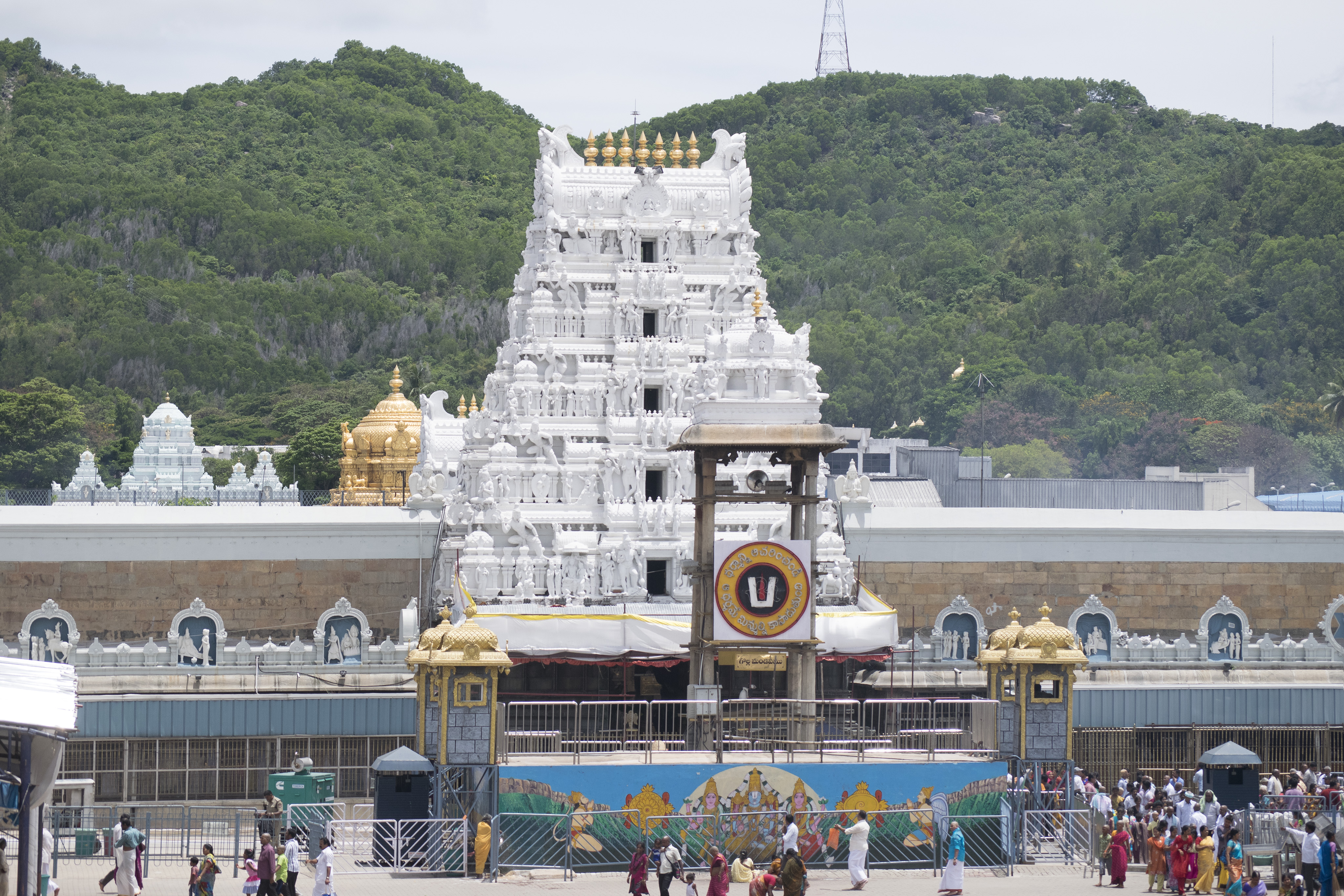
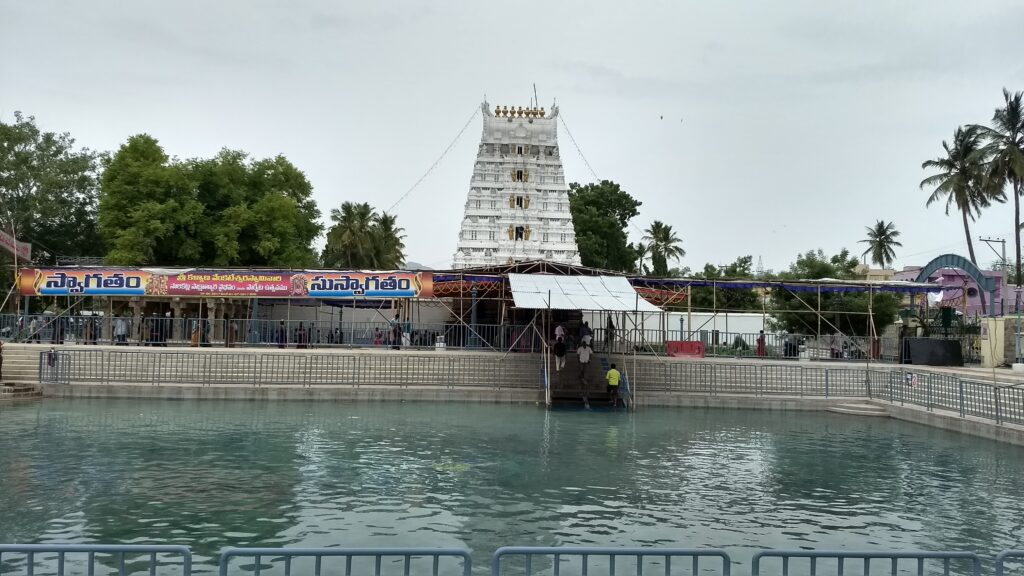
The Kalyana Venkateswara Temple reflects the elegance of traditional Dravidian temple architecture. As visitors approach the temple, they are welcomed by a towering gopuram adorned with beautifully carved sculptures depicting scenes from Hindu mythology, celestial beings, and divine symbols.
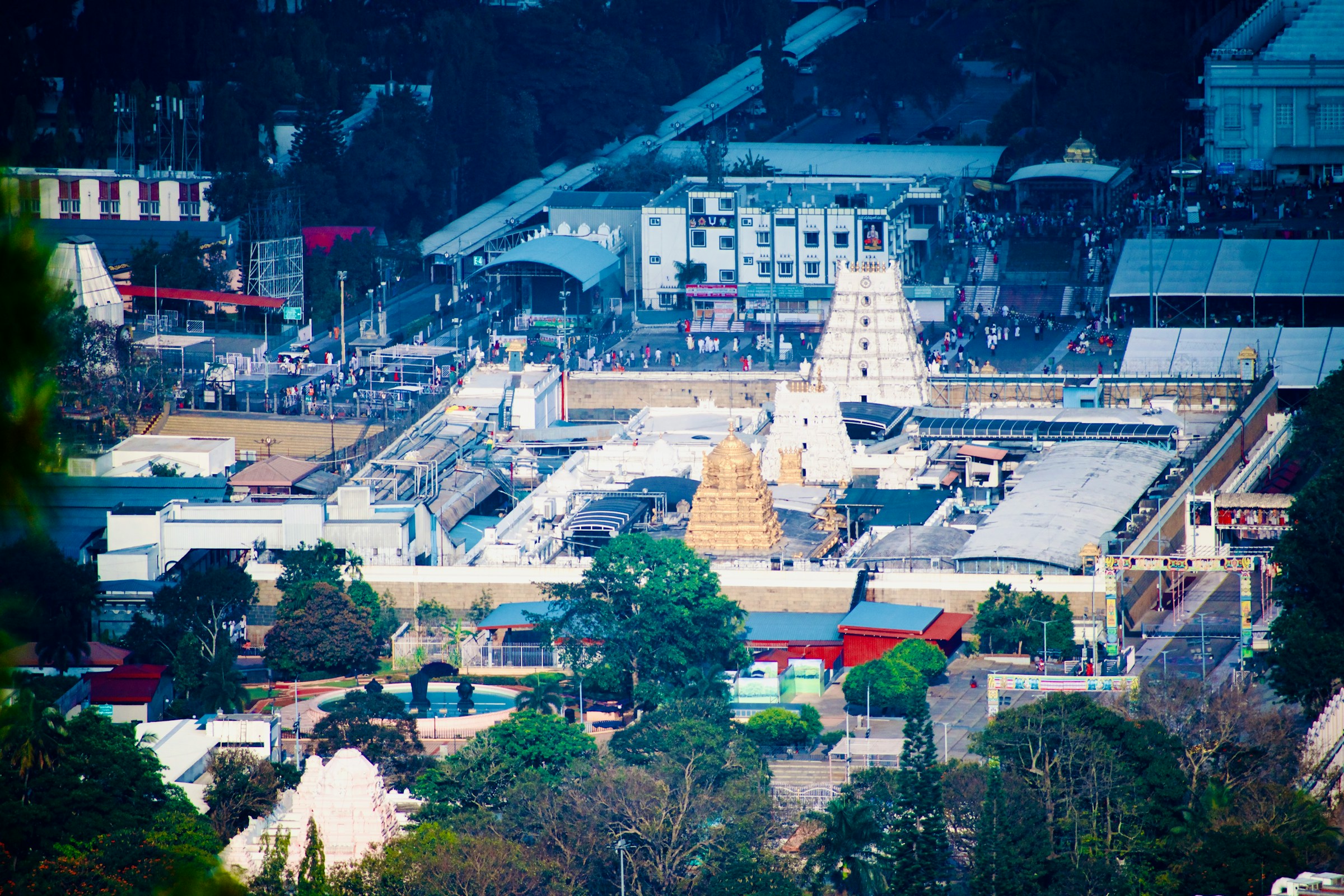
Inside the temple complex lies a spacious courtyard and prakara (enclosure), creating a calm and devotional environment. The sanctum sanctorum houses the magnificent idol of Lord Venkateswara in a standing posture. The deity is richly decorated with gold ornaments, silk garments, tulsi garlands, and fresh flowers, giving devotees a mesmerizing darshan.
One of the remarkable aspects of the temple is the peaceful atmosphere compared to the crowded Tirumala shrine. Many pilgrims find the experience here more intimate and spiritually calming.
Apart from the main deity, the temple complex also contains smaller shrines dedicated to Goddess Padmavati, Goddess Lakshmi, and other guardian deities, allowing devotees to perform complete worship rituals within the same premises.
Festivals and Celebrations
The temple comes alive during festivals, attracting thousands of pilgrims from Andhra Pradesh and neighboring states. The most important ritual celebrated here is the Kalyanotsavam, the symbolic celestial wedding ceremony of Lord Venkateswara and Goddess Padmavati. Couples and families participate in this ritual to seek blessings for a happy married life and domestic peace.
Other major festivals celebrated with grandeur include:
Brahmotsavam
This annual festival is celebrated with elaborate rituals, temple processions, devotional music, and beautifully decorated chariots carrying the deity around the temple streets. The entire temple town becomes vibrant with spiritual energy during this time.
Vaikunta Ekadashi
One of the most sacred days in Vaishnavism, Vaikunta Ekadashi draws massive crowds of devotees who believe that worshipping the Lord on this day helps attain salvation and divine grace.
Pavitrotsavam
This annual purification festival is performed to cleanse and sanctify the temple rituals. Priests conduct special homas, prayers, and Vedic ceremonies during this occasion.
Daily rituals such as Suprabhata Seva, Thomala Seva, and Archana are performed according to ancient Agama traditions, similar to the practices followed at Tirumala Temple.
Beliefs and Devotional Importance
The temple is especially revered among couples and families. Devotees strongly believe that prayers offered here help remove obstacles related to marriage and relationships. Parents often bring their children to seek blessings for suitable marriage alliances, while newly married couples visit to begin their life journey with divine grace.
Many pilgrims also believe that the Lord here responds quickly to sincere prayers related to family happiness, emotional peace, and prosperity. This spiritual connection has made Srinivasa Mangapuram an essential stop during the Tirupati pilgrimage circuit.
Best Time to Visit
The temple can be visited throughout the year, but the cooler months between October and March offer the most comfortable weather for pilgrims. Visiting during Brahmotsavam or Vaikunta Ekadashi provides an opportunity to witness the temple at its most vibrant and festive.
Early mornings and evenings are considered ideal for darshan, as the temple atmosphere feels especially peaceful during these hours.
How to Reach Kalyana Venkateswara Temple
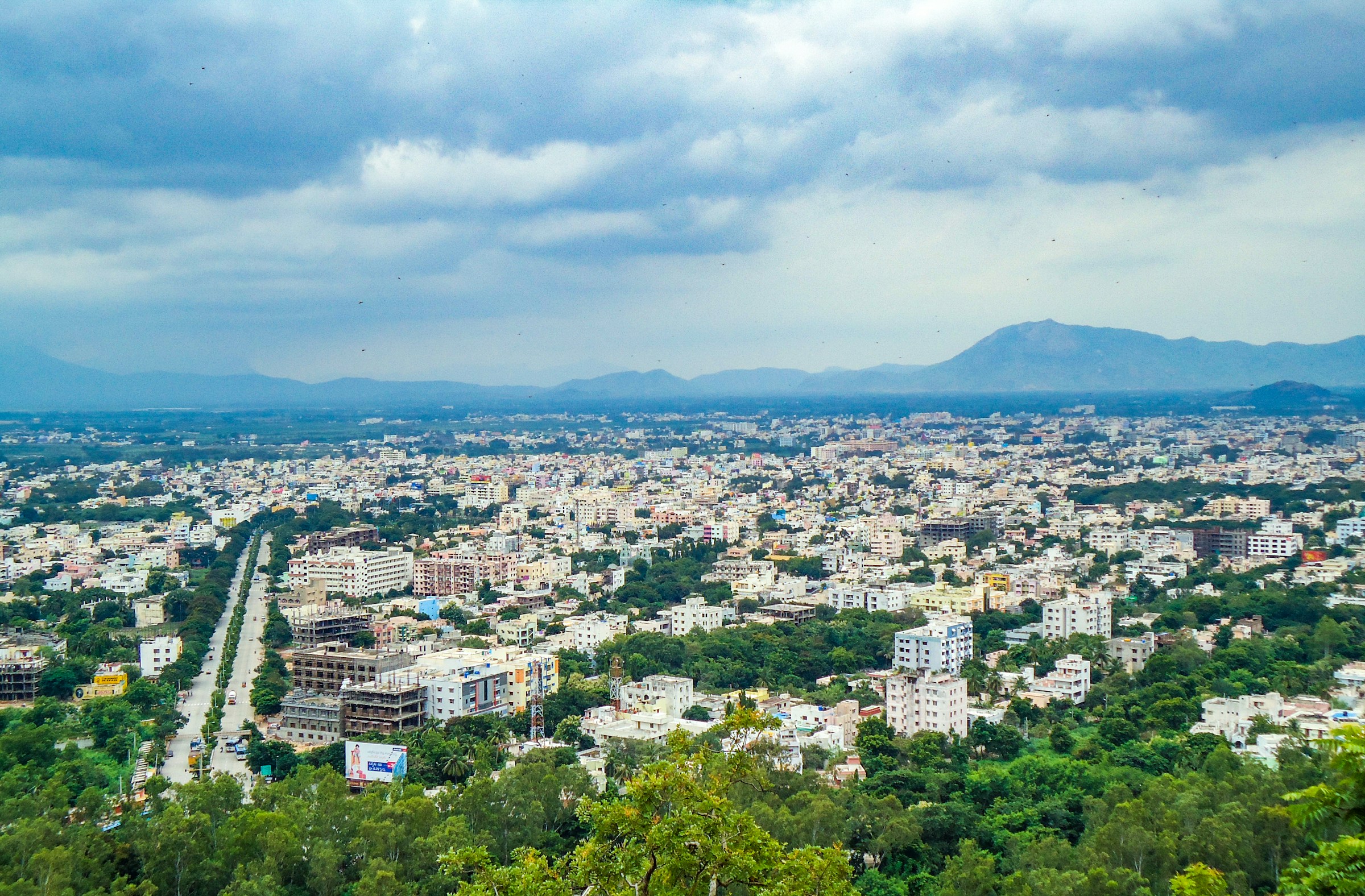
The temple is located around 12 kilometers from Tirupati city and is well connected by road. Regular APSRTC buses, taxis, and private vehicles operate between Tirupati and Srinivasa Mangapuram.
- Nearest Railway Station: Tirupati Railway Station.
- Nearest Airport: Tirupati International Airport.
- Distance from Tirupati: Approximately 12 km.
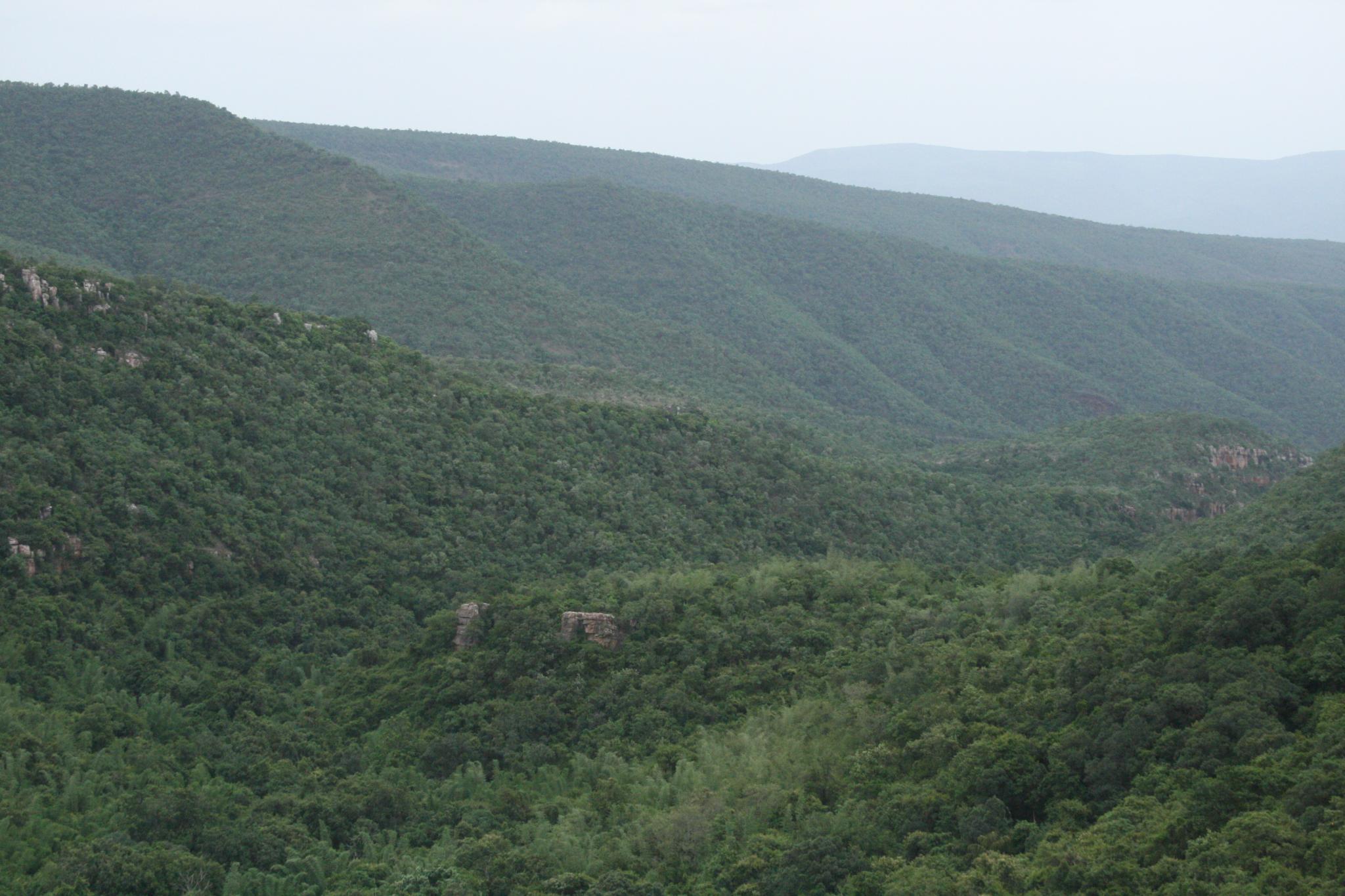
The route to the temple passes through scenic surroundings and offers a peaceful spiritual journey away from the hustle of city life.
Nearby Attractions
While visiting the temple, devotees often explore other important religious and cultural attractions nearby, including:
- Tirumala Venkateswara Temple.
- Sri Padmavathi Ammavari Temple.
- Kapila Theertham.
- Govindaraja Swamy Temple.
These temples together form an important spiritual circuit for devotees visiting the Tirupati region.
Google Maps
FAQs
1. Why is Kalyana Venkateswara Temple famous?
The temple is famous for representing the married form of Lord Venkateswara and is considered highly auspicious for couples and those seeking marital blessings.
2. Where is Kalyana Venkateswara Temple located?
The temple is located in Srinivasa Mangapuram, about 12 km from Tirupati in Andhra Pradesh.
3. Is the temple connected to Tirumala Temple?
Yes, according to legend, Lord Venkateswara stayed here after marrying Goddess Padmavati before proceeding to Tirumala.
4. What is the significance of Kalyanotsavam?
Kalyanotsavam symbolizes the celestial marriage of Lord Venkateswara and Goddess Padmavati and is performed for marital harmony and family prosperity.
5. Can newly married couples visit the temple?
Yes, the temple is especially popular among newly married couples seeking blessings for a happy and prosperous married life.
6. Who manages the temple?
The temple is administered by the Tirumala Tirupati Devasthanams (TTD).
7. What is the best time to visit the temple?
The ideal time to visit is between October and March when the weather is pleasant.
8. Is accommodation available near the temple?
Yes, Tirupati offers a wide range of hotels, lodges, and TTD guesthouses for pilgrims visiting the temple.