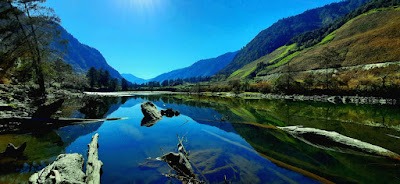
Image Source: NIKASH DUTTA
About Anini
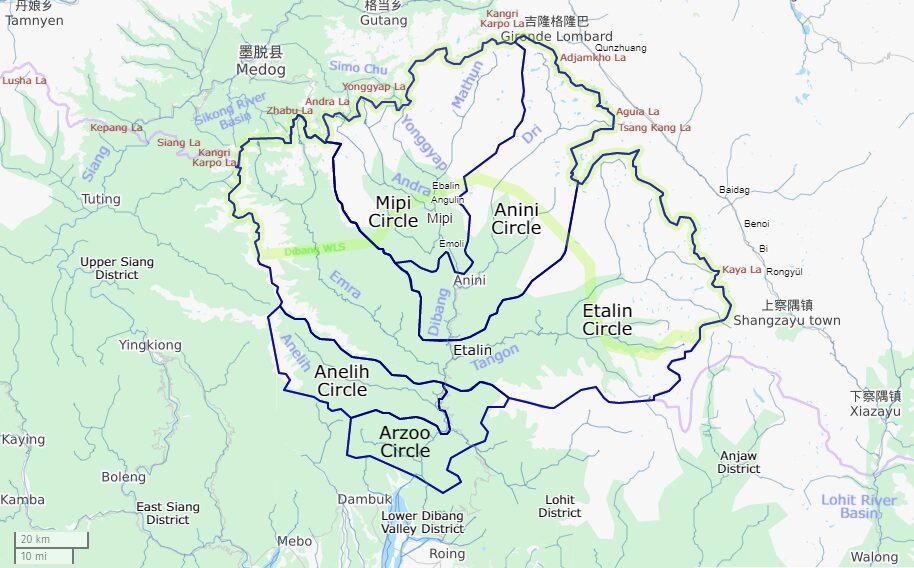
Hidden deep in the far northeastern corner of Arunachal Pradesh, Anini is one of India’s most remote and untouched Himalayan destinations. Serving as the headquarters of the Dibang Valley district, this quiet mountain town is surrounded by the dramatic Mishmi Hills, dense forests, icy rivers, alpine meadows, and snow-draped peaks. Often referred to as the “Land of the Idu Mishmi,” Anini offers travelers a rare opportunity to experience nature in its purest form along with the rich traditions of one of Northeast India’s most fascinating tribal communities.
Located at an altitude of nearly 1,968 meters (6,457 feet), Anini feels far removed from the fast pace of modern life. The roads leading here wind through waterfalls, mist-covered valleys, and rugged mountain terrain, making the journey itself an unforgettable experience. Because of its isolation, the region has managed to preserve its pristine landscapes, indigenous traditions, and peaceful atmosphere. For travelers seeking solitude, adventure, and authentic cultural experiences, Anini is unlike anywhere else in India.
Natural Beauty and Landscape
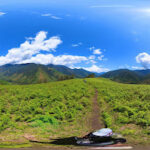
Anini is blessed with extraordinary natural scenery. Thick forests of pine, bamboo, rhododendron, and oak cover the surrounding mountains, while glacial streams and crystal-clear rivers flow through the valley below. During winter, snow blankets the region, transforming the town into a serene Himalayan wonderland. In spring and early summer, the hills burst into color with blooming wildflowers and rhododendrons.
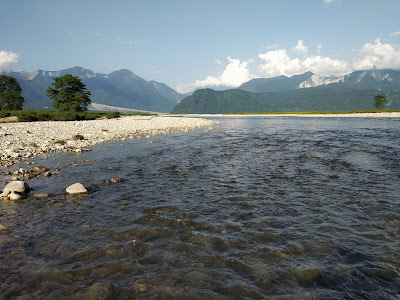
The Dibang River, one of the major rivers of Arunachal Pradesh, flows through the valley and adds to the dramatic beauty of the landscape. The untouched environment and minimal urban development make Anini an ideal destination for nature lovers, photographers, and offbeat travelers.
Trekking and Adventure Experiences
Adventure seekers are increasingly drawn to Anini because of its raw and unexplored trekking routes. Trails leading to villages such as Mipi, Athunli, and nearby highland settlements pass through thick forests, hanging bridges, rocky ridges, and open meadows with breathtaking Himalayan views.
Unlike commercial trekking destinations, the routes around Anini remain largely untouched by mass tourism. Trekkers often encounter hidden waterfalls, remote tribal settlements, and panoramic viewpoints that showcase the rugged beauty of the Eastern Himalayas. Camping beside mountain rivers under star-filled skies is another unforgettable experience in the region.
Wildlife and Biodiversity
The forests surrounding Anini are part of one of the richest biodiversity zones in the Eastern Himalayas. The region is home to several rare and endangered species, making it an important ecological hotspot.
Wildlife enthusiasts may spot animals such as the Mishmi takin, red panda, Himalayan black bear, musk deer, and even the elusive clouded leopard. The area is also a paradise for birdwatchers. Rare Himalayan pheasants, hornbills, laughingthrushes, and colorful mountain birds thrive in the dense forests around the valley.
Because many parts of the region remain unexplored, scientists and conservationists continue to study its unique flora and fauna.
The Culture of the Idu Mishmi Tribe
One of the most fascinating aspects of Anini is the culture of the Idu Mishmi tribe, one of the oldest indigenous communities of Northeast India. The Idu Mishmis are known for their intricate handwoven textiles, traditional attire, spiritual rituals, and deep connection with nature.
Their belief system combines animistic traditions with influences from Tibetan Buddhism. Shamans, locally known as priests, perform sacred chants and rituals that have been preserved through oral traditions for generations. Traditional festivals, folk songs, and dances continue to play an important role in community life.
The tribe is also known for its extensive knowledge of herbal medicine and forest-based healing practices. Due to the region’s historical isolation, many customs and traditions have survived almost unchanged for centuries.
Historical Significance
For much of history, the Dibang Valley region remained cut off from the outside world because of its difficult terrain and harsh climate. This isolation helped preserve the unique identity of the Idu Mishmi people and protected the region’s ecological richness.
Local legends suggest that the Idu Mishmis share ancestral links with communities living across the Tibetan Plateau. The name “Dibang” is believed to originate from the Dri and Talang rivers, which merge to form the powerful Dibang River flowing through the valley.
Today, Anini stands as one of the last truly remote frontiers of India, where traditional lifestyles continue alongside slowly developing modern infrastructure.
Best Things to Do in Anini
Explore Remote Villages
Visiting nearby villages allows travelers to experience traditional tribal life, local cuisine, and handmade crafts. The warm hospitality of the local communities adds a memorable cultural dimension to the journey.
Enjoy Riverside Camping
Camping near the Dibang River is one of the most peaceful experiences in the region. The sound of flowing water, mountain air, and starry skies create a perfect escape from city life.
Go Birdwatching
The forests around Anini attract birdwatchers from across the world because of the region’s incredible avian diversity.
Experience Snowfall
Winter transforms Anini into a snowy paradise. Snow-covered roads, frozen streams, and white mountain landscapes create stunning scenery for photography and nature walks.
Photography and Nature Walks
Every season offers a different visual experience in Anini, from misty monsoon forests to crystal-clear winter skies.
Nearby Attractions Around Anini
Dibang Wildlife Sanctuary
Located near Anini, the vast Dibang Wildlife Sanctuary is one of India’s largest protected areas and a paradise for nature lovers. The sanctuary is home to rare wildlife such as the Mishmi takin, red panda, musk deer, clouded leopard, and numerous Himalayan bird species. Dense forests, alpine meadows, and rugged mountain landscapes make it a rewarding destination for wildlife enthusiasts and trekkers.
Dri Valley
The picturesque Dri Valley is known for its pristine beauty, rolling green slopes, crystal-clear streams, and traditional Idu Mishmi villages. Visitors can enjoy peaceful walks, photography, and an authentic glimpse into the unique culture of the Dibang Valley region.
Mathun Valley
A short journey from Anini leads to the remote and scenic Mathun Valley. Surrounded by snow-clad peaks and untouched forests, the valley offers breathtaking views and opportunities to experience the unspoiled wilderness of northeastern India.
Acheso Lake
Nestled amidst mountains and forests, Acheso Lake is a serene high-altitude lake revered by local communities. The tranquil setting, combined with stunning reflections of surrounding peaks, makes it an excellent spot for nature photography and quiet contemplation.
Mayodia Pass
Situated on the route connecting Roing and Anini, Mayodia Pass is famous for its spectacular mountain scenery and winter snowfall. At an elevation of over 2,600 meters, the pass offers panoramic views of the Eastern Himalayas and is one of the most scenic drives in Arunachal Pradesh.
Roing
The town of Roing serves as the gateway to the Dibang Valley and is known for attractions such as the Bhismaknagar Fort, Mehao Wildlife Sanctuary, and Mehao Lake. Many travelers combine a visit to Anini with a stay in Roing to explore the cultural and natural highlights of Lower Dibang Valley.
How to Reach Anini
Reaching Anini requires patience and planning, but the journey is incredibly scenic.
By Air
The nearest major airport is Dibrugarh. From there, travelers continue by road toward Roing and Hunli before reaching Anini.
By Road
The common route is:
Dibrugarh → Tinsukia → Roing → Hunli → Anini
The drive passes through mountain roads, waterfalls, deep valleys, and dense forests. Road conditions can vary depending on the season.
By Helicopter
Helicopter services operated under regional connectivity programs occasionally connect Anini with Roing and Itanagar, though flights are heavily dependent on weather conditions.
Best Time to Visit
October to April
This is considered the best time to visit Anini. The skies remain clear, temperatures are pleasant, and the mountain views are spectacular. Winter months also bring snowfall to higher areas.
May to September
The monsoon season turns the valley lush green and vibrant, but heavy rainfall often leads to landslides and roadblocks. Travel during this time can be challenging.
Google Maps
FAQs
Is Anini safe for tourists?
Yes, Anini is generally considered safe for travelers. The local communities are friendly and welcoming. However, due to its remote location, travelers should plan carefully and stay updated on road and weather conditions.
Do travelers need permits to visit Anini?
Yes. Indian tourists usually require an Inner Line Permit (ILP) to enter Arunachal Pradesh, while foreign nationals need a Protected Area Permit (PAP).
Is there snowfall in Anini?
Yes, snowfall occurs during winter, especially from December to February, making the region exceptionally scenic.
What is Anini famous for?
Anini is famous for its untouched Himalayan landscapes, Idu Mishmi tribal culture, remote wilderness, and rich biodiversity.
Are there hotels and restaurants in Anini?
Basic hotels, guesthouses, and local eateries are available, though facilities are limited compared to mainstream tourist destinations.
Can beginners visit Anini?
Yes, but travelers should be prepared for long journeys, unpredictable weather, and limited connectivity. It is best suited for people who enjoy nature, adventure, and remote travel experiences.
Is mobile network available in Anini?
Mobile connectivity is limited and can be unreliable in many areas. Internet access is also slow or unavailable in some parts of the valley.
Why is Anini considered an offbeat destination?
Its remote location, difficult accessibility, and untouched natural beauty have kept Anini away from mass tourism, making it one of the most peaceful and unexplored destinations in Northeast India.