Image Source: Neelanjana234
About Sangti Valley
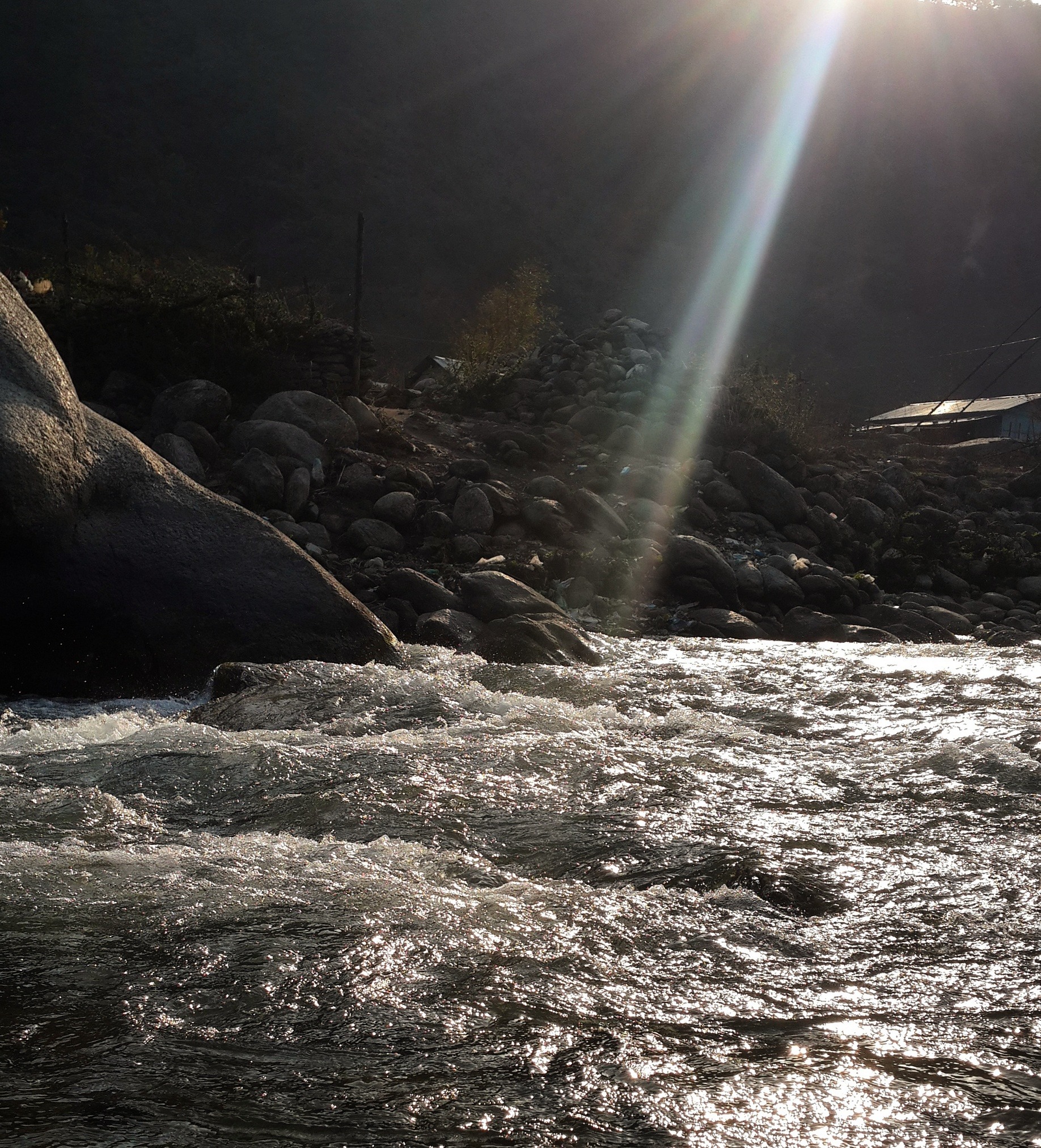
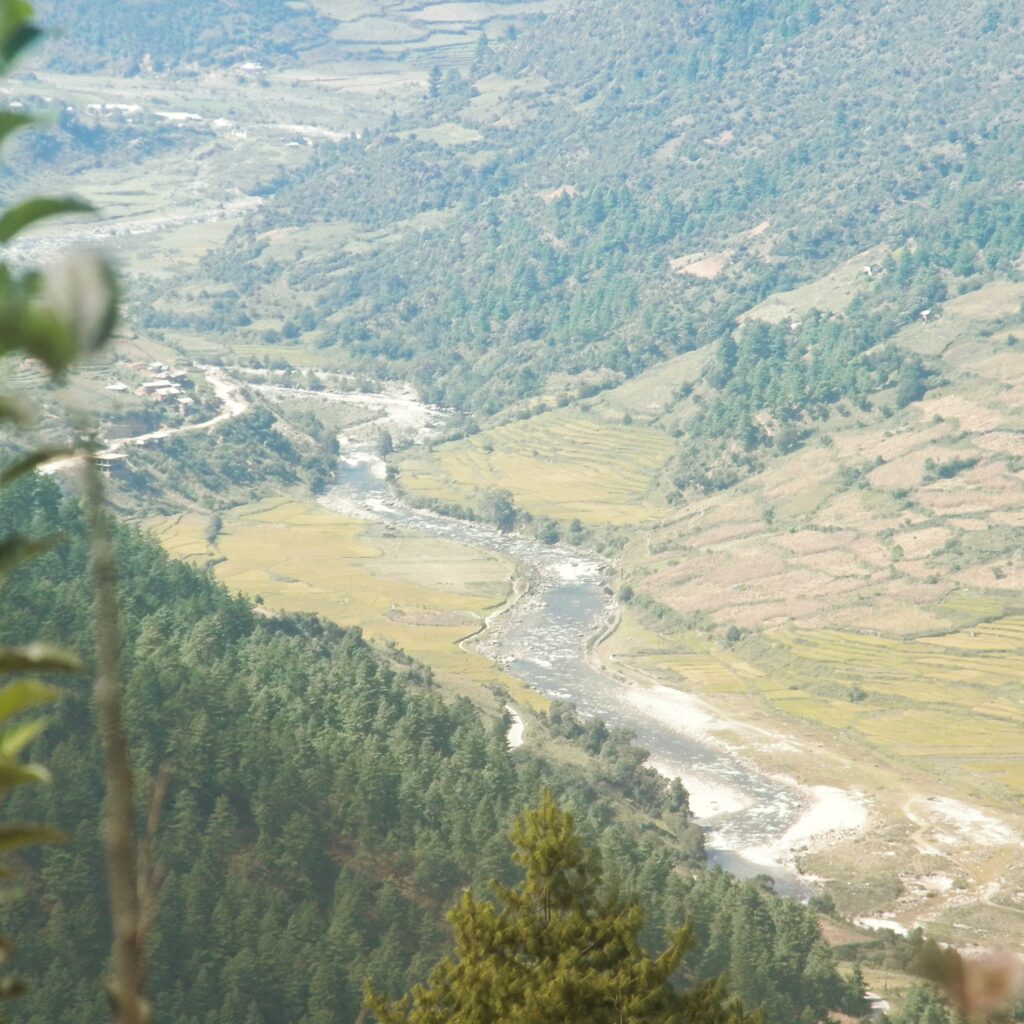
Tucked away near the charming town of Dirang in the West Kameng district of Arunachal Pradesh, Sangti Valley is one of those rare Himalayan destinations that still feels untouched and peaceful. Surrounded by rolling grasslands, pine-covered hills, apple orchards, and distant snow-clad mountains, the valley offers a refreshing escape from crowded tourist spots. Flowing gently through the valley, the Sangti River adds to the serene atmosphere, creating postcard-like scenery in every direction.
Situated at an altitude of around 2,500 metres (8,200 feet), Sangti Valley is known for its cool climate, fresh mountain air, and quiet natural beauty. Unlike many commercial hill stations, Sangti has retained its rustic charm and traditional way of life. The valley is especially loved by travellers who enjoy nature, slow travel, photography, and authentic cultural experiences. Whether you are sitting beside the river, walking through Monpa villages, or watching clouds drift across the mountains, Sangti Valley offers a sense of calm that is hard to find elsewhere.
Natural Beauty and Landscape
One of the most striking features of Sangti Valley is its breathtaking landscape. Wide open meadows stretch across the valley floor, while dense forests of pine and rhododendron cover the surrounding hills. During spring, the region becomes even more beautiful as colorful wildflowers bloom across the slopes. In winter, the nearby mountain peaks are often dusted with snow, creating dramatic Himalayan views.
The valley also has several small streams, wooden bridges, and traditional houses that add to its scenic appeal. Early mornings in Sangti are particularly magical, with mist floating over the fields and prayer flags fluttering in the mountain breeze. The peaceful surroundings make it an ideal place for relaxation, meditation, and reconnecting with nature.
Wildlife and Birdwatching
Sangti Valley is a paradise for birdwatchers and wildlife enthusiasts. The valley is best known as the winter habitat of the rare and endangered Black-necked Crane, a bird considered sacred in many Himalayan Buddhist communities. These majestic birds migrate from the Tibetan Plateau and usually arrive in the valley between November and February. Watching them glide gracefully across the valley is one of the most memorable experiences for visitors.
Apart from the Black-necked Crane, the region is home to several Himalayan bird species, including the Himalayan monal, blood pheasant, wagtails, and various migratory birds. The forests around Sangti also support small mammals and rich alpine biodiversity, making the valley an important ecological zone in the Eastern Himalayas.
Trekking and Outdoor Experiences
For adventure lovers and nature enthusiasts, Sangti Valley offers plenty of opportunities for trekking, hiking, and leisurely walks. Gentle trails pass through pine forests, riverside paths, and remote Monpa settlements, allowing travellers to explore the valley at a relaxed pace. Unlike crowded trekking destinations, the routes around Sangti remain peaceful and less commercialized.
Walking through the valley gives visitors a chance to observe traditional farming practices, grazing yaks, and local village life. Short hikes to nearby viewpoints reward travellers with panoramic views of the Himalayas and the lush Dirang region. Camping near the river under clear mountain skies is another unforgettable experience for those who enjoy outdoor travel.
Monpa Culture and Local Life
Sangti Valley is primarily inhabited by the Monpa community, one of the major Buddhist tribes of Arunachal Pradesh. The Monpas are known for their warm hospitality, colorful traditional attire, and deep spiritual traditions. Visiting the valley offers travellers a unique opportunity to experience authentic Himalayan culture away from urban influences.
The local villages are dotted with prayer wheels, Buddhist flags, and traditional wooden homes. Many families still practice age-old customs, weaving, and handicrafts that have been passed down through generations. Visitors can also enjoy local Monpa cuisine, which includes dishes made from yak products, barley, and locally grown vegetables.
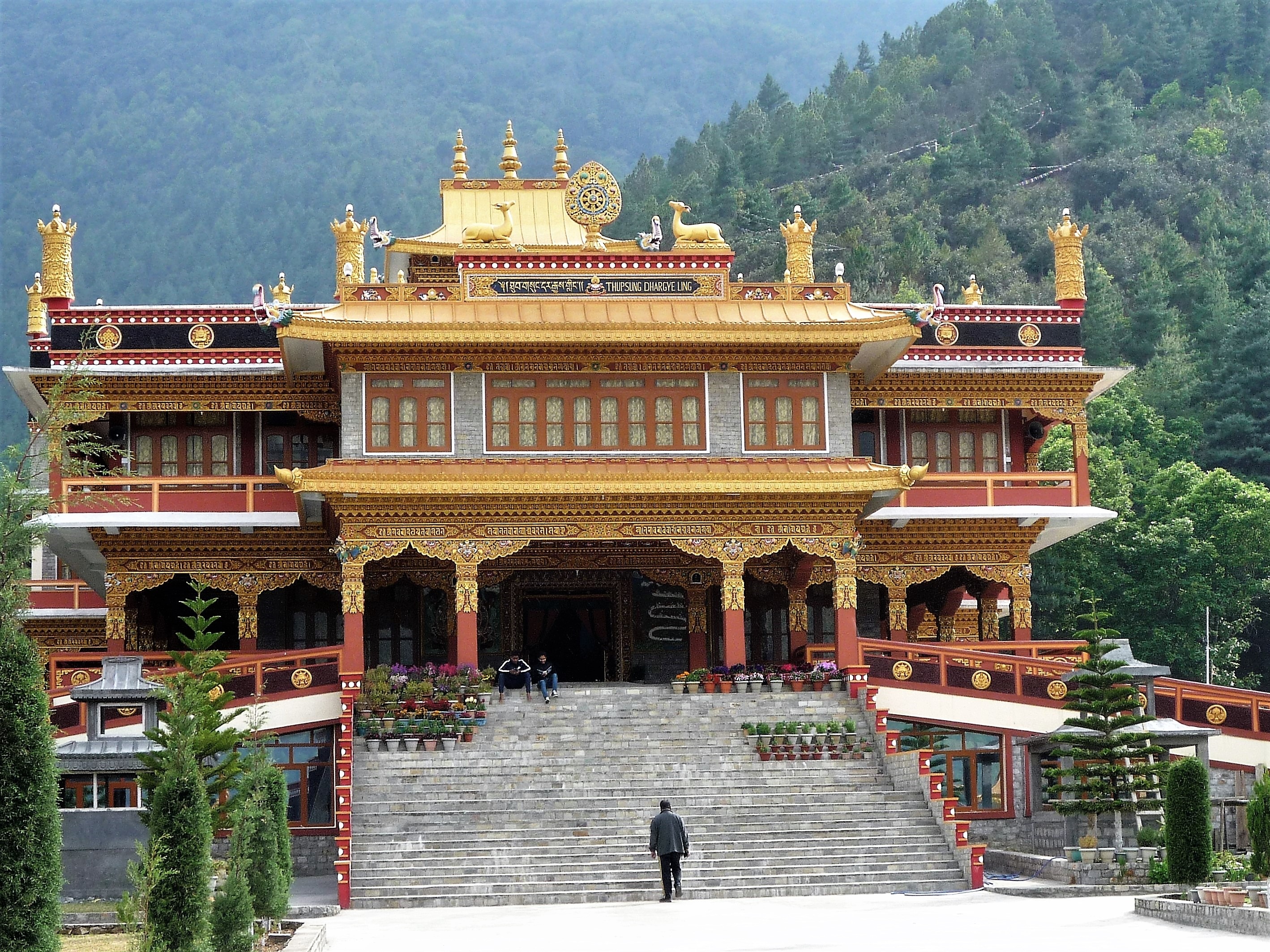
Nearby monasteries, including the famous Dirang Gompa, further enrich the cultural atmosphere of the region. The sound of monks chanting prayers and the sight of ancient Buddhist architecture create a deeply spiritual environment.
Festivals and Celebrations
Festivals in Sangti Valley are vibrant and deeply rooted in Buddhist traditions. One of the most important celebrations is Losar, the Tibetan New Year, which is celebrated with traditional dances, folk music, prayers, and community feasts. During the festival, villages come alive with colorful decorations, masked performances, and cultural gatherings.
These celebrations provide visitors with a glimpse into the rich spiritual and social life of the Monpa people. Traditional festivals also strengthen community bonds and preserve the cultural identity of the region.
Photography Opportunities
Sangti Valley is a dream destination for photographers. Every season transforms the landscape into a different visual experience. Winter offers snowy mountain backdrops and sightings of Black-necked Cranes, while spring and summer bring lush greenery and vibrant flowers.
The valley’s dramatic skies, wooden houses, prayer flags, rivers, and mountain scenery provide endless opportunities for landscape and cultural photography. Sunrise and sunset are especially beautiful, with golden light illuminating the valley and surrounding peaks.
How to Reach Sangti Valley
By Air
The nearest airport is in Tezpur, located approximately 125 km from Sangti Valley. From Tezpur, travellers can hire taxis or continue the journey by road toward Dirang and Sangti.
By Road
Sangti Valley is accessible via Dirang town, which lies along the Trans-Arunachal Highway (National Highway 13). The drive itself is incredibly scenic, passing through winding mountain roads, forests, waterfalls, and river valleys.
By Bus and Taxi
Regular buses and shared taxis operate from places like Itanagar, Tezpur, and nearby towns to Dirang. From Dirang, local taxis can take visitors to Sangti Valley within a short drive.
Nearby Attractions of Sangti Valley
Nestled along the banks of the Sangti River near Dirang in West Kameng district, Sangti Valley is one of Arunachal Pradesh’s most picturesque destinations. Surrounded by snow-capped mountains, pine forests, traditional villages, and lush meadows, the valley is renowned for its tranquil atmosphere, rich biodiversity, and seasonal visits by rare black-necked cranes. Visitors exploring Sangti Valley can also discover several nearby attractions that highlight the natural beauty and cultural heritage of the Eastern Himalayas.
1. Dirang
Located just a few kilometers from Sangti Valley, Dirang is known for its pleasant climate, traditional Monpa culture, scenic landscapes, and charming riverside setting. It serves as the main gateway to the valley and offers numerous accommodation options.
2. Dirang Dzong
This historic fortified village is believed to be several centuries old and showcases traditional stone architecture, narrow pathways, and cultural heritage of the Monpa community. The dzong offers spectacular views of the surrounding valley.
3. Dirang Hot Water Spring
Situated near Dirang, these natural hot springs are popular among travelers seeking relaxation. The mineral-rich waters are believed by locals to have therapeutic properties.
4. National Research Centre on Yak
This unique research facility is dedicated to yak breeding and conservation. Visitors can learn about the importance of yaks in Himalayan communities and observe these iconic mountain animals.
5. Mandala Top
One of the most scenic viewpoints in the region, Mandala Top is famous for its 108 Buddhist stupas and panoramic views of the Himalayan ranges. Sunrise and sunset views from here are particularly breathtaking.
6. Kalachakra Monastery
A beautiful Buddhist monastery overlooking the valley, Kalachakra Monastery offers a peaceful spiritual atmosphere, colorful murals, and magnificent mountain vistas.
7. Thembang Heritage Village
Recognized for its historical and cultural significance, Thembang is a fortified Monpa settlement featuring traditional architecture, ancient fortifications, and rich local traditions.
8. Bomdila Monastery
Located about 40 km away, this prominent monastery is one of the region’s most important spiritual centers. Visitors can admire its traditional architecture and serene surroundings.
9. Bomdila View Point
This viewpoint offers sweeping views of the Himalayan landscape and surrounding valleys, making it a favorite destination for photographers and nature enthusiasts.
10. Eaglenest Wildlife Sanctuary
Globally renowned for birdwatching, Eaglenest Wildlife Sanctuary is home to hundreds of bird species, including many rare and endemic Himalayan birds. It is a paradise for wildlife enthusiasts.
Best Time to Visit
October to April
This is considered the best time to visit Sangti Valley. The weather remains cool and pleasant, skies stay mostly clear, and the valley becomes ideal for sightseeing, trekking, photography, and birdwatching. Winter months are especially popular because of the arrival of the Black-necked Cranes.
May to September
The monsoon season transforms the valley into a lush green paradise. While the scenery becomes incredibly beautiful, heavy rainfall can occasionally lead to landslides and travel disruptions. Travellers visiting during this period should check road conditions in advance.
Things to Keep in Mind
- Carry warm clothing throughout the year, especially during evenings and winter months.
- Mobile connectivity and internet services may be limited in some parts of the valley.
- Respect local customs, monasteries, and cultural traditions while visiting villages.
- Avoid littering and help preserve the fragile Himalayan environment.
- Inner Line Permit (ILP) is required for Indian tourists visiting Arunachal Pradesh.
Google Maps
FAQs
Why is Sangti Valley famous?
Sangti Valley is famous for its untouched Himalayan beauty, peaceful landscapes, Monpa culture, and as a winter habitat for the endangered Black-necked Crane.
Is Sangti Valley suitable for family trips?
Yes, Sangti Valley is ideal for families, couples, solo travellers, and nature lovers looking for a peaceful mountain destination.
Can tourists see Black-necked Cranes in Sangti Valley?
Yes, Black-necked Cranes usually visit the valley during winter, mainly between November and February.
How far is Sangti Valley from Dirang?
Sangti Valley is located around 15 km from Dirang town and can be reached easily by local taxi or private vehicle.
Are there accommodation options in Sangti Valley?
Yes, visitors can find homestays, guesthouses, and eco-resorts in and around Sangti Valley and Dirang.
Is Sangti Valley safe for tourists?
Sangti Valley is generally considered very safe for tourists. The local people are friendly and welcoming, and the region experiences low crime rates.
What permits are required to visit Sangti Valley?
Indian tourists need an Inner Line Permit (ILP) to enter Arunachal Pradesh, while foreign nationals require a Protected Area Permit (PAP).
What are the best activities in Sangti Valley?
Popular activities include birdwatching, trekking, photography, camping, cultural exploration, and enjoying peaceful riverside walks.