Image Source: Partha Ghosh
About Thupsung Dhargye Ling Monastery
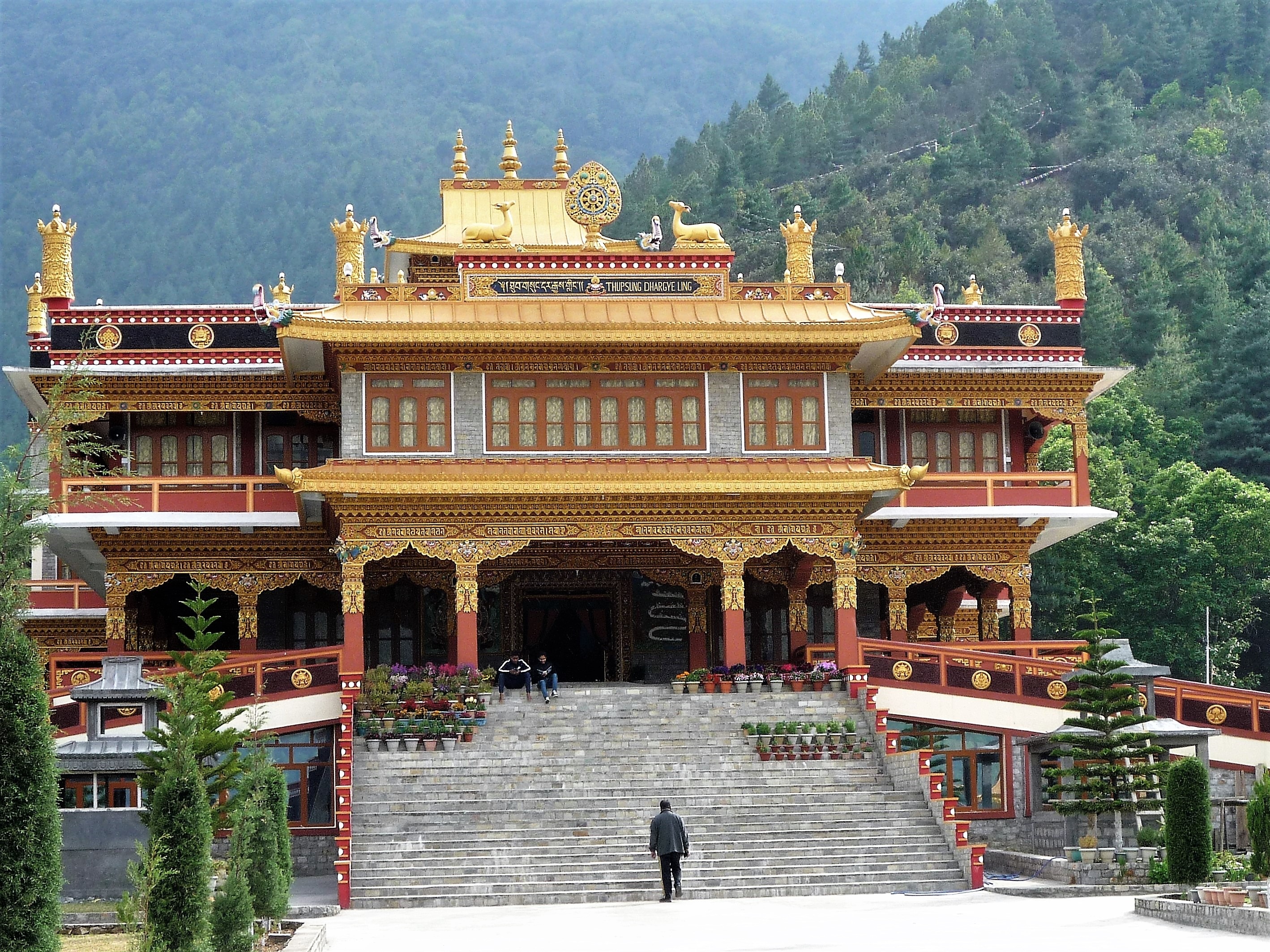
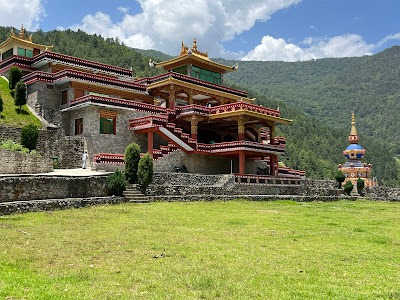
Perched on a hilltop overlooking the Dirang Valley in West Kameng district, Thupsung Dhargye Ling Monastery is not just a place of worship — it is a centre for learning that blends monastic life with modern education.
Inaugurated in 2017 by His Holiness the 14th Dalai Lama, the monastery belongs to the Gelug school of Tibetan Buddhism and is envisioned as a place where monks, laypeople, and visitors can study Buddhist philosophy, language, and culture while enjoying the breathtaking Himalayan backdrop.
The name “Thupsung Dhargye Ling” means Place of Flourishing of the Buddha’s Speech, reflecting its mission to keep Buddhist teachings alive and thriving.
History & Significance
Unlike centuries-old monasteries of the region, Thupsung Dhargye Ling is a modern marvel built with traditional aesthetics. It was established under the guidance of Thupten Rinpoche, abbot of the Tawang Monastery, with strong community support from Dirang’s Monpa population.
The monastery’s founding was deeply symbolic — a gesture to create a space where Buddhism could meet contemporary needs, acting as both a monastery and a school for the wider public.
Its construction also symbolizes cultural preservation in Arunachal Pradesh, ensuring younger generations can access Buddhist wisdom in their native land without having to travel to distant centers in Tibet or Nepal.
Architecture & Design
Main Prayer Hall: Houses a large golden statue of Shakyamuni Buddha surrounded by statues of Tsongkhapa (founder of the Gelug school) and other revered masters.
Art & Murals: Vibrant wall paintings depict Jataka tales (stories of Buddha’s past lives), mandalas, and teachings from the Buddhist canon.
Educational Wing: Classrooms and seminar halls where both monks and laypeople study Tibetan, English, Buddhist philosophy, and meditation practices.
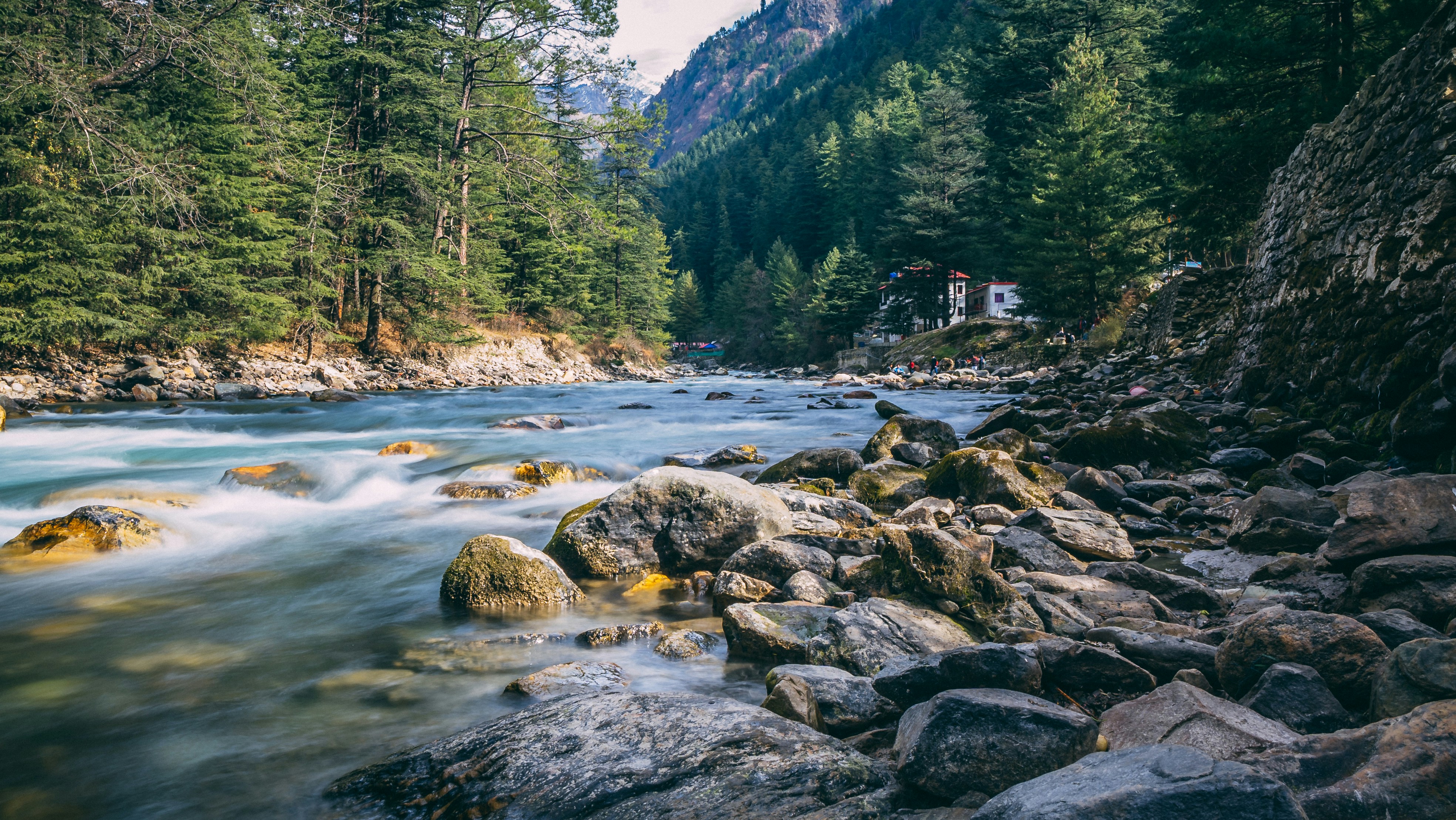
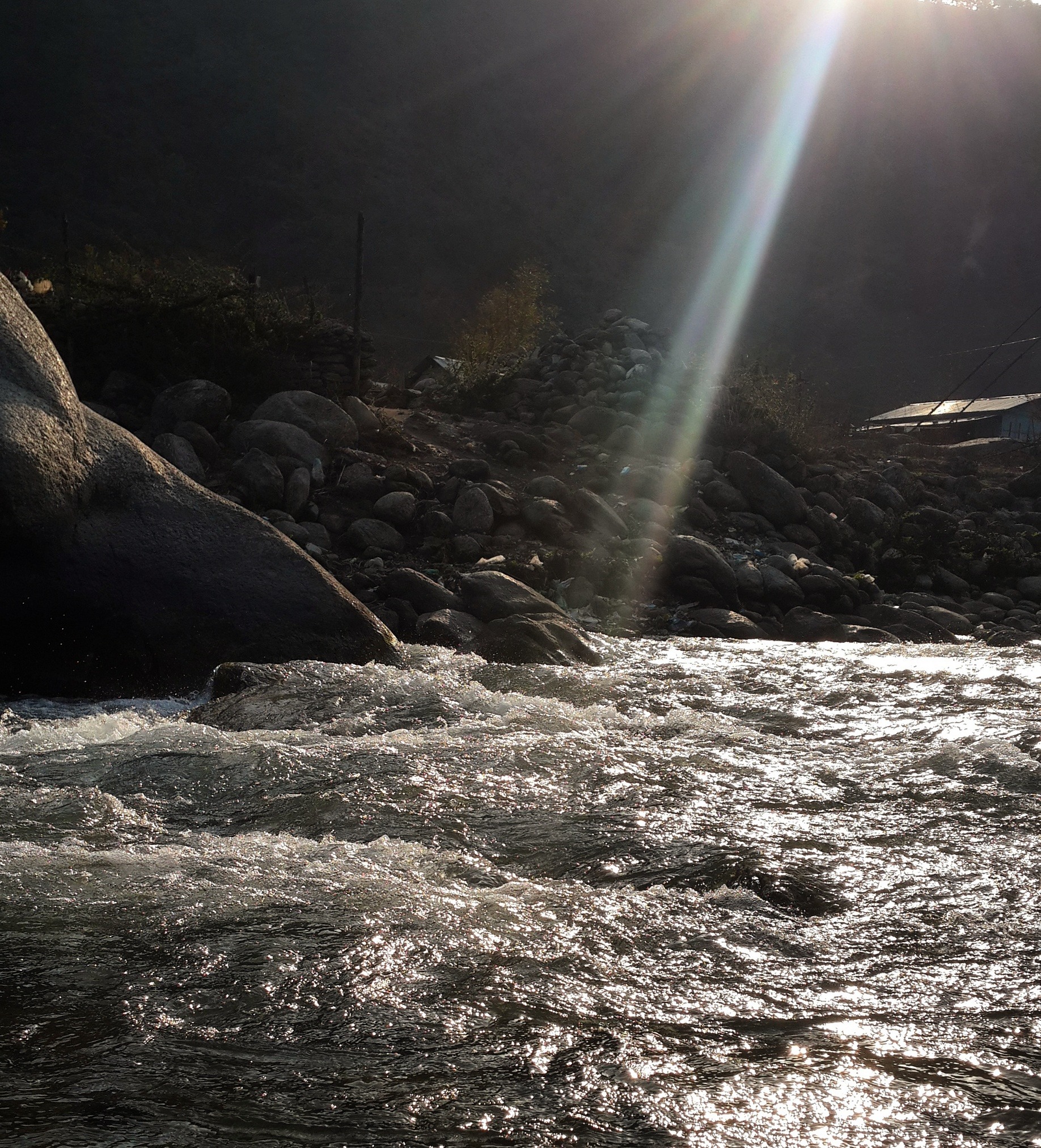
Panoramic Views: From the courtyard, the Dirang River snakes through green valleys, with snow-lined ridges in the distance.
Unique Experiences
Attend philosophy lectures open to visitors, where monks explain Buddhist concepts in simple terms.
Join early morning prayers and feel the powerful hum of monastic chanting.
Observe the monastery’s role as a cultural bridge — teaching not only Buddhist scripture but also science and modern subjects.
Enjoy the contrast of ancient rituals being practiced in a fresh, airy, and brightly lit modern structure.
How to Reach
By Road: Dirang is well connected by road on the Guwahati–Tawang highway. The monastery is a short uphill drive from the main Dirang market.
By Air: The nearest airport is Tezpur Airport in Assam, followed by a 6–7 hour road journey.
By Rail: Nearest railway station is Rangapara North (Assam). From there, shared taxis and buses head towards Dirang.
Nearby Attractions
1. Sangti Valley
One of the most picturesque valleys in Arunachal Pradesh, Sangti Valley is famous for its green meadows, crystal-clear river, traditional villages, and seasonal visits by rare black-necked cranes. The valley offers excellent opportunities for photography, birdwatching, and nature walks.
2. Dirang Dzong
This centuries-old fortified settlement showcases traditional Monpa architecture and provides insight into the cultural heritage of the region. Narrow stone pathways and historic buildings make it a fascinating place to explore.
3. Dirang
The charming hill town of Dirang is known for its pleasant climate, apple orchards, local markets, and beautiful mountain scenery. It serves as the gateway to several attractions in West Kameng district.
4. Mandala Top
Famous for its 108 Buddhist stupas and breathtaking Himalayan views, Mandala Top is one of the most scenic viewpoints in the region. It is especially popular during sunrise and sunset.
5. Thembang Heritage Village
A fortified heritage village recognized for its cultural significance, Thembang offers visitors a chance to experience traditional Monpa life, ancient architecture, and stunning mountain landscapes.
6. Dirang Hot Water Spring
Located near the banks of the Dirang River, these natural hot springs are a popular relaxation spot for travelers exploring the valley.
7. National Research Centre on Yak
This unique research facility is dedicated to yak breeding and conservation. Visitors can learn about the importance of yaks in the Himalayan ecosystem and local culture.
Google Maps
FAQs
1. Where is Thupsung Dhargye Ling Monastery located?
Thupsung Dhargye Ling Monastery is located in Dirang town in the West Kameng district of Arunachal Pradesh, India. It sits on a hill overlooking the beautiful Dirang Valley and offers panoramic views of the surrounding Himalayan landscape.
2. Why is Thupsung Dhargye Ling Monastery famous?
The monastery is famous for its stunning Tibetan-style architecture, large prayer hall, giant prayer wheel, colorful murals, peaceful atmosphere, and spectacular views of Dirang Valley. It is also an important center for Buddhist learning and meditation.
3. Who inaugurated the monastery?
The monastery was inaugurated by His Holiness Tenzin Gyatso in 2017, making it one of the significant Buddhist institutions in the region.
4. What is the best time to visit Thupsung Dhargye Ling Monastery?
The best time to visit is from March to June and September to November when the weather is pleasant, skies are clear, and the surrounding mountains offer excellent visibility.
5. Is there an entry fee for visiting the monastery?
Generally, visitors can enter the monastery free of charge. However, donations for the upkeep of the monastery are welcome.
6. How much time is needed to explore the monastery?
Most visitors spend between one and two hours exploring the monastery, admiring the architecture, attending prayers, and enjoying the scenic viewpoints.
7. Can tourists attend prayer sessions?
Yes, visitors are usually allowed to observe prayer sessions, provided they maintain silence and respect the monastery’s rules and traditions.
8. What are the major attractions inside the monastery?
The monastery features a magnificent prayer hall, Buddhist statues, colorful murals, prayer wheels, meditation areas, beautifully landscaped grounds, and viewpoints overlooking the valley.
9. Is photography allowed inside the monastery?
Photography is generally permitted in outdoor areas, but restrictions may apply inside prayer halls and sacred sections. Visitors should seek permission before taking photographs indoors.
10. Is the monastery suitable for family visits?
Yes, the monastery is an excellent destination for families, spiritual travelers, photographers, and anyone interested in Buddhist culture and Himalayan landscapes.