Image Source: Niker Diru
About Tato Village
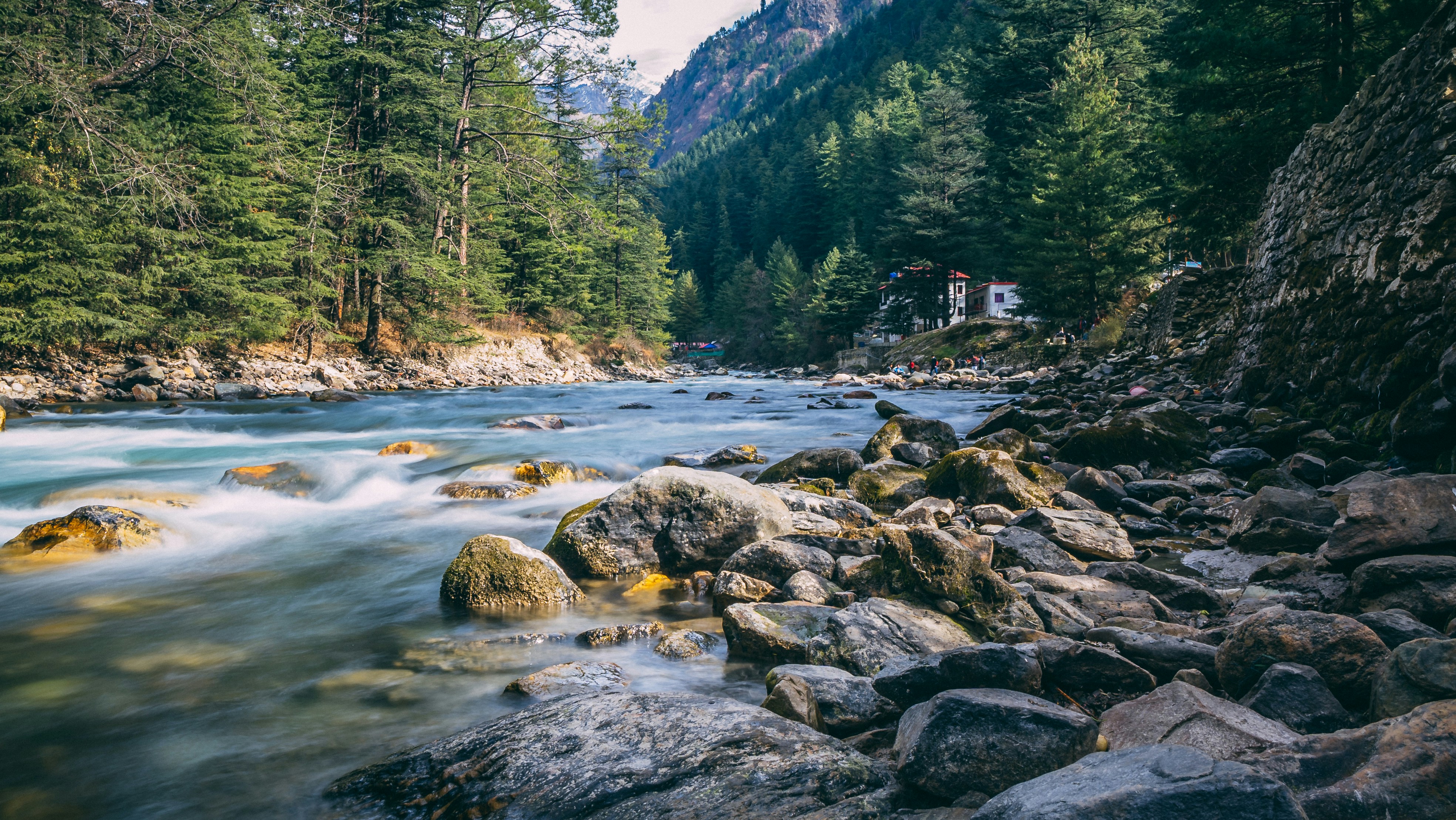
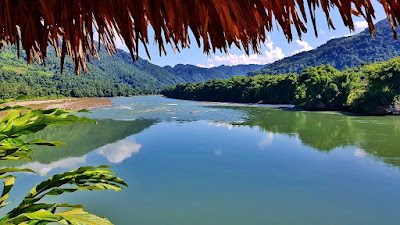
Nestled in the scenic West Siang district of Arunachal Pradesh, Tato Village is one of those rare destinations that still feels untouched by mass tourism. Surrounded by the rolling hills of the Eastern Himalayas, this peaceful village offers a refreshing escape from crowded tourist spots and fast-paced city life. Tato is best known for its iconic hanging bridge stretching gracefully over the crystal-clear Siyom River, creating a picture-perfect setting that attracts travellers, photographers, and nature lovers alike.
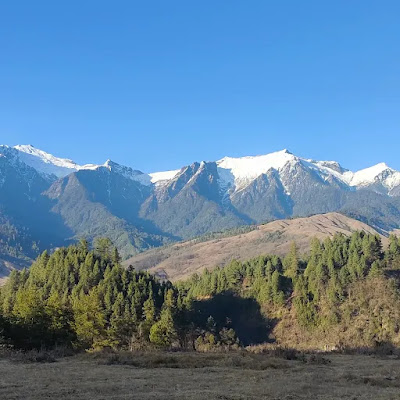
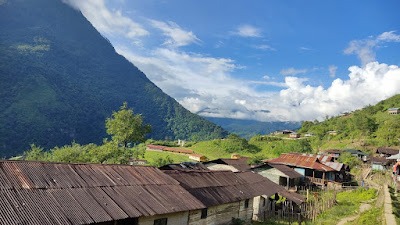
What makes Tato truly special is not just its striking landscape but the sense of calm that surrounds the village. Here, life moves at a gentler rhythm. Visitors can soak in fresh mountain air, admire lush green surroundings, and experience a way of life deeply rooted in tradition and nature. With terraced fields, forested slopes, and winding trails all around, Tato combines natural beauty with the warmth and hospitality of its local communities.
A Peaceful Village Experience
Walking through Tato feels like stepping into a slower, more grounded world. The village is dotted with neatly maintained bamboo houses topped with sloping roofs designed to suit the hilly terrain and seasonal weather. Small vegetable gardens flourish beside homes, while fields of maize and paddy stretch across the landscape, reflecting the agricultural lifestyle of the community.
Mornings in Tato are especially memorable. A soft mist often rises from the Siyom River, while birdsong and the distant call of roosters echo through the hills. The cool mountain breeze and quiet atmosphere create an ideal environment for relaxation and reflection.
For travellers who enjoy exploring on foot, Tato offers several short hikes and nature walks. Trails leading from the village reveal breathtaking viewpoints overlooking the Siyom River and surrounding valleys. These routes are particularly rewarding for photographers, offering endless opportunities to capture dramatic landscapes, changing light, and authentic rural scenes.
Culture and Local Life
Tato is home primarily to the Adi and Galo tribes, two indigenous communities known for their strong cultural identity and close connection with nature. Their traditions, passed down over generations, remain an important part of daily life and add a rich cultural dimension to any visit.
The villagers are respected for their weaving skills, farming knowledge, and vibrant festivals that celebrate community life and seasonal cycles. Traditional handwoven textiles, often featuring intricate patterns and bright colours, showcase remarkable craftsmanship and reflect local heritage.
Hospitality is another defining feature of village life. Visitors may have the opportunity to share traditional meals prepared with locally grown ingredients. Popular dishes include smoked pork, bamboo shoot curry, and apong, a traditional rice beer enjoyed during gatherings and celebrations. These culinary experiences provide a deeper understanding of local customs and the region’s agricultural traditions.
The Iconic Hanging Bridge
One of Tato Village’s most recognised landmarks is its hanging bridge over the Siyom River. More than just a crossing point, the bridge carries cultural and historical significance for the local people.
Constructed using indigenous building techniques developed over generations, the bridge demonstrates the ingenuity and adaptability of the community. Built to coexist with the surrounding environment rather than overpower it, the structure reflects a sustainable approach to living in harmony with nature.
Crossing the bridge can be both thrilling and memorable. As it gently sways above the flowing river below, visitors are rewarded with panoramic views of the surrounding mountains and river valley, making it one of the most photographed spots in the area.
Things to Do in Tato Village
Although Tato is a quiet destination, it offers several rewarding experiences for travellers seeking nature, culture, and relaxation.
Nature Walks and Hiking
Explore village trails, hillside paths, and scenic viewpoints overlooking the Siyom River and Himalayan landscape.
Photography
The dramatic scenery, hanging bridge, river reflections, and traditional village life provide excellent photography opportunities throughout the day.
Cultural Interaction
Meeting local families and learning about tribal customs, weaving practices, and agricultural traditions can be one of the most meaningful aspects of visiting Tato.
Riverside Relaxation
The Siyom River creates peaceful spaces where visitors can simply sit, enjoy the scenery, and appreciate the tranquillity of the region.
How to Reach Tato Village
Reaching Tato involves a combination of air, rail, and road travel, but the journey itself is part of the adventure.
By Air
The nearest airport is Pasighat, which is connected to Guwahati by regional flights. From Pasighat, travellers continue by road through Aalo and surrounding mountain routes to reach Tato.
By Rail
Murkongselek Railway Station in Assam is the nearest railhead. From there, road transport connects travellers to Pasighat and onward to Tato.
By Road
Tato is accessible from Aalo through a scenic mountain drive. The route passes rivers, forests, and small rural settlements, offering numerous opportunities to stop and admire the landscape along the way. While roads have improved over time, travellers should be prepared for winding mountain stretches and changing weather conditions.
Best Time to Visit
The ideal time to visit Tato Village is between October and April, when the weather remains cool and pleasant. During these months, clear skies and comfortable temperatures make sightseeing, hiking, and photography particularly enjoyable.
The monsoon season from June to September transforms the region into a lush green paradise. However, heavy rainfall can make roads slippery and bridge crossings more challenging. Travellers planning a monsoon visit should check weather and road conditions in advance.
Why Visit Tato Village?
Tato is not a destination built around luxury or commercial attractions. Instead, its charm lies in authenticity. It offers travellers an opportunity to disconnect from noise and reconnect with nature, local culture, and a slower pace of life. Whether you are drawn by the dramatic hanging bridge, the Himalayan scenery, or the chance to experience tribal hospitality, Tato leaves visitors with memories that feel both peaceful and deeply personal.
Google Maps
FAQs
1. Where is Tato Village located?
Tato Village is located in the West Siang district of Arunachal Pradesh in northeastern India, surrounded by Himalayan landscapes and the Siyom River.
2. Why is Tato Village famous?
Tato is famous for its scenic hanging bridge over the Siyom River, peaceful natural surroundings, and the traditional culture of the Adi and Galo tribes.
3. Is Tato Village suitable for family travel?
Yes. Tato is suitable for families, nature enthusiasts, and travellers looking for peaceful rural experiences. However, road travel may be lengthy and mountainous.
4. How many days are enough to explore Tato?
A stay of two to three days is usually enough to enjoy the village, explore nearby viewpoints, and experience local culture at a relaxed pace.
5. Are there accommodation options in Tato?
Basic guesthouses and homestays may be available, offering simple but authentic experiences. Facilities are generally modest compared to larger tourist destinations.
6. Is a permit required to visit Tato Village?
Indian travellers visiting Arunachal Pradesh generally require an Inner Line Permit (ILP), while foreign nationals need a Protected Area Permit (PAP). It is advisable to check the latest travel regulations before planning a visit.
7. What should visitors pack for Tato?
Comfortable walking shoes, warm clothing for cooler months, rain protection during monsoon season, and basic travel essentials are recommended.
8. Is Tato Village crowded with tourists?
No. Tato remains an offbeat destination and is ideal for travellers seeking peaceful surroundings and authentic cultural experiences away from heavy tourist crowds.