Image Source: Debraj Deb
About Assam State Zoo
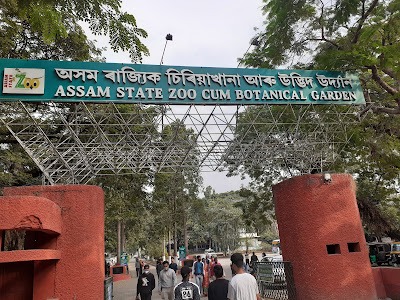
Nestled within the lush greenery of the Hengrabari Reserve Forest, the Assam State Zoo Cum Botanical Garden is one of the most popular attractions in Guwahati and the largest zoo in Northeast India. Established in 1957, this sprawling wildlife park is often called the “Green Lung of Guwahati” because of its dense forest cover and refreshing natural environment. Spread across a vast area filled with trees, walking trails, and landscaped gardens, the zoo offers visitors a peaceful escape from the city’s busy atmosphere while introducing them to the rich biodiversity of the region.
The zoo is not just a recreational spot but also an important center for wildlife conservation, environmental awareness, and botanical research. Families, students, wildlife enthusiasts, and tourists regularly visit the zoo to explore its diverse collection of animals and plants while enjoying the calm surroundings.
Wildlife and Major Attractions
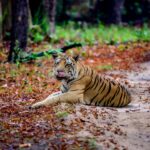
One of the biggest highlights of the Assam State Zoo is its impressive collection of wildlife species from India and different parts of the world. The zoo is home to more than 100 species of mammals, birds, and reptiles, including several rare and endangered animals. Visitors can spot iconic species such as the Indian one-horned rhinoceros, white tiger, royal Bengal tiger, clouded leopard, swamp deer, hoolock gibbon, Himalayan black bear, elephants, leopards, and golden langurs.
The zoo has well-maintained enclosures designed to resemble the animals’ natural habitats as closely as possible. Wide walking paths lined with greenery connect different sections of the zoo, making the experience both comfortable and scenic. There are also dedicated aviaries filled with colorful birds, reptile houses showcasing snakes and crocodiles, and special sections for migratory species.
Another major attraction is the adjoining Botanical Garden, which adds a refreshing touch to the overall experience. Nature lovers can explore a fascinating collection of orchids, medicinal plants, ornamental flowers, bamboo species, and exotic trees. The garden is especially popular among botany students and photography enthusiasts.
A Center for Conservation and Education
Beyond its role as a tourist destination, the Assam State Zoo plays a vital role in wildlife conservation and environmental education. The zoo regularly conducts awareness programs, educational tours, and research activities for school students, researchers, and wildlife enthusiasts. These programs help visitors understand the importance of protecting endangered species and preserving natural ecosystems.
The zoo also participates in breeding and conservation initiatives for vulnerable species native to Northeast India. Informative display boards placed throughout the park provide details about animal behavior, habitat, and conservation status, making every visit both educational and enjoyable.
Best Time to Visit
The best time to visit the Assam State Zoo is between October and April, when the weather in Guwahati remains pleasant and suitable for walking around the large campus. During the winter months, animals are generally more active, allowing visitors to enjoy better sightings.
Early mornings are considered the ideal time for a visit, as the environment feels cooler and quieter. Weekdays are less crowded compared to weekends and holidays, making the experience more relaxed.
Visitor Facilities
The zoo is designed to provide a comfortable experience for visitors of all age groups. Resting areas, shaded benches, food stalls, drinking water facilities, and clean walking paths are available throughout the campus. Interpretation boards and direction signs help visitors navigate the zoo easily.
Photography is allowed in most areas, making it a great destination for wildlife and nature photography. The green surroundings and peaceful atmosphere also make it a favorite picnic and family outing spot in Guwahati.
How to Reach
The Assam State Zoo is located on RG Baruah Road in Guwahati, approximately 5 km from Paltan Bazaar, the city center. It is easily accessible from all major parts of the city.
The nearest railway station is Guwahati Railway Station, situated around 6 km away. The nearest airport is Lokpriya Gopinath Bordoloi International Airport, located about 25 km from the zoo. Visitors can conveniently reach the zoo by taxis, auto-rickshaws, city buses, or app-based cab services.
Because of its central location and easy connectivity, the zoo is often included in most Guwahati sightseeing itineraries.
Google Maps
FAQs
1. Why is Assam State Zoo famous?
The Assam State Zoo is famous for being the largest zoo in Northeast India and for housing rare species such as the one-horned rhinoceros, white tiger, clouded leopard, and hoolock gibbon.
2. Where is Assam State Zoo located?
It is located on RG Baruah Road in Guwahati, Assam, within the Hengrabari Reserve Forest area.
3. What are the main attractions inside the zoo?
Major attractions include white tigers, one-horned rhinoceroses, golden langurs, clouded leopards, reptile houses, aviaries, and the Botanical Garden.
4. What is the best time to visit Assam State Zoo?
The best time to visit is from October to April when the weather is pleasant and ideal for exploring the zoo.
5. How much time is needed to explore the zoo?
Visitors usually need around 2 to 4 hours to comfortably explore the zoo and botanical garden.
6. Is the zoo suitable for children and families?
Yes, the zoo is an excellent destination for families and children due to its educational value, open spaces, and variety of animals.
7. Are food and rest facilities available inside the zoo?
Yes, the zoo has food stalls, resting areas, drinking water facilities, and shaded seating spaces for visitors.
8. Can visitors take photographs inside the zoo?
Yes, photography is generally allowed, making it a popular spot for wildlife and nature photography.