Image Source: Soman
About Rudrasagar Lake
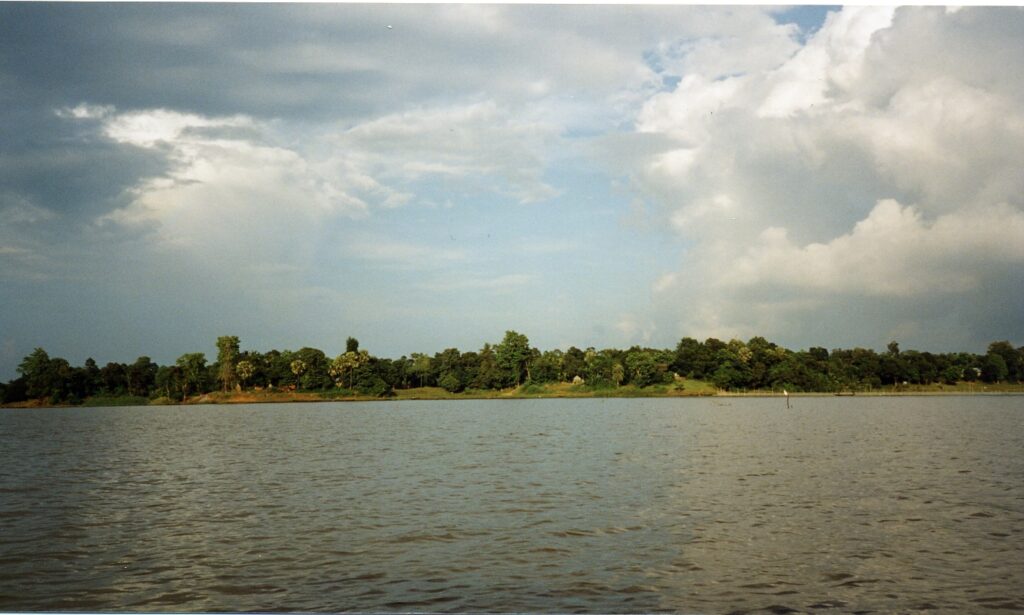
Tucked away near the town of Melaghar in Tripura’s Sepahijala district, Rudrasagar Lake is one of the most beautiful and culturally important wetlands in Northeast India. Calm waters, floating reflections, rich birdlife, and the grand Neermahal Palace together create a landscape that feels almost dreamlike. Spread across nearly 240 hectares, the lake is recognized as a Ramsar Wetland Site, an international designation given to wetlands of ecological importance. Beyond its scenic charm, Rudrasagar is an important freshwater ecosystem that supports local biodiversity, traditional livelihoods, and tourism in the region.
For many travelers visiting Tripura, Rudrasagar Lake is more than just a sightseeing destination. It offers a peaceful escape into nature while also revealing a fascinating blend of history, royal heritage, and local culture. Whether you arrive for birdwatching, photography, boating, or simply to enjoy the quiet beauty of the lake, the experience leaves a lasting impression.
Natural Beauty and Ecological Importance
Rudrasagar Lake is a freshwater wetland fed by three perennial streams — Noacherra, Durlavnaraya Cherra, and Kemtali Cherra. These streams help maintain the lake’s water levels and support a thriving aquatic ecosystem throughout the year. The wetland acts as a natural reservoir and plays a vital role in maintaining the environmental balance of the surrounding region.
The lake is home to a variety of fish species, aquatic plants, and wetland vegetation that sustain both wildlife and nearby communities. During winter, Rudrasagar becomes a paradise for migratory birds. Species such as lesser whistling ducks, herons, cormorants, egrets, and other water birds arrive here, transforming the lake into a lively habitat filled with movement and sound. Birdwatchers and wildlife photographers often visit during this season to capture the stunning natural scenery.
The changing colors of the lake throughout the day add to its beauty. Early mornings are wrapped in mist and silence, while evenings bring glowing sunsets reflected across the water. The calm environment makes Rudrasagar a perfect destination for nature lovers looking to slow down and reconnect with the outdoors.
Neermahal – The Palace in the Middle of the Lake
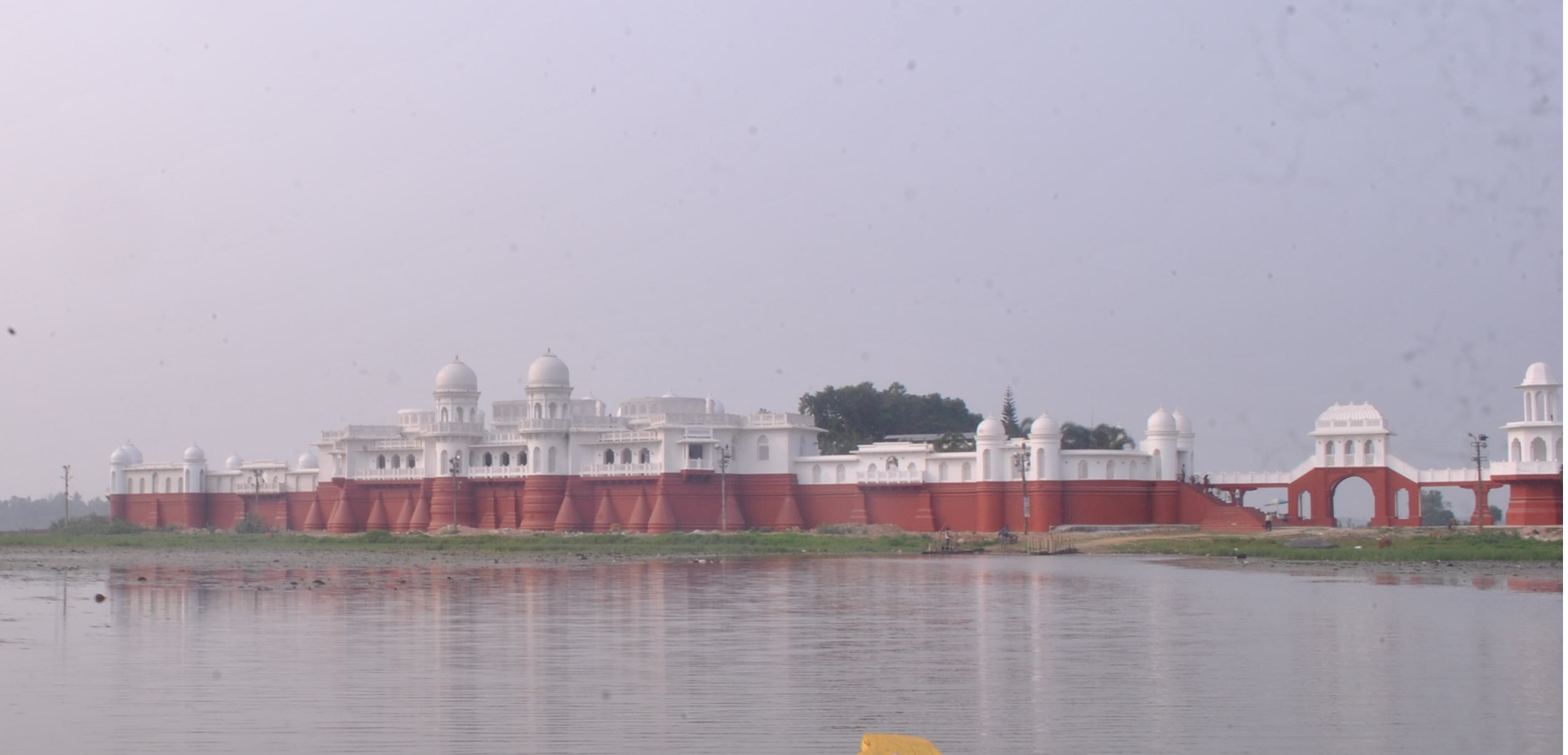
The greatest attraction of Rudrasagar Lake is undoubtedly Neermahal, the magnificent water palace standing gracefully at the center of the lake. Built in the 1930s by Maharaja Bir Bikram Kishore Manikya, the last ruling king of Tripura, the palace served as a royal summer retreat.
Neermahal is unique because it beautifully combines Mughal and Hindu architectural styles. Its red-and-white structure, elegant balconies, towers, open courtyards, and lake-facing pavilions create an atmosphere of royal elegance. Surrounded entirely by water, the palace appears almost like a floating fortress when viewed from a distance.
Reaching Neermahal is itself a memorable experience. Visitors travel to the palace by boat from the lakeside ghats near Melaghar. As the boat glides across the calm waters, the palace slowly comes into view, creating a magical first impression. Sunrise and sunset are especially enchanting times to visit, when the palace reflects golden hues across the lake.
Inside the palace, visitors can explore royal chambers, corridors, terraces, and open spaces once used by the Tripura royal family. The palace also offers panoramic views of Rudrasagar Lake and the surrounding wetlands.
Activities Around Rudrasagar Lake
Rudrasagar Lake offers a peaceful mix of recreation, sightseeing, and cultural experiences. Boating is the most popular activity, allowing visitors to enjoy the serenity of the lake while traveling toward Neermahal. Both regular and motorized boat services are available.
Birdwatching is another major attraction, especially during the winter months when migratory birds arrive in large numbers. Nature photographers often spend hours around the wetlands capturing reflections, birds, and the palace against changing skies.
The lake area is also ideal for relaxed lakeside picnics and evening walks. The cool breeze, open waters, and quiet surroundings make it a refreshing break from busy city life.
One of the most vibrant events celebrated here is the Neermahal Water Festival, usually held in August. The festival brings the lake to life with traditional boat races, folk music, dance performances, and cultural programs. Local communities actively participate in the celebrations, making it one of Tripura’s most colorful cultural events. The festival not only showcases the traditions of the state but also draws attention to the ecological importance of preserving Rudrasagar Lake.
Cultural and Historical Significance
For the people of Tripura, Rudrasagar Lake holds deep historical and cultural value. It is closely connected with the Manikya dynasty, which ruled the princely state of Tripura for centuries. Neermahal remains one of the finest architectural legacies left behind by the royal family.
The lake also supports the everyday lives of nearby communities. Fishing, agriculture, and boating continue to be important occupations for people living around Melaghar and neighboring villages. Local folklore, festivals, and traditions are closely tied to the lake and its seasonal rhythms.
Because of its cultural identity and ecological role, Rudrasagar is often seen not just as a tourist destination, but as a symbol of Tripura’s heritage and natural beauty.
Best Time to Visit Rudrasagar Lake
The ideal time to visit Rudrasagar Lake is between October and March. During these months, the weather remains pleasant, and migratory birds can be seen around the wetlands. Winter mornings are especially beautiful, with cool breezes and mist-covered waters creating a magical atmosphere.
Monsoon season also has its own charm, as the lake appears full and lush with greenery all around. Visitors traveling in August can experience the Neermahal Water Festival, though occasional heavy rainfall may affect travel plans.
How to Reach Rudrasagar Lake
By Air
The nearest airport is Maharaja Bir Bikram Airport in Agartala, located around 60 kilometers from Rudrasagar Lake. The airport is well connected with major Indian cities such as Delhi, Kolkata, and Guwahati. From the airport, taxis and buses are easily available for Melaghar.
By Train
The nearest railway station is Agartala Railway Station, approximately 55 kilometers away. Regular train services connect Agartala with cities like Guwahati, Silchar, and Kolkata. Travelers can hire taxis or board local buses to reach Melaghar from the station.
By Road
Rudrasagar Lake lies around 53 kilometers from Agartala and is well connected by road through NH-8. State transport buses, shared jeeps, and private taxis regularly operate between Agartala and Melaghar. Once in Melaghar, visitors can take auto-rickshaws or e-rickshaws to the lake ghat.
Local Transport
Local transport around Melaghar includes auto-rickshaws, cycle rickshaws, and e-rickshaws. Boats are the only way to reach Neermahal Palace, and the scenic boat ride across Rudrasagar Lake is considered one of the highlights of the trip.
Nearby Attractions
Travelers visiting Rudrasagar Lake often explore other destinations in Tripura as well. Agartala offers attractions such as the grand Ujjayanta Palace, Jagannath Temple, and local markets showcasing Tripuri handicrafts. Nature lovers can also visit Sepahijala Wildlife Sanctuary, known for its forests, lakes, and birdlife.
Google Maps
FAQs
Why is Rudrasagar Lake famous?
Rudrasagar Lake is famous for its scenic beauty, rich wetland ecosystem, migratory birds, and the iconic Neermahal Palace located in the middle of the lake.
What is special about Neermahal Palace?
Neermahal is one of the few water palaces in India. Built by Maharaja Bir Bikram Kishore Manikya, it combines Mughal and Hindu architectural styles and stands beautifully amidst Rudrasagar Lake.
Is boating available at Rudrasagar Lake?
Yes, boating is one of the main attractions at Rudrasagar Lake. Visitors can take boats from Melaghar to reach Neermahal Palace.
Which is the best season to visit Rudrasagar Lake?
The best time to visit is from October to March when the weather is pleasant and migratory birds arrive at the lake.
How far is Rudrasagar Lake from Agartala?
Rudrasagar Lake is located around 53 kilometers from Agartala and can be reached easily by road.
Is Rudrasagar Lake a Ramsar site?
Yes, Rudrasagar Lake has been recognized as a Ramsar Wetland Site because of its ecological importance and biodiversity value.
Are there accommodation options near Rudrasagar Lake?
Yes, accommodation facilities are available in Melaghar and Agartala, ranging from budget hotels to tourist lodges for visitors exploring the lake and Neermahal Palace.