Image Source: juggadery
About Rajgir
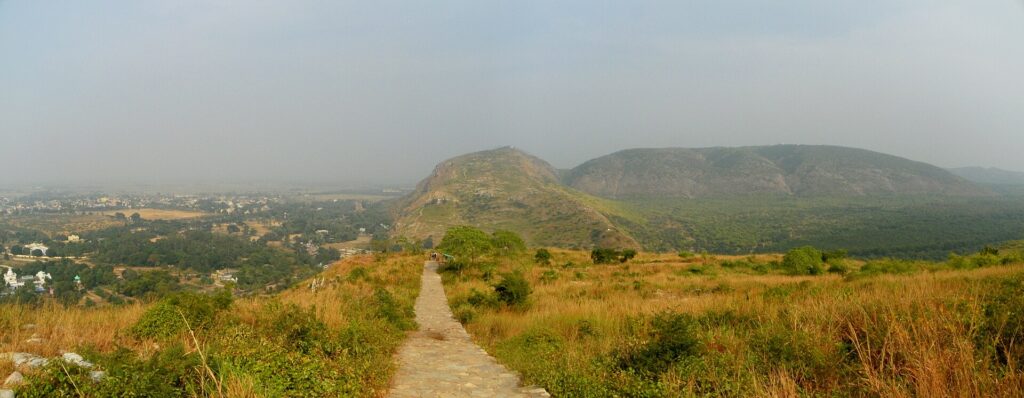
Nestled in the scenic hills of Bihar’s Nalanda district, Rajgir is a destination where history, spirituality, and natural beauty come together. Surrounded by five ancient hills, this historic town is considered one of the oldest continuously inhabited cities in India. Once known as Rajagriha, meaning “House of Kings,” Rajgir served as the first capital of the powerful Magadha kingdom and played a defining role in shaping India’s political, cultural, and religious heritage.
Today, Rajgir attracts pilgrims, history enthusiasts, and travelers from around the world. Its close proximity to Nalanda and Bodh Gaya makes it an essential stop on Bihar’s heritage and Buddhist tourism circuit. Beyond its spiritual significance, Rajgir offers a fascinating blend of archaeological remains, sacred sites, scenic landscapes, and modern attractions.
Historical Significance of Rajgir
Rajgir’s history stretches back to the 6th century BCE, making it one of the most historically important cities of ancient India. It flourished as the capital of the Magadha kingdom under notable rulers such as King Bimbisara and his son Ajatashatru. During this period, Magadha emerged as a dominant political force, laying the foundation for later empires such as the Mauryas.
Ancient Buddhist, Jain, and Hindu texts frequently mention Rajgir, highlighting its importance across religious traditions. Unlike many historical cities associated with a single faith or dynasty, Rajgir became a meeting ground of diverse beliefs and philosophies. Scholars, monks, kings, and spiritual teachers gathered here, transforming the city into a major center of intellectual and religious exchange.
The city’s strategic location among protective hills also contributed to its rise as a fortified capital. These natural defenses, combined with impressive man-made structures, helped Rajgir maintain its political and military importance for centuries.
Rajgir in Buddhism
Rajgir occupies a sacred place in Buddhist history and remains one of the most revered pilgrimage sites for followers of Buddhism. It was here that Gautama Buddha spent several years meditating, teaching, and interacting with disciples.
One of the most significant locations connected with Buddha is Gridhakuta Hill, also known as Vulture’s Peak. This peaceful hilltop served as a retreat where Buddha delivered several important sermons, including teachings later preserved in Buddhist scriptures. The calm atmosphere and panoramic views continue to attract pilgrims seeking spiritual reflection.
Rajgir also witnessed a landmark event in Buddhist history—the First Buddhist Council. Following Buddha’s Mahaparinirvana, senior monks gathered in the Saptaparni Cave to preserve and organize his teachings. This council played a crucial role in the development and transmission of Buddhist doctrine.
Because of these associations, Rajgir today draws Buddhist pilgrims from countries such as Sri Lanka, Japan, Thailand, and Myanmar, giving the town an international spiritual identity.
Rajgir and Jain Heritage
Rajgir is equally important in Jainism and holds deep spiritual significance for followers of the faith. It is closely associated with Mahavira, the 24th Tirthankara, who is believed to have spent a considerable part of his life in and around the region.
The hills surrounding Rajgir are home to several Jain temples and shrines dedicated to Mahavira and other Tirthankaras. Pilgrims often climb these hills as part of their religious journey, viewing the landscape as sacred ground sanctified by meditation and spiritual practice.
The Sonbhandar Caves, often linked with Jain traditions, are among the notable archaeological sites in Rajgir. These ancient rock-cut caves are believed to have served as shelters for Jain monks and continue to inspire curiosity among historians and visitors alike.
Because of its long-standing Jain associations, Rajgir remains a major pilgrimage destination for the Jain community.
Rajgir in Hindu Tradition and Mythology
Rajgir’s significance extends into Hindu mythology as well. Ancient epics such as the Mahabharata associate the city with the legendary King Jarasandha, the powerful ruler of Magadha.
According to tradition, Jarasandha was a formidable warrior who challenged the Pandavas and opposed their rise to power. A site known as Jarasandha ka Akhara is believed to mark the location where the legendary duel between Jarasandha and Bhima took place. Though myth and history often intertwine in such narratives, these stories add another layer to Rajgir’s cultural identity and enduring appeal.
Architectural and Archaeological Heritage
Rajgir’s ruins reveal the grandeur of an ancient fortified capital. Among its most remarkable features are the Cyclopean Walls—massive defensive fortifications constructed from enormous uncut stones without mortar. Stretching nearly 40 kilometers, these walls are regarded as some of the oldest surviving stone fortifications in India and stand as evidence of sophisticated engineering in ancient times.
The city also preserves numerous monuments and sacred spaces that reflect both royal power and spiritual devotion.
Major Historical and Religious Sites
Venuvana Vihara
This tranquil bamboo grove is believed to have been gifted by King Bimbisara to Buddha. Today, it remains a serene monastery and meditation site where visitors can experience a sense of peace away from crowded tourist routes.
Gridhakuta Hill (Vulture’s Peak)
One of Rajgir’s most sacred Buddhist sites, this hill is associated with Buddha’s meditation and sermons. Visitors can reach the summit by trekking or using the famous ropeway.
Ajatashatru Fort and Stupa
Built during the reign of King Ajatashatru, these structures reflect Rajgir’s political and architectural importance during the Magadhan era.
Brahmakund Hot Springs
Rajgir’s natural hot springs hold religious significance and are believed by many devotees to possess healing and medicinal qualities. Pilgrims often bathe in these waters before visiting nearby temples.
Jain Temples on the Hills
These temples offer not only religious importance but also breathtaking views of the surrounding valleys and landscapes.
Saptaparni Cave
This cave occupies an important place in Buddhist history as the traditional venue of the First Buddhist Council.
Modern Attractions and Tourism
While Rajgir is rooted in antiquity, it has also evolved into a modern tourist destination offering experiences beyond pilgrimage and history.
The Rajgir Ropeway remains one of the town’s most popular attractions and is among the oldest ropeways in India. The ride provides spectacular aerial views while carrying visitors toward the Japanese Peace Pagoda, also known as the Shanti Stupa. Built as a symbol of peace and harmony, the white stupa stands prominently atop the hill and has become one of Rajgir’s visual landmarks.
Another recent attraction is the Rajgir Glass Bridge, inspired by international skywalk designs. This modern addition has brought a new wave of tourism, especially among younger travelers and photography enthusiasts.
Adventure and nature tourism are also gaining popularity in Rajgir. Trekking along the Cyclopean Wall trail, exploring forested landscapes, and visiting the Rajgir Nature Safari provide opportunities for wildlife observation and outdoor recreation. These attractions have transformed Rajgir into a destination that appeals to spiritual seekers, families, history lovers, and adventure travelers alike.
How To Reach
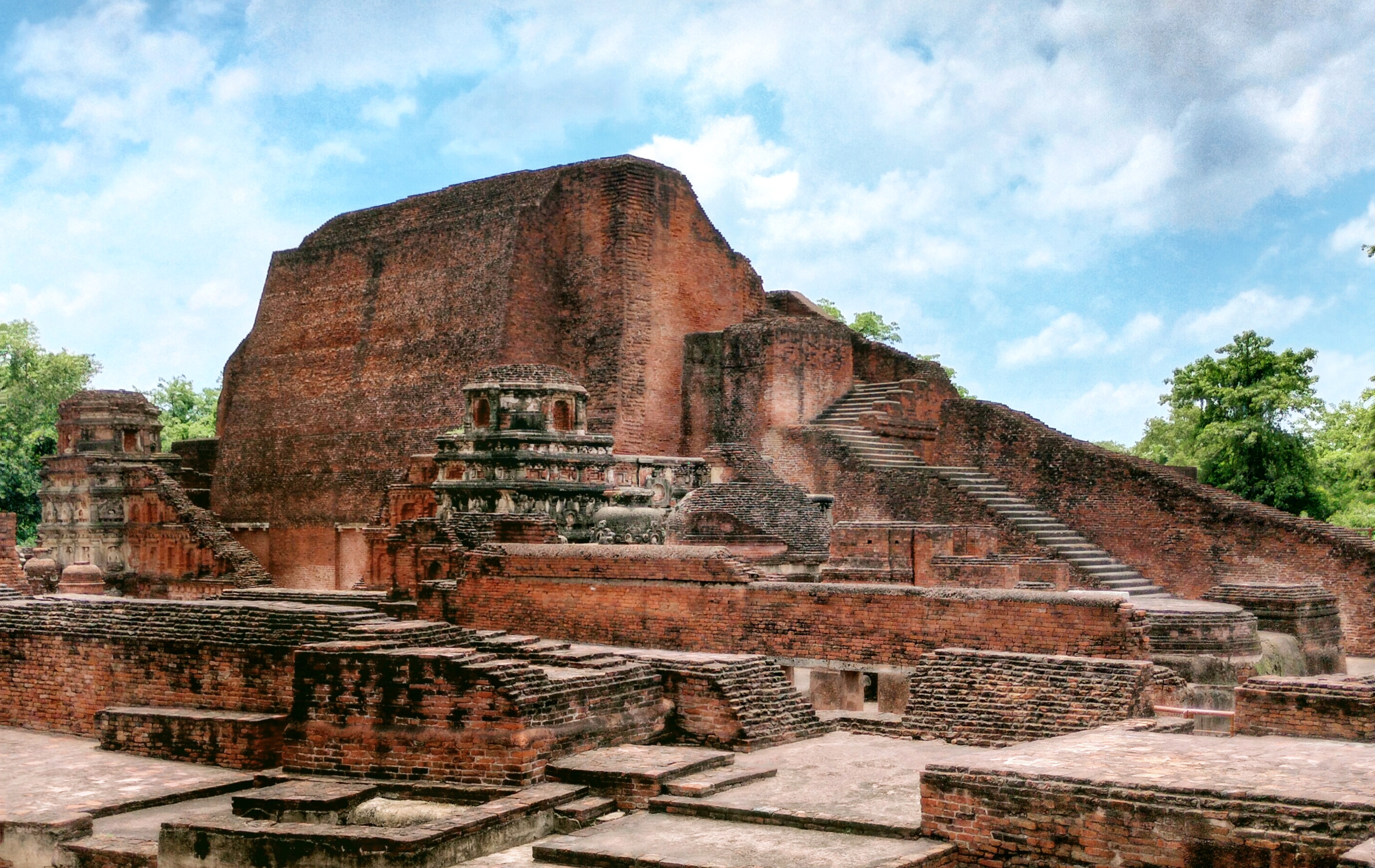
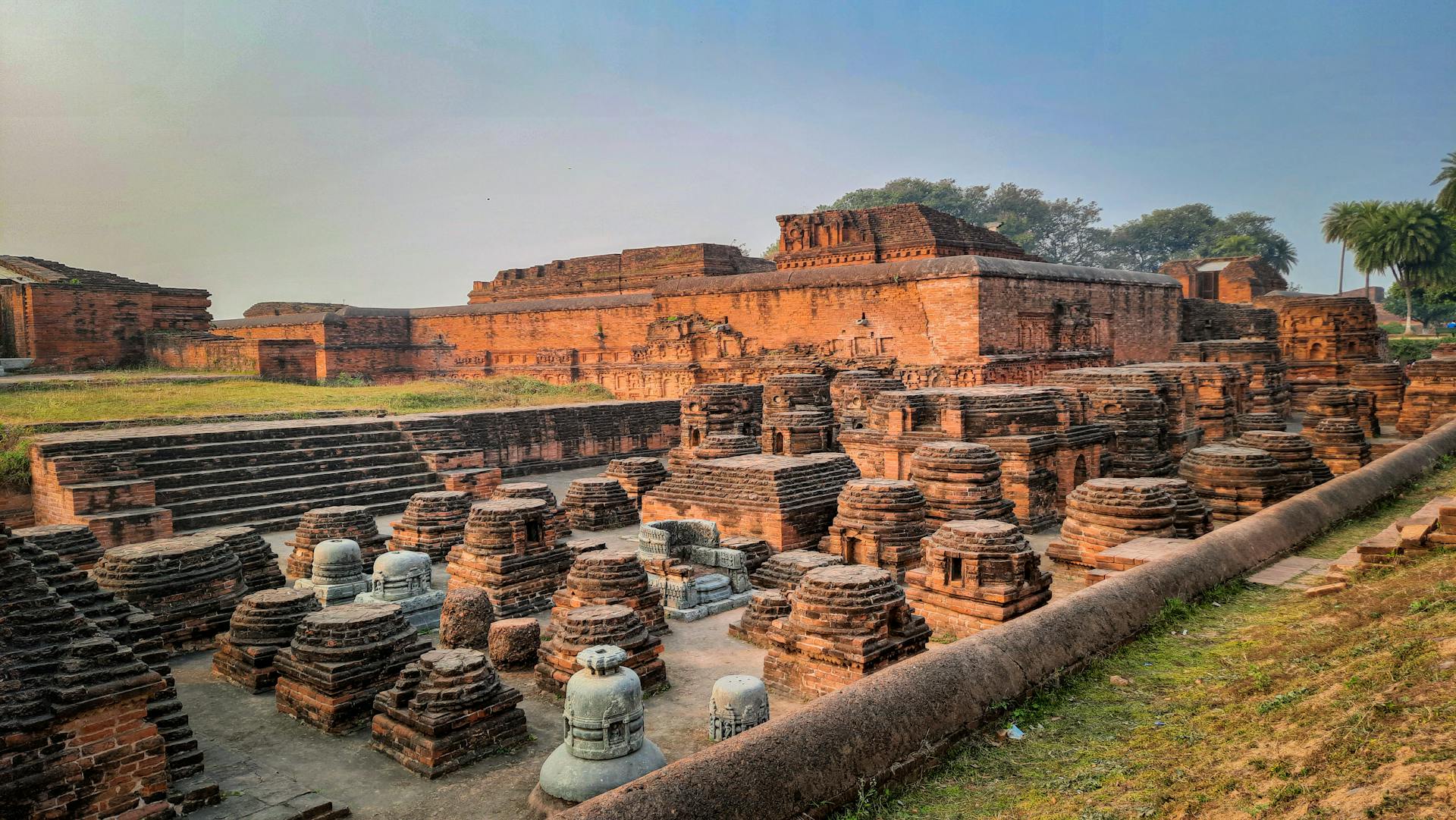
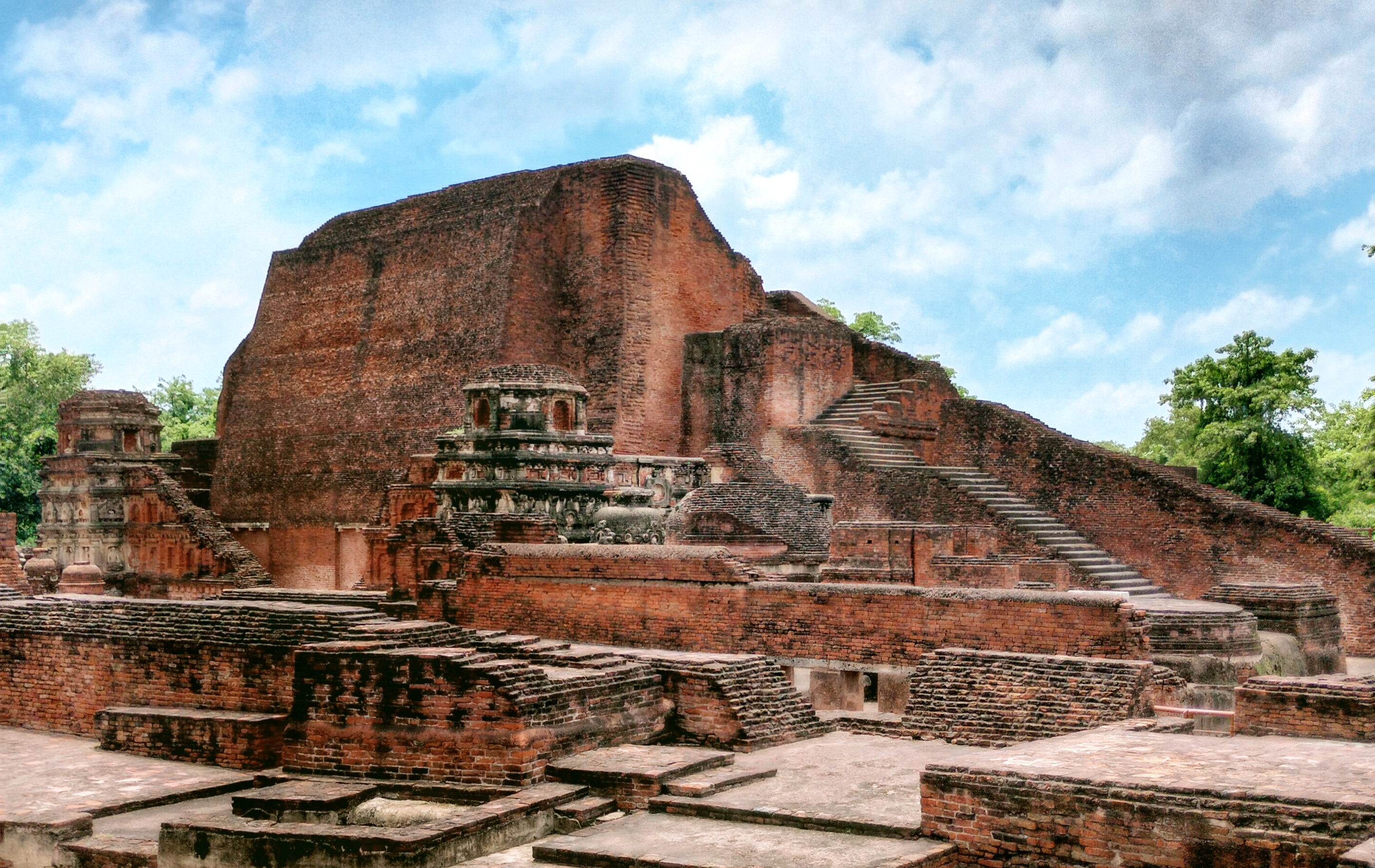
Rajgir is conveniently located around 12 kilometers from Nalanda and approximately 100 kilometers from Patna, making it easily accessible by road and rail. Travelers often combine Rajgir with visits to the Nalanda University ruins and Bodh Gaya, creating a culturally rich journey through Bihar’s famous Buddhist Circuit.
The ideal time to visit Rajgir is between October and March, when cooler temperatures make sightseeing and trekking more comfortable. During this period, festivals and pilgrimage activities also add vibrancy to the town.
Local cuisine, traditional markets, and peaceful hill landscapes further enrich the travel experience, allowing visitors to engage with both the historical and everyday life of the region.
Why Rajgir Matters Today
Rajgir is far more than an ancient city preserved in ruins. It represents a living legacy of India’s spiritual and intellectual traditions. Few places in the country bring together Buddhism, Jainism, Hindu mythology, archaeology, and natural beauty so seamlessly.
Its hills have witnessed kings, philosophers, monks, and pilgrims for over two thousand years. Even today, Rajgir continues to inspire reflection, curiosity, and reverence—making it not merely a place to visit, but a destination to experience.
Google Maps
FAQs
1. Why is Rajgir famous?
Rajgir is famous for its ancient history, Buddhist and Jain heritage, hot springs, Cyclopean Walls, and spiritual sites connected with Buddha and Mahavira.
2. Was Rajgir really the capital of Magadha?
Yes. Rajgir, formerly known as Rajagriha, served as the first capital of the Magadha kingdom before the capital later shifted to Pataliputra.
3. What is the significance of Gridhakuta Hill?
Gridhakuta Hill, or Vulture’s Peak, is important because Buddha meditated and delivered several sermons there, making it a sacred Buddhist pilgrimage site.
4. What are the Cyclopean Walls of Rajgir?
The Cyclopean Walls are ancient stone fortifications made of large uncut rocks. They stretch for nearly 40 kilometers and are among India’s oldest surviving defensive structures.
5. Are Rajgir hot springs believed to have healing properties?
Yes. The Brahmakund hot springs are considered sacred, and many visitors believe their mineral-rich waters have medicinal benefits.
6. What are the best attractions to visit in Rajgir?
Major attractions include Venuvana Vihara, Gridhakuta Hill, Shanti Stupa, Brahmakund Hot Springs, Ajatashatru Fort, Jain temples, the Glass Bridge, and the Nature Safari.
7. When is the best time to visit Rajgir?
The most comfortable period to visit is from October to March, when the weather is cooler and more suitable for sightseeing.
8. Can Rajgir be visited along with Nalanda and Bodh Gaya?
Yes. Rajgir is commonly visited together with Nalanda and Bodh Gaya as part of Bihar’s well-known Buddhist and heritage tourism circuit.