Image Source: Mera Desh Mera Bharat
Introduction
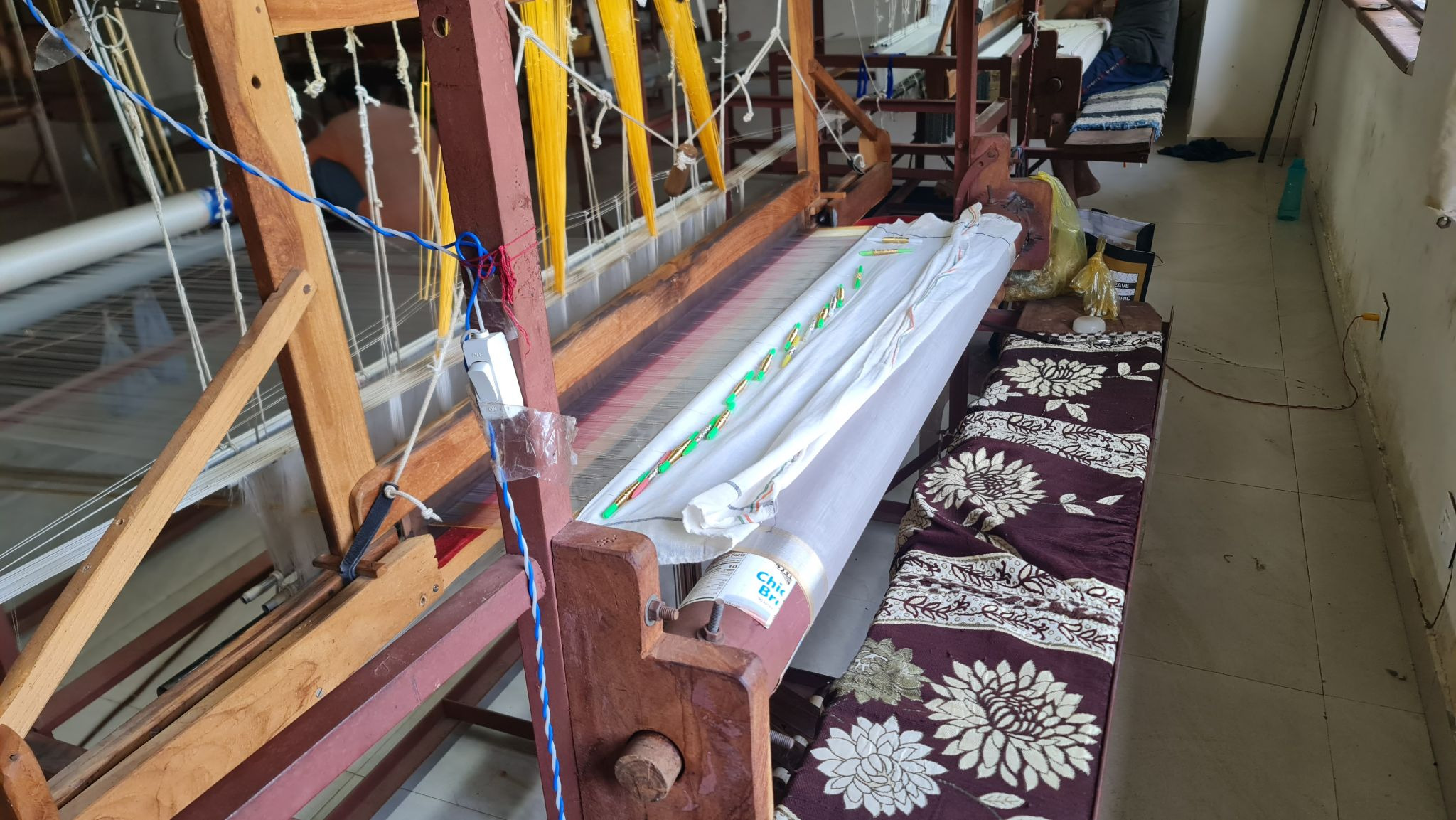
Nestled in the historic town of Chanderi in Madhya Pradesh’s Ashoknagar district, the Chanderi Archaeological Museum is a treasure house of art, history, and culture. Known for its magnificent forts, ancient temples, and world-famous handwoven sarees, Chanderi has a rich past that spans several centuries. The museum serves as an important cultural center where visitors can explore the region’s archaeological heritage through rare sculptures, inscriptions, coins, paintings, and artifacts collected from nearby historical sites.
Whether you are a history enthusiast, a student of archaeology, or a curious traveler exploring Chanderi, this museum offers fascinating insights into the evolution of the region from prehistoric times to the medieval era.
History of Chanderi Archaeological Museum
Established in 1999, the Chanderi Archaeological Museum was created to preserve and showcase the invaluable historical remains discovered in and around Chanderi. Managed by the Archaeological Survey of India (ASI), the museum houses an impressive collection of sculptures, stone carvings, inscriptions, coins, and ornaments that reflect the area’s long and diverse cultural history.
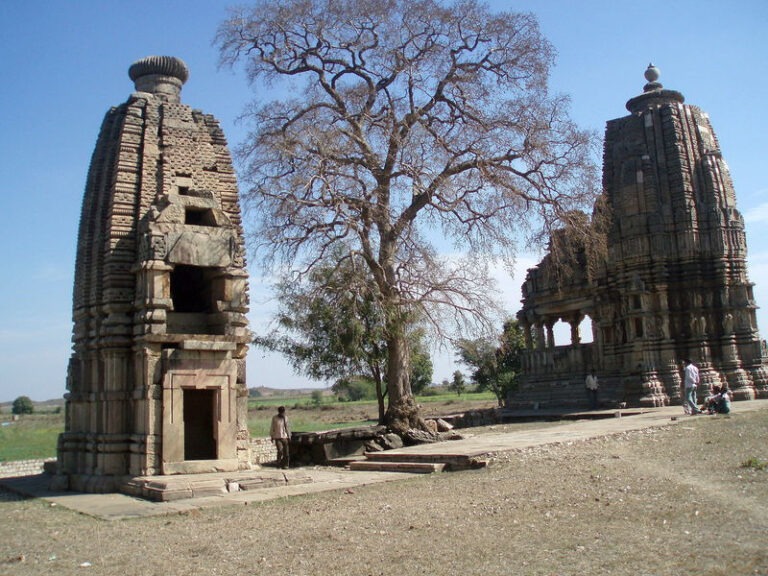
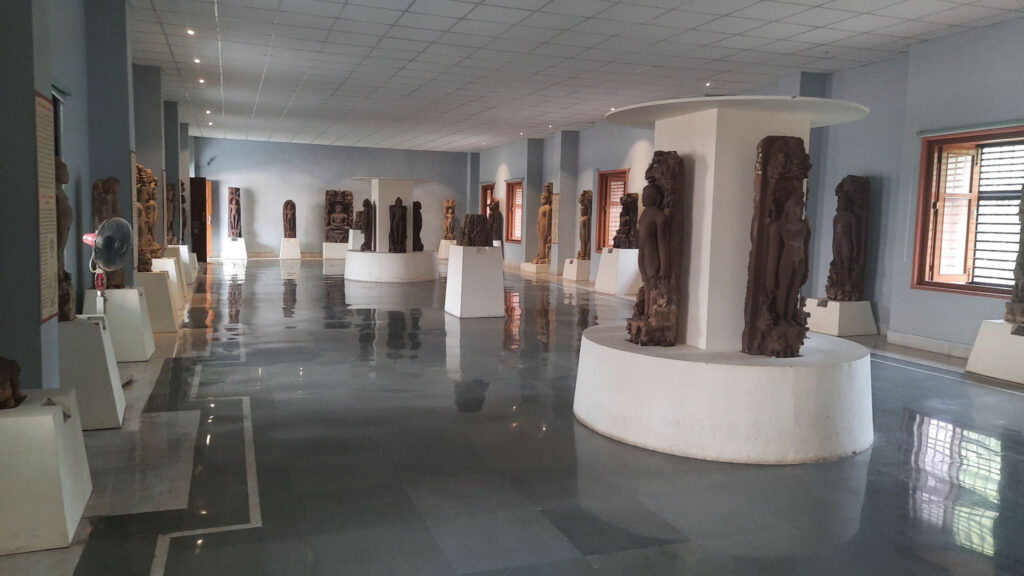
Many of the exhibits date back to the Stone Age, while others belong to the Gupta, Pratihara, Chandella, Sultanate, and Mughal periods. The museum is particularly renowned for its collection of Jain sculptures recovered from the ancient temple complexes of Thubon and Budhi Chanderi. These remarkable pieces, dating from the 10th and 11th centuries, highlight the importance of Jainism in the region during the medieval period.
The museum not only preserves these priceless artifacts but also helps visitors understand Chanderi’s role as an important center of trade, religion, and art in Central India.
Galleries at Chanderi Archaeological Museum
The museum is thoughtfully divided into five galleries, each dedicated to a specific aspect of Chanderi’s heritage.
1. History of Chanderi Gallery
This gallery introduces visitors to the earliest phases of human settlement in the region. Exhibits include prehistoric rock paintings, Paleolithic and Neolithic tools, pottery fragments, ornaments, and everyday objects used by ancient communities. The collection offers a glimpse into the lifestyle and cultural development of early inhabitants of Chanderi and its surrounding areas.
2. Vaishnava Gallery
Dedicated to Lord Vishnu and his various incarnations, this gallery showcases beautifully crafted sculptures featuring different forms of Vishnu, including the Varaha avatar. The intricate detailing and artistic excellence of these sculptures make them some of the museum’s most admired exhibits.
3. Shiva and Shakti Gallery
This section focuses on the worship of Lord Shiva and Goddess Shakti. Visitors can admire exquisite sculptures depicting Shiva, Parvati, and other associated deities in various forms. The graceful craftsmanship and expressive carvings reflect the religious and artistic traditions of medieval India.
4. Jaina Gallery
The Jaina Gallery houses an exceptional collection of sculptures representing Jain Tirthankaras such as Mahavira, Parshvanatha, Neminatha, and others. These artifacts illustrate the strong presence and growth of Jainism in the Chanderi region and showcase the refined sculptural traditions of the period.
5. Anandam Gallery
The Anandam Gallery features a diverse collection of historical objects, including coins, weapons, inscriptions, decorative items, and artifacts from various dynasties. Visitors can also explore Mughal-era paintings and records that shed light on the region’s political and cultural history.
Additional Highlights
Apart from the galleries, the museum houses a well-maintained library containing more than 3,000 books related to archaeology, history, art, and culture. The central courtyard is another noteworthy attraction, displaying several Sanskrit inscriptions written in different scripts. These inscriptions provide valuable information about the rulers, religious practices, and social life of earlier centuries.
How to Reach
Chanderi Archaeological Museum is located in the historic town of Chanderi in Ashoknagar district, Madhya Pradesh.
By Air: The nearest airport is Raja Bhoj Airport in Bhopal, approximately 230 km away. Taxis and buses are available from the airport to Chanderi.
By Train: The nearest railway stations are Lalitpur Railway Station (around 40 km) and Mungaoli Railway Station (around 35 km). Both stations are well-connected to major cities in Madhya Pradesh and Uttar Pradesh.
By Road: Chanderi is connected by road to Bhopal, Gwalior, Jhansi, Ashoknagar, and Lalitpur. Regular buses and private taxis operate from nearby cities.
Local Transport: Auto-rickshaws and local taxis are available within Chanderi for convenient travel between the museum and other attractions.
Nearby Attractions
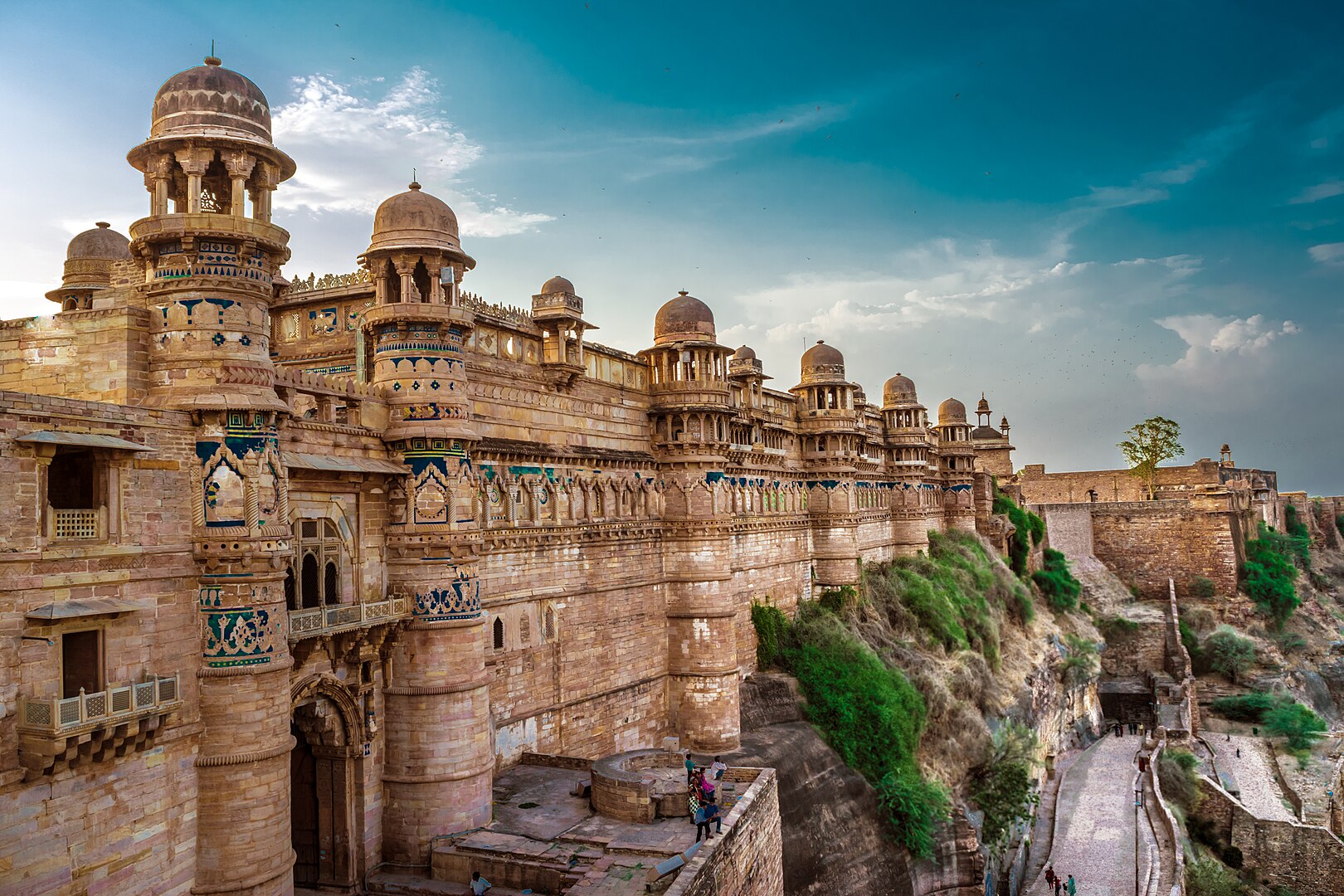
Chanderi Fort
Perched atop a hill overlooking the town, Chanderi Fort offers panoramic views and showcases the region’s military history.
Koshak Mahal
A fascinating unfinished palace built during the Malwa Sultanate period, known for its impressive architecture.
Badal Mahal Gate
One of Chanderi’s most iconic landmarks, this towering gateway is a fine example of medieval architecture.
Jama Masjid
Built during the 15th century, this historic mosque reflects Afghan architectural influences.
Thubon Jain Temple Complex
An important Jain pilgrimage site featuring numerous ancient temples and beautifully carved idols.
Budhi Chanderi
The ancient settlement of Chanderi, known for its old temples, ruins, and archaeological significance.
Raja Rani Mahal
A historic palace structure that provides insights into the royal lifestyle of earlier centuries.
Maps
FAQs
1. What is Chanderi Archaeological Museum famous for?
The museum is famous for its collection of ancient sculptures, Jain artifacts, inscriptions, coins, and archaeological remains from prehistoric and medieval periods.
2. Who manages the museum?
The museum is maintained by the Archaeological Survey of India (ASI).
3. When was the museum established?
It was established in 1999 to preserve and display the archaeological heritage of Chanderi and nearby regions.
4. How many galleries are there in the museum?
The museum has five main galleries: History of Chanderi, Vaishnava, Shiva and Shakti, Jaina, and Anandam.
5. Are Jain sculptures available in the museum?
Yes, the museum houses an outstanding collection of Jain sculptures recovered from Thubon and Budhi Chanderi temples.
6. Is photography allowed inside the museum?
Photography policies may vary, so visitors should confirm the current rules at the ticket counter before taking photographs.
7. How much time is required to explore the museum?
Most visitors spend between one and two hours exploring the galleries and exhibits.
8. Is the museum suitable for students and researchers?
Yes, the museum is an excellent destination for students, historians, archaeologists, and researchers interested in Indian heritage.
9. Does the museum have a library?
Yes, it contains a library with more than 3,000 books related to history, archaeology, and culture.
10. What is the best time to visit?
The ideal time to visit is between October and March, when the weather in Chanderi is pleasant for sightseeing.