Image Source: Nadeem Hassan
About Dachigam National Park
Tucked away in the folds of the Zabarwan Range just outside Srinagar, Dachigam National Park is often introduced as the home of the endangered Hangul, or Kashmir stag. While that reputation is well deserved, the park is far more layered and fascinating than most travelers realize. Behind its thick forests, alpine slopes, and mountain streams lies a landscape shaped by centuries of history, conservation, and human connection with nature. Despite being located only a short drive from the city, Dachigam still feels wild, quiet, and wonderfully untouched.
What makes Dachigam special is not just its wildlife, but the way it blends ecology, history, and culture into one living landscape. Every trail, stream, and forest patch carries a story — from royal hunting expeditions to ancient village settlements and hidden mountain meadows that few tourists ever see.
The Origins of Dachigam: From Water Reserve to National Park
Long before it was declared a national park, Dachigam was protected for a completely different reason. During the Dogra rule, the forests and springs of this region served as a crucial water source for Srinagar. Stone channels carried clean mountain water from Dachigam into the city, making the area essential for the survival and growth of the valley’s capital.
The name “Dachigam” itself means “ten villages.” These villages once existed inside the present-day park boundaries but were relocated when the area was reserved for protection. Interestingly, the original goal was not wildlife conservation but safeguarding the watershed and preserving the purity of the springs feeding Srinagar.
In many ways, Dachigam can be seen as one of the earliest examples of environmental planning in the region. Long before modern conservation ideas became popular, the forests here were already understood as vital for water security and ecological balance.
Two Distinct Landscapes Within One Park
One of the most remarkable aspects of Dachigam is its dramatic change in terrain and climate across relatively short distances. The park is broadly divided into Lower Dachigam and Upper Dachigam, and the difference between the two feels almost like entering separate worlds.
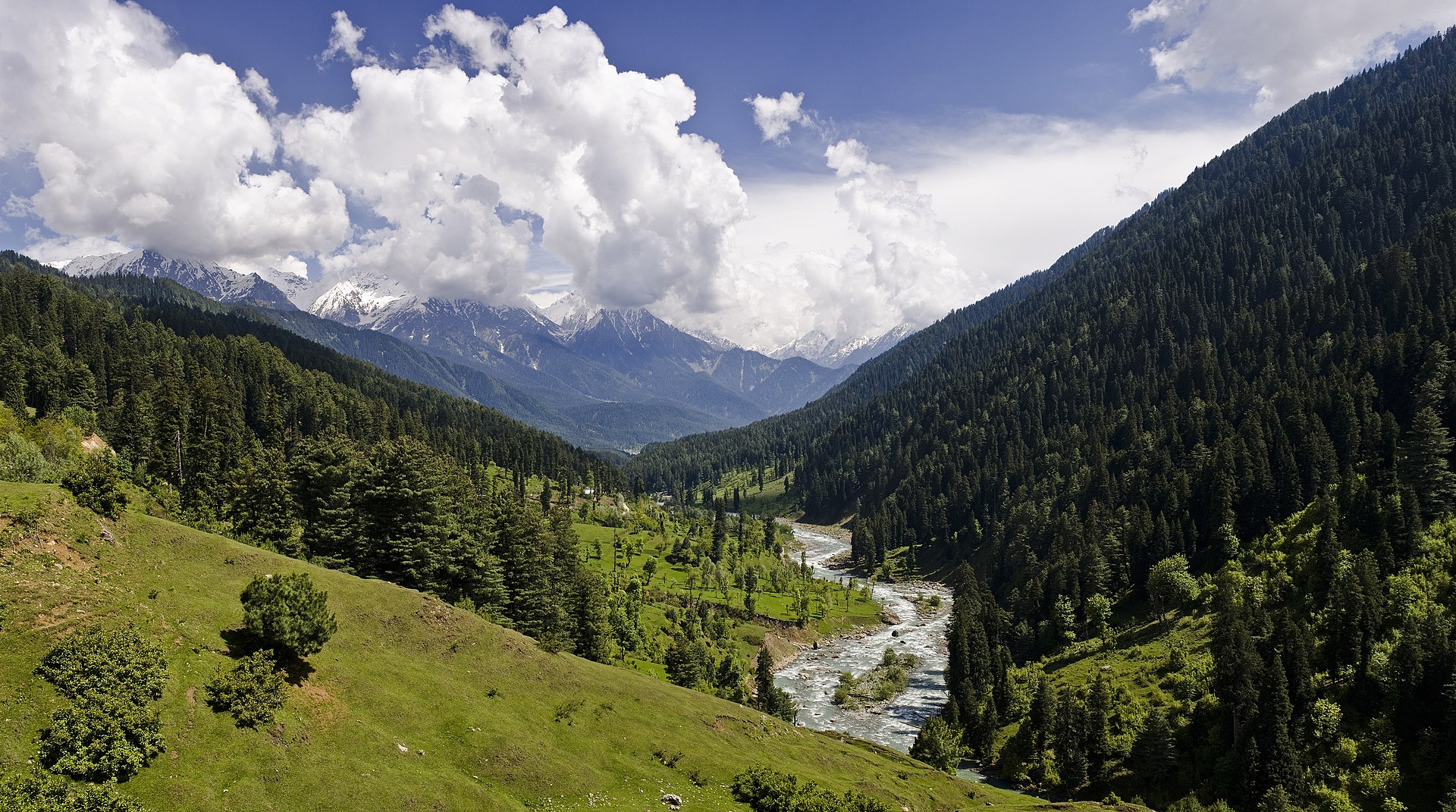
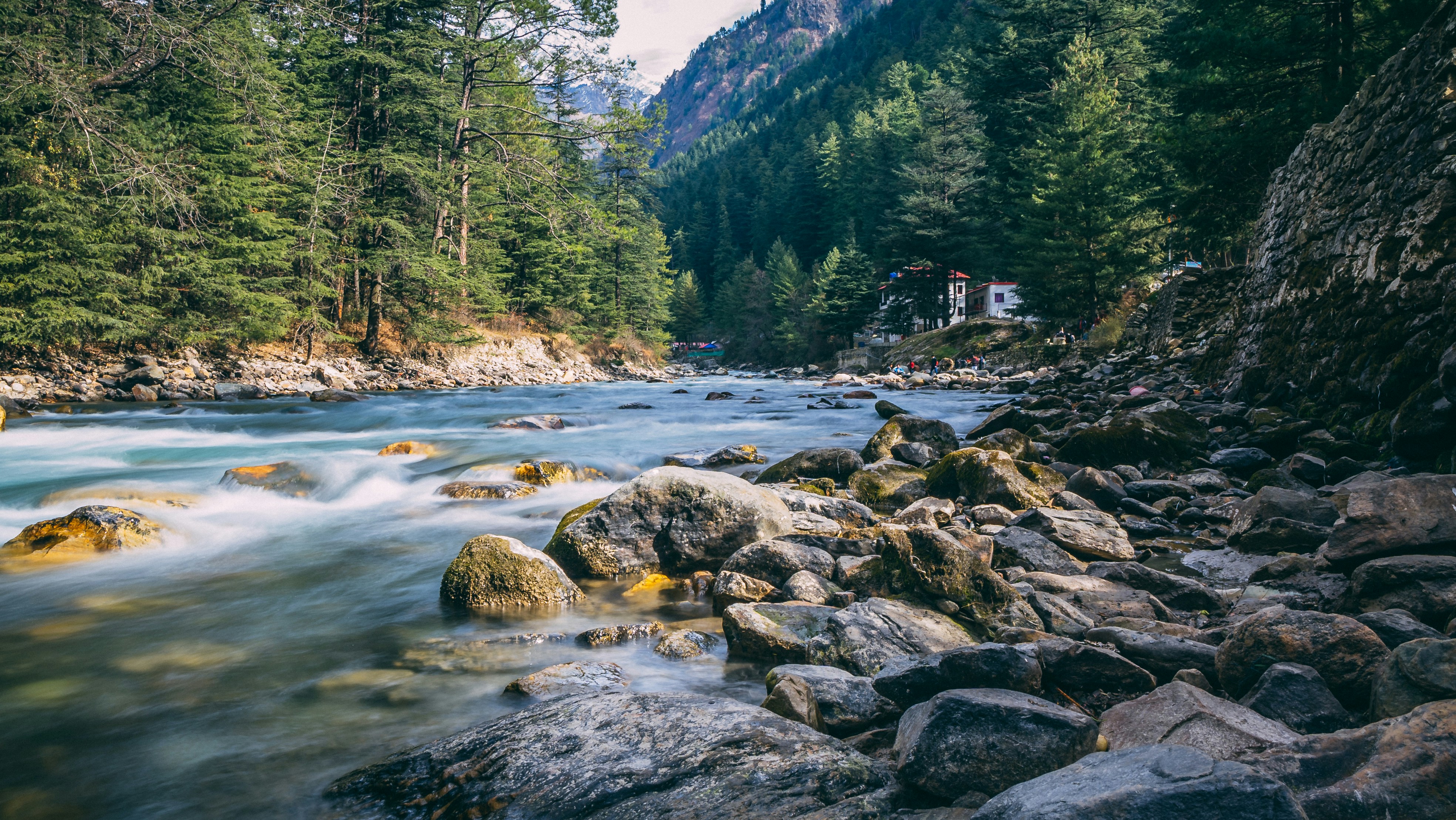
Lower Dachigam is covered with dense mixed forests, gentle valleys, and flowing streams. This section is greener, milder, and more accessible to visitors. In contrast, Upper Dachigam rises into rugged alpine wilderness with steep slopes, open grasslands, rocky ridges, and birch-covered hillsides.
The altitude variation inside the park creates several microclimates. Because of this, species usually found in temperate forests coexist with animals and plants adapted to colder mountain environments. This extraordinary ecological diversity is one of the reasons Dachigam is considered so important despite its relatively compact size.
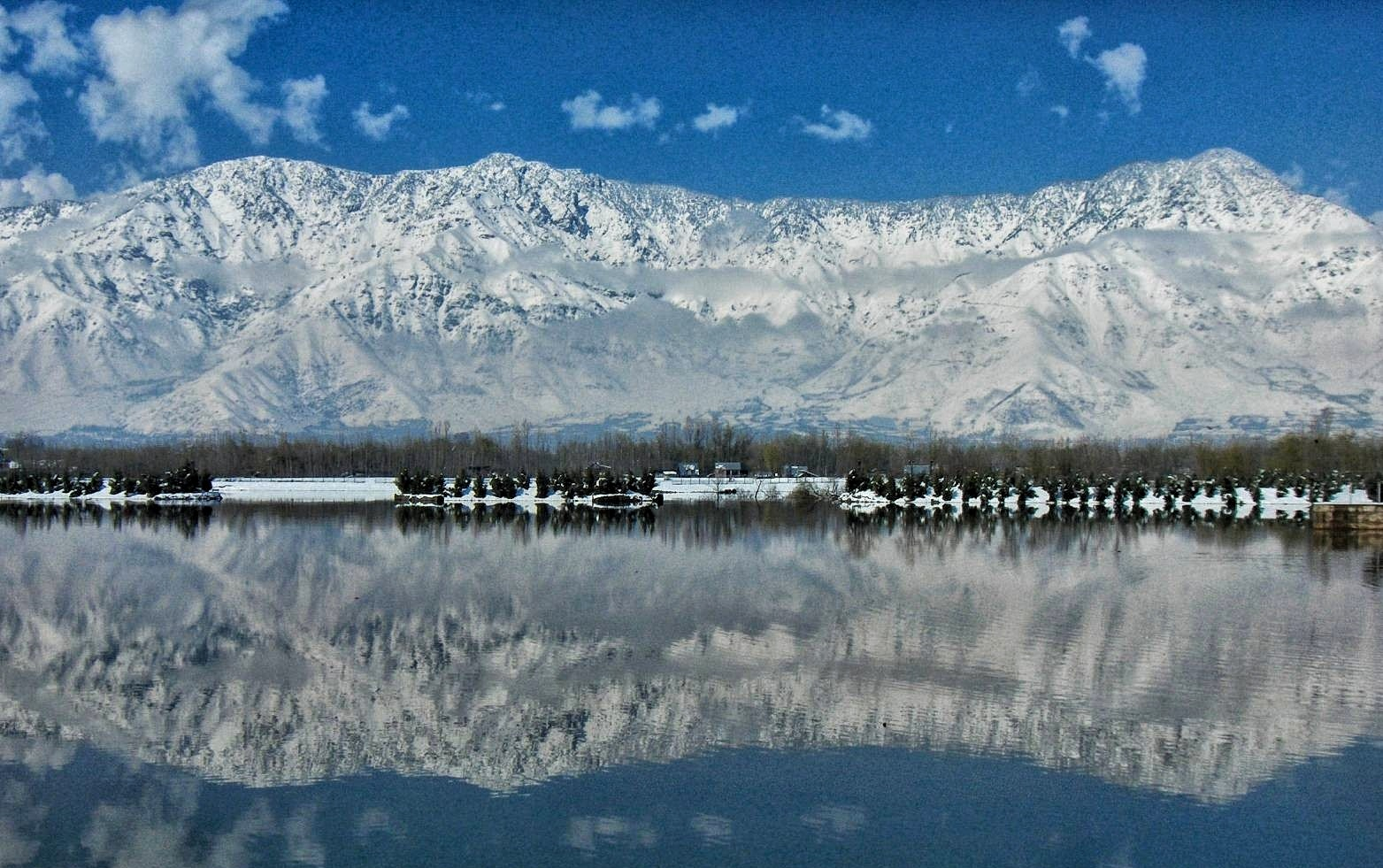
During spring and summer, the upper meadows burst into colour with alpine flowers, while autumn transforms the forests into shades of gold, amber, and crimson. In winter, snow blankets the higher reaches, turning the park into a silent Himalayan wilderness.
Wildlife Beyond the Famous Hangul
The Hangul may be the face of Dachigam, but it is far from the park’s only resident. The forests quietly shelter a rich collection of Himalayan wildlife that often remains hidden from casual visitors.
Among the park’s elusive inhabitants are Himalayan black bears, leopards, musk deer, and Himalayan serow. Smaller mammals such as yellow-throated martens, porcupines, and flying squirrels also thrive here, though sightings are rare.
Birdwatchers consider Dachigam one of the finest birding locations in Kashmir. Depending on the season, visitors may spot golden eagles soaring above the ridges, colourful flycatchers moving through the forest canopy, or koklass pheasants disappearing into the undergrowth. The soundscape of the park changes throughout the day — from early morning bird calls to the quiet rustling of leaves in the evening.
The plant life is equally fascinating. Rare medicinal herbs, wild fruit trees, and native Himalayan vegetation grow throughout the park. For generations, nearby communities relied on many of these plants for traditional medicine and seasonal food.
Hidden Human History Inside the Forest
Although Dachigam is now viewed as untouched wilderness, traces of earlier human life still survive deep within the forest. Old terraced fields, stone structures, and abandoned pathways occasionally emerge between the trees, hinting at the villages that once existed here.
These forgotten remnants reveal a time when people lived alongside the mountains long before conservation boundaries were established. Shepherd routes crossing sections of the park also reflect the region’s long-standing connection between highland pastures and valley settlements.
For travelers interested in cultural landscapes, Dachigam offers more than wildlife. It is also a place where nature and human history quietly overlap.
Dachigam’s Importance to Srinagar’s Environment
Dachigam plays a much larger ecological role than many people realize. Often described as the “green lung” of Srinagar, the park helps regulate the surrounding environment in several ways.
Its forests absorb carbon, improve air quality, and influence local weather patterns. During summer nights, cooler air from the higher elevations drifts down toward the valley, slightly moderating temperatures in and around Srinagar. In winter, the snow-covered upper regions release water gradually into streams, helping maintain water flow and reducing the risk of sudden flooding.
Without Dachigam’s forests and watershed systems, the environmental balance of the Kashmir Valley would look very different. The park silently supports the health of the city even though most visitors only see its scenic beauty.
The Experience of Visiting Dachigam
Unlike many commercial wildlife destinations, Dachigam rewards patience rather than guaranteed sightings. The experience here is quieter, slower, and more immersive.
A walk through the forest in the early morning mist can feel almost meditative. Birdsong echoes through the trees, mountain streams flow beside narrow trails, and distant animal calls occasionally break the silence. Sometimes the most memorable moment is not spotting a rare animal but simply experiencing the stillness of the landscape.
Upper Dachigam is especially appealing for trekkers, nature photographers, and people interested in alpine ecosystems. The scenery becomes increasingly dramatic as the terrain climbs higher into the mountains.
Because tourism here remains relatively controlled, the park has avoided much of the overcrowding seen in more commercial reserves. That sense of unpredictability and wilderness is part of what makes Dachigam memorable.
Dachigam and the Zabarwan Range
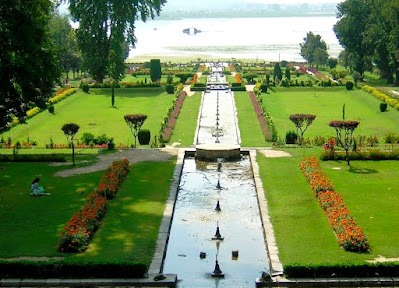
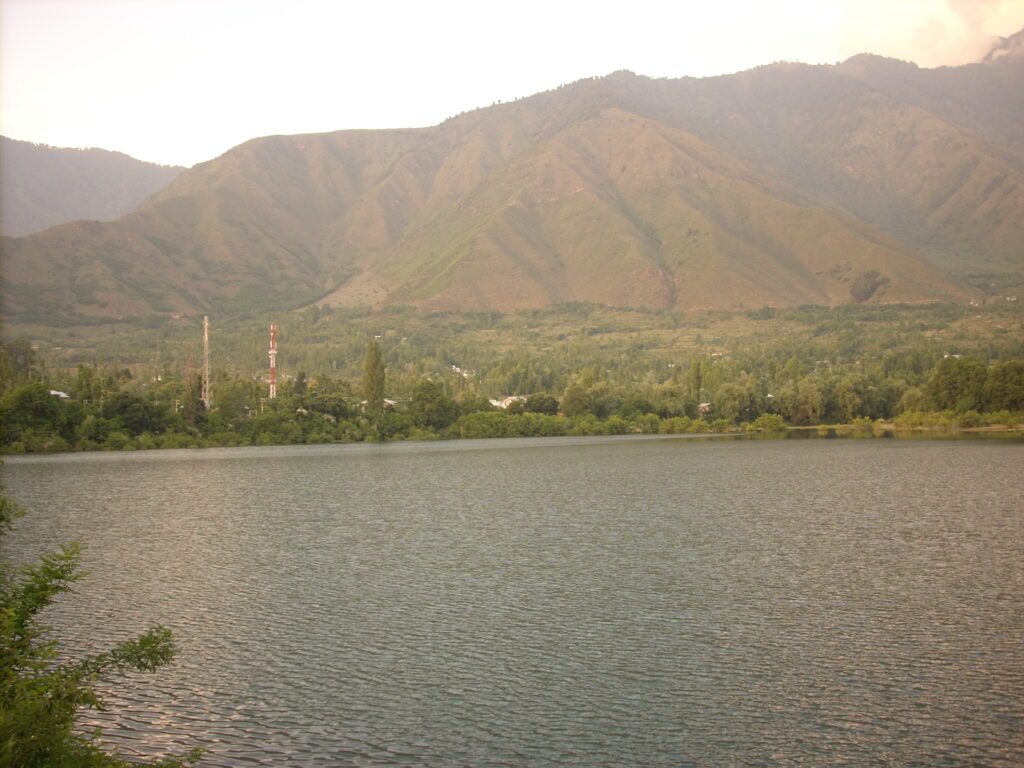
Dachigam forms the wild southern extension of the Zabarwan Range, the same mountain chain that overlooks Srinagar and Dal Lake. While the lower slopes of the range are known for gardens, shrines, and cultural landmarks, Dachigam preserves its untamed mountain character.
The park represents the transition from human-shaped landscapes to true Himalayan wilderness. It reminds visitors that Kashmir’s beauty is not defined only by lakes and gardens, but also by forests, rivers, wildlife, and mountain ecosystems that continue to sustain the valley quietly in the background.
In many ways, Dachigam is the hidden ecological heart of Srinagar — a place where nature still moves at its own pace.
FAQ’s
Where is Dachigam National Park located?
Dachigam National Park is located about 20–25 kilometers from Srinagar in Jammu and Kashmir, on the slopes of the Zabarwan Range.
Why is Dachigam National Park famous?
The park is best known for protecting the endangered Hangul, also called the Kashmir stag, which is found almost exclusively in this region.
What does the name “Dachigam” mean?
The word “Dachigam” translates to “ten villages,” referring to the settlements that once existed inside the area before it became protected land.
What is the best time to visit Dachigam?
Spring and autumn are considered the best seasons. Spring brings blooming flowers and lush greenery, while autumn transforms the forests into vibrant shades of red, yellow, and orange.
Can tourists visit Upper Dachigam?
Access to Upper Dachigam is more restricted than the lower section and may require special permissions or guided access depending on forest regulations.
Which animals can be seen in Dachigam National Park?
Besides the Hangul, visitors may encounter Himalayan black bears, leopards, musk deer, serow, martens, and a variety of Himalayan birds.
Is Dachigam suitable for birdwatching?
Yes, the park is an excellent destination for birdwatching. Species such as golden eagles, koklass pheasants, woodpeckers, and flycatchers are commonly spotted.
How far is Dachigam from Srinagar?
The park is located roughly an hour’s drive from Srinagar, making it one of the few national parks in India situated so close to a major city.
Are safaris available in Dachigam?
Unlike many tiger reserves, Dachigam focuses more on guided nature visits, trekking, and forest experiences rather than large-scale safari tourism.
Why is Dachigam environmentally important?
The park acts as a watershed and climate regulator for Srinagar by protecting forests, streams, biodiversity, and natural water systems that support the Kashmir Valley.