About India Gate
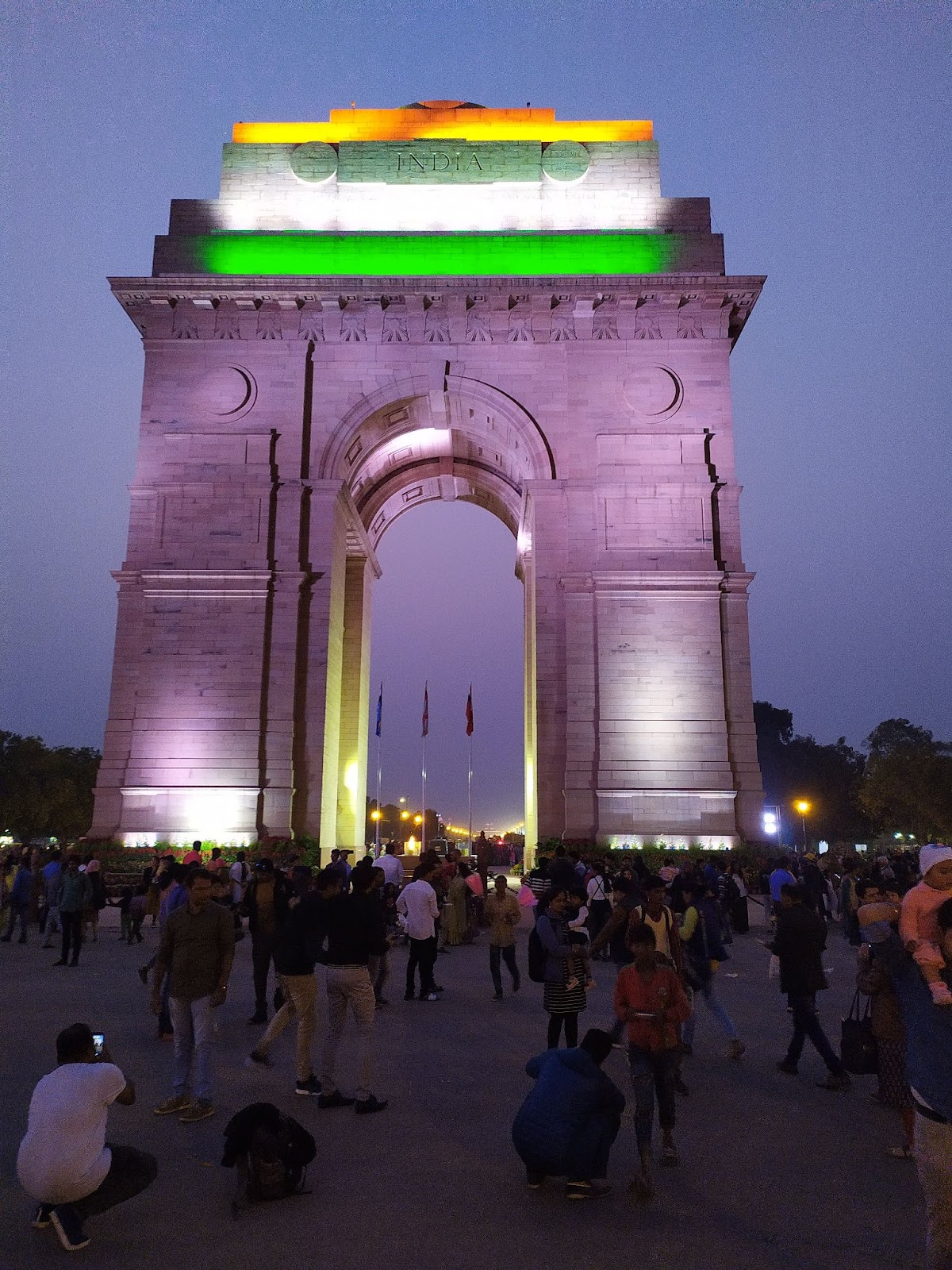
Standing proudly in the heart of New Delhi, India Gate is one of the most recognizable landmarks in India. More than just a tourist attraction, it serves as a symbol of sacrifice, patriotism, and national pride. Located along the ceremonial boulevard known as Kartavya Path (formerly Rajpath), this grand arch-shaped monument attracts thousands of visitors every day, from history enthusiasts and photographers to families and travelers exploring the capital city.
Surrounded by expansive lawns, illuminated fountains, and some of Delhi’s most important government buildings, India Gate offers a perfect blend of history, architecture, and public space. Whether visited during the day or beautifully lit up at night, the monument remains one of the most memorable experiences in Delhi.
History of India Gate
India Gate was built during the British colonial period as a memorial to the soldiers of the British Indian Army who lost their lives in military campaigns, particularly during the First World War (1914–1918) and the Third Anglo-Afghan War.
The foundation stone was laid on February 10, 1921, by the Duke of Connaught, a member of the British royal family. The monument was designed by the renowned British architect Sir Edwin Lutyens, who was also responsible for designing much of New Delhi’s central administrative district.
After nearly a decade of construction, the memorial was officially inaugurated in 1931 by Lord Irwin, the Viceroy of India. The names of more than 13,000 soldiers are inscribed on the monument, while it commemorates the sacrifice of over 82,000 Indian and British soldiers who served in various war theatres.
Today, India Gate stands not only as a colonial-era memorial but also as a national symbol honoring the courage and dedication of Indian soldiers.
Architecture and Design
The design of India Gate draws inspiration from famous triumphal arches around the world, including the Arc de Triomphe in Paris. Built primarily from red and pale sandstone sourced from Rajasthan, the monument showcases a blend of classical European architectural styles and Indian craftsmanship.
Rising to a height of approximately 42 meters, India Gate dominates the landscape of Central Delhi. The massive arch is adorned with inscriptions and decorative details that reflect the solemn purpose of the memorial.
The surrounding area covers a vast expanse of landscaped gardens and open spaces, making it one of the largest public gathering places in the city.
Amar Jawan Jyoti and the National War Memorial
One of the most significant additions to India Gate’s legacy came after the Indo-Pakistani War of 1971. In 1972, then Prime Minister Indira Gandhi inaugurated the Amar Jawan Jyoti, an eternal flame dedicated to the unknown soldiers who sacrificed their lives for the nation.
The memorial consisted of a black marble pedestal with a rifle standing upright and a soldier’s helmet placed on top. For decades, the flame burned continuously as a tribute to India’s fallen heroes.
In recent years, the focus of military remembrance has shifted to the nearby National War Memorial, located a short distance from India Gate. The memorial honors soldiers who have laid down their lives in independent India’s military operations. It is guarded by personnel from the Indian Army, Navy, and Air Force and has become the nation’s primary war memorial.
The Canopy and Netaji Subhas Chandra Bose Statue
A short distance from India Gate stands a historic sandstone canopy that once housed a statue of King George V. Following India’s independence, the statue was removed, leaving the canopy empty for many years.
In 2022, a grand statue of Netaji Subhas Chandra Bose was installed beneath the canopy. The statue serves as a tribute to one of India’s most respected freedom fighters and has become another major attraction in the area.
The India Gate Experience Today
The redevelopment of the Central Vista and Kartavya Path area has transformed the surroundings of India Gate into a modern public space while preserving its historical significance.
Wide pedestrian walkways, improved landscaping, water features, seating areas, and enhanced lighting have made the area more accessible and enjoyable for visitors. During evenings, families gather on the lawns, street vendors offer snacks, and the illuminated monument creates a spectacular atmosphere.
The area is especially vibrant on weekends and public holidays when locals and tourists come together to enjoy the open spaces.
Things to Do at India Gate
Take a Morning Walk
Early mornings at India Gate are peaceful and refreshing. Many Delhi residents visit the area for jogging, walking, cycling, and enjoying the cooler weather before the city becomes busy.
Enjoy an Evening Outing
The monument looks particularly stunning after sunset when it is illuminated against the night sky. The cool breeze and lively atmosphere make evenings the most popular time to visit.
Have a Family Picnic
The lush green lawns surrounding India Gate provide an excellent setting for family gatherings and casual picnics. Visitors often spend hours relaxing while enjoying views of the monument.
Visit the National War Memorial
A visit to the nearby National War Memorial adds deeper historical significance to the experience. The memorial’s architecture, inscriptions, and eternal flame offer a moving tribute to India’s armed forces.
Photography
India Gate is one of Delhi’s most photogenic locations. Sunrise, sunset, and nighttime lighting provide excellent opportunities for photography.
Explore Kartavya Path
The grand boulevard stretching between India Gate and Rashtrapati Bhavan offers impressive views and showcases some of India’s most important government buildings.
Best Time to Visit
The ideal time to visit India Gate is between October and March when Delhi experiences pleasant weather.
Early mornings and evenings are the most comfortable times of the day. Summers can be extremely hot, while winter evenings often offer beautiful views through the city’s seasonal mist.
How to Reach India Gate
By Metro
The nearest metro stations include:
- Central Secretariat Metro Station
- Udyog Bhawan Metro Station
- Janpath Metro Station
From these stations, visitors can take a short auto-rickshaw ride, cab, or walk to the monument.
By Bus
Several Delhi Transport Corporation (DTC) buses connect India Gate with major parts of Delhi and the National Capital Region.
By Car or Taxi
India Gate is easily accessible through major roads such as Tilak Marg, Shahjahan Road, and C-Hexagon. App-based taxis and auto-rickshaws are readily available throughout the city.
Nearby Attractions
National War Memorial
Located adjacent to India Gate, this memorial honors Indian soldiers who sacrificed their lives after independence.
Rashtrapati Bhavan
The official residence of the President of India is known for its magnificent architecture and Mughal Gardens.
Parliament House
One of the most important democratic institutions in the country, situated close to the India Gate complex.
National Museum
Home to an extensive collection of Indian art, archaeological artifacts, manuscripts, and historical treasures.
Purana Qila
One of Delhi’s oldest forts, associated with the Mughal emperor Humayun and the legendary city of Indraprastha.
Pragati Maidan
A major exhibition and convention center that regularly hosts trade fairs, cultural events, and international exhibitions.
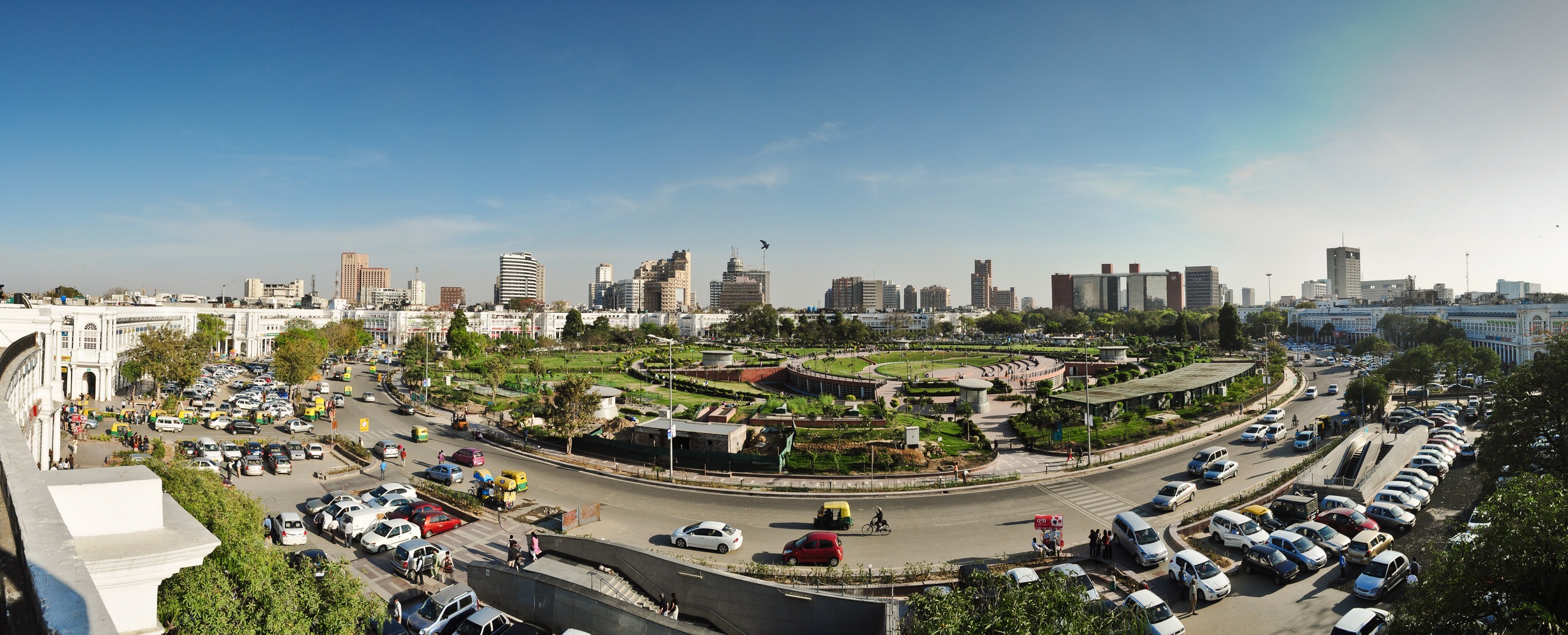
Connaught Place
Delhi’s famous commercial and entertainment hub is only a short drive away and offers shopping, dining, and nightlife.
Interesting Facts About India Gate
- India Gate was designed by Sir Edwin Lutyens, one of the chief architects of New Delhi.
- The monument stands approximately 42 meters tall.
- It is often compared to the Arc de Triomphe in Paris.
- The sandstone used in its construction was sourced primarily from Rajasthan.
- India Gate remains one of the most visited monuments in India.
- The monument serves as the focal point of Republic Day celebrations and national commemorative events.
Maps
FAQs
Is there an entry fee for India Gate?
No. Visitors can view and explore the India Gate area free of charge.
What are the visiting hours?
India Gate is accessible throughout the day, though evenings are generally the most popular time to visit.
Is India Gate open at night?
Yes. The monument is beautifully illuminated after sunset and remains a popular nighttime attraction.
How much time is needed to visit India Gate?
Most visitors spend between one and three hours exploring the monument, lawns, and nearby attractions.
Can visitors enter inside India Gate?
No. Visitors can walk around and view the monument from the outside, but the interior is not open to the public.
Which metro station is nearest to India Gate?
Central Secretariat Metro Station is one of the nearest and most convenient metro stations for reaching India Gate.
Is photography allowed?
Yes. Photography is permitted and India Gate is one of the most photographed landmarks in Delhi.