Image Source: Pradeep Gupta
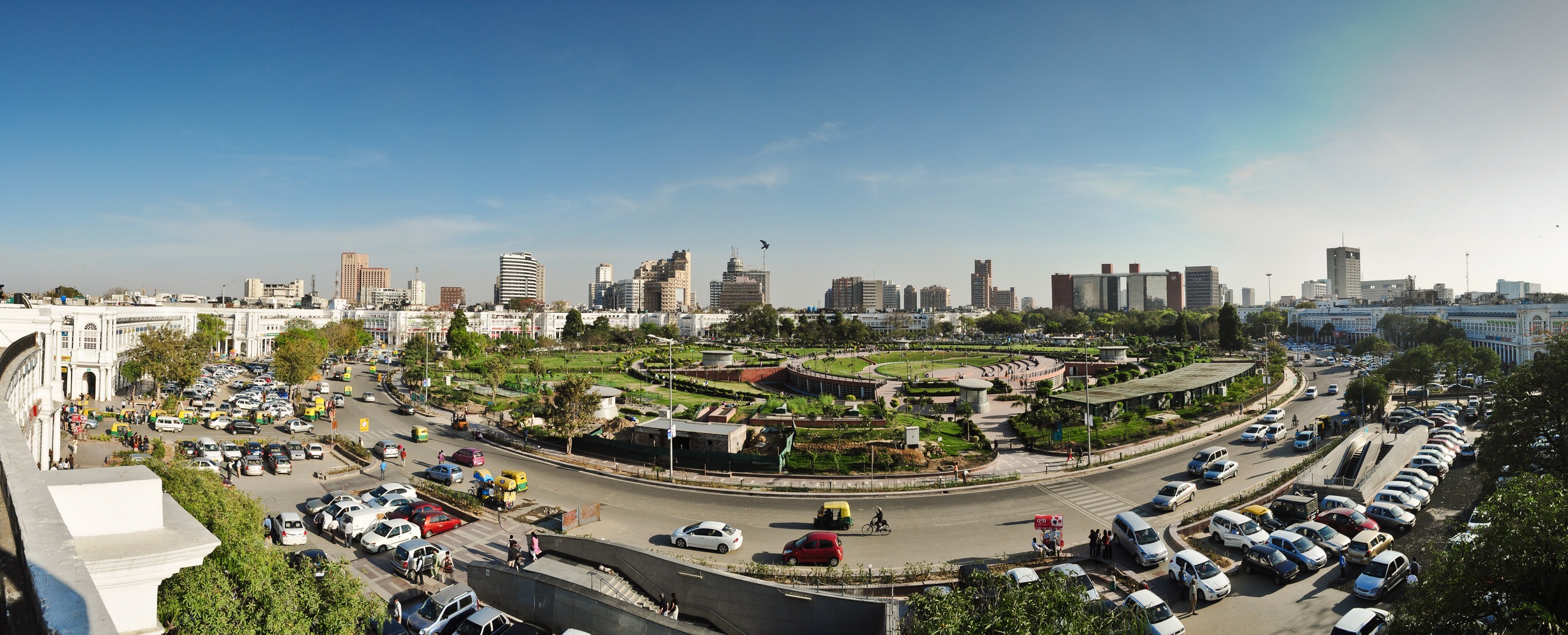
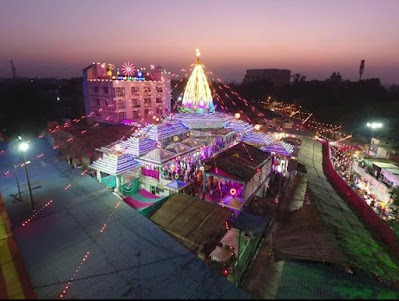
Jhandewalan Temple is one of the most ancient and spiritually powerful Hindu shrines in Delhi, located near Karol Bagh, about three kilometers from Connaught Place. Dedicated to Maa Jhandewali Devi, a fierce and benevolent manifestation of Adi Shakti, the temple is widely regarded as a Siddhapeeth, a sacred place where devotees believe wishes are fulfilled. Owing to its unique cave shrine (gufa), deep-rooted mythology, and central location, Jhandewalan Temple holds immense importance for both Indian and international pilgrims visiting Delhi.
Historical Discovery and Origin of Jhandewalan Temple
More than two centuries ago, the area around present-day Jhandewalan was vastly different from the bustling commercial hub it is today. It was part of the Aravalli hill system, covered with dense forests and sparsely inhabited land. During this period lived Shri Badri Das, a cloth merchant from Chandni Chowk, who was also a deeply spiritual individual. He frequently visited this secluded region for meditation and penance.
According to temple history, during one such meditation, Badri Das experienced a powerful divine vision indicating that an ancient shrine of the Goddess lay hidden beneath the earth. This spiritual intuition was later reinforced through a recurring dream, urging him to excavate the spot. Acting upon this divine guidance, Badri Das arranged for digging at the site, which led to the discovery of a deep underground cave (gufa). Inside the cave lay an idol of the goddess along with a sacred flag (jhanda), confirming the divine origin of the place.
During the excavation, the idol’s hands were partially damaged. To preserve the sanctity of worship and ensure that the deity could continue to be revered without ritual imperfection, Badri Das respectfully fitted the idol with silver hands. Recognizing the importance of public worship, he also installed a new idol above the cave, while the original deity remains enshrined within the gufa. Alongside the Goddess, a naturally formed Shivling was also discovered in the cave, further enhancing the spiritual significance of the site.
One of the most remarkable aspects of the discovery was the lighting of an Akhand Jyoti (eternal flame) at the time. This sacred flame continues to burn inside the cave to this day, symbolizing the uninterrupted presence of divine energy at Jhandewalan.
Mythology and Spiritual Significance
In Hindu belief, Maa Jhandewali is considered a powerful form of Durga, embodying protection, strength, and the destruction of evil. The Goddess’s emergence from beneath the earth aligns with Shakti traditions, which believe that divine feminine energy resides within the soil and reveals itself when humanity needs guidance and protection.
The gufa shrine is regarded as the prakatya sthal—the manifestation point of the Goddess—making it spiritually more intense than the upper temple. Many devotees insist on first offering prayers in the cave before proceeding upward. The presence of the Shivling establishes the temple as a rare Shakti–Shiva confluence, where feminine and masculine cosmic energies coexist harmoniously.
During Navratri, the temple transforms into one of Delhi’s most significant pilgrimage centers, drawing devotees from Karol Bagh, Paharganj, Old Delhi, Connaught Place, and far beyond.
Meaning and Origin of the Name “Jhandewalan”
The name Jhandewalan has two widely accepted interpretations. According to one belief, the temple derives its name from the jhanda (flag) discovered along with the idol during excavation. Another popular explanation relates to the period after the temple’s construction, when a large religious flag was installed atop the shrine. Since the temple stood on an elevated mound, the flag was visible from a great distance, and people began referring to the area as “Jhandewala.” Over time, this name became permanently associated with both the temple and the surrounding locality.
Architecture of Jhandewalan Temple
The architecture of Jhandewalan Temple is spiritually symbolic rather than ornate, reflecting its ancient origins and Shakti traditions. The temple complex is organized into two distinct levels, representing a journey from the earthly to the divine. The lower level, or the gufa shrine, preserves the original cave where the goddess appeared. This underground sanctum is narrow, dimly lit, and intentionally austere, creating an atmosphere of introspection and reverence. Stone-lined passages, low ceilings, and confined space evoke the ancient cave temples of India and enhance the feeling of entering the sacred womb of the earth. The original idol with silver hands, the Shivling, and the Akhand Jyoti are housed here, making it the most spiritually potent part of the complex.
Above the cave stands the upper temple, built in the traditional North Indian Nagara architectural style. The structure features a prominent shikhara, symbolizing Mount Meru, the cosmic axis of the universe. The upper sanctum houses a more ornate idol of Maa Jhandewali, adorned with colorful garments and decorations. Open courtyards, wide stairways, and rows of fluttering sacred flags (jhandas) define the temple’s visual identity. Together, the cave and the upper shrine create a powerful architectural narrative of divine emergence and spiritual ascent.
Management and Social Contributions
After Badri Das, the responsibility of managing the temple passed to his son, Shri Ramji Das, and later to his grandson, Shri Shyam Sunder. In 1944, the Badri Bhagat Jhandewala Temple Society was formally established to oversee the temple’s administration. Beyond religious duties, the society is actively involved in social welfare, running a dispensary, a women’s health check-up center, sewing and skill-development facilities, and several educational institutions, making the temple a center of both spiritual and social service.
How to Reach Jhandewalan Temple
Jhandewalan Temple is easily accessible from all parts of Delhi.
By Metro: Jhandewalan Metro Station on the Blue Line is the nearest station, within walking distance.
By Road: Well connected via Karol Bagh, Connaught Place, and Paharganj; autos and taxis are readily available.
By Bus: Several DTC buses stop near Jhandewalan.
From Railway Station: Easily reachable from New Delhi Railway Station by auto or metro.
Visiting Hours and Best Time to Visit
The temple opens at 5:00 AM during summer and 5:30 AM during winter. It usually closes between 1:00 PM and 4:00 PM, except on Sundays, Tuesdays, and major festivals, when it remains open throughout the day. While Navratri is the most auspicious time to visit, those seeking a calmer experience should consider visiting between February and March or September and November.
Nearby Attractions
Birla Mandir (Laxminarayan Temple).
Ramakrishna Ashram.
Gurudwara Bangla Sahib.
Karol Bagh Market.
Connaught Place.
Google Maps
FAQ’s
What is the significance of Jhandewalan Temple?
Jhandewalan Temple is one of Delhi’s most famous Hindu temples dedicated to Goddess Durga, also known as Maa Aadi Shakti. The temple is especially popular during Navratri when thousands of devotees visit for blessings and celebrations.
Why is the temple called “Jhandewalan”?
The name “Jhandewalan” comes from the tradition of devotees offering flags, or “jhandas,” to the goddess as a symbol of faith and fulfilled wishes. This practice is believed to date back to the Mughal era.
What are the timings of Jhandewalan Temple?
The temple generally opens early in the morning and remains open until late evening, with a break in the afternoon on some days. Aarti ceremonies are held multiple times daily.
How can visitors reach Jhandewalan Temple?
The temple is easily accessible by metro, with Jhandewalan Metro Station being the nearest stop. It is also close to Karol Bagh and New Delhi Railway Station, making it convenient for both tourists and devotees.
What are the main attractions inside the temple complex?
The temple complex includes the main Durga shrine, a Hanuman temple, a Shiva shrine, prayer halls, and areas for devotional activities. The massive Hanuman statue near the temple is also a well-known landmark in central Delhi