Image Source: Vishnu Murali
Uttara Guruvayurappan Temple is a prominent Hindu temple located in Mayur Vihar Phase-I, East Delhi. Dedicated to Lord Krishna in his Guruvayurappan form, the temple is a spiritual and cultural center for the South Indian—especially Malayali—community living in Delhi and the NCR. Often referred to as the “North Indian Guruvayur,” this temple brings the devotional essence, rituals, and architectural style of Kerala’s famous Guruvayur Sri Krishna Temple to the heart of the capital.
Historical Background and Establishment
The Uttara Guruvayurappan Temple was established with the vision of providing devotees in North India an authentic space to worship Lord Guruvayurappan without traveling to Kerala. The temple was developed by members of the Kerala Samajam and Malayali community in Delhi, who wished to preserve their religious traditions, temple customs, and festival practices in a metropolitan setting.
Since its inception, the temple has grown not only as a place of worship but also as a cultural institution that promotes Kerala’s spiritual heritage, classical arts, and Vedic traditions. Over the years, it has become one of the most respected Krishna temples in East Delhi.
Spiritual and Religious Significance
Lord Guruvayurappan is worshipped here as Balakrishna, the child form of Lord Vishnu, symbolizing compassion, protection, and divine playfulness. Devotees believe that prayers offered at Uttara Guruvayurappan Temple bring peace, prosperity, child blessings, and relief from obstacles.
The temple strictly follows Kerala Tantric rituals, making it spiritually aligned with the traditions of Guruvayur. Daily poojas, Usha Pooja, Ucha Pooja, Deeparadhana, and Athazha Pooja are conducted with great discipline. Many devotees observe Ekadashi fasts, offer Tulabharam, and participate in special sevas dedicated to Lord Krishna.
Architecture of Uttara Guruvayurappan Temple
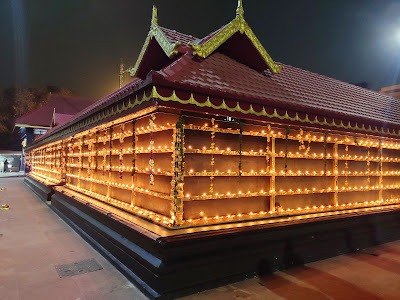
The architecture of Uttara Guruvayurappan Temple reflects traditional Kerala temple design, distinct from North Indian Nagara styles. The temple features a sloping tiled roof, wooden structural elements, and a simple yet sacred layout that emphasizes devotion over ornamentation. The sanctum sanctorum (Sreekovil) houses the idol of Lord Guruvayurappan, carved and consecrated according to Kerala Agama Shastras.
A prominent Deepastambha (lamp tower) stands in front of the shrine, while oil lamps illuminate the temple during evening prayers, creating a serene and spiritually immersive atmosphere. The use of natural materials, symmetrical layout, and muted color palette gives the temple a calm, meditative character, closely resembling temples found in Thrissur and Guruvayur regions of Kerala.
Festivals and Cultural Activities
The temple is especially vibrant during Krishna Janmashtami, Vishu, Onam, and Ekadashi celebrations. During these festivals, the temple hosts bhajans, Kathakali performances, classical music concerts, and devotional discourses, transforming it into a cultural hub for the Malayali community in Delhi.
Janmashtami is the most significant event, marked by elaborate decorations, special abhishekams, and midnight celebrations commemorating the birth of Lord Krishna.
How to Reach Uttara Guruvayurappan Temple
Uttara Guruvayurappan Temple is conveniently located and well connected.
By Metro:
The nearest metro station is Mayur Vihar Phase-I Metro Station (Blue Line), from where the temple is easily reachable by foot or auto-rickshaw.
By Road:
The temple is accessible via Noida Link Road, Laxmi Nagar, and Patparganj, with ample public transport options.
By Bus:
Several DTC buses operate through Mayur Vihar-I, stopping close to the temple complex.
Visiting Hours and Best Time to Visit
The temple is generally open during morning and evening pooja hours, with specific timings aligned to Kerala temple customs. Early mornings and evenings during deeparadhana are considered the most spiritually uplifting times to visit. Festivals and Ekadashi days attract larger crowds, while weekdays offer a quieter devotional experience.
Nearby Attractions
Visitors often combine their temple visit with nearby landmarks such as:
Akshardham Temple.
Sanjay Lake.
Yamuna Khadar Walkways.
Mayur Vihar Market.
Google Maps
FAQ’s
What is special about Uttara Guruvayurappan Temple in Mayur Vihar?
The Uttara Guruvayurappan Temple is famous for its traditional Kerala-style architecture and is often called the “Guruvayur Temple of North India.” Dedicated to Lord Krishna as Guruvayurappan, the temple recreates the spiritual atmosphere of Kerala’s famous Guruvayur Temple.
Where is Uttara Guruvayurappan Temple located?
The temple is located in Mayur Vihar Phase 1, Pocket 3, Delhi, near the Mayur Vihar Pocket-1 Metro Station. It is easily accessible by metro, road, and local transport.
What are the temple timings for Uttara Guruvayurappan Temple?
The temple generally opens in the morning from around 5:30 AM to 11:00 AM and again in the evening from 5:00 PM or 6:00 PM until about 8:30 PM or 9:00 PM. Timings may vary slightly during festivals and special poojas.
Are there any dress code rules at Uttara Guruvayurappan Temple?
Yes, visitors are expected to wear modest traditional or decent clothing. Photography inside the sanctum is usually restricted, and devotees are advised to follow temple customs respectfully.
Which festivals are celebrated at Uttara Guruvayurappan Temple?
Major festivals like Krishna Janmashtami, Onam, Vishu, Mandala season, and the annual Utsavam are celebrated with great devotion. The temple is beautifully decorated during these occasions and attracts devotees from across Delhi and nearby regions.