About Gyuto Monastery
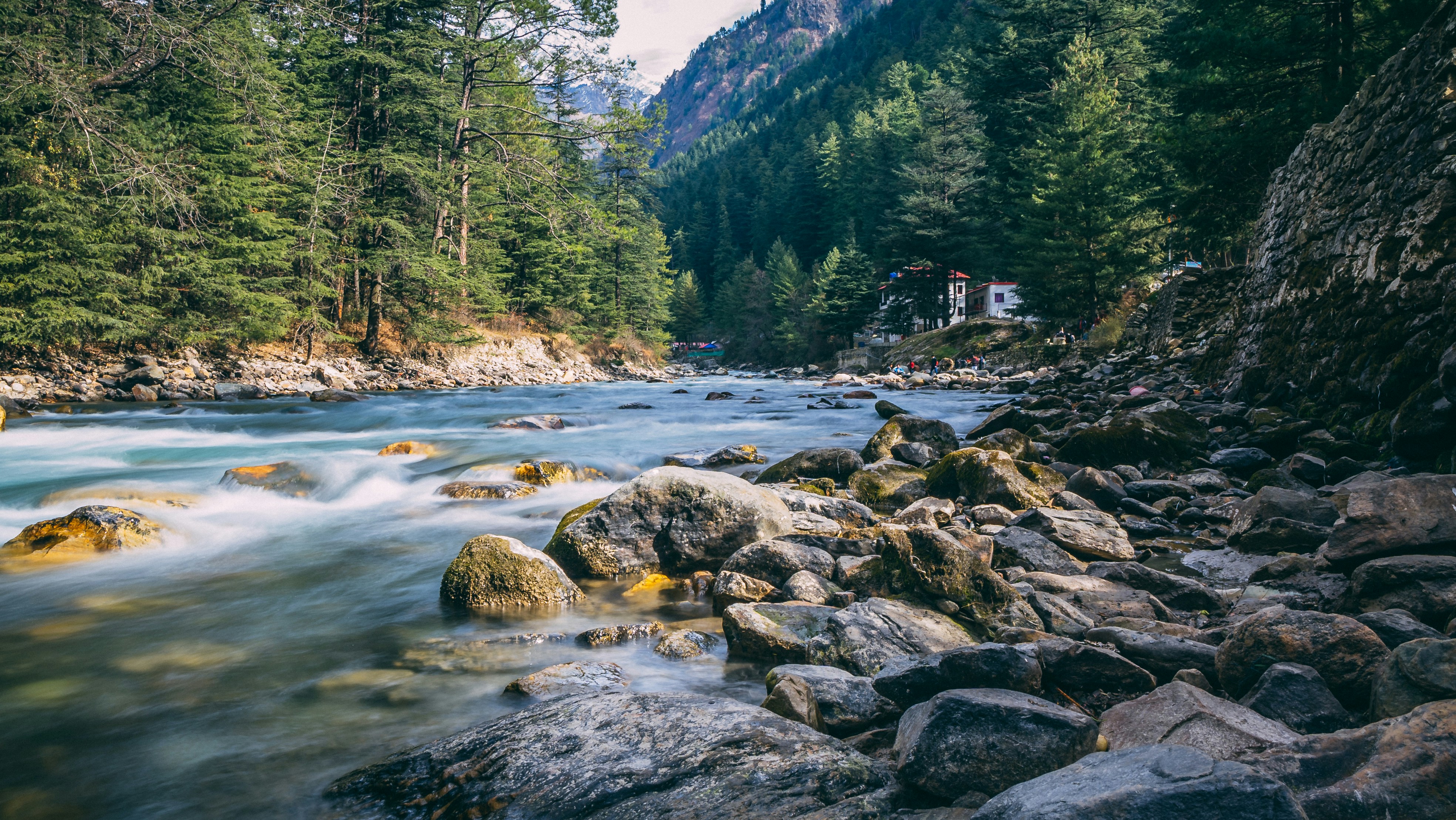
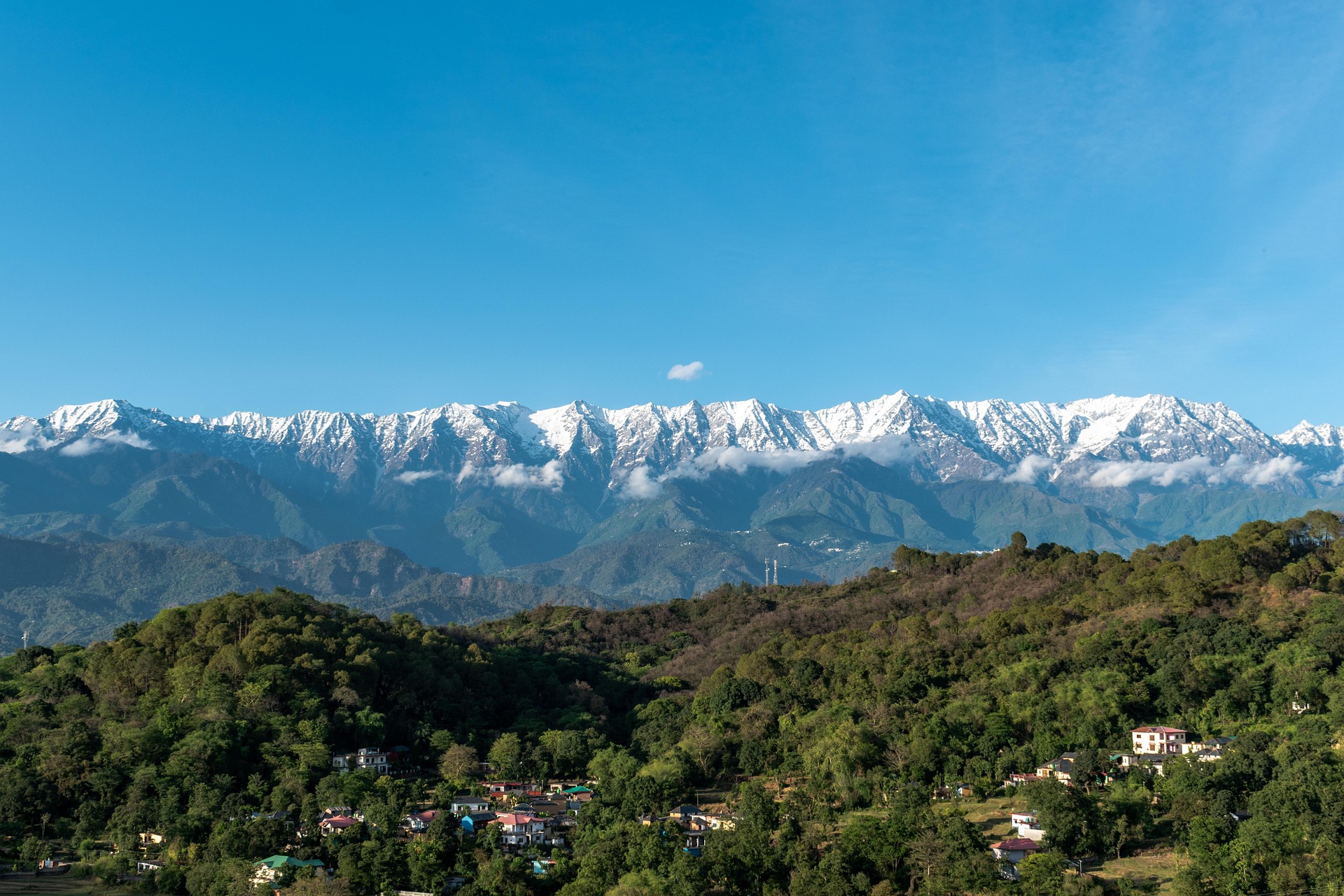
Nestled amidst the serene foothills of the majestic Dhauladhar Range in Himachal Pradesh, Gyuto Monastery is one of the most important Tibetan Buddhist monasteries in India. Located near Sidhbari, about 8 kilometers from Dharamshala, the monastery offers a peaceful atmosphere surrounded by lush greenery, mountain views, and the tranquil landscapes of the Kangra Valley.
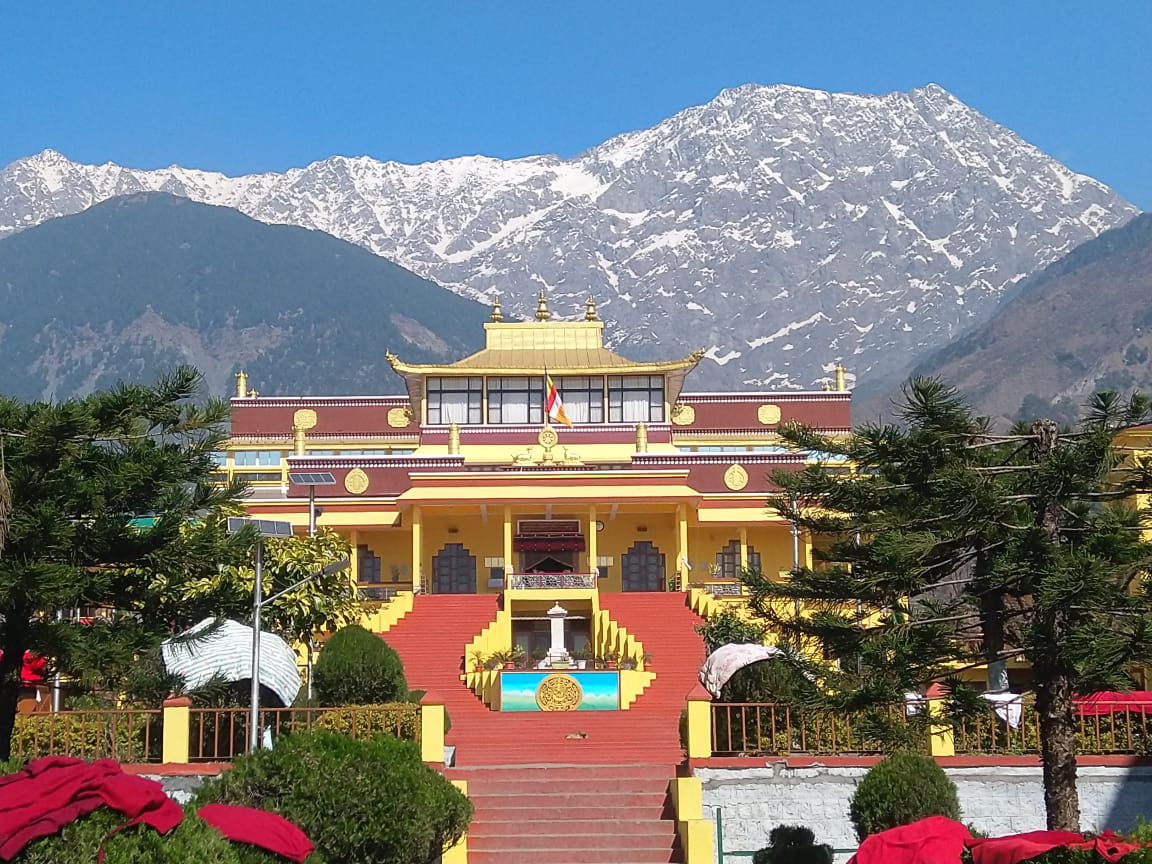
The monastery serves as the headquarters of the Gyuto Tantric University and is renowned for preserving the ancient traditions of Vajrayana Buddhism. Visitors are drawn not only by its spiritual significance but also by its striking Tibetan architecture, beautifully landscaped grounds, colorful prayer flags, and magnificent golden statues of Lord Buddha.
One of the most captivating sights at Gyuto Monastery is witnessing the early morning sunlight illuminate the monastery’s golden rooftops and sacred statues. The peaceful chants of monks echoing through the prayer halls create a deeply calming experience for visitors.
Unlike some popular misconceptions, the monastery is dedicated to advanced Tantric Buddhist teachings, meditation, philosophy, and ritual practices. These teachings focus on compassion, wisdom, spiritual transformation, and mental discipline rather than what is commonly referred to as “black magic.”
History of Gyuto Monastery
The origins of Gyuto Monastery date back to 1474 when it was founded in Tibet by the revered Buddhist master Kunga Dhondup, a disciple of the great scholar and reformer Tsongkhapa, founder of the Gelug school of Tibetan Buddhism.
The monastery became one of the principal centers for Tantric studies in Tibet. Following the Chinese occupation of Tibet in 1959, many Tibetan monks fled their homeland and sought refuge in India. The monastery was subsequently re-established in India to preserve its rich spiritual traditions and educational practices.
Over the decades, Gyuto Monastery has become an important institution for the preservation of Tibetan culture, language, rituals, and Buddhist philosophy. It continues to attract monks, scholars, and spiritual seekers from around the world.
The monastery also gained international recognition for its unique style of multiphonic throat chanting, a highly specialized chanting tradition practiced by Gyuto monks. Their remarkable vocal techniques earned global attention and even received a Grammy Award nomination in 2011.
The Gyuto Monks and Their Training
Gyuto Monastery is best known for its rigorous training in Tantric Buddhism. Young monks enter the monastery to study Buddhist scriptures, meditation techniques, ritual practices, philosophy, and sacred chanting traditions.
The educational curriculum includes the study of important tantric texts and practices associated with deities such as Vajrabhairava, Chakrasamvara, and Guhyasamaja. Monks undergo years of intensive training, memorization, meditation, and examinations under the guidance of senior teachers.
The monastery’s chanting tradition is particularly famous. During prayer sessions, visitors can hear deep harmonic chants performed by monks, a rare vocal technique that creates multiple tones simultaneously and is considered one of the most distinctive features of Tibetan Buddhist practice.
Architecture and Highlights
Gyuto Monastery showcases beautiful Tibetan architecture blended with the natural beauty of the Himalayan landscape.
Some of the major attractions within the monastery include:
- A magnificent gold-plated statue of Lord Buddha.
- Intricately decorated prayer halls.
- Colorful Tibetan murals and thangka paintings.
- Beautifully maintained gardens and courtyards.
- Traditional prayer wheels.
- Panoramic views of the Dhauladhar mountains.
- Peaceful meditation spaces ideal for reflection.
The monastery’s calm environment makes it an excellent place for meditation, photography, and learning about Tibetan culture.
Best Time to Visit
The ideal time to visit Gyuto Monastery is between March and June and again from September to November.
During these months, the weather remains pleasant, skies are generally clear, and visitors can enjoy spectacular views of the surrounding mountains. Winter visits are also rewarding, as the snow-covered Dhauladhar peaks create a stunning backdrop for the monastery.
How to Reach Gyuto Monastery
By Air
The nearest airport is Kangra Airport, located approximately 15 kilometers from the monastery. Taxis are readily available from the airport to Sidhbari.
By Train
The closest major railway station is Pathankot Railway Station, about 90 kilometers away. From Pathankot, visitors can hire a taxi or take a bus to Dharamshala and then proceed to the monastery.
For a scenic journey, travelers can also use the narrow-gauge Kangra Valley Railway that connects several towns in the region.
By Road
Gyuto Monastery is well connected by road to Dharamshala, McLeod Ganj, Kangra, and Pathankot.
- Dharamshala to Gyuto Monastery: approximately 8 km
- McLeod Ganj to Gyuto Monastery: approximately 15 km
- Kangra to Gyuto Monastery: approximately 12 km
Regular buses, taxis, and auto-rickshaws are available from Dharamshala.
Nearby Attractions
Norbulingka Institute
Located a short distance from the monastery, Norbulingka Institute is dedicated to preserving Tibetan art, culture, and traditional crafts. Visitors can explore workshops, temples, gardens, and museums.
Dalai Lama Temple Complex
One of the most important Tibetan Buddhist sites in India, this temple serves as a major spiritual center and residence area associated with the Dalai Lama.
Bhagsu Waterfall
A popular natural attraction surrounded by scenic hills and trekking trails.
Dal Lake
A picturesque mountain lake surrounded by deodar forests, ideal for peaceful walks and photography.
St. John in the Wilderness Church
A historic neo-Gothic church dating back to the British colonial era.
Triund
One of Himachal Pradesh’s most famous trekking destinations, offering breathtaking views of the Dhauladhar mountains.
Maps
FAQs
1. Where is Gyuto Monastery located?
Gyuto Monastery is located in Sidhbari near Dharamshala in the Kangra district of Himachal Pradesh.
2. Why is Gyuto Monastery famous?
It is famous for its Tantric Buddhist teachings, unique throat chanting traditions, Tibetan architecture, and peaceful surroundings.
3. Who founded Gyuto Monastery?
The monastery was founded in Tibet in 1474 by Kunga Dhondup, a disciple of Tsongkhapa.
4. Can tourists visit Gyuto Monastery?
Yes, visitors are welcome to explore the monastery grounds, prayer halls, and surrounding gardens while respecting monastery rules.
5. What is throat chanting?
Throat chanting is a specialized Tibetan Buddhist chanting technique in which monks produce multiple harmonic tones simultaneously.
6. Is there an entry fee for Gyuto Monastery?
Entry policies may change over time, but generally visitors can access the monastery premises free of charge.
7. How much time is needed to explore the monastery?
Most visitors spend between one and two hours exploring the monastery and enjoying the surroundings.
8. What is the best time to visit?
March to June and September to November are considered the best seasons for visiting.
9. Is photography allowed inside the monastery?
Photography is usually allowed in outdoor areas, but restrictions may apply inside prayer halls and sacred spaces.
10. Can visitors attend prayer sessions?
Visitors may be able to observe prayer ceremonies depending on monastery schedules and visitor guidelines.