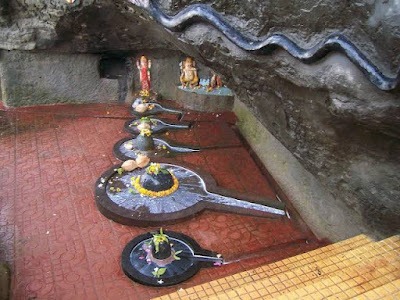
Image Source: JESKI PUROHIT
Introduction
Nestled along the rugged coastline of Diu, Gangeshwar Mahadev Temple is one of the region’s most fascinating spiritual landmarks. Located in the quiet village of Fudam, about 3 kilometers from Diu town, this ancient Shiva temple stands where the Arabian Sea meets rocky cliffs, creating a breathtaking setting that is both sacred and scenic. Unlike many traditional temples, Gangeshwar Mahadev is built amidst natural sea caves and rock formations, allowing waves from the Arabian Sea to wash over its revered Shiva Lingas during high tide.
The temple attracts devotees, history enthusiasts, and travelers alike, offering a unique blend of spirituality, mythology, and natural beauty. The rhythmic sound of crashing waves, the salty sea breeze, and the peaceful surroundings make it one of the most memorable places to visit in Diu.
About Gangeshwar Mahadev Temple
Gangeshwar Mahadev Temple is dedicated to Lord Shiva, one of the principal deities of Hinduism. The temple is situated directly on the seashore of Fudam village and is often referred to as the “Seashore Temple” because of its extraordinary location beside the Arabian Sea.
Unlike grand temple complexes with towering spires, Gangeshwar Mahadev derives its charm from its simplicity and natural setting. The shrine is built around a rocky cave where devotees can offer prayers while enjoying stunning views of the sea. The temple’s tranquil atmosphere makes it a perfect place for meditation and reflection.
The temple is particularly famous for its five naturally placed Shiva Lingas, which stand on a rocky platform constantly touched by seawater. Watching the waves gently wash over these sacred Lingas is considered a deeply spiritual experience by devotees.
Unique Features of the Temple
The most remarkable feature of Gangeshwar Mahadev Temple is the presence of five Shiva Lingas carved into the coastal rocks. These Lingas are of different sizes and are believed to represent the five Pandava brothers from the Mahabharata.
During high tide, seawater partially or completely submerges the Lingas, while during low tide they become clearly visible to visitors. This natural interaction between the sea and the sacred symbols of Lord Shiva is what makes the temple truly unique.
Inside the cave-like shrine, visitors can also find idols of Lord Ganesha, Lord Vishnu, and Goddess Lakshmi. These deities add to the temple’s spiritual significance and attract worshippers from various Hindu traditions.
Above the Lingas, a carving associated with Sheshnag, the divine serpent, can be seen overlooking the sacred site. The combination of ancient rock carvings, sea caves, and natural coastal scenery creates an atmosphere unlike any other temple in western India.
History and Mythological Significance
Although there is no archaeological evidence that precisely dates the temple, local traditions claim that Gangeshwar Mahadev Temple is more than 5,000 years old. The temple is closely associated with the epic Mahabharata and the legendary Pandavas.
According to popular belief, the five Pandava brothers established the shrine during their exile. It is said that they carved the five Shiva Lingas into the rocks and worshipped Lord Shiva here every day. Local folklore further states that the largest Linga was installed by Bhima, the strongest of the Pandava brothers.
The temple’s name combines two Sanskrit words: “Ganga” and “Ishwar,” meaning “Lord of the Ganga.” This refers to Lord Shiva’s role in Hindu mythology when he received the mighty River Ganga in his matted locks, controlling her descent to Earth and preventing widespread destruction. Because of this act, Shiva is also known as Gangadhar, the bearer of the Ganga.
Religious Importance
For devotees of Lord Shiva, Gangeshwar Mahadev Temple holds immense spiritual significance. Many visitors believe that the continuous washing of the Shiva Lingas by seawater symbolizes purification and divine blessings.
The temple experiences a larger influx of pilgrims during Mahashivaratri, Shravan month, and other important Hindu festivals dedicated to Lord Shiva. During these occasions, devotees gather to perform special prayers, offer milk and flowers, and seek blessings for health, prosperity, and spiritual growth.
The peaceful environment and constant presence of the sea create a deeply meditative atmosphere that enhances the devotional experience.
The Visitor Experience
A visit to Gangeshwar Mahadev Temple is unlike visiting a conventional temple. As you walk down the rocky path leading to the shrine, you are greeted by spectacular views of the Arabian Sea. The sound of waves crashing against the rocks adds a natural rhythm to the spiritual ambiance.
Many visitors choose to spend time watching the changing tides, especially during sunset when the golden light reflects off the sea and surrounding rocks. The temple’s location makes it a favorite spot for photography, sightseeing, and quiet contemplation.
The best time to visit is during low tide, when all five Shiva Lingas are clearly visible. Visitors should also exercise caution on the slippery rocks, particularly during high tide and the monsoon season.
Local Culture and Surroundings
The temple is located in Fudam, a traditional fishing village on the outskirts of Diu. The area reflects the unique cultural blend of Gujarati traditions and Portuguese influences that characterize Diu.
Nearby, visitors can observe local fishermen at work, explore coastal viewpoints, and enjoy fresh seafood at local eateries. The serene village atmosphere offers a glimpse into the everyday life of Diu’s coastal communities, making the visit more enriching than a simple temple excursion.
Best Time to Visit
The ideal time to visit Gangeshwar Mahadev Temple is between October and March when the weather remains pleasant and suitable for sightseeing.
Early mornings and evenings offer cooler temperatures and beautiful sea views. Sunset is particularly popular among tourists, as the temple’s coastal setting becomes especially picturesque under the changing colors of the sky.
Visitors should check tide timings before arriving, as low tide provides the best opportunity to see the Shiva Lingas clearly.
How to Reach Gangeshwar Mahadev Temple
By Air
The nearest airport is Diu Airport, located approximately 7 kilometers from the temple. Taxis and auto-rickshaws are readily available from the airport to Fudam village.
By Train
The nearest major railway station is Veraval Railway Station in Gujarat, situated about 120 kilometers away. From Veraval, travelers can hire taxis or use bus services to reach Diu.
By Road
Diu is well connected by road with major cities in Gujarat such as Veraval, Somnath, Junagadh, and Rajkot. The temple is only about 3 kilometers from Diu town and can easily be reached by auto-rickshaw, taxi, rental scooter, or private vehicle.
Local Transportation
Renting a scooter is one of the most popular ways to explore Diu. Since most attractions are located within a short distance of one another, visitors can conveniently combine a temple visit with sightseeing around the island.
Nearby Attractions
Diu Fort
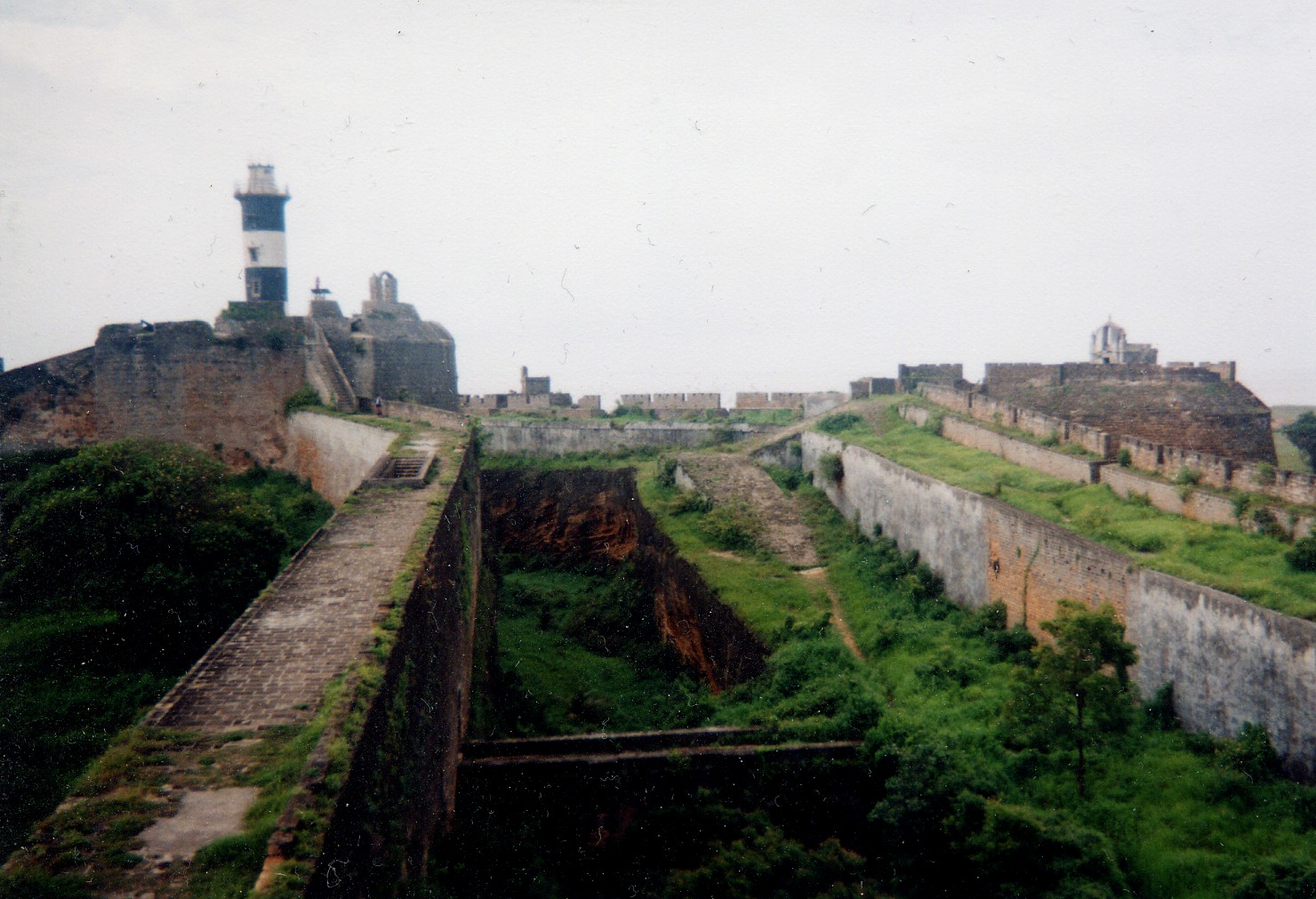
One of Diu’s most iconic landmarks, Diu Fort was built by the Portuguese in the 16th century. The massive sea-facing fort offers spectacular views of the Arabian Sea and showcases centuries of colonial history.
Nagoa Beach
Located a short drive from the temple, Nagoa Beach is famous for its horseshoe-shaped shoreline, water sports, and palm-lined coast. It is one of the most popular beaches in Diu.
Ghoghla Beach
Known for its clean sands and Blue Flag certification, Ghoghla Beach is ideal for swimming, relaxation, and water activities.
INS Khukri Memorial
This memorial commemorates the Indian Navy warship INS Khukri, which sank during the 1971 Indo-Pak War. It offers impressive sea views and an important glimpse into India’s naval history.
St. Paul’s Church
A magnificent example of Baroque architecture, St. Paul’s Church is among the most beautiful churches in Diu and reflects the region’s Portuguese heritage.
Naida Caves
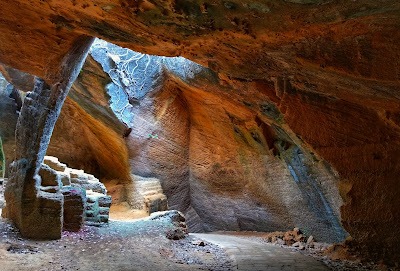
These fascinating rock-cut caves feature interconnected tunnels, natural openings, and unique geological formations that attract photographers and explorers.
Google Maps
FAQs
1. Where is Gangeshwar Mahadev Temple located?
The temple is located in Fudam village, about 3 kilometers from Diu town in the Union Territory of Dadra and Nagar Haveli and Daman and Diu.
2. Why is Gangeshwar Mahadev Temple famous?
The temple is famous for its five Shiva Lingas that are regularly washed by the waves of the Arabian Sea, creating a unique spiritual and natural phenomenon.
3. Who is believed to have established the temple?
According to local legend, the five Pandava brothers from the Mahabharata established the shrine during their exile.
4. What is the best time to visit the temple?
The best time to visit is from October to March, preferably during low tide when the Shiva Lingas are fully visible.
5. Is there an entry fee for the temple?
No, entry to Gangeshwar Mahadev Temple is generally free for all visitors.
6. How far is the temple from Diu Fort?
Gangeshwar Mahadev Temple is approximately 5–6 kilometers from Diu Fort and can be reached within a short drive.
7. Can tourists visit the temple during high tide?
Yes, visitors can visit during high tide, but some of the Shiva Lingas may be partially submerged, and caution should be exercised on the wet rocks.
8. Which festivals are celebrated at the temple?
Mahashivaratri and the holy month of Shravan are the most important religious occasions celebrated at Gangeshwar Mahadev Temple.
9. Is photography allowed at the temple?
Photography is generally permitted in the surrounding areas, but visitors should remain respectful of worshippers and religious activities.
10. Can Gangeshwar Mahadev Temple be visited along with other Diu attractions in one day?
Yes. Since the temple is located close to Diu town, visitors can comfortably combine it with Diu Fort, Naida Caves, Nagoa Beach, Ghoghla Beach, and other major attractions in a single day.