Image Source: Aaron C
Introduction
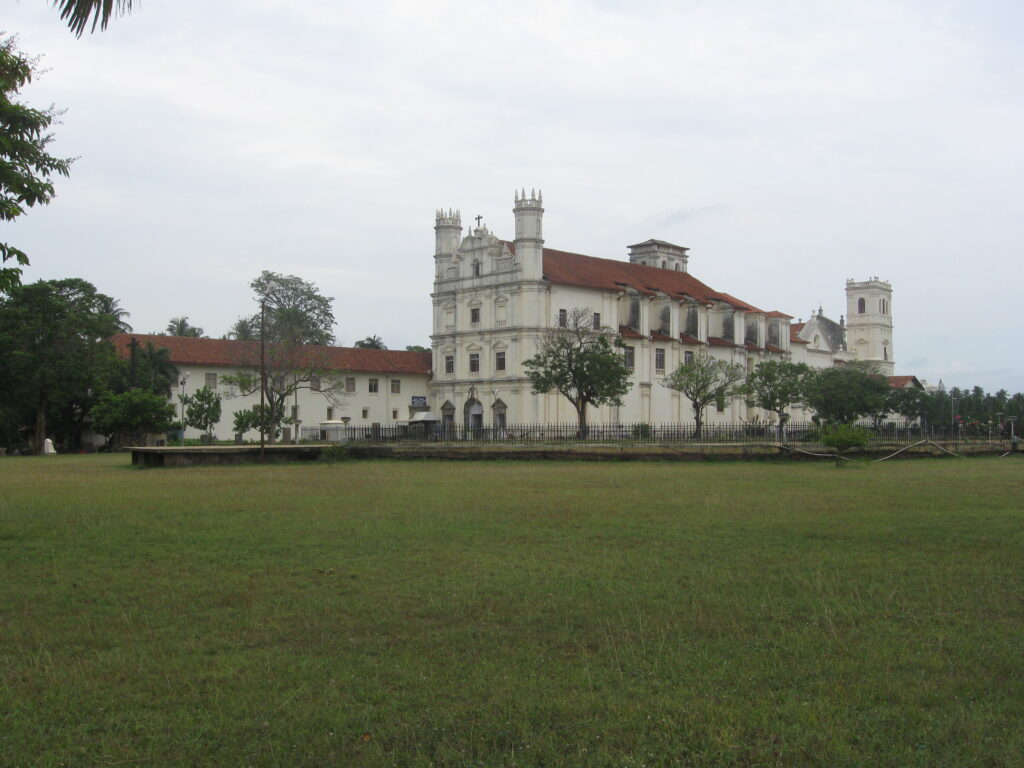
Among the many reminders of Diu’s Portuguese past, the Church of St. Francis of Assisi stands out as one of the island’s most important historical and cultural landmarks. Located near Diu Fort in the old town area, this beautiful church reflects the architectural elegance and religious heritage brought to the region during Portuguese rule. Today, the church is no longer used for regular worship and has been converted into a museum, allowing visitors to explore centuries of history, art, and colonial culture under one roof.
With its peaceful surroundings, impressive architecture, and fascinating collection of artifacts, the Church of St. Francis of Assisi remains a must-visit destination for anyone interested in the heritage of Diu.
History of the Church of St. Francis of Assisi
The origins of the church date back to the late sixteenth century when Portuguese missionaries established a Franciscan presence in Diu. The church was built as part of a larger Franciscan monastery complex and served as an important religious center for the growing Christian community in the region.
During the Portuguese era, Diu was one of the most strategically important ports on India’s western coast. The church played a significant role in the social and religious life of the settlement, hosting ceremonies, community gatherings, and missionary activities. Over the centuries, political and social changes altered the church’s function, and eventually it was transformed into a museum dedicated to preserving Diu’s colonial heritage.
Today, the building stands as one of the finest surviving examples of Portuguese religious architecture in Diu and offers valuable insights into the island’s multicultural past.
Architecture and Design
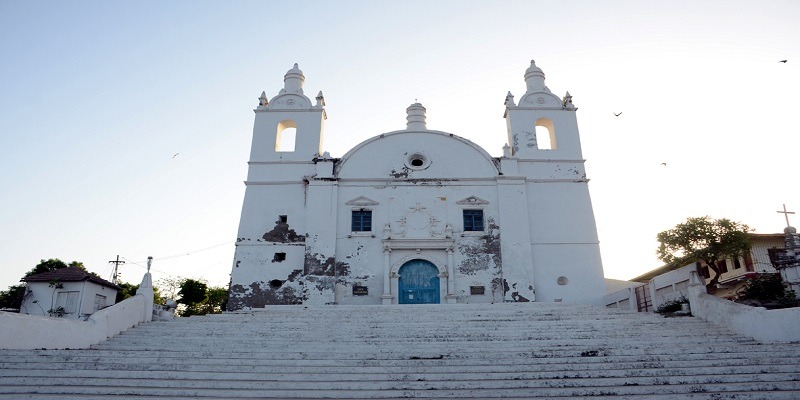
The Church of St. Francis of Assisi showcases a blend of Portuguese colonial and Baroque architectural styles. Its whitewashed facade, elegant arches, and decorative detailing immediately capture visitors’ attention.
The church’s exterior features a simple yet graceful design, characteristic of Franciscan architecture, while the interior displays intricate craftsmanship. The wooden altar, carved panels, and decorative motifs demonstrate the artistic skills of local and Portuguese craftsmen who worked on the structure centuries ago.
Large windows allow natural light to filter into the hall, creating a peaceful atmosphere that enhances the beauty of the historic interiors. The church’s high ceilings and spacious nave further contribute to its sense of grandeur.
Museum and Cultural Heritage
One of the most distinctive aspects of the Church of St. Francis of Assisi in Diu is its role as a museum. The former church now houses a collection of religious statues, wooden carvings, stone inscriptions, manuscripts, and historical artifacts.
Visitors can admire beautifully preserved sculptures of saints, antique religious objects, and exhibits that illustrate the history of Portuguese rule in Diu. The museum provides a deeper understanding of the cultural exchanges that took place between Europe and western India over several centuries.
For history enthusiasts, the museum serves as an excellent introduction to Diu’s colonial past and its importance as a maritime trading center.
Religious and Historical Significance
Although the church no longer functions as a major center of worship, it remains an important symbol of Diu’s Christian heritage. The building represents the efforts of the Franciscan Order in spreading Christianity and establishing educational and social institutions in the region.
Its preservation reflects the broader commitment to safeguarding Diu’s multicultural history, where Hindu, Muslim, and Christian traditions have coexisted for centuries. The church continues to attract scholars, photographers, architecture enthusiasts, and travelers seeking a deeper connection with Diu’s historical legacy.
Local Experience
A visit to the Church of St. Francis of Assisi offers much more than a tour of a historical building. The surrounding streets of old Diu retain traces of Portuguese urban planning, with narrow lanes, colonial-era houses, and charming public squares.
The church is located within walking distance of several major attractions, making it easy to explore Diu’s heritage district on foot. The relaxed pace of life, coastal scenery, and blend of cultures create a unique atmosphere that distinguishes Diu from many other destinations in India.
Early mornings and evenings are particularly pleasant times to visit, when the weather is cooler and the surrounding area is less crowded.
How to Reach the Church of St. Francis of Assisi
The church is situated in the historic center of Diu, close to Diu Fort and other heritage landmarks.
By Air
The nearest airport is Diu Airport, approximately 7–8 km from the church. Taxis and auto-rickshaws are available outside the airport, and the journey typically takes around 15 to 20 minutes.
By Train
The nearest major railway station is Veraval Railway Station in Gujarat, located about 90 km away. From Veraval, visitors can hire a taxi or take a bus to Diu.
By Road
Diu is well connected by road to major cities in Gujarat, including Somnath, Junagadh, Rajkot, and Ahmedabad. Regular state transport and private buses operate daily services to the island.
Local Transportation
Auto-rickshaws, taxis, rental scooters, and bicycles are readily available throughout Diu. Since the church is located near many major attractions, it can easily be included in a walking or cycling tour of the town.
Best Time to Visit
The ideal time to visit the Church of St. Francis of Assisi is between October and March, when the weather is pleasant and suitable for sightseeing. During this period, visitors can comfortably explore both the church and nearby attractions without the intense summer heat.
Nearby Attractions
Diu Fort
One of the most iconic landmarks in Diu, this massive sixteenth-century sea fort offers stunning views of the Arabian Sea and showcases the military architecture of the Portuguese era.
St. Paul’s Church
Famous for its elaborate Baroque facade and beautiful woodwork, St. Paul’s Church remains one of the finest churches in western India.
Naida Caves
A fascinating network of naturally formed and human-carved rock formations, the Naida Caves are known for their dramatic light and shadow effects.
Panikotha Fort
Situated on a small island in the sea, this historic fort once served as a defensive outpost protecting Diu’s harbor.
Ghoghla Beach
One of the cleanest and most scenic beaches in Diu, Ghoghla Beach is ideal for relaxation, water sports, and sunset views.
INS Khukri Memorial
This memorial honors the sailors who lost their lives aboard INS Khukri during the 1971 Indo-Pak War and offers panoramic coastal views.
Google Maps
FAQs
Is the Church of St. Francis of Assisi in Diu still an active church?
No. The church has been converted into a museum and primarily serves as a heritage and cultural attraction.
What is the church famous for?
It is known for its Portuguese colonial architecture, historical significance, and museum collection of religious artifacts and sculptures.
How much time is required to visit the church?
Most visitors spend between 30 minutes and one hour exploring the museum and architecture.
Is photography allowed inside the church museum?
Photography policies may vary, so visitors should check current regulations at the entrance.
What is the best time to visit?
The winter season from October to March offers the most comfortable weather for sightseeing.
Can the church be visited along with other attractions in a single day?
Yes. The church is located near Diu Fort, St. Paul’s Church, Naida Caves, and several other attractions, making it easy to include in a one-day heritage tour.
Why is the church important historically?
The church reflects Diu’s Portuguese colonial heritage and the influence of Franciscan missionaries on the island’s cultural and religious history.
Is there an entry fee?
Entry policies may change over time, so visitors should verify current fees and timings before their visit.