About Baijnath Temple
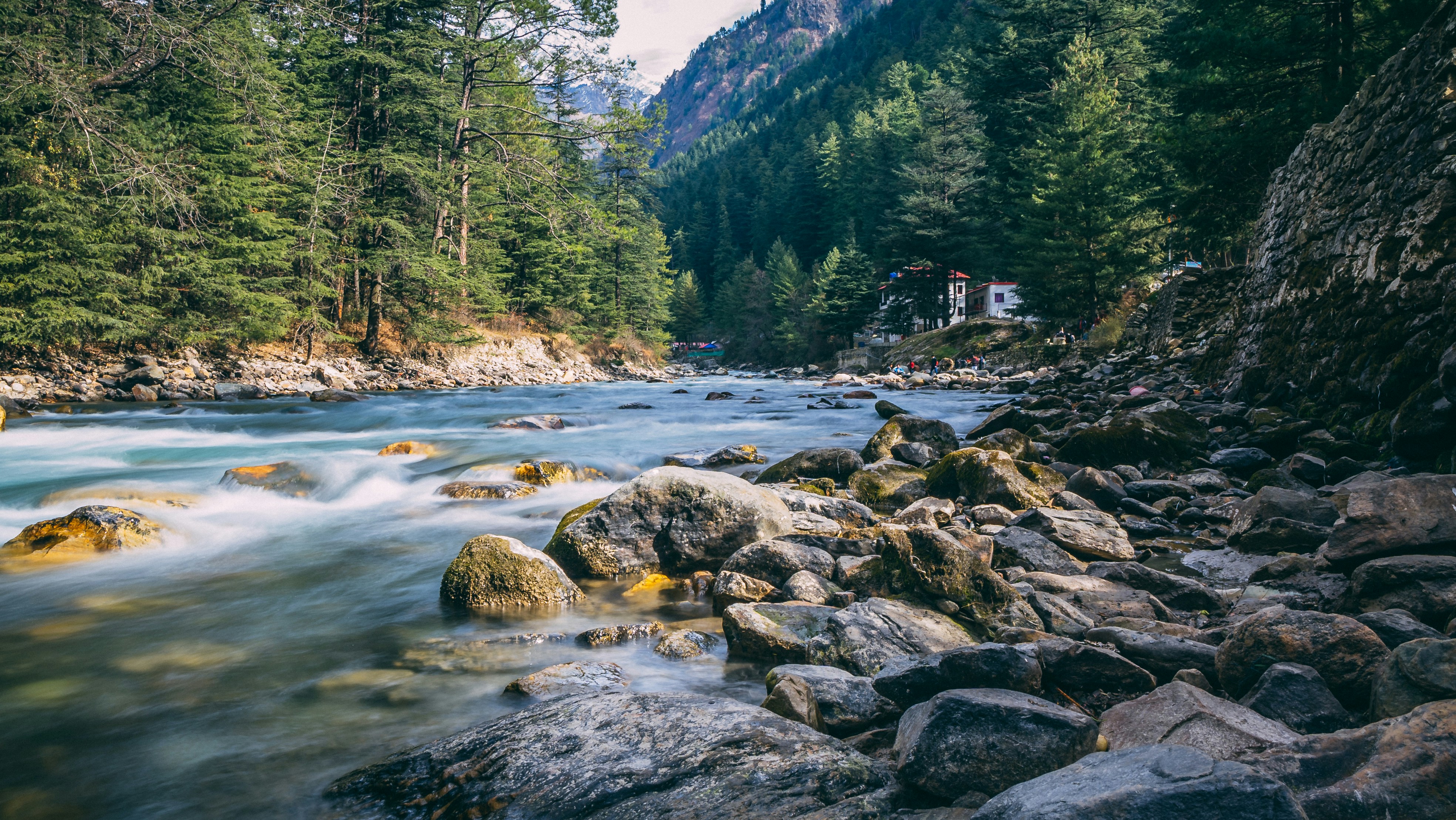
Nestled in the scenic Kangra Valley of Himachal Pradesh, the ancient Baijnath Temple is one of the most revered Shiva temples in northern India. Surrounded by the majestic Dhauladhar mountain range and situated on the banks of the Binwa River, the temple attracts thousands of devotees and travelers throughout the year. Lord Shiva is worshipped here as Baijnath or Vaidyanath, meaning the “Lord of Healing,” and devotees believe that prayers offered at this sacred shrine can bring relief from physical and emotional suffering.
The temple was built in 1204 AD by two local merchants, Ahuka and Manyuka, whose names are preserved in the temple’s inscriptions. Apart from its religious significance, Baijnath Temple is admired for its peaceful surroundings, remarkable stone architecture, and breathtaking mountain views. The combination of spirituality, history, and natural beauty makes it one of the most important pilgrimage destinations in Himachal Pradesh.
The Legend of Baijnath Temple
Baijnath Temple is unique because it is associated not only with Lord Shiva but also with the legendary demon king Ravana, one of Shiva’s greatest devotees.
According to Hindu mythology, Ravana performed intense penance to please Lord Shiva. To demonstrate his devotion, he is said to have sacrificed his ten heads one by one. Impressed by this extraordinary act of devotion, Lord Shiva restored Ravana’s heads and granted him a boon. Ravana then requested Shiva to accompany him to Lanka so that his kingdom would remain protected and prosperous.
Lord Shiva agreed to go with him in the form of a Shivling but imposed one condition: the Shivling must not be placed on the ground during the journey. Concerned about the immense power that Ravana would gain, Lord Vishnu devised a plan. While Ravana was carrying the Shivling toward Lanka, he was forced to stop and attend to nature’s call. Before leaving, he handed the Shivling to a young boy, who was actually Lord Vishnu in disguise.
After waiting for some time, the boy placed the Shivling on the ground. When Ravana returned, he found that the Shivling had become permanently fixed in that spot and could not be moved despite all his efforts. The place where the Shivling was established eventually became the sacred town of Baijnath, and the temple was later built there.
Because of this legend, Ravana is remembered here as a devoted worshipper of Lord Shiva, making Baijnath one of the few temples in India associated with both figures.
Architecture of Baijnath Temple
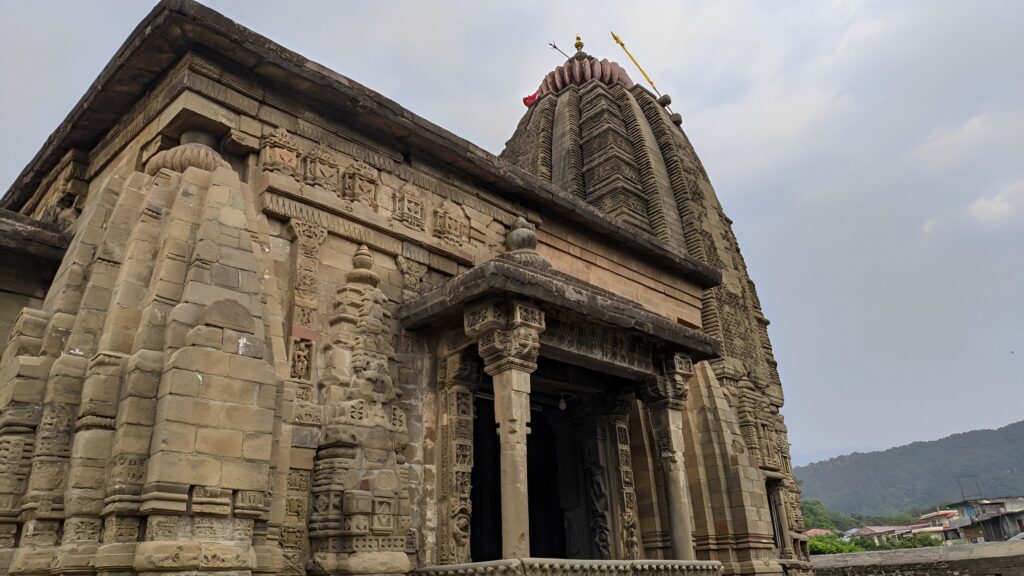
Baijnath Temple is an outstanding example of medieval North Indian temple architecture. Built primarily from stone, the structure reflects the Nagara style, with certain artistic influences that resemble temple designs found in Odisha.
The temple features a beautifully carved entrance leading into a mandapa (assembly hall) with entrances on both the northern and southern sides. Small balconies and intricately decorated stone pillars enhance the elegance of the structure. A small porch supported by four columns stands before the main hall, where Nandi, the sacred bull and vehicle of Lord Shiva, faces the sanctum.
Inside the garbhagriha (inner sanctum) resides the sacred Shivling, the principal object of worship. The temple walls are adorned with detailed carvings of gods, goddesses, celestial beings, and decorative motifs that showcase the craftsmanship of medieval artisans.
One of the most fascinating features of the temple is its ancient stone inscriptions, which provide valuable information about its construction and history. Well-maintained gardens surrounding the temple add to its tranquil atmosphere, making the complex an ideal place for both worship and quiet reflection.
How to Reach Baijnath Temple
By Air
The nearest airport is Kangra Airport (Gaggal), located about 50 kilometers from Baijnath. Taxis and local buses are readily available from the airport to the temple town.
By Train
Baijnath Paprola Railway Station, situated on the historic Kangra Valley narrow-gauge railway line, is the closest railhead and lies just a few kilometers from the temple. Travelers can also reach Pathankot and continue by train or road to Baijnath.
By Road
Baijnath is well connected by road to major towns in Himachal Pradesh, including Dharamshala, Palampur, Kangra, and Mandi. Regular Himachal Road Transport Corporation (HRTC) buses and private taxis operate throughout the region. The drive from Palampur to Baijnath is particularly scenic, passing through tea gardens, villages, and mountain landscapes.
Nearby Attractions
Bir Billing
Located around 15 kilometers from Baijnath, Bir Billing is internationally famous for paragliding and offers spectacular views of the Dhauladhar Range. It is also home to several Tibetan monasteries and meditation centers.
Tashi Jong Monastery
A peaceful Tibetan Buddhist monastery near Baijnath, Tashi Jong is known for its beautiful prayer halls, traditional artwork, and serene atmosphere.
Palampur Tea Gardens
The lush tea estates of Palampur are among the most picturesque attractions in Kangra Valley. Visitors can enjoy nature walks, tea tasting, and panoramic mountain views.
Andretta Artists’ Village
This charming cultural village is known for its pottery studios, art galleries, and connection with renowned theatre artist Norah Richards. It offers a unique glimpse into Himachal’s artistic heritage.
Chamunda Devi Temple
One of the most important Shakti shrines in Himachal Pradesh, Chamunda Devi Temple attracts pilgrims and tourists alike with its spiritual significance and scenic setting.
Kangra Fort
Located about 45 kilometers away, Kangra Fort is one of India’s oldest and largest forts, offering a fascinating insight into the region’s history and architecture.
Maps
FAQs
What is Baijnath Temple famous for?
Baijnath Temple is famous for its ancient Shiva shrine, its association with the legend of Ravana, and its status as one of the most important pilgrimage sites in Himachal Pradesh.
Is Baijnath Temple one of the 12 Jyotirlingas?
Although many devotees associate Baijnath with Vaidyanath Jyotirlinga traditions, the temple is primarily revered as a major Shiva shrine and healing center in Himachal Pradesh.
What is the best time to visit Baijnath Temple?
The best time to visit is between March and June and from September to November when the weather is pleasant and the mountain views are clear.
Are there any festivals celebrated at the temple?
Mahashivratri is the most important festival celebrated here, attracting large numbers of devotees from across the country.
How much time is required to visit the temple?
Most visitors spend one to two hours exploring the temple complex, offering prayers, and enjoying the peaceful surroundings.
Can tourists visit Baijnath Temple?
Yes, the temple is open to both pilgrims and tourists. Visitors interested in history, architecture, and spirituality frequently include it in their Kangra Valley itinerary.