Image Source: Sunny negi
About Rupi Bhaba Wildlife Sanctuary
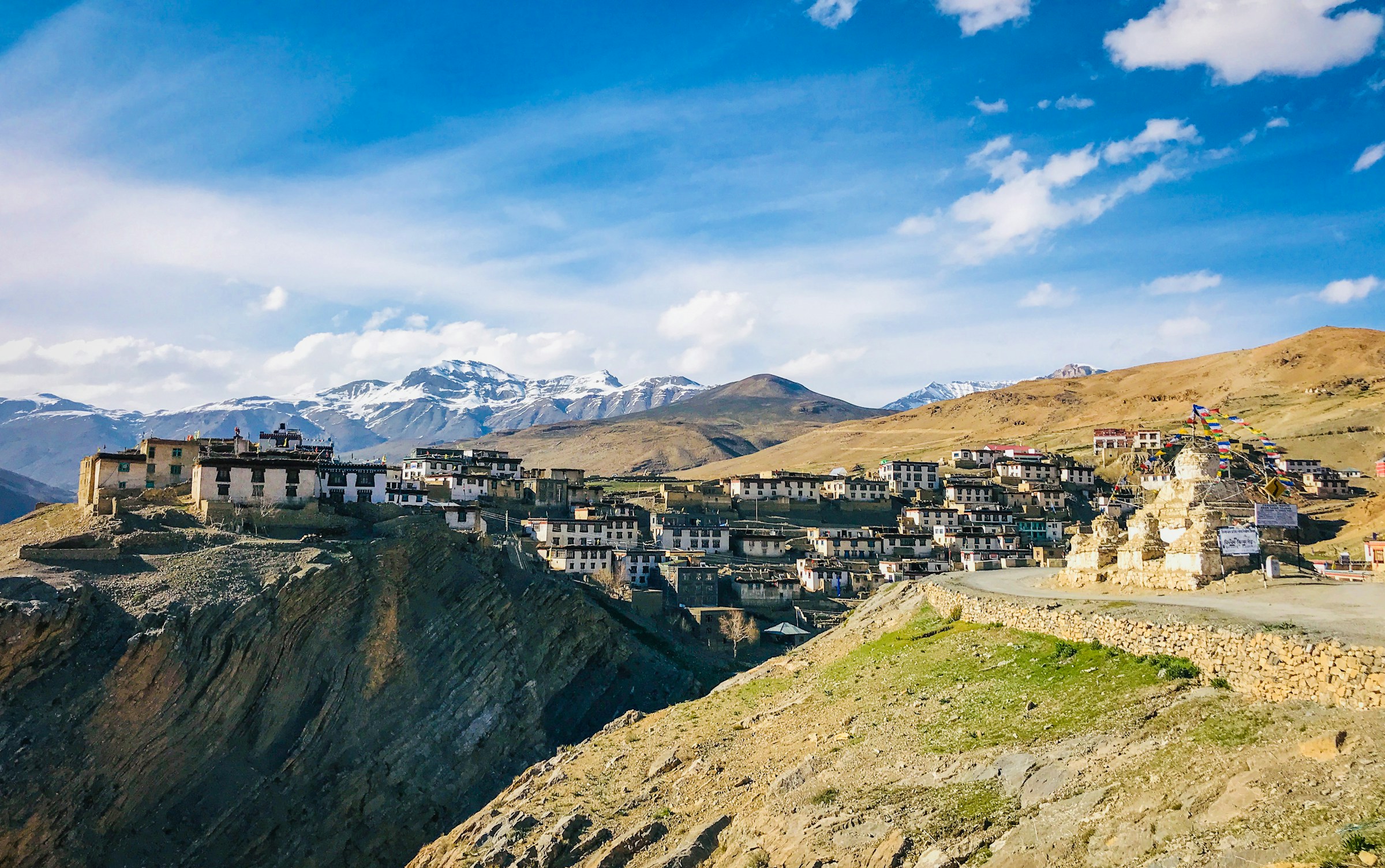
Nestled in the spectacular landscapes of Kinnaur district in Himachal Pradesh, Rupi Bhaba Wildlife Sanctuary is one of the most pristine and least-explored protected areas in the Indian Himalayas. Spread across an impressive area of approximately 977 square kilometers, the sanctuary encompasses the beautiful valleys carved by the Rupi and Bhaba rivers, from which it derives its name.
Located in Lower Kinnaur, the sanctuary serves as an important ecological corridor connecting two of Himachal Pradesh’s most significant protected areas—the Pin Valley National Park to the north and the Great Himalayan National Park to the west. This strategic location contributes to its remarkable biodiversity and makes it an important conservation zone in the western Himalayas.
The sanctuary is characterized by dramatic variations in altitude, ranging from about 2,000 meters to over 6,000 meters above sea level. The majestic Shrikhand mountain range, part of the greater Himalayan system, dominates the landscape with snow-covered peaks, deep gorges, alpine meadows, dense forests, and glacial streams. These diverse habitats create ideal conditions for a wide variety of plant and animal species.
Flora of Rupi Bhaba Wildlife Sanctuary
The sanctuary showcases an incredible diversity of vegetation due to its wide altitudinal range. Lower elevations are covered with mixed forests of pine, deodar, oak, and spruce, while higher reaches feature alpine meadows filled with colorful wildflowers during summer.
Medicinal plants such as kuth, patish, and various Himalayan herbs are also found here. During spring and summer, the valleys come alive with blooming rhododendrons and a rich variety of alpine flora, making the sanctuary a paradise for nature enthusiasts and botanists.
Wildlife in Rupi Bhaba Wildlife Sanctuary
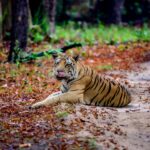
Rupi Bhaba Wildlife Sanctuary is renowned for its rich wildlife population. More than 65 species of mammals and over 200 species of birds have been recorded within its boundaries.
Some of the most notable mammals found here include:
- Snow Leopard.
- Himalayan Brown Bear.
- Himalayan Black Bear
- Musk Deer.
- Blue Sheep (Bharal).
- Himalayan Ibex.
- Goral.
- Himalayan Tahr.
- Red Fox.
- Common Leopard.
Birdwatchers can spot several Himalayan bird species, including:
- Himalayan Monal.
- Western Tragopan.
- Koklass Pheasant.
- Cheer Pheasant.
- Snow Partridge.
- Golden Eagle.
- Lammergeier (Bearded Vulture).
The sanctuary’s remote terrain and relatively undisturbed habitats make it one of the best places in Himachal Pradesh for wildlife conservation.
Trekking and Adventure Opportunities
Apart from its ecological significance, Rupi Bhaba Wildlife Sanctuary is a favorite destination for trekkers and adventure seekers. The famous Rupi Bhaba Pass Trek connects the lush green valleys of Kinnaur with the cold desert landscapes of Spiti.
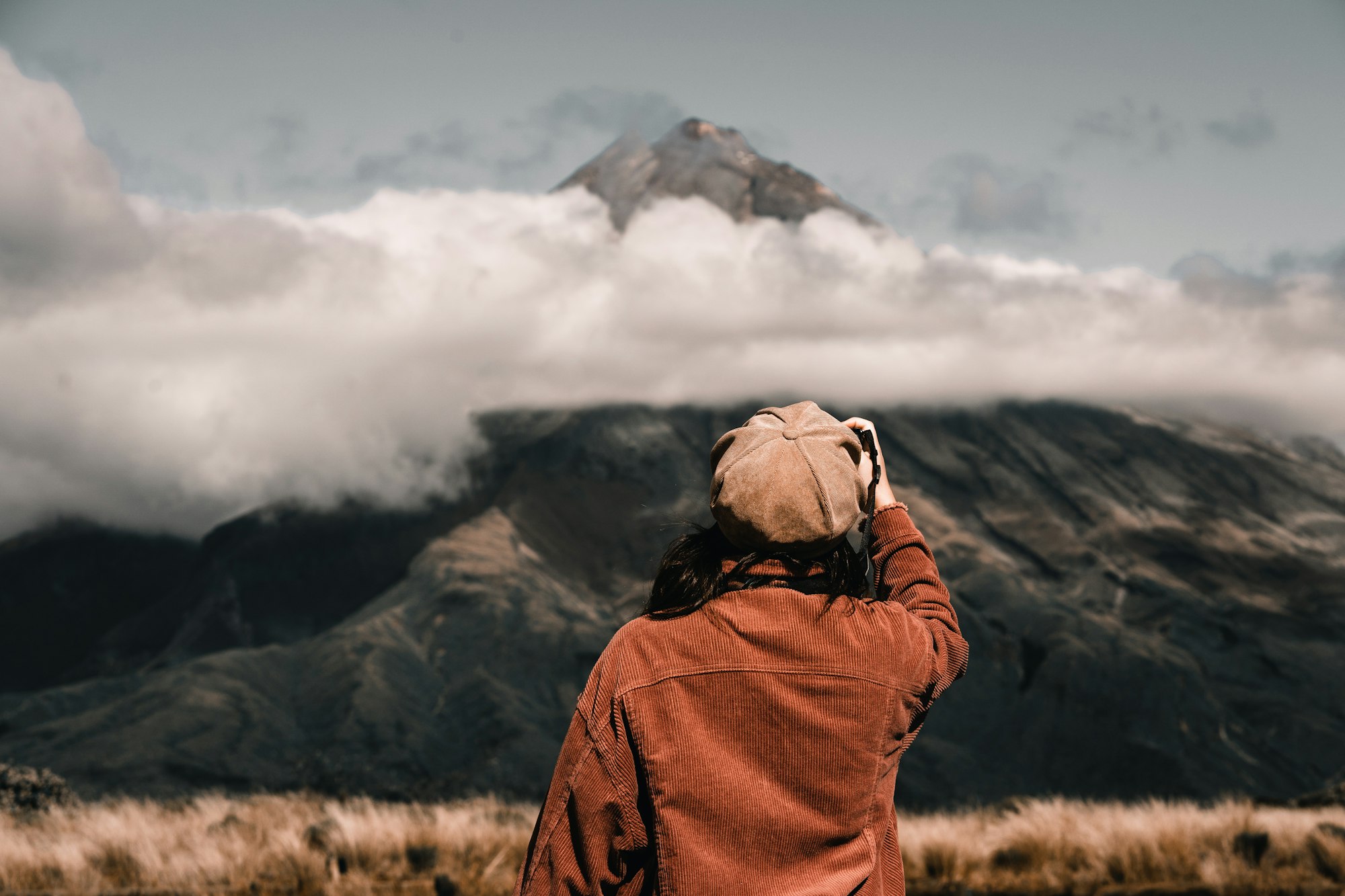
The trek takes visitors through dense forests, alpine meadows, glacial streams, and high mountain passes, offering breathtaking views of snow-capped peaks and untouched wilderness. The route is considered one of the most scenic crossover treks in Himachal Pradesh.
Best Time to Visit
The ideal time to visit Rupi Bhaba Wildlife Sanctuary is from May to October.
- May to June: Pleasant weather and blooming wildflowers.
- July to August: Lush green landscapes, though occasional rainfall may occur.
- September to October: Clear skies, excellent mountain views, and comfortable trekking conditions.
Winters are extremely harsh, with heavy snowfall blocking many routes and making access difficult.
How to Reach Rupi Bhaba Wildlife Sanctuary
By Air
The nearest airport is Shimla Airport, located about 220 km away. From the airport, taxis and buses are available to reach Kinnaur.
By Rail
The nearest major railway station is Kalka Railway Station. From Kalka, travelers can continue their journey by road via Shimla and Rampur.
By Road
The sanctuary can be accessed through the villages of Wangtu, Kafnu, and nearby settlements in Kinnaur. Kafnu serves as the primary gateway for trekkers entering the sanctuary and starting the Rupi Bhaba Pass trek.
Regular buses and taxis connect Shimla, Rampur, Reckong Peo, and Kinnaur’s major villages.
Nearby Attractions
Kafnu Village
A picturesque Himalayan village and the main base for treks into the sanctuary.
Bhaba Valley
Known for its alpine meadows, rivers, and spectacular mountain scenery.
Pin Valley National Park
A cold-desert national park famous for snow leopards and unique Himalayan wildlife.
Sangla Valley
One of the most scenic valleys in Himachal Pradesh, known for apple orchards and traditional Kinnauri culture.
Reckong Peo
The district headquarters offering stunning views of the sacred Kinner Kailash range.
Maps
National highway 22 is the major artery that runs through the district Kinnaur. Running parallel through the Satluj, it passes through the major town of Kinnaur. Two roads divulge from the national highway 22 to the Rupi and Bhaba valley. From Chaura town a road journey of three hours leads to the heart of Rupi valley. Similarly, the wangtoo bridge that lies ahead leads up to the Bhaba valley.
One is via a winding link road near Chaura that crosses the Sutlej close to the Shorang Hydropower Project. From here, a three-hour hike leads to the heart of Rupi Valley. The second contact point is located near a town called Wangtu (on NH-22 itself). One must cross the Wangtu Bridge over the Sutlej and travel to Kafnu, from which point a light hike will lead one up the Bhaba Valley.
FAQs
1. Where is Rupi Bhaba Wildlife Sanctuary located?
It is located in the Kinnaur district of Himachal Pradesh, India, in the lower Kinnaur region.
2. What is the area of Rupi Bhaba Wildlife Sanctuary?
The sanctuary covers approximately 977 square kilometers.
3. Why is Rupi Bhaba Wildlife Sanctuary famous?
It is famous for its rich biodiversity, Himalayan wildlife, alpine landscapes, and the scenic Rupi Bhaba Pass trek.
4. Can visitors spot snow leopards here?
Yes, snow leopards inhabit the higher reaches of the sanctuary, although sightings are rare due to their elusive nature.
5. What is the best time to visit the sanctuary?
The best time is from May to October when weather conditions are favorable for trekking and wildlife observation.
6. Is trekking allowed inside the sanctuary?
Yes, trekking is permitted, and the Rupi Bhaba Pass Trek is one of the most popular routes.
7. Which village serves as the main entry point?
Kafnu Village is the primary gateway for visitors and trekkers.
8. Are permits required to visit the sanctuary?
Permits may be required for certain trekking routes and protected zones. Visitors should check with local forest authorities before traveling.
9. What animals can be seen in the sanctuary?
Snow leopards, Himalayan black bears, brown bears, musk deer, blue sheep, ibex, and several pheasant species can be found here.
10. Is Rupi Bhaba Wildlife Sanctuary suitable for family trips?
Yes, nature lovers and families can enjoy the scenic beauty of nearby villages and valleys, although some trekking routes require good physical fitness.