Image Source: Aditya Sharma
About Yulla Kanda
Hidden deep in the remote mountains of Kinnaur, Yulla Kanda is one of those sacred Himalayan places where spirituality and nature blend seamlessly. The region has long been known as the “Land of Gods,” and many ancient shrines here are tucked away in isolated valleys, accessible only after difficult treks. These challenging journeys are not just about reaching a destination; they reflect the deep faith and devotion people have carried through generations.
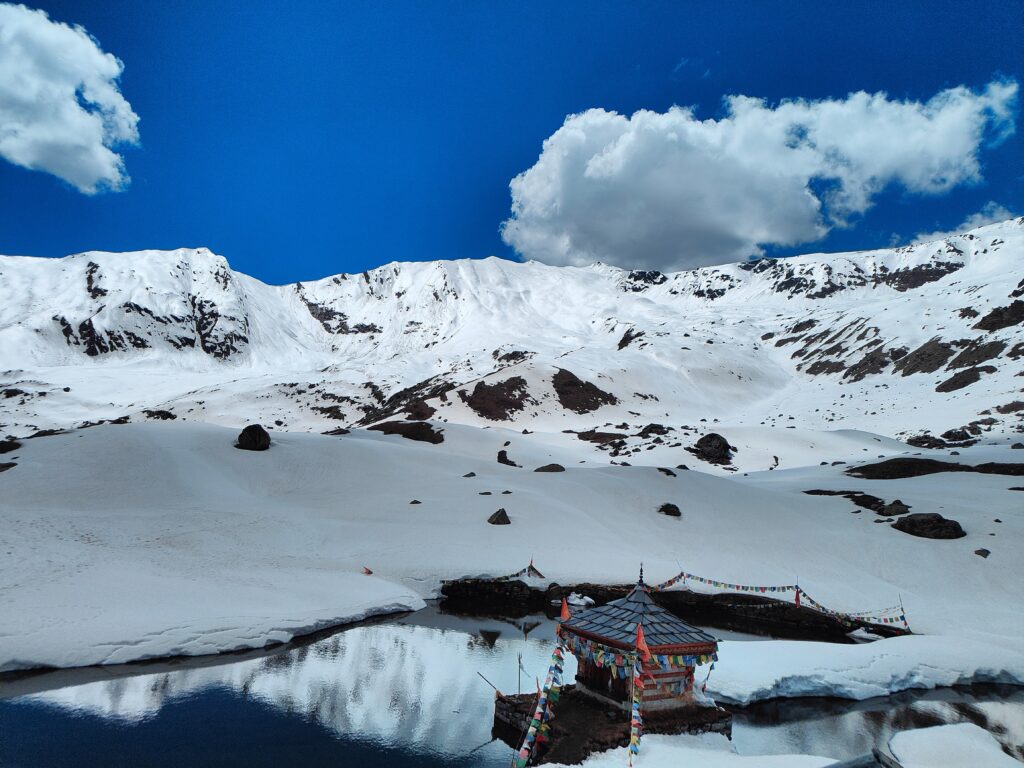
Among these sacred sites, the Yulla Kanda Temple stands out as one of the highest Krishna temples in the world. Situated at an elevation of around 3,895 meters, the temple rests beside a serene high-altitude lake surrounded by snow-clad peaks, alpine meadows, and rugged Himalayan landscapes. The peaceful atmosphere of the place leaves visitors with a sense of calm that is difficult to describe in words.
Trek to Yulla Kanda
For adventure lovers and cultural explorers alike, the trek to Yulla Kanda is an unforgettable experience. The journey usually begins from Yulla Khas village, located about 3 kilometers from Urni village in Kinnaur. Yulla Khas itself is famous for its lush apple orchards and traditional Kinnauri lifestyle. Many trekkers spend some time here to acclimatize before continuing toward the higher reaches of the valley.
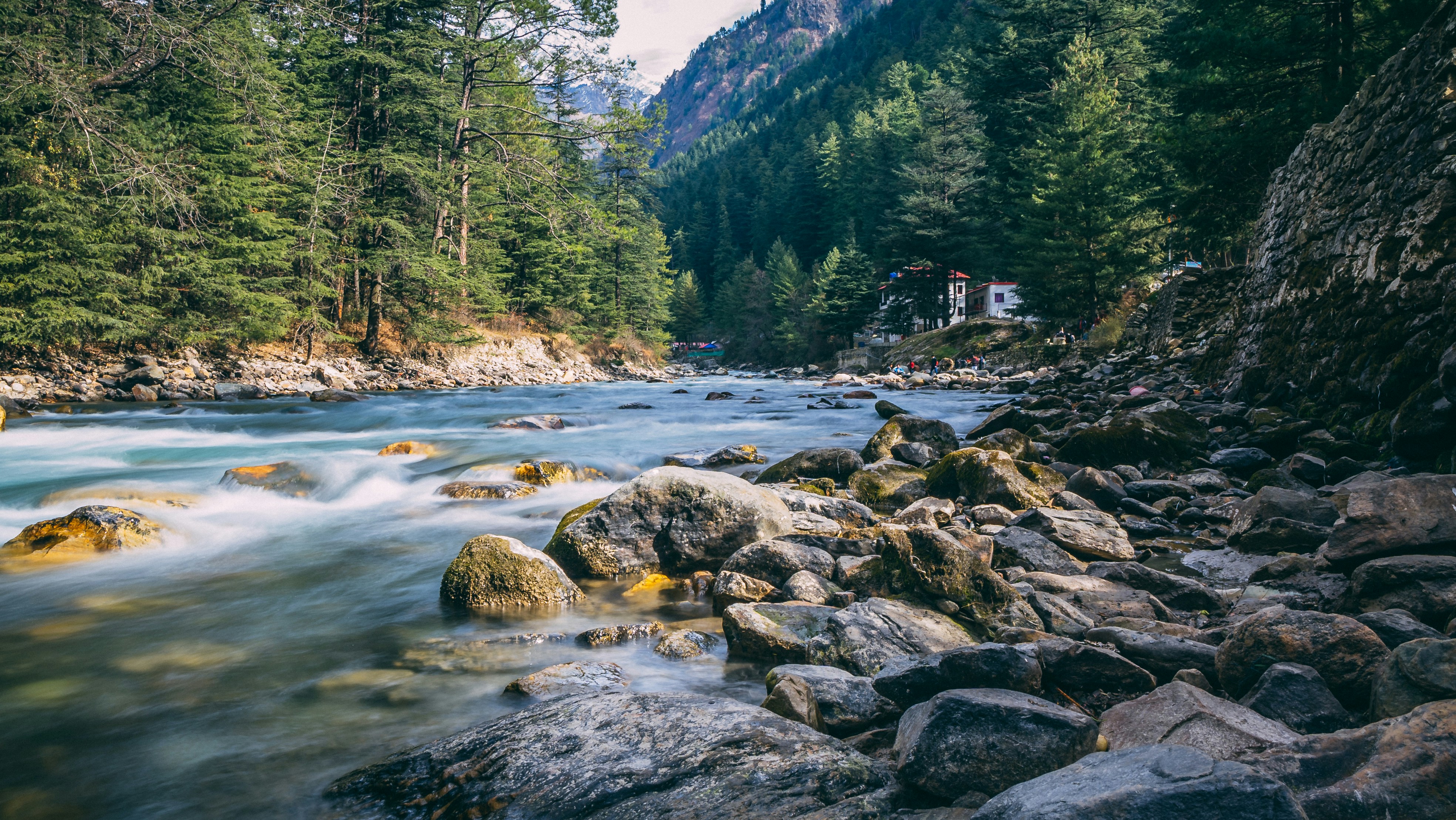
As the trail moves beyond the village, the landscape gradually transforms. Dense forests give way to wide alpine meadows, while towering Himalayan ranges dominate the horizon. The trek passes through the beautiful Rora Valley, known for its untouched natural beauty and peaceful surroundings. Streams, grazing pastures, and colorful wildflowers make the route incredibly scenic during summer months.
After hours of trekking through the mountains, the sight of the temple finally appears in the middle of the lake, creating a truly surreal scene. Reflections of the surrounding mountains shimmer in the crystal-clear waters, making the entire area feel almost dreamlike. The isolation and silence of the region add to its spiritual charm.
Sacred Lake and Spiritual Beliefs
The lake beside the temple is considered highly sacred by local devotees. Many pilgrims believe that taking a ritual bath in its icy waters brings purity, positivity, and spiritual blessings. Even though the water remains extremely cold throughout the year, devotees often take a dip as an act of faith and devotion to Lord Krishna.
The spiritual importance of Yulla Kanda goes beyond religion. For locals, the site symbolizes harmony between humans and nature. The mountains, lake, forests, and temple together create a sacred landscape that has been respected for centuries.
Mythology of Yulla Kanda
According to local legends, the temple dates back to the time of the Mahabharata. It is believed that the Pandavas built the shrine during their exile in the Himalayas. Stories connected with the Mahabharata are deeply woven into the cultural traditions of Kinnaur, and many villagers continue to pass these tales from one generation to another.
Though historical evidence is limited, the mythology surrounding the temple adds a mystical charm to the place. Pilgrims visiting Yulla Kanda often feel that the journey is not only a trek through the mountains but also a walk through ancient legends.
The Legend of the Kinnauri Cap
One of the most fascinating local traditions associated with Yulla Kanda involves the famous Kinnauri cap. According to local belief, if a person places an inverted Kinnauri cap on the lake and it successfully floats across to the opposite side, it is considered a sign of good fortune, happiness, and peace in the future.
However, if the cap sinks midway, it is believed to symbolize challenges or difficult times ahead. While many visitors see this tradition as symbolic folklore, locals continue to treat it with deep respect and faith.
Trekking Routes and Nearby Passes
Yulla Kanda also serves as an important point for trekkers exploring the higher Himalayan passes of Kinnaur. Several ancient routes connect different valleys through these mountain passes.
Kashang Pass
The Kashang Pass links the Rora Valley with the beautiful Pangi Valley of Kinnaur. This route is known for its dramatic landscapes and remote wilderness.
Rora Kanda
About an hour’s hike northeast of Yulla Kanda lies Rora Kanda, another scenic camping location. Trekkers often stay overnight here to enjoy panoramic mountain views and peaceful surroundings.
Listigarang Pass
Located northwest of Yulla Kanda, the Listigarang Pass stands at around 4,680 meters. This pass connects to Kafnu village in the Bhaba Valley. From there, trekkers can continue toward the famous Bhaba Pass route leading to Mulling in Spiti Valley.
Buran Pass Views
On clear and sunny days, trekkers can even spot the distant Buran Pass from Yulla Kanda, adding to the spectacular Himalayan scenery visible from the region.
Janmashtami Festival at Yulla Kanda
The temple becomes especially vibrant during the festival of Janmashtami, which celebrates the birth of Lord Krishna. During this time, local villagers gather at the temple with great devotion and enthusiasm. Traditional rituals, prayers, folk music, and celebrations create a lively spiritual atmosphere in the otherwise quiet mountains.
According to local history, the festival celebrations at Yulla Kanda were started by King Kehari Singh of the Bushahr Kingdom. Even today, the festival remains an important cultural and religious event for the people of Kinnaur.
Best Time to Visit Yulla Kanda
The ideal time to visit Yulla Kanda is between July and September, when the snow has melted and the trekking routes remain accessible. During these months, the meadows are green, flowers bloom across the hillsides, and the weather is comparatively pleasant.
Winter brings heavy snowfall to the region, making the route extremely difficult and often inaccessible.
Things to Keep in Mind
- Acclimatization is important because of the high altitude.
- Carry warm clothing even during summer, as temperatures can drop suddenly.
- Respect local customs and religious beliefs around the temple and lake.
- Avoid littering and help preserve the fragile Himalayan ecosystem.
- Trekking with a local guide is recommended for safety and better navigation.
Map and Location of Yulla Kanda
FAQs
1. Where is Yulla Kanda located?
Yulla Kanda is located in the Kinnaur district of Himachal Pradesh, India, in the remote Himalayan region near Yulla Khas village.
2. Why is Yulla Kanda famous?
Yulla Kanda is famous for its high-altitude Krishna temple, sacred lake, scenic trekking route, and local myths connected to the Mahabharata.
3. What is the altitude of Yulla Kanda?
The temple is situated at an elevation of approximately 3,895 meters above sea level.
4. How difficult is the Yulla Kanda trek?
The trek is considered moderately difficult due to steep trails, high altitude, and changing weather conditions.
5. What is the best time to visit Yulla Kanda?
The best time to visit is from July to September when the trekking routes are open and weather conditions are favorable.
6. What is the myth related to the Kinnauri cap?
Locals believe that if an inverted Kinnauri cap floats across the sacred lake, it signifies good luck and prosperity.
7. Is camping allowed near Yulla Kanda?
Yes, trekkers often camp near Rora Kanda and surrounding meadows while exploring the region.
8. Is the lake considered sacred?
Yes, the lake is regarded as sacred, and taking a bath in it is believed to bring positivity and blessings.
9. Can beginners do the Yulla Kanda trek?
Beginners with good physical fitness can attempt the trek, though proper acclimatization and preparation are important.
10. Which nearby passes can be explored from Yulla Kanda?
Trekkers can explore Kashang Pass, Listigarang Pass, Bhaba Pass routes, and nearby high-altitude valleys from the region.