Image Source: abhishek yadav
About Murlidhar Krishna Mandir
Nestled amidst the serene mountains of Kullu district in Himachal Pradesh, Murlidhar Krishna Mandir is one of the region’s most revered and historically significant temples. Believed to be nearly a thousand years old, this ancient shrine stands as a testament to the rich cultural and spiritual heritage of the Himalayas. Surrounded by deodar forests, traditional villages, and snow-clad peaks, the temple offers a peaceful retreat for both devotees and travelers seeking a glimpse into Himachal’s living traditions.
The temple is dedicated primarily to Lord Krishna, who is worshipped here as Murlidhar, the divine flute player. Alongside Krishna, idols of Radha, Garuda, and Lakshmi Narayan are also enshrined within the temple complex. The tranquil atmosphere, combined with the stunning natural scenery, makes a visit to this temple a memorable experience.
Architecture
The architecture of Murlidhar Krishna Mandir beautifully reflects the craftsmanship of the Himalayan region. The temple’s lower structure showcases intricate stone carvings that are often associated with the Gupta style of architecture. Detailed carvings, traditional motifs, and finely sculpted elements adorn the temple walls, highlighting the artistic excellence of ancient builders.
The upper portion of the temple’s shikhara (tower) was reconstructed after the devastating Kangra earthquake of 1905, which damaged many historic structures across Himachal Pradesh. Despite restoration work, the temple has retained much of its original character and continues to attract historians, architects, and devotees alike.
The wooden and stone construction, characteristic of traditional Himachali temple architecture, blends harmoniously with the surrounding mountain landscape.
Spiritual Significance
For centuries, Murlidhar Krishna Mandir has been an important center of devotion for local communities. Religious ceremonies, festivals, and traditional rituals are conducted throughout the year, especially during Janmashtami and other Krishna-related celebrations.
Visitors should note that access to the inner sanctum may be restricted according to local customs and temple regulations. While everyone can appreciate the temple’s exterior beauty and peaceful surroundings, it is advisable to respect local traditions and follow the guidance of temple authorities.
Natural Beauty Around the Temple
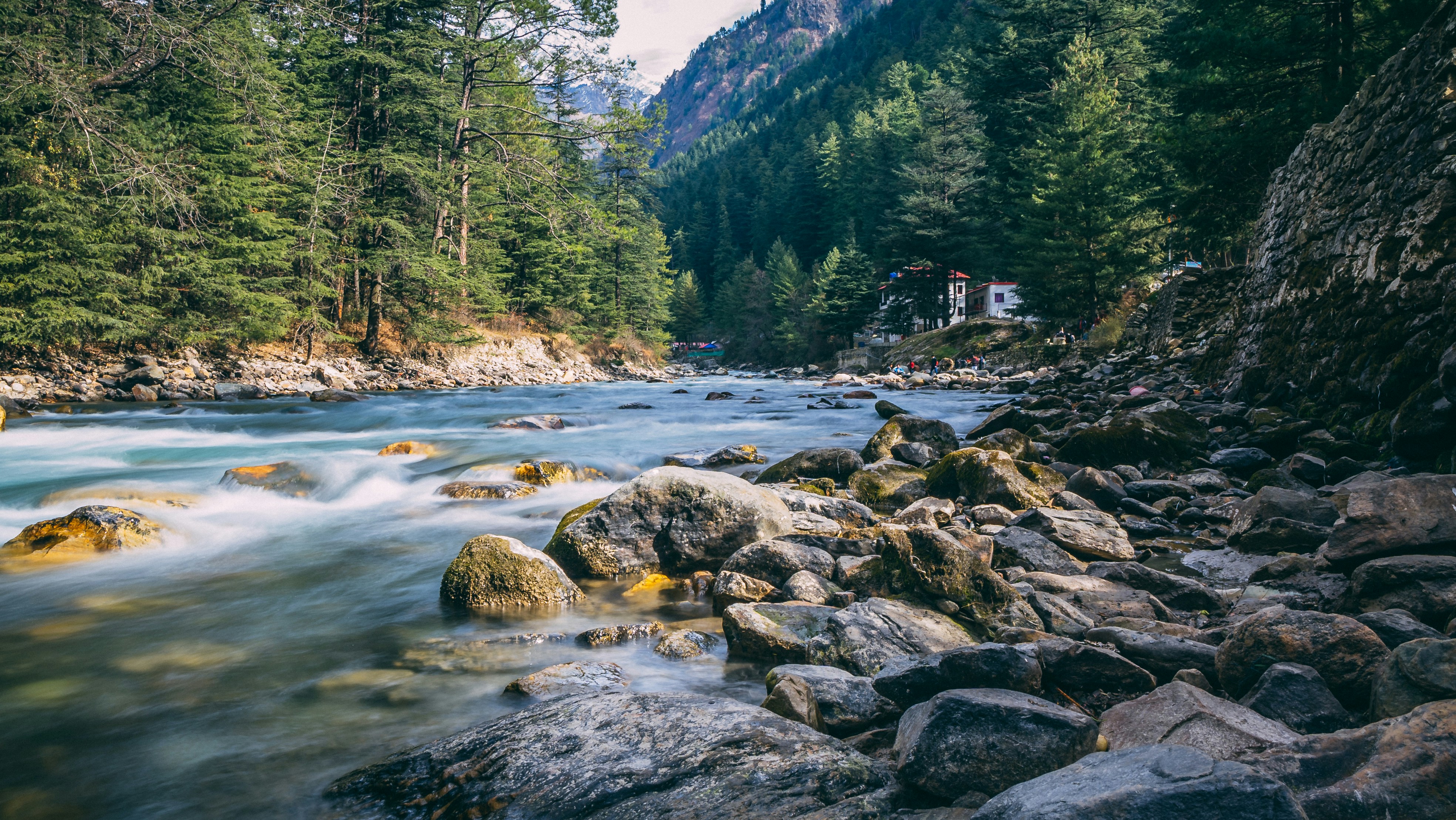
One of the highlights of visiting Murlidhar Krishna Mandir is its breathtaking setting. The journey to the temple passes through picturesque mountain landscapes, apple orchards, terraced fields, and traditional Himachali villages. During winter, heavy snowfall blankets the entire region, transforming the temple surroundings into a magical Himalayan wonderland.
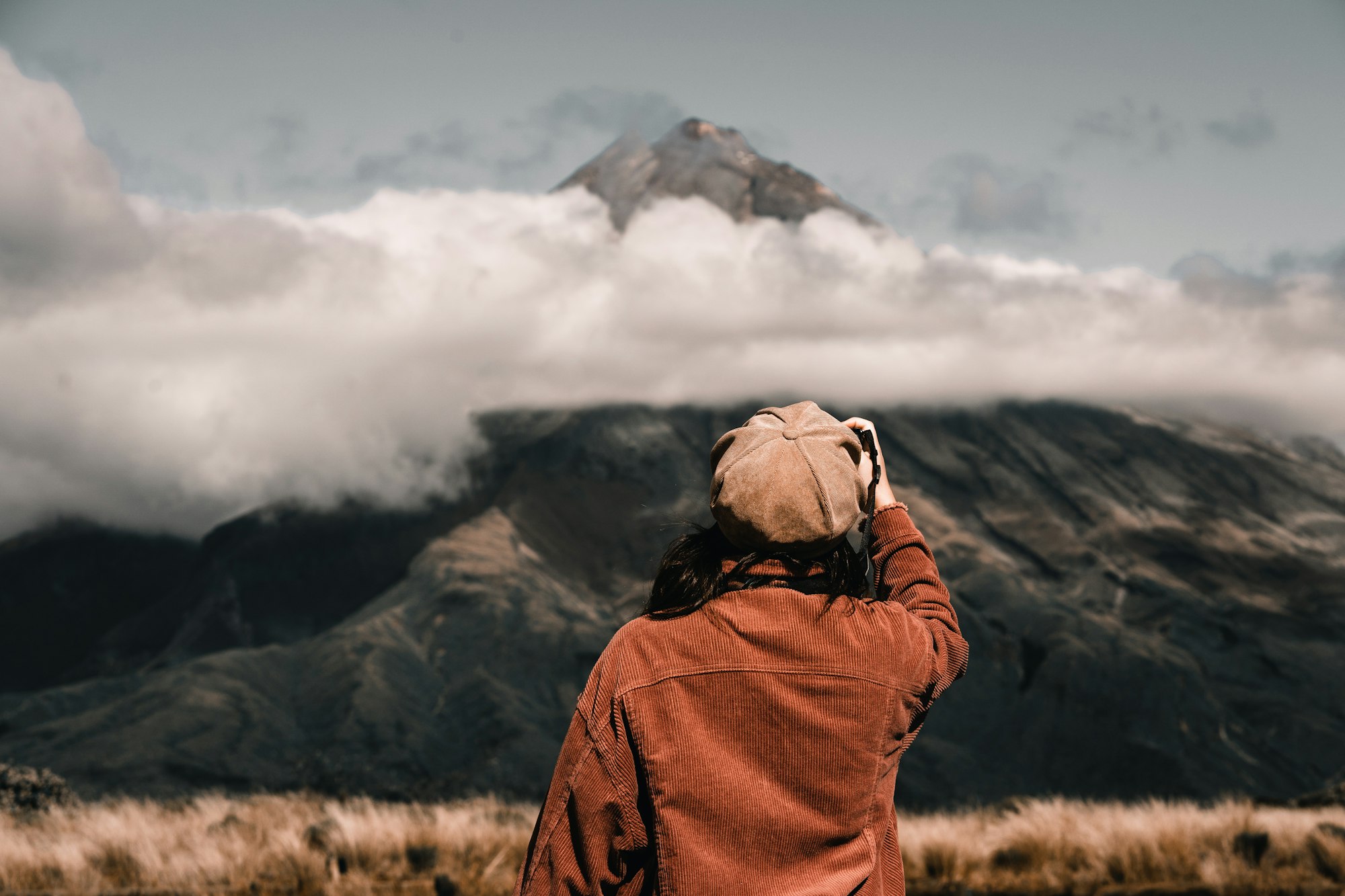
The peaceful environment makes it an ideal destination for photography, cultural exploration, and spiritual reflection.
How to Reach Murlidhar Krishna Mandir
By Air
The nearest airport is Bhuntar Airport, located about 10–15 km from Kullu town. From the airport, visitors can hire a taxi to reach the temple area.
By Road
Kullu is well connected by road to major cities such as Delhi, Chandigarh, Manali, and Shimla. Regular HRTC and private buses operate on these routes. From Kullu, local taxis and shared vehicles are available to reach the temple.
By Rail
The nearest broad-gauge railway station is Chandigarh Railway Station, while Joginder Nagar Railway Station is the closest narrow-gauge railhead. Travelers can continue their journey to Kullu by bus or taxi.
Trekking Route
Many visitors prefer reaching the temple through a short trek that passes through scenic forests and village trails. The walk offers excellent views of the valley and allows travelers to experience the region’s natural beauty more closely. The route is relatively easy and suitable for most visitors.
Nearby Attractions
Bijli Mahadev Temple
One of Kullu’s most famous temples, Bijli Mahadev is known for its panoramic views of the Kullu and Parvati valleys. The temple is reached via a rewarding trek through forests and meadows.
Raghunath Temple
Located in Kullu town, this historic temple is dedicated to Lord Rama and plays a central role in the internationally renowned Kullu Dussehra festival.
Great Himalayan National Park
A UNESCO World Heritage Site, the park is famous for its biodiversity, trekking routes, alpine meadows, and rare Himalayan wildlife.
Naggar Castle
This historic structure showcases traditional Kath-Kuni architecture and offers stunning views of the Kullu Valley. It was once the residence of the rulers of Kullu.
Jana Waterfall
A beautiful natural attraction near Naggar, Jana Waterfall is surrounded by dense forests and traditional Himachali villages.
Manali
Located about an hour from Kullu, Manali is one of Himachal Pradesh’s most popular hill stations, known for adventure sports, temples, and scenic landscapes.
Maps
FAQs
1. Where is Murlidhar Krishna Mandir located?
Murlidhar Krishna Mandir is located in the Kullu region of Himachal Pradesh amidst the scenic Himalayan mountains.
2. Who is the main deity worshipped in the temple?
The temple is primarily dedicated to Lord Krishna in his Murlidhar form.
3. How old is the temple?
The temple is believed to be around 1,000 years old and holds immense historical and religious significance.
4. What is special about the temple architecture?
The temple combines ancient stone carvings with traditional Himalayan architectural elements and features influences associated with Gupta-era craftsmanship.
5. Can tourists visit the temple?
Yes, tourists can visit the temple and explore its surroundings while respecting local customs and religious practices.
6. Is there any trekking route to the temple?
Yes, visitors can reach the temple via a scenic trekking route that passes through beautiful Himalayan landscapes.
7. What is the best time to visit?
March to June and September to November are ideal. Winter visits are also popular due to snowfall.
8. Does the temple receive snowfall?
Yes, the surrounding area experiences snowfall during winter, creating spectacular views.
9. Are photography and sightseeing allowed?
Photography is generally permitted in the temple surroundings, though visitors should follow any temple-specific guidelines.
10. What are the major attractions near the temple?
Bijli Mahadev Temple, Raghunath Temple, Naggar Castle, Jana Waterfall, Great Himalayan National Park, and Manali are among the most popular nearby attractions.