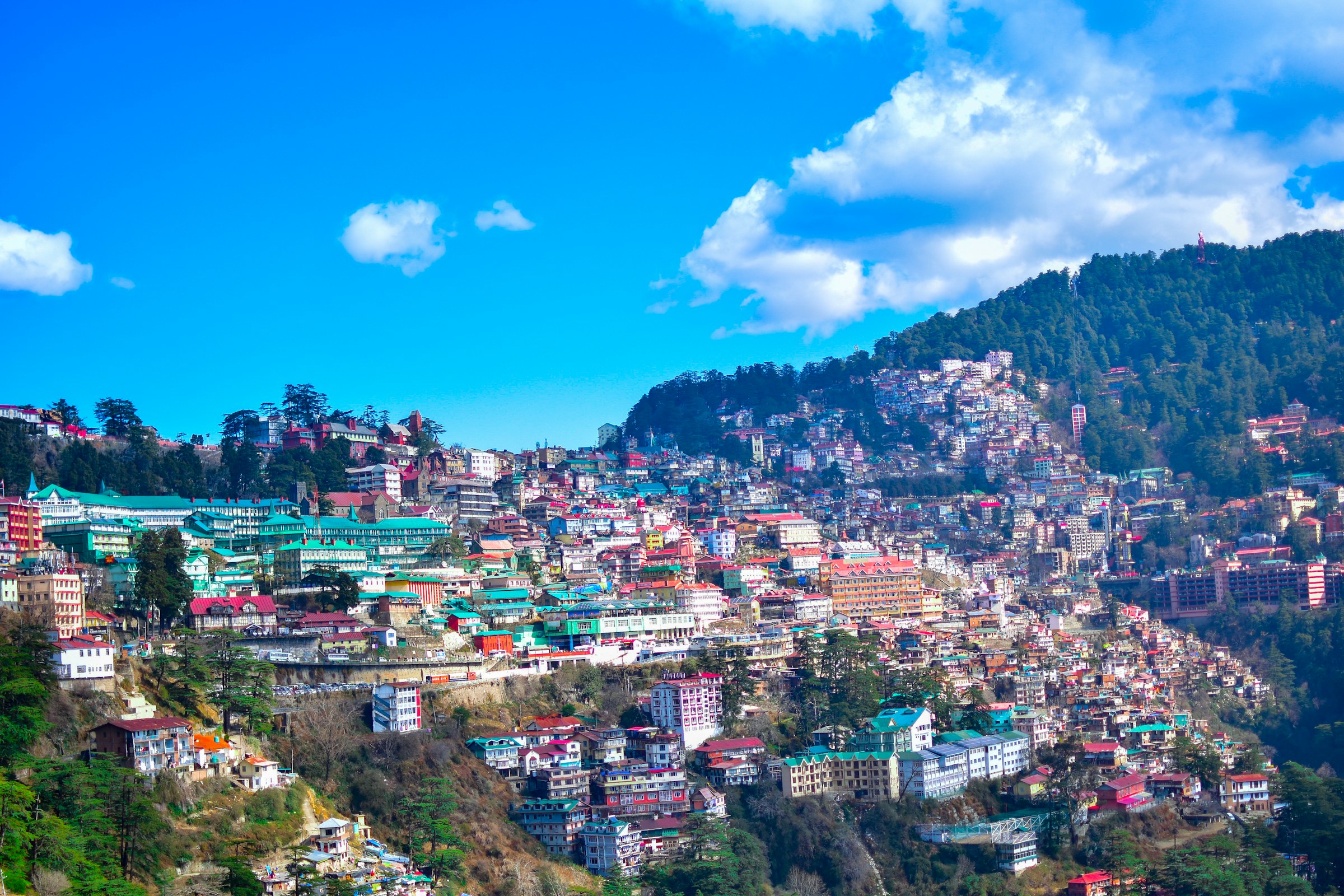
Images: Dr. Mahan Singh
About Dodra and Kwar
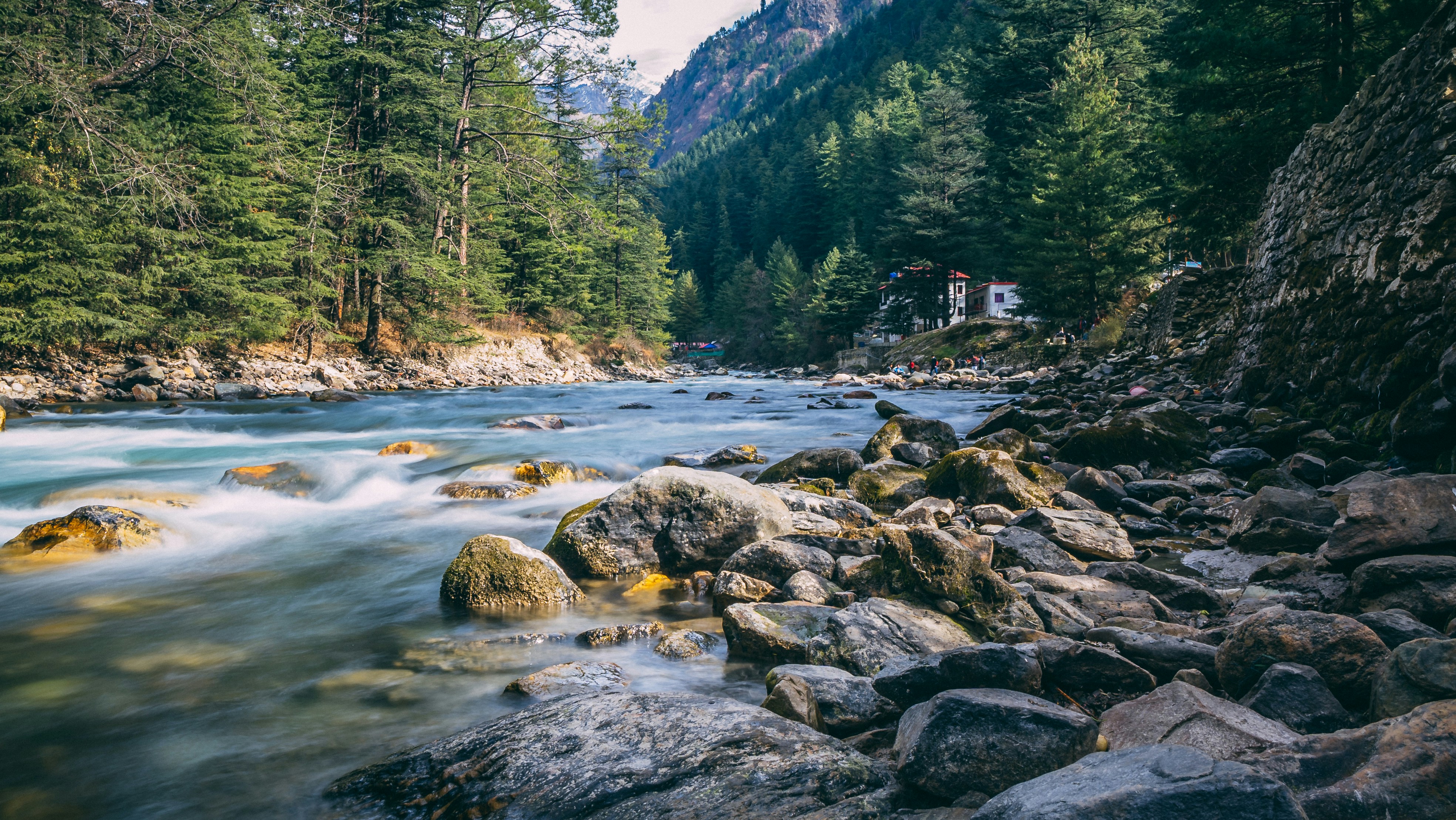
Hidden deep in the remote mountains of Himachal Pradesh, the twin villages of Dodra and Kwar are among the most isolated yet breathtaking destinations in the region. These picturesque villages are separated by the crystal-clear Rupin River, which flows gracefully through the stunning Rupin Valley. Surrounded by dense forests, snow-covered peaks, and terraced fields, Dodra and Kwar offer a glimpse into the untouched beauty and traditional lifestyle of the Himalayan interior.
Reaching these villages is an adventure in itself. Travelers must cross the famous Chanshal Pass, located at an altitude of around 3,784 meters above sea level. The pass is known for its dramatic landscapes, winding mountain roads, and panoramic views of the surrounding valleys. During winter, heavy snowfall often cuts off the region from the rest of the state, making it one of the most remote inhabited areas in Himachal Pradesh.
Journey Through Chanshal Pass
The route to Dodra and Kwar via Chanshal Pass is considered one of the most scenic mountain drives in northern India. As travelers move higher into the mountains, the terrain changes from lush pine forests to rugged alpine landscapes. The pass itself acts as a gateway into a quieter and lesser-explored side of Himachal Pradesh, far away from crowded tourist destinations.
For years, the villages remained disconnected from modern transportation facilities. Before the construction of roads, locals had to undertake a difficult trek of nearly 60 kilometers to reach Larot, the nearest roadhead village before Chanshal Pass. Carrying daily essentials, agricultural produce, and supplies across steep mountain trails was a part of everyday life for the residents.
Transformation After Road Connectivity
A major change came in 2009 when Dodra and Kwar were finally connected through a motorable road. This development significantly improved the lives of local residents by reducing travel hardships and improving access to nearby towns such as Rohru, situated along the banks of the Pabbar River.
The road connectivity helped villagers transport surplus agricultural produce more easily to markets in Rohru and surrounding regions. Apples, rajma (kidney beans), potatoes, and other crops grown in the fertile Himalayan terrain became more accessible to buyers. The improved transportation network also enhanced access to healthcare, education, and essential goods for the local communities.
Culture and Lifestyle of Dodra and Kwar
Despite gradual modernization, Dodra and Kwar have managed to preserve their traditional culture and customs. The villages are known for their unique wooden houses built in classic Himalayan architectural style. Locals continue to follow age-old traditions, celebrate regional festivals with enthusiasm, and maintain a close connection with nature.
Agriculture and animal husbandry remain the primary occupations here. The peaceful environment, fresh mountain air, and warm hospitality of the villagers make the region especially attractive for offbeat travelers and trekking enthusiasts seeking authentic Himalayan experiences.
Natural Beauty and Tourism
The Rupin Valley is famous for its untouched natural beauty. Flowing rivers, alpine meadows, dense deodar forests, and scenic mountain trails create a paradise for nature lovers and photographers. Trekking routes around the region attract adventure seekers who wish to explore hidden Himalayan landscapes away from commercial tourist circuits.
Summer and early autumn are considered the best times to visit Dodra and Kwar, as the weather remains pleasant and the roads are usually accessible. During winter, the area receives heavy snowfall, transforming the villages into a magical snow-covered wonderland.
How to reach Dodra Kwar
In part of the upper Shimla district, there is no direct bus that runs from Delhi. You have to first reach the capital of Himachal Pradesh, Shimla. From there, reach Rohru, which lies 110 km away and takes around 6-7 hours. Rohru, which is a major town in the Pabbar valley, runs a daily bus at 10:00 am by Chansal Pass to Dodra-Kwar.
After crossing Chirgaon, the road condition changes dramatically and gives off the vibe of Pangi Valley Road. The road journey of 33.4 km up to Chanshal Pass is unexpected and dangerous.
Best time to visit
Despite the road connectivity, In the winter season the region receives heavy snowfall and remains cut off from the rest of the region.
Other attractions nearby
Situated on the border with Garhwal, Dodra and Kwar have many treks to explore. Har Ki doon trek that falls in the Govind Pashu Vihar National park in Uttarakhand is not far from here. But if you are looking for an option of transport, you can catch a bus from Rohru, which runs a regular bus service via Mori & Hanol, to Purola, a basecamp of Har ki doon trek.
Rupin Pass Trek is the other option that falls in the Rupin Valley. The trek starts from the village of Netwar in Uttarakhand, which is connected to the Sangla Valley in the Kinnaur region of Himachal Pradesh.
FAQs
Where are Dodra and Kwar located?
Dodra and Kwar are remote villages located in the Shimla district of Himachal Pradesh in northern India.
What is Chanshal Pass famous for?
Chanshal Pass is famous for its high-altitude scenic beauty, adventurous mountain roads, and panoramic Himalayan views.
How were Dodra and Kwar connected before roads?
Before road connectivity, villagers had to trek around 60 kilometers to Larot, the nearest roadhead village.
When did Dodra and Kwar get road connectivity?
The villages were connected by a motorable road in 2009, greatly improving transportation and accessibility.
What are the main occupations of the people living there?
Most residents depend on agriculture, horticulture, and animal husbandry for their livelihood.
What is the best time to visit Dodra and Kwar?
The best time to visit is between May and October when the weather is pleasant and roads remain open.
Is Dodra and Kwar suitable for adventure tourism?
Yes, the region is ideal for trekking, nature photography, camping, and exploring offbeat Himalayan destinations.