Image Source: Ravindra Fase
About Gorton Castle
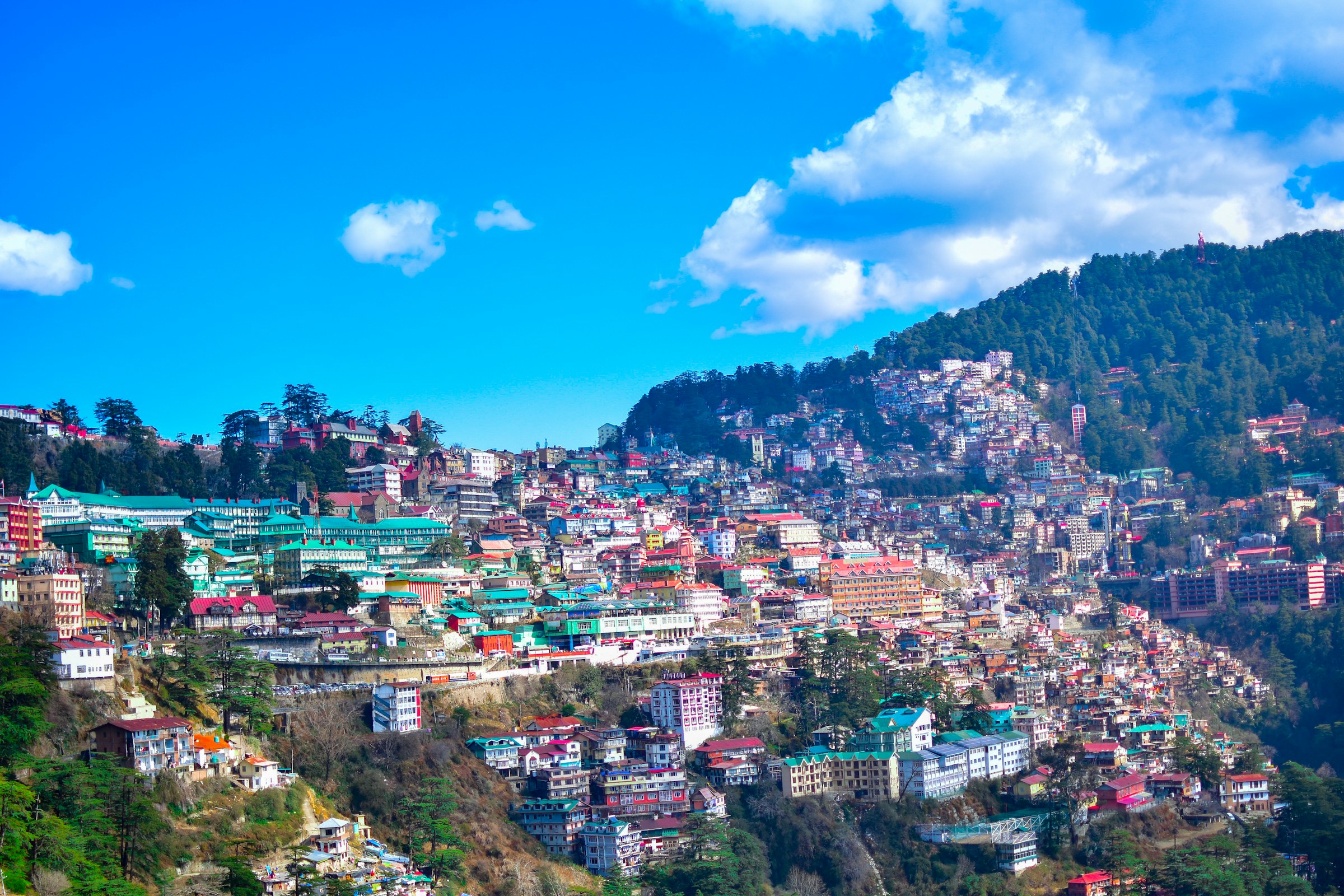
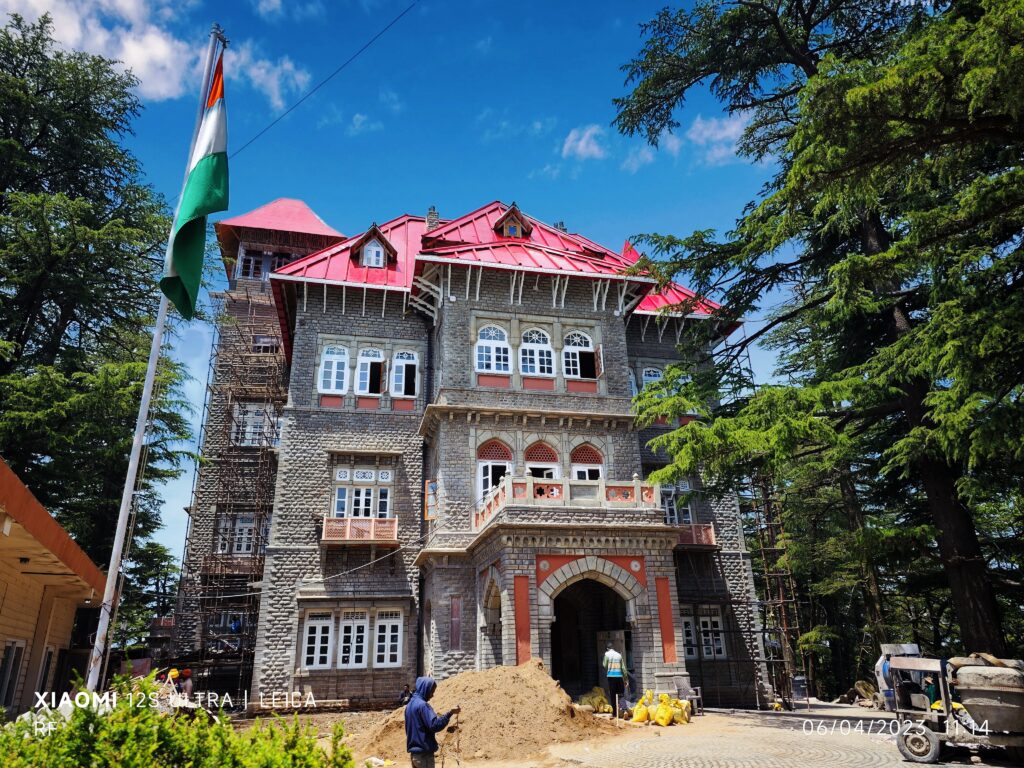
Standing proudly on a hill overlooking Shimla, Gorton Castle is one of the most iconic colonial-era buildings in Himachal Pradesh. With its imposing stone façade, striking Gothic design, and rich historical legacy, the castle remains a prominent landmark in the city. Built in 1904 during the British Raj, Gorton Castle reflects the architectural grandeur that once defined Shimla when it served as the summer capital of British India.
Located in the heart of the city, the castle is approximately 1.5 km from the Old Bus Stand and about 1 km from Shimla Railway Station, making it easily accessible for visitors exploring the town’s colonial heritage. Today, the building houses the office of the Accountant General of Himachal Pradesh and continues to be one of Shimla’s most admired architectural treasures.
Architectural Splendor: A Blend of Gothic and Indian Design
Gorton Castle is widely regarded as one of the finest examples of Gothic Revival architecture in India. Designed by the renowned British architect Sir Swinton Jacob, the building beautifully combines European Gothic elements with traditional Indian craftsmanship.
Spread across an impressive area of nearly 400 feet by 100 feet, the three-storey structure contains around 125 rooms. The castle was constructed using durable grey stone sourced from Sanjauli, giving it a distinctive appearance that stands out against Shimla’s green hills.
One of the most fascinating aspects of the building is its fusion of styles. While the pointed arches, steep roofs, and massive stone walls reflect Gothic influences, the balconies feature intricate Rajasthani-style jaali work and carved detailing inspired by traditional Indian architecture. Timber imported from the Andaman Islands was used extensively in the construction, adding both strength and elegance to the structure.
Originally, the castle featured a red-tiled roof, which was later replaced with galvanized red iron sheets to improve durability and maintenance.
History of Gorton Castle
The story of Gorton Castle dates back to the late 19th century. The land on which the castle stands was originally intended for a hospital project proposed by Mr. Gorton, a member of the Indian Civil Service. However, the hospital was never built, and the property changed ownership several times over the years.
In 1901, the site was purchased by Sir James Walker, a prominent banker, for ₹80,000. Around the same time, Lord Curzon, the Viceroy of India, sought plans for a new Government Secretariat in Shimla. The task was entrusted to Sir Swinton Jacob, who was already renowned for his architectural expertise across India.
Construction began in 1904, and the completed building served as the Secretariat of the Imperial Government during the British era. Over the decades, the structure witnessed many important administrative decisions that shaped colonial India.
Despite the passage of time, Gorton Castle has retained much of its original character and remains an enduring symbol of Shimla’s colonial heritage.
The Legacy of Sir Swinton Jacob
The brilliance of Gorton Castle is closely tied to the vision of its architect, Sir Swinton Jacob. Born in 1841 into a military family, Jacob studied at the East India Company’s Military Seminary at Addiscombe and began his career with the Royal Engineers.
After arriving in India, he gradually shifted his focus from military engineering to architecture. His most influential years were spent in Jaipur, where he served for nearly three decades and became one of the leading architectural minds of British India.
Jacob believed that Indian architecture possessed immense artistic and cultural value. Instead of imposing purely European designs, he sought to incorporate local architectural traditions into his work. This approach helped shape what later became known as the Indo-Saracenic style, a unique blend of Indian and European architectural elements.
His philosophy is clearly visible in Gorton Castle, where Gothic architecture harmoniously coexists with Rajput and Mughal-inspired decorative features.
Architectural Philosophy and Design Influence
Unlike many colonial architects of his time, Sir Swinton Jacob admired and studied Indian craftsmanship in depth. He carefully integrated traditional Indian motifs into government buildings, creating structures that respected local culture while fulfilling administrative requirements.
At Gorton Castle, this philosophy is reflected in the detailed stone carvings, decorative balconies, lattice screens, and ornamental elements that soften the otherwise imposing Gothic structure. The result is a building that feels both grand and culturally rooted.
Even today, architects and historians consider Gorton Castle an outstanding example of successful architectural fusion between East and West.
Other Notable Works of Sir Swinton Jacob
Beyond Gorton Castle, Sir Swinton Jacob designed several landmark buildings across India that continue to attract admiration for their architectural beauty.
Albert Hall Museum, Jaipur
One of Jaipur’s most celebrated landmarks, the museum is a masterpiece of Indo-Saracenic architecture and showcases Jacob’s ability to blend multiple design traditions.
Lalgarh Palace, Bikaner
This magnificent palace combines Rajput, Mughal, and European influences, making it one of Rajasthan’s architectural highlights.
St. Stephen’s College, Delhi
Jacob contributed to the design of the original college buildings, which remain important examples of colonial-era educational architecture.
Mayo College, Ajmer
Often referred to as one of India’s most beautiful educational institutions, Mayo College reflects Jacob’s signature architectural style.
In recognition of his contributions, Sir Swinton Jacob was knighted in 1897. He also compiled the famous Jeypore Portfolio of Architectural Details, a comprehensive collection of Indian architectural designs that became an invaluable resource for architects worldwide.
Why Visit Gorton Castle?
Although visitors cannot freely access all sections of the building due to its administrative use, Gorton Castle remains a must-see landmark for architecture enthusiasts, history lovers, and photographers. Its commanding presence, historical significance, and unique blend of Gothic and Indian styles make it one of Shimla’s most fascinating colonial-era structures.
The castle is especially beautiful when viewed from surrounding viewpoints and heritage walking routes in Shimla, where its majestic silhouette dominates the skyline.
How to Reach Gorton Castle
By Road
Gorton Castle is located in central Shimla and can be easily reached by taxi, local bus, or on foot from most parts of the town.
By Train
The nearest railway station is Shimla Railway Station, situated approximately 1 km away. Visitors can walk or hire a taxi from the station.
By Bus
The Shimla Old Bus Stand is about 1.5 km from the castle. Regular buses and taxis are available from the bus stand.
By Air
The nearest airport is Shimla Airport at Jubbarhatti, around 22 km away. Taxis are available from the airport to the city centre.
Nearby Attractions
- Christ Church, Shimla.
- The Ridge.
- Mall Road.
- Gaiety Heritage Cultural Complex.
- Scandal Point.
- Viceregal Lodge (Indian Institute of Advanced Study).
- Kali Bari Temple.
- Shimla Heritage Walk.
Map
FAQs
1. What is Gorton Castle famous for?
Gorton Castle is famous for its Gothic Revival architecture, colonial history, and unique blend of European and Indian design elements.
2. Who designed Gorton Castle?
The castle was designed by Sir Swinton Jacob, one of the most influential architects of British India.
3. When was Gorton Castle built?
Construction of Gorton Castle began in 1904 during the British Raj.
4. What is the current use of Gorton Castle?
Today, the building serves as the office of the Accountant General of Himachal Pradesh.
5. Can tourists enter Gorton Castle?
As the building functions as a government office, access to the interior may be restricted. However, visitors can admire its exterior architecture.
6. What architectural style does Gorton Castle follow?
The castle primarily follows Gothic Revival architecture with significant Rajput and Indo-Saracenic influences.
7. How far is Gorton Castle from Shimla Railway Station?
It is located approximately 1 km from Shimla Railway Station.
8. Why is Gorton Castle considered architecturally significant?
It successfully combines Gothic architecture with traditional Indian craftsmanship, making it one of the finest colonial buildings in Shimla.
9. What materials were used in the construction of Gorton Castle?
The castle was built using grey Sanjauli stone, timber from the Andaman Islands, and originally featured a red-tiled roof.
10. What are the best nearby attractions to visit along with Gorton Castle?
Visitors often combine a trip to Gorton Castle with Christ Church, The Ridge, Mall Road, Gaiety Heritage Complex, and Viceregal Lodge.