Image Source: Gurpreet Saini
About the Grave of Barog
Nestled amidst the serene pine forests of Himachal Pradesh, the Grave of Barog is one of the most intriguing historical sites along the famous Kalka-Shimla Railway route. More than just a memorial, it tells the story of ambition, engineering challenges, and a tragic human struggle that became an important chapter in the history of one of India’s most remarkable mountain railways.
Located near Barog village in Solan district, the grave belongs to Colonel Barog, a British railway engineer who played a significant role in the construction of the Kalka-Shimla Railway during the early 20th century. Today, the site attracts history enthusiasts, railway lovers, and travelers seeking to learn about the fascinating story behind the railway’s construction.
The Tragic Story of Colonel Barog
During the construction of the Kalka-Shimla Railway, Colonel Barog was assigned the task of building one of the line’s most important tunnels. To speed up the excavation process, he ordered workers to dig from both ends of the mountain simultaneously. While this method was innovative and commonly used, a critical surveying error resulted in the two ends of the tunnel failing to align correctly.
The mistake led to significant financial losses and construction delays. The British authorities reportedly imposed a fine on Colonel Barog, and the public embarrassment deeply affected him. Unable to cope with the humiliation, he tragically took his own life near the site where his grave now stands.
Over the years, the grave has become a symbol of the immense pressure faced by engineers and workers involved in one of the most challenging railway projects of its time.
Completion of the Tunnel
Following Colonel Barog’s death, the responsibility of completing the tunnel was handed over to H.S. Harrington, the Chief Engineer of the project. Under his supervision, a new tunnel alignment was planned and successfully completed.
The finished structure, now known as Barog Tunnel (Tunnel No. 33), is one of the longest tunnels on the Kalka-Shimla Railway. Stretching approximately 1,143.61 meters, it remains a remarkable engineering achievement and an integral part of the UNESCO World Heritage-listed mountain railway.
The successful completion of the tunnel transformed a story of failure into one of perseverance and triumph, ensuring that Colonel Barog’s name would forever remain connected to the railway’s history.
Historical Significance
The Grave of Barog serves as a reminder of the difficulties faced during the construction of mountain railways in the Himalayan region. At a time when modern machinery was unavailable, engineers relied heavily on manual labor, surveying skills, and determination to overcome challenging terrain.
The site stands as a tribute not only to Colonel Barog but also to the countless workers and engineers who contributed to the construction of the Kalka-Shimla Railway. Their efforts helped create one of India’s most iconic rail routes, which continues to attract visitors from around the world.
Visiting the Grave of Barog
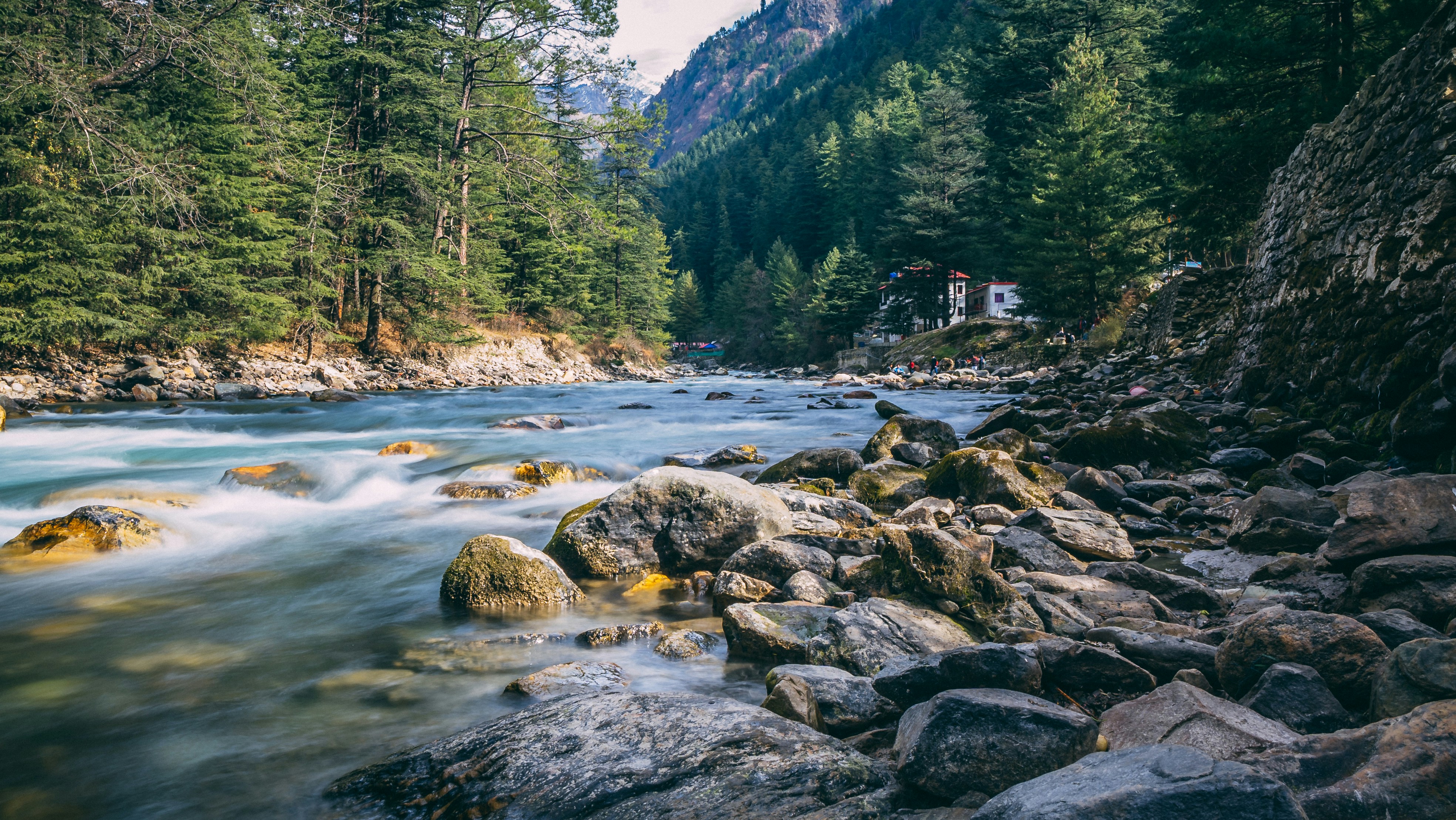
The grave is located within a peaceful forested area near Barog Railway Station. Visitors can reach the site through a short walk along a scenic trail surrounded by deodar and pine trees. The tranquil atmosphere makes it an excellent spot for nature walks, photography, and quiet reflection.
Many tourists combine their visit to the grave with a journey through the famous Barog Tunnel and a stop at Barog Railway Station, one of the most picturesque stations on the Kalka-Shimla Railway route.
Best Time to Visit
The best time to visit the Grave of Barog is between March and June and from September to November when the weather remains pleasant and ideal for sightseeing. During the monsoon season, the surrounding greenery becomes especially vibrant, while winter offers a misty and atmospheric experience.
Interesting Facts About the Grave of Barog
- Colonel Barog was a British engineer involved in the construction of the Kalka-Shimla Railway.
- The original tunnel alignment failed because of a surveying error.
- Barog Tunnel is among the longest tunnels on the Kalka-Shimla Railway.
- The Kalka-Shimla Railway was declared a UNESCO World Heritage Site in 2008.
- The grave is surrounded by dense pine forests and offers a peaceful environment for visitors.
- Local legends and stories about Colonel Barog continue to be shared among residents and railway enthusiasts
Map
The Grave of Barog is located 51 km from Shimla in Barog village , Solan district.
FAQs
1. Who was Colonel Barog?
Colonel Barog was a British railway engineer who supervised the construction of a tunnel on the Kalka-Shimla Railway during the British era.
2. Why is the Grave of Barog famous?
The grave is famous because it commemorates Colonel Barog, whose tragic death followed a major engineering error during the construction of the railway tunnel.
3. Where is the Grave of Barog located?
The grave is located near Barog village and Barog Railway Station in the Solan district of Himachal Pradesh.
4. Can visitors reach the grave easily?
Yes. The grave can be reached via a short walking trail from Barog Railway Station.
5. What is the significance of Barog Tunnel?
Barog Tunnel is one of the longest tunnels on the Kalka-Shimla Railway and represents a major engineering accomplishment in the Himalayan region.
6. Is there an entry fee to visit the grave?
Generally, there is no entry fee to visit the Grave of Barog, though visitors should verify local regulations before traveling.
7. How long does it take to explore the site?
Most visitors spend around 30 minutes to 1 hour exploring the grave and the surrounding area.
8. Is the site suitable for families?
Yes, the site is suitable for families, history enthusiasts, and railway lovers.
9. What other attractions can be visited nearby?
Visitors can explore Barog Tunnel, Barog Railway Station, Choor Chandni Peak, Dolanji Monastery, and Solan town.
10. Why is the story of Colonel Barog still remembered today?
His story highlights both the challenges of early railway engineering and the human emotions behind large-scale infrastructure projects, making it one of the most compelling tales associated with the Kalka-Shimla Railway.