Image Source: Priyanka Kumari
About Shimla Water Catchment Wildlife Sanctuary
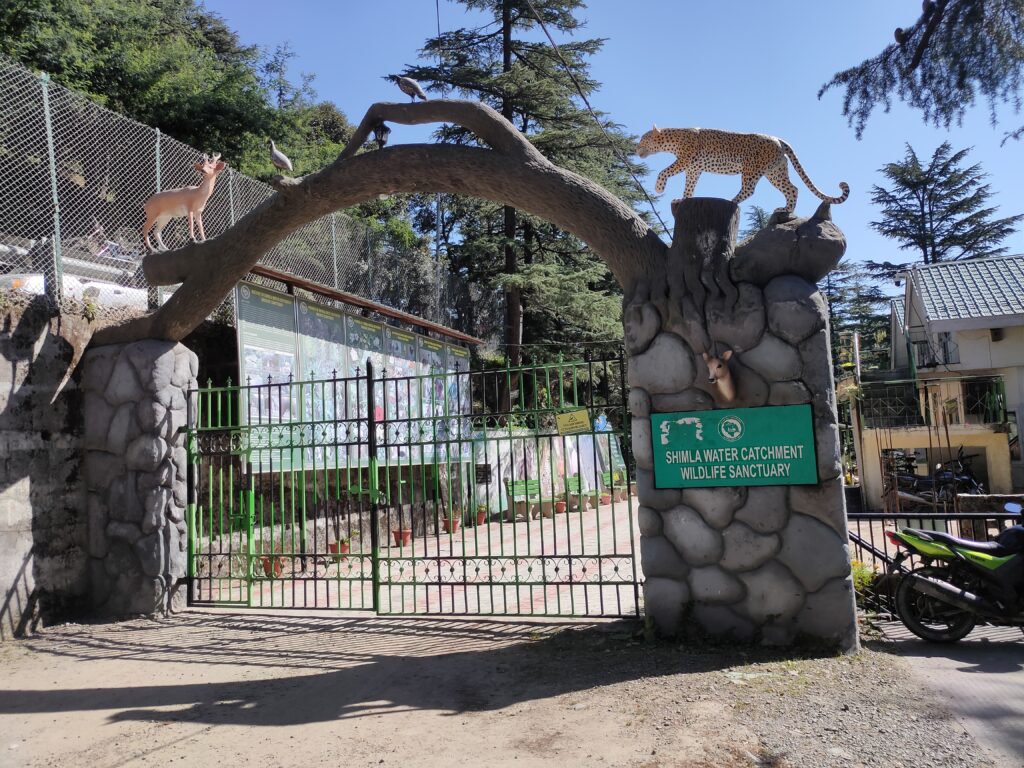
Nestled amidst dense forests and pristine mountain landscapes, the Shimla Water Catchment Wildlife Sanctuary is a paradise for wildlife lovers, birdwatchers, photographers, and nature enthusiasts. Located approximately 9 km from Shimla Railway Station, this peaceful sanctuary offers visitors a chance to escape the city’s bustle and immerse themselves in the tranquil beauty of the Himalayan wilderness.
Known for its rich biodiversity, scenic hiking trails, and ecological importance, the sanctuary is one of the most fascinating natural attractions in the Shimla region. Whether you are seeking adventure, wildlife sightings, or simply a refreshing retreat in nature, this protected forest provides a memorable experience throughout the year.
History
Spread across an area of around 10.25 square kilometers, the sanctuary has a long history of conservation and environmental significance. The forest area was once owned by the Rana of Koti, one of the prominent rulers of the region. Recognizing its ecological value, the area was declared a Protected Forest in 1952.
In 1990, the region received official recognition as a Wildlife Sanctuary to safeguard its diverse flora and fauna. Later, in 2009, the Shimla Municipal Corporation handed over the management of the sanctuary to the Wildlife Department, ensuring better conservation practices and wildlife protection measures.
Today, the sanctuary serves not only as a biodiversity hotspot but also as an important environmental resource for the surrounding region.
Rich Flora and Diverse Wildlife
Situated at an altitude ranging from approximately 1,900 to 2,600 meters above sea level, the sanctuary supports a wide variety of plant and animal species. Thick forests of deodar, oak, pine, rhododendron, and other Himalayan vegetation create an ideal habitat for wildlife.
Among the mammals found here are leopards, barking deer, musk deer, rhesus macaques, ghorals, Indian sambar, foxes, and Himalayan black bears. While many of these animals are elusive and rarely seen, their presence reflects the healthy ecosystem of the sanctuary.
Bird enthusiasts will find the sanctuary especially rewarding. Numerous Himalayan bird species can be spotted throughout the year, including blue magpies, house sparrows, woodpeckers, pheasants, and various migratory birds. The peaceful environment and dense forest cover make it one of the best places near Shimla for birdwatching.
Environmental Importance and Water Supply
The sanctuary plays a vital role in supporting Shimla’s water needs. It acts as a natural water catchment area and supplies a significant portion of the town’s drinking water through a gravity-fed system.
Nine perennial streams flow through the sanctuary, providing a reliable source of fresh water throughout the year. Among these, God Ki Nala and Churat Nala are particularly important. The forest also shares ecological connectivity with nearby forested regions, including the Chail Sanctuary landscape, helping wildlife move naturally between habitats and maintaining biodiversity across the region.
Trekking and Adventure Opportunities
Apart from wildlife viewing, the sanctuary is a popular destination for hiking and nature walks. One of the most scenic trails stretches for about 7 kilometers from the entrance gate to the Forest Rest House at Seog.
The trail passes through dense forests, open meadows, and picturesque viewpoints overlooking valleys and mountain ranges. The peaceful surroundings, fresh mountain air, and occasional wildlife sightings make the trek a rewarding experience for visitors of all ages.
For those wishing to spend more time amidst nature, accommodation may be available at the Forest Rest House in Seog, subject to prior booking and permissions.
Visitor Information and Guidelines
Visitors can explore the sanctuary either on foot or by renting bicycles available near the entrance. Entry permits are required for bicycles and private vehicles entering the sanctuary premises.
Since the area is home to wild animals such as bears and leopards, it is advisable to explore the sanctuary with an authorized guide or trained forest guard. Visitors should avoid venturing deep into the forest alone and must follow all safety instructions issued by the forest authorities.
Maintaining cleanliness, avoiding littering, and respecting wildlife habitats are essential responsibilities for every visitor.
Timings and Entry Fee
The Shimla Water Catchment Wildlife Sanctuary is generally open from 10:00 AM to 4:00 PM and remains closed on Mondays.
Entry charges, vehicle permits, and guide fees may vary from time to time. Visitors are advised to confirm the latest details with local forest authorities before planning their visit.
Best Time to Visit
The sanctuary can be visited throughout the year, but the best time is from March to June and September to November when the weather is pleasant and wildlife activity is relatively high.
During spring and summer, the forests are lush and vibrant, while autumn offers clear skies and excellent visibility. Winter transforms the sanctuary into a magical landscape, with occasional snowfall adding to its charm.
Why Visit Shimla Water Catchment Wildlife Sanctuary?
The sanctuary offers a unique blend of natural beauty, biodiversity, adventure, and environmental significance. Unlike crowded tourist spots, it provides a peaceful and immersive experience where visitors can connect with nature, observe wildlife, enjoy scenic treks, and learn about the importance of forest conservation.
Whether you’re a wildlife enthusiast, a photographer, a trekking lover, or simply someone looking for a refreshing escape into nature, the Shimla Water Catchment Wildlife Sanctuary is well worth a visit.
Map
FAQs
1. Where is Shimla Water Catchment Wildlife Sanctuary located?
The sanctuary is located approximately 9 km from Shimla Railway Station in Himachal Pradesh.
2. Why is the sanctuary important?
Besides protecting wildlife and forests, the sanctuary serves as a major water source for Shimla through its network of perennial streams.
3. What animals can be seen in the sanctuary?
Visitors may spot barking deer, musk deer, rhesus macaques, ghorals, foxes, Indian sambar, leopards, and various bird species.
4. Is trekking allowed inside the sanctuary?
Yes, trekking and nature walks are among the most popular activities. The trail leading to Seog Forest Rest House is particularly scenic.
5. Are guides necessary for visiting the sanctuary?
Although not always mandatory, hiring a guide or accompanying a forest guard is strongly recommended for safety and better wildlife interpretation.
6. Can visitors cycle inside the sanctuary?
Yes, bicycles can be rented and used within designated areas of the sanctuary after obtaining the required permit.
7. What are the sanctuary timings?
The sanctuary is usually open from 10:00 AM to 4:00 PM and remains closed on Mondays.
8. What is the best season to visit?
Spring (March–June) and autumn (September–November) are considered the best seasons due to pleasant weather and favorable wildlife-viewing conditions.
9. Is photography allowed inside the sanctuary?
Yes, photography is generally allowed, making it an excellent destination for nature and wildlife photography.
10. How much time is required to explore the sanctuary?
Most visitors spend between 2 and 5 hours exploring the sanctuary, depending on whether they are hiking, birdwatching, or simply sightseeing.