Image Source: Saurabh
About Dhankar Monastery
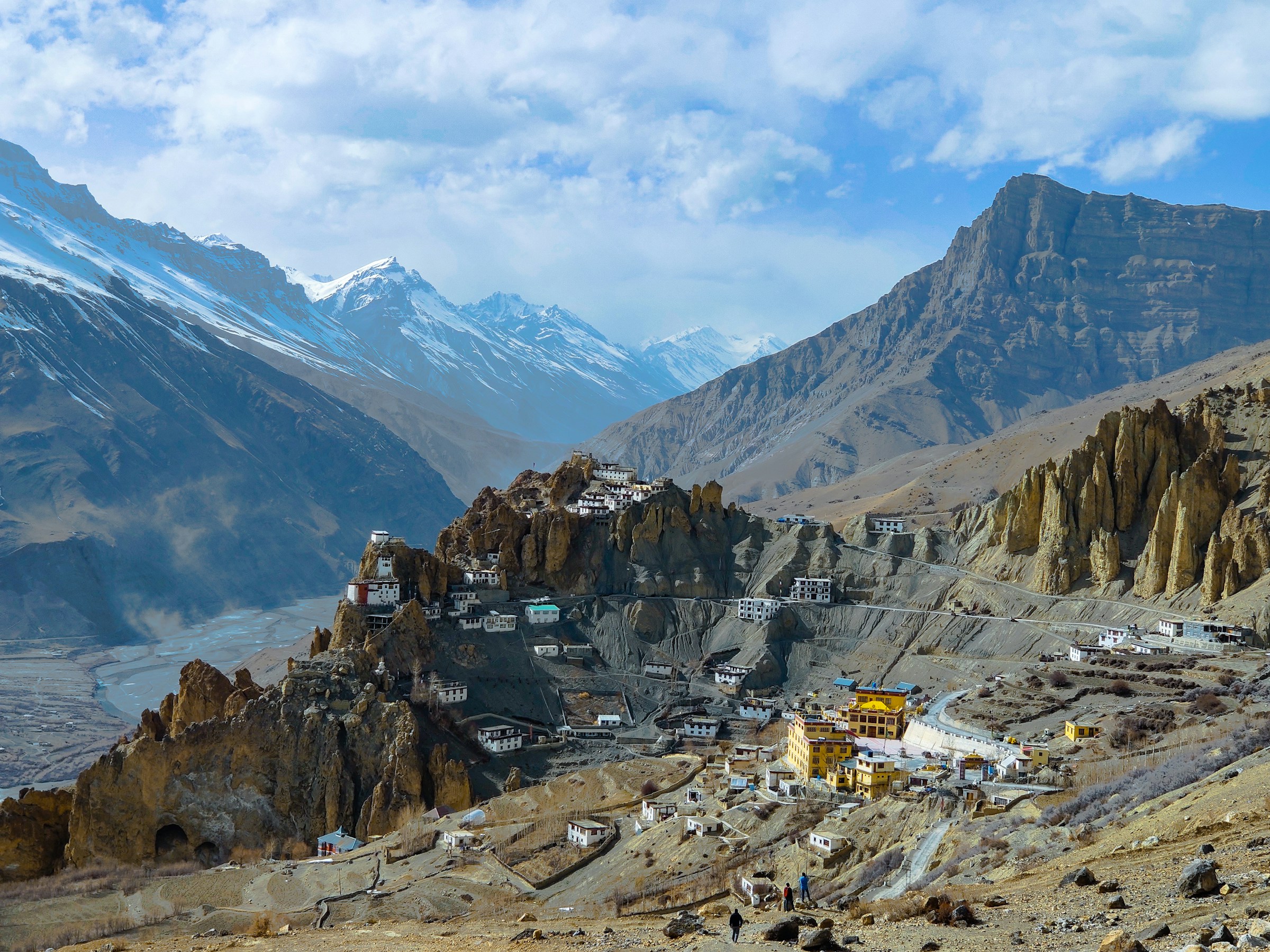
Perched dramatically on a rugged cliff in the heart of Spiti Valley, Dhankar Monastery is one of the most remarkable historical and spiritual landmarks in Himachal Pradesh. Located between Kaza and Tabo, this ancient monastery is a must-visit destination for travelers exploring the remote landscapes of Spiti. Its breathtaking setting, rich history, and cultural significance make it one of the valley’s most treasured attractions.
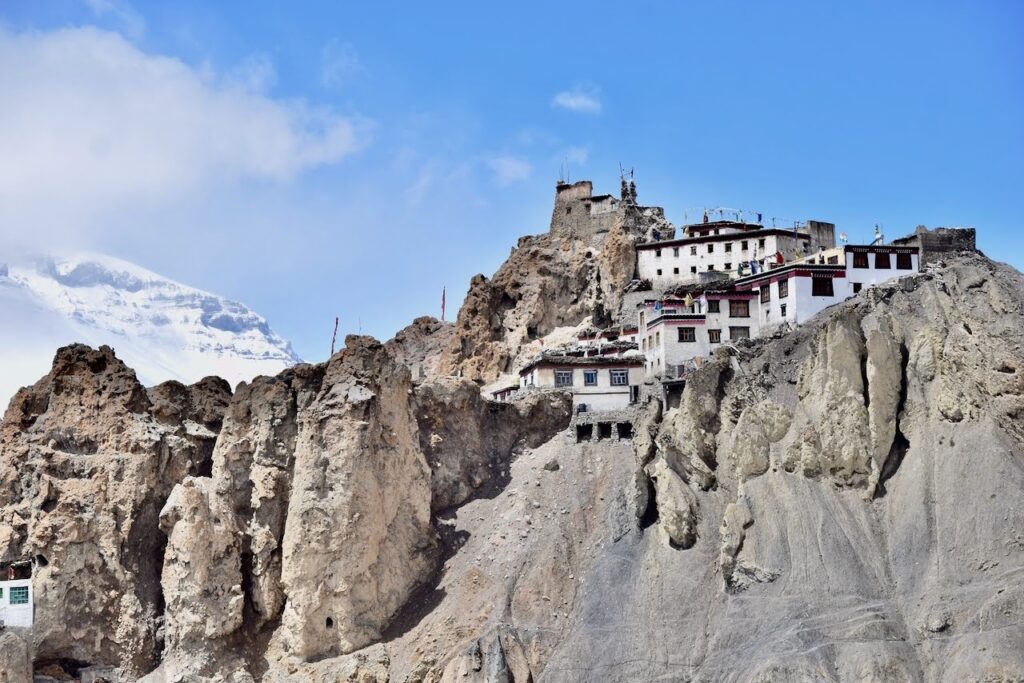
The name “Dhankar” is derived from two local words—Dhang or Dang, meaning cliff, and Khar or Kar, meaning fort. Together, Dhankar translates to “Fort on a Cliff,” a fitting name for a structure that seems to cling to the edge of a steep mountain slope. Standing at an altitude of around 3,894 meters (12,774 feet), the monastery offers spectacular views of the surrounding valleys and the confluence of the Spiti and Pin Rivers.
History of Dhankar Monastery
Dhankar Monastery once served as the capital of the ancient Spiti Kingdom and was the traditional seat of the rulers of the region. For centuries, it functioned not only as a place of worship and learning but also as a defensive fortification. Its strategic position atop a cliff enabled the inhabitants to monitor approaching threats and seek protection during times of conflict.
The monastery’s architectural features and historical remains date back between the 12th and 17th centuries. Over the years, it evolved into an important center of Buddhist culture and administration. The old monastery complex still houses ancient murals, scriptures, and Buddhist artworks that reflect the rich heritage of Tibetan Buddhism in the region.
The Role of the Nonos
The local rulers of Spiti, known as the Nonos, played a significant role in maintaining the monastery and fort. They were responsible for overseeing agricultural activities, managing local affairs, and carrying out repairs to the fortification whenever required.
The Nonos also served as administrators and judges. Historical records suggest that justice was often delivered through strict laws and severe punishments, many of which were later abolished during the British era. Some Nonos were local chiefs, while others were appointed by the rulers of Ladakh to govern the region.
As the influence of Ladakh weakened over time, the Nonos gradually gained greater control over local governance. They managed regional affairs independently and paid tribute to neighboring powers when necessary, especially during periods of political pressure from Chamba, Kullu, and Ladakh.
Architecture and Spiritual Significance
Dhankar Monastery is an outstanding example of traditional Himalayan architecture. Built using mud, stone, and timber, the structure blends seamlessly with the surrounding landscape. The monastery houses several prayer halls, ancient murals, Buddhist statues, and sacred scriptures that offer valuable insights into centuries-old Buddhist traditions.
The monastery belongs to the Gelugpa school of Tibetan Buddhism and continues to serve as an active center for religious learning and meditation. Monks residing here preserve the spiritual heritage of the region through daily prayers, rituals, and teachings.
What Makes Dhankar Monastery Special?
One of the biggest highlights of visiting Dhankar Monastery is the panoramic view from its cliffside location. The sight of the Spiti and Pin Rivers merging below, surrounded by barren mountains and dramatic landscapes, is truly unforgettable.
The monastery’s unique combination of history, spirituality, and natural beauty creates an experience unlike any other in Spiti Valley. Visitors can explore the ancient monastery, interact with monks, admire centuries-old artwork, and enjoy some of the most stunning vistas in the Himalayas.
Best Time to Visit
The ideal time to visit Dhankar Monastery is from May to October when the roads to Spiti Valley remain accessible. During these months, the weather is relatively pleasant, making sightseeing and photography more enjoyable. Winter visits are possible but can be challenging due to heavy snowfall and road closures.
How to Reach Dhankar Monastery
By Air
The nearest airport is Kullu-Manali Airport, located approximately 245 km away. From the airport, travelers can hire a taxi or take a bus toward Kaza and then proceed to Dhankar.
By Rail
The nearest broad-gauge railway station is Kalka Railway Station, about 430 km from Dhankar. From Kalka, visitors can travel by road via Shimla, Reckong Peo, Nako, and Tabo to reach the monastery.
By Road
Dhankar Monastery is well connected by road to major destinations in Spiti Valley.
- Kaza to Dhankar: Approximately 34 km (1–1.5 hours)
- Tabo to Dhankar: Approximately 24 km (45 minutes)
- Nako to Dhankar: Approximately 64 km
- Shimla to Dhankar: Approximately 380 km
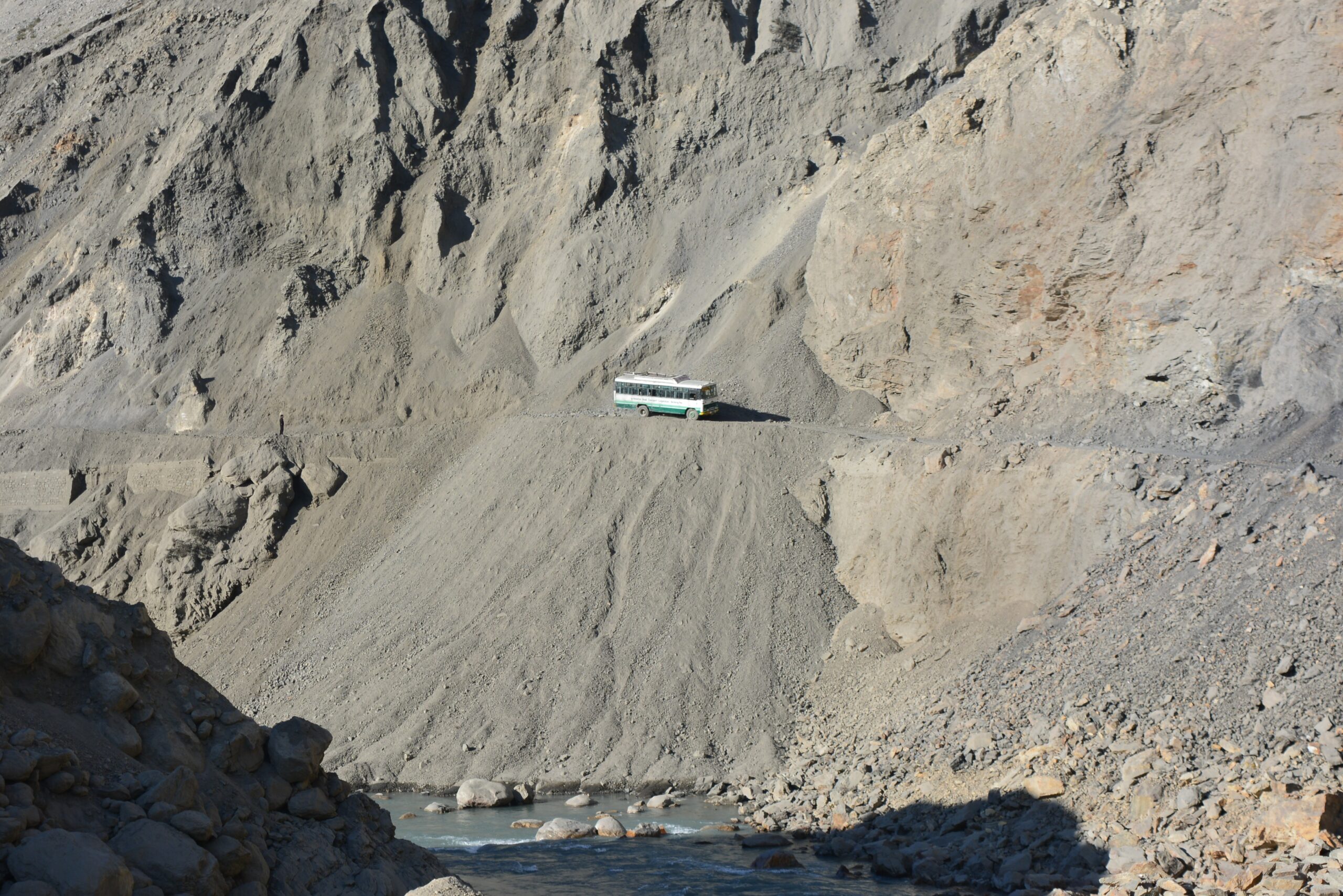
Regular buses and shared taxis operate between Kaza, Tabo, and other villages in Spiti Valley. From the main road, a short uphill drive leads to Dhankar Village and the monastery.
Self-Drive Option
Many travelers prefer driving from Shimla or Manali. The route via Shimla remains open for most of the year and offers a gradual acclimatization to the high-altitude terrain of Spiti Valley.
Nearby Attractions of Dhankar Monastery
1. Dhankar Lake
Located about 2 km uphill from the monastery, Dhankar Lake is a pristine high-altitude lake surrounded by barren mountains and spectacular Himalayan scenery. The moderate trek to the lake rewards visitors with panoramic views of the Spiti Valley and is one of the most popular activities near Dhankar.
2. Pin Valley National Park
Situated near the confluence of the Pin and Spiti Rivers, this beautiful national park is known for its cold desert landscape, rare wildlife, and traditional villages. It is home to species such as the snow leopard, Siberian ibex, and Himalayan wolf.
3. Tabo Monastery
Around 24 km from Dhankar, Tabo Monastery is one of the oldest functioning Buddhist monasteries in India. Founded in 996 CE, it is renowned for its ancient murals, manuscripts, and mud-brick temples, earning the nickname “Ajanta of the Himalayas.”
4. Kungri Monastery
Located in Pin Valley, this centuries-old monastery belongs to the Nyingma sect of Tibetan Buddhism. It is known for its colorful murals, ancient scriptures, and annual Cham dance festival.
5. Mudh Village
The last motorable village in Pin Valley, Mudh is famous for its traditional Spitian culture, scenic surroundings, and trekking routes leading into the Pin-Parvati region.
6. Key Monastery
About 35 km from Dhankar, Key Monastery is the largest and most iconic monastery in Spiti Valley. Perched atop a hill, it offers stunning views and houses valuable Buddhist artifacts and manuscripts.
Maps
FAQs
Q1. How far is Dhankar Lake from Dhankar Monastery?
Dhankar Lake is approximately 2 km from the monastery and can be reached via a moderate trek of about 45 minutes to 1 hour.
Q2. Is parking available at Dhankar Monastery?
Yes, limited parking facilities are available near the monastery complex.
Q3. Can Dhankar Monastery be visited as a day trip from Kaza?
Yes, Dhankar is one of the most popular day-trip destinations from Kaza and can easily be explored along with Tabo Monastery.
Q4. Is the trek to Dhankar Lake difficult?
The trek is moderately challenging due to the high altitude but is manageable for most visitors with reasonable fitness.
Q5. What is the altitude of Dhankar Monastery?
Dhankar Monastery is situated at an altitude of approximately 3,894 meters (12,774 feet) above sea level.