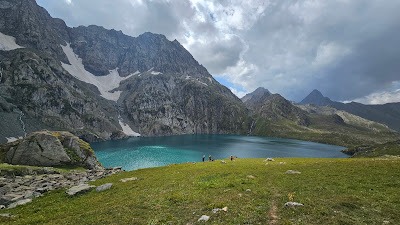
Image Source: Sudeep gowda
About Gangbal Lake
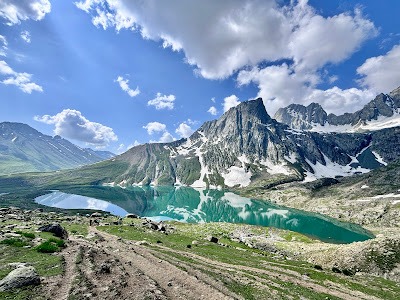
Tucked away at an altitude of around 3,575 meters, Gangbal Lake is one of Kashmir’s most breathtaking high-altitude gems. Resting at the base of the mighty Mount Harmukh, this pristine alpine lake sits in the Ganderbal district and feels almost untouched by time.
What makes Gangbal special isn’t just its crystal-clear water or sweeping mountain views—it’s the sense of calm that surrounds it. Meadows dotted with wildflowers, the towering presence of Harmukh Peak, and the quiet stillness of the landscape make it a place that draws not just trekkers and nature lovers, but also pilgrims seeking something deeper.
Geography and Natural Setting
Gangbal Lake lies on the northeastern slopes of Mount Harmukh, which rises to about 5,142 meters (16,870 feet). The lake is glacial in origin, fed by melting snow and nearby glaciers, which is why its water remains icy cold and incredibly clear throughout the year.
It forms part of the Sind River basin, eventually feeding into the Jhelum River—one of the most important rivers in the region.
Stretching roughly 2.5 kilometers in length and over 1 kilometer in width, Gangbal is among the largest alpine lakes in the Kashmir Valley. Its vast surface often reflects the surrounding peaks like a mirror, especially on calm, clear mornings.
Flora and Fauna
During the summer months, the area around Gangbal transforms into a colorful alpine paradise. The meadows burst into life with flowers like blue poppies, anemones, and edelweiss, creating a vibrant contrast against the rugged mountain backdrop.
You’ll also find grazing flocks of sheep and goats, brought here by local shepherds who spend the warmer months in these high-altitude pastures. Wildlife sightings are occasional but can include Himalayan birds, marmots, and other alpine species.
Mythology and Cultural Significance
Gangbal Lake holds deep spiritual importance, especially in Hindu tradition. It is often associated with Lord Shiva and is sometimes called the “Ganga of Kashmir.”
The name “Gangbal” is believed to come from “Ganga-Bal,” symbolizing a source or strength of the sacred Ganga River. Many consider it a northern counterpart to the Ganges.
There’s also a strong belief that Mount Harmukh represents a local version of Mount Kailash, making Gangbal spiritually equivalent to Gangotri. Ancient sages are said to have meditated here, drawn by the area’s powerful and serene energy.
Harmukh Gangbal Yatra
Every year, usually in August, Kashmiri Pandits undertake the Harmukh-Gangbal Yatra—a sacred pilgrimage to the lake. Much like rituals performed along the Ganges, devotees immerse the ashes of their loved ones in Gangbal’s holy waters.
Despite challenges over the years, this yatra continues to hold immense cultural and emotional significance, keeping age-old traditions alive.
How to Reach Gangbal Lake
Getting to Gangbal isn’t straightforward—but that’s part of its charm.
By Road
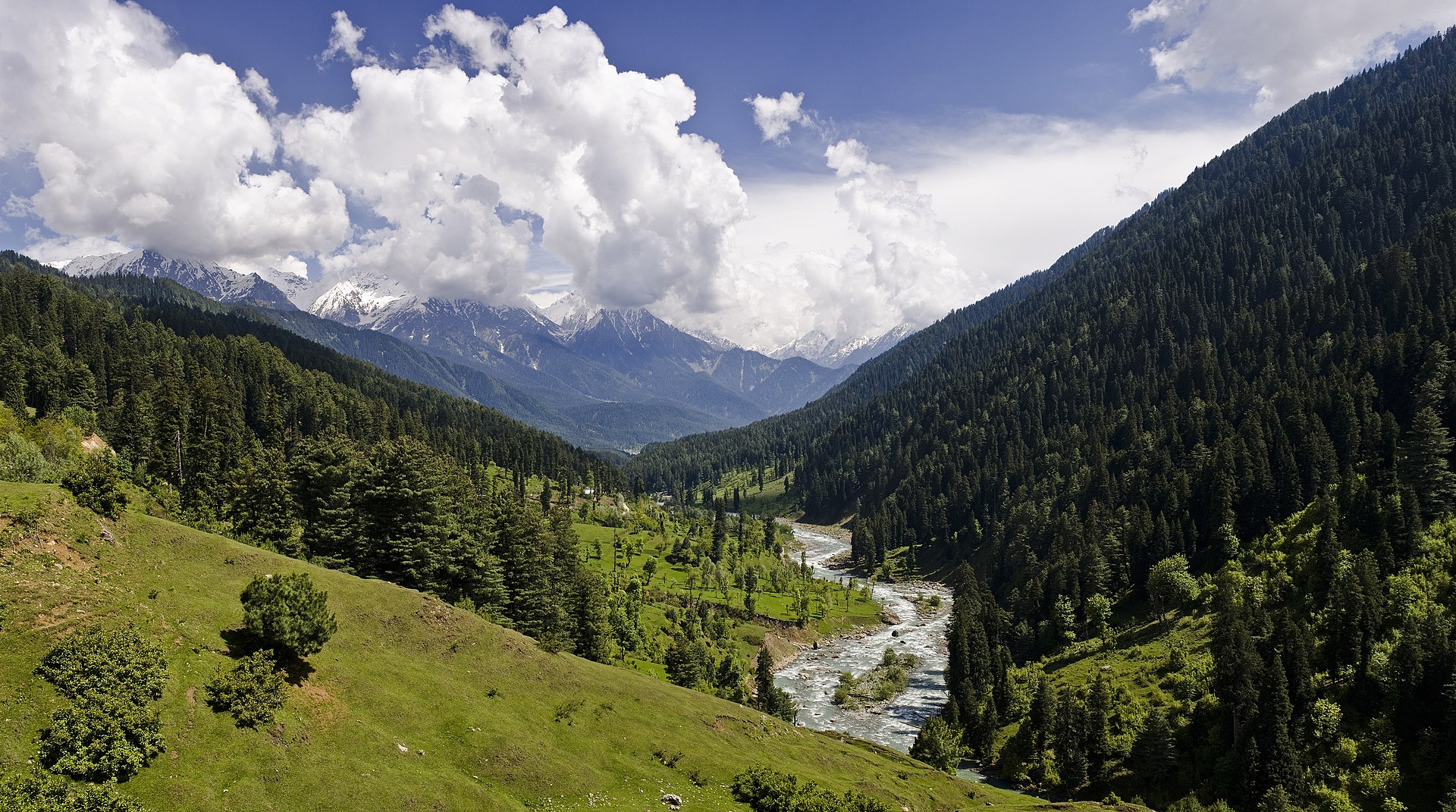
The journey begins from Srinagar, which is well connected by air and road. From there, it’s about a 50 km drive to Naranag, a small but scenic village in Ganderbal district. The route offers glimpses of rural Kashmir, with lush fields and mountain views along the way.
Trek from Naranag to Gangbal
From Naranag, the real adventure begins.
- The trek is about 15–18 km one way and usually takes 1–2 days
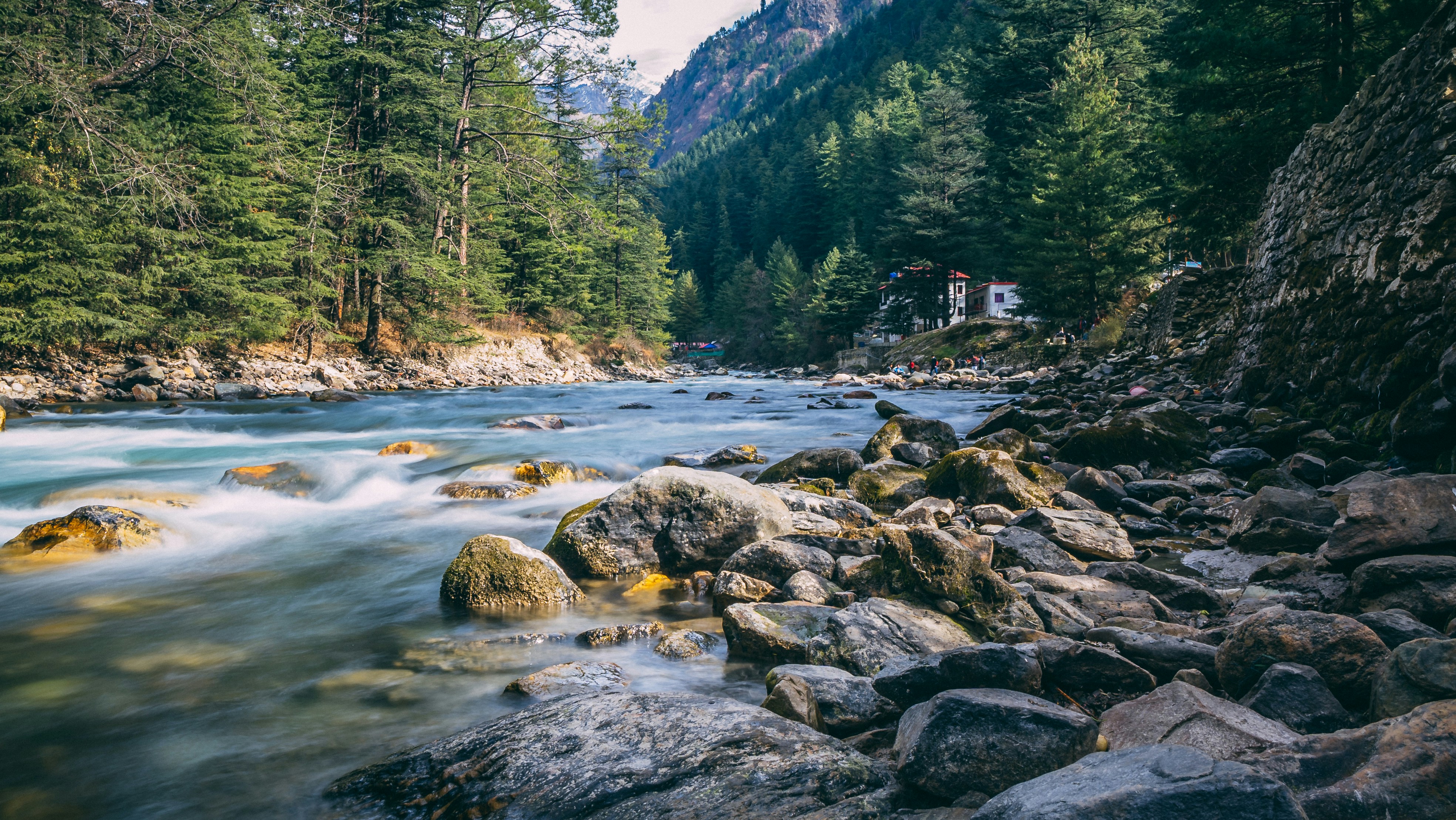
- The trail passes through pine forests, rocky ridges, and open meadows like Butshree and Trunkhol
- Most trekkers camp overnight at Trunkhol Meadow
On the final stretch, you’ll pass by Nundkol Lake, a striking turquoise lake just below Gangbal. A small stream connects the two, and together they create a stunning high-altitude landscape.
The trek is considered moderate to challenging, mainly due to steep climbs and changing weather conditions.
Nearby Attractions to Gangbal Lake
Nestled at the foot of the majestic Harmukh Mountain in the Ganderbal district of Jammu and Kashmir, Gangbal Lake is one of the most spectacular high-altitude lakes in Kashmir. Situated at an elevation of around 3,570 meters (11,700 feet), the lake is revered by Hindus and cherished by trekkers, anglers, and nature enthusiasts. Surrounded by alpine meadows, snow-capped peaks, and pristine wilderness, Gangbal Lake is often referred to as the “Ganges of Kashmir.” The lake is also the highlight of the famous Naranag-Gangbal Trek, one of the most scenic trekking routes in the Kashmir Valley.
Harmukh Mountain
Towering above Gangbal Lake, Harmukh Mountain is one of the most prominent peaks in Kashmir. Rising to an altitude of over 5,100 meters, the mountain is considered sacred and provides a dramatic backdrop to the lake. Trekkers and photographers are particularly drawn to its stunning views.
Nundkol Lake
Located just a short distance from Gangbal, Nundkol Lake is another beautiful alpine lake situated directly beneath Harmukh Mountain. Its crystal-clear waters reflect the surrounding peaks, making it one of the most photographed locations in the region.
Naranag
The picturesque village of Naranag serves as the primary base camp for the Gangbal Trek. The village is known for its lush meadows, traditional Kashmiri culture, and ancient temple ruins.
Naranag Temple Complex
The historic Naranag Temple Complex dates back to the 8th century and is attributed to the Karkota dynasty. These ancient stone temples are among the most important archaeological sites in Kashmir and offer fascinating insights into the region’s history.
Trunkhol Meadow
Situated along the trekking route, Trunkhol is a vast alpine meadow surrounded by mountains and forests. It serves as a popular camping site for trekkers heading toward Gangbal and Nundkol lakes.
Bodpathri
Bodpathri is a beautiful meadow located on the trek route. Covered with wildflowers during summer, it offers breathtaking views of the surrounding Himalayan landscape.
Vishansar Lake
Located further northeast in the alpine region of Ganderbal, Vishansar Lake is famous for its turquoise waters and scenic surroundings. It is often included in longer trekking itineraries.
Krishansar Lake
Close to Vishansar Lake, Krishansar Lake is renowned for its pristine beauty and excellent trout fishing opportunities. The lake is surrounded by rolling meadows and mountain ridges.
Gadsar Lake
Known as the “Lake of Flowers,” Gadsar Lake is one of the most picturesque alpine lakes in Kashmir. It is famous for its colorful summer blooms and dramatic mountain setting.
Sonamarg
Located about 50 kilometers from Naranag, Sonamarg is one of Kashmir’s most celebrated tourist destinations. Known as the “Meadow of Gold,” it serves as a gateway to numerous trekking routes and glaciers.
Thajiwas Glacier
Near Sonamarg, Thajiwas Glacier is a popular attraction featuring snowfields, glacial streams, and stunning mountain scenery. It remains accessible for much of the year.
Nilagrad River
Located near Sonamarg, Nilagrad River is known for its reddish-colored waters, which local traditions associate with medicinal properties.
Baltal Valley
Baltal Valley is an important base camp for the annual Amarnath Yatra. The valley is famous for its dramatic landscapes and towering mountain walls.
Satsar Lakes
The group of seven alpine lakes known as Satsar Lakes lies in the higher reaches of Ganderbal district and is often visited by trekkers exploring the Great Lakes region.
Kashmir Great Lakes Trek Route
Gangbal Lake forms part of the broader trekking landscape surrounding the famous Kashmir Great Lakes Trek, which passes through some of the most beautiful alpine lakes, meadows, and mountain passes in the Himalayas.
Alternate Trekking Route
Gangbal Lake is also part of the famous Kashmir Great Lakes Trek—one of the most scenic treks in India. On this route, trekkers reach Gangbal toward the end of their journey after crossing a series of stunning lakes like Vishansar, Kishansar, Gadsar, and Satsar.
Best Time to Visit
The ideal time to visit Gangbal Lake is from late June to mid-September. During this period:
- Snow has melted, making trails accessible
- Meadows are lush and green
- Skies are generally clear, offering incredible reflections of Harmukh Peak
Winters are extremely harsh, and the entire region gets buried under heavy snow, making it inaccessible and unsafe for travel.
Travel Tips
- Carry proper trekking gear, including sturdy shoes and warm clothing.
- Weather can change quickly—be prepared for rain or sudden cold.
- There are no permanent accommodations, so camping gear is essential.
- Travel with a guide if you’re unfamiliar with the route.
- Respect the environment—avoid littering and preserve the lake’s pristine beauty.
Google Maps
FAQs
1. How difficult is the trek to Gangbal Lake?
The trek is moderate to challenging. While beginners can attempt it, a basic level of fitness is important.
2. Can I visit Gangbal Lake without trekking?
No, trekking is the only way to reach the lake.
3. Is camping allowed near the lake?
Yes, camping is common, especially at Trunkhol and near the lake. However, you need to carry your own equipment.
4. Are there any facilities available at Gangbal Lake?
No, there are no hotels or shops. It’s a remote location, so you must be self-sufficient.
5. Is Gangbal Lake safe for solo travelers?
It can be, but it’s recommended to travel in a group or with a guide due to the remote terrain.
6. Why is Gangbal Lake considered sacred?
It is associated with Lord Shiva and is believed to be a spiritual counterpart to the Ganges, making it an important pilgrimage site.