Image Source: Umar Farooq
About the Kolhoi Range
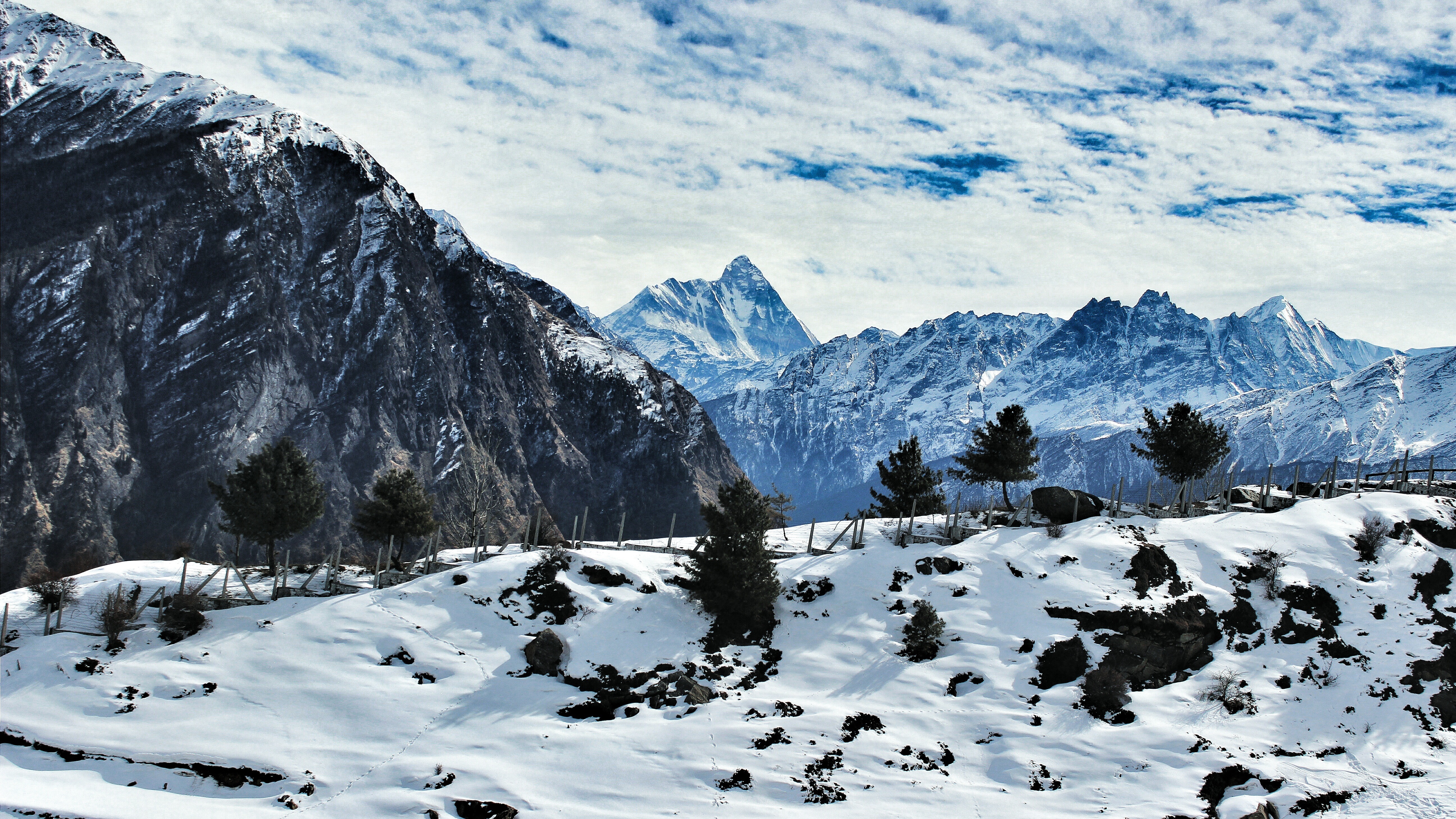
The Kolhoi Range is one of the most dramatic and captivating mountain ranges in the Kashmir Himalayas. Dominated by the towering Kolhoi Peak and the massive Kolhoi Glacier, this rugged Himalayan sub-range lies near Pahalgam in the Anantnag district of Jammu and Kashmir. Known for its snow-covered ridges, alpine meadows, glacial streams, and untouched wilderness, the Kolhoi Range attracts trekkers, photographers, mountaineers, and nature lovers looking to experience the raw beauty of the Himalayas.
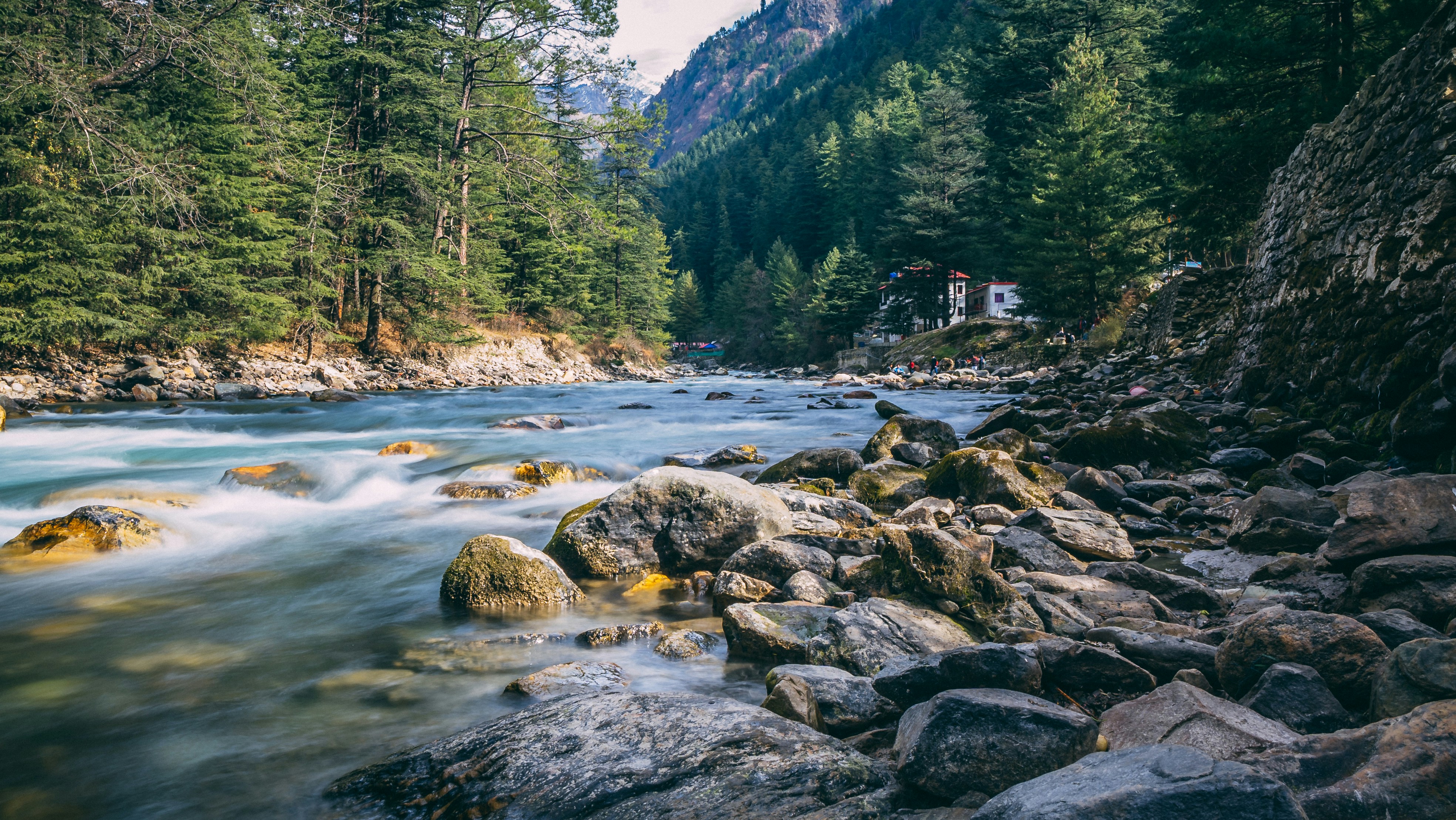
What makes the region especially fascinating is the contrast in landscapes. Dense pine and fir forests blanket the lower valleys, while higher elevations reveal rocky cliffs, snowfields, icy glaciers, and wild alpine terrain. During summer, the meadows burst into color with blooming wildflowers, while crystal-clear streams flow through the valleys fed by melting snow and glacier water.
Geographical Overview
The Kolhoi Range forms part of the northwestern Himalayas and stretches between the Lidder Valley in the east and the Sindh Valley in the west. The highest point in the range is the imposing Kolhoi Peak, which rises to an elevation of around 5,425 meters (17,799 feet). Although not as internationally famous as some Himalayan giants, Kolhoi Peak remains one of the most significant mountains in Kashmir due to its glacial system and geographical importance.
The mountains in this range are largely composed of granite and metamorphic rocks that were shaped over millions of years through tectonic activity and glaciation. Deep valleys, steep ridges, and glacier-cut landscapes give the terrain its rugged appearance. Because of its difficult topography and unstable ice formations, much of the higher region remains relatively unexplored.
The Kolhoi Glacier
One of the defining features of the range is the Kolhoi Glacier, often referred to as the “Goddess of Light” glacier. It is among the largest glaciers in the Kashmir Valley and serves as an important water source for the Lidder River, which eventually joins the Jhelum River system.
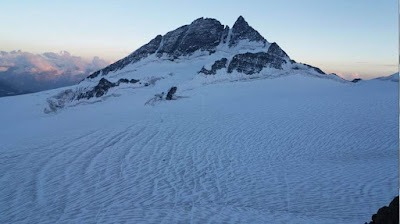
The glacier descends from the slopes of Kolhoi Peak and creates a dramatic landscape of ice walls, crevasses, meltwater streams, and rocky moraine fields. Trekkers reaching the glacier viewpoint are rewarded with breathtaking views of the glacier’s icy snout and surrounding snow-clad mountains.
In recent decades, scientists and environmentalists have expressed concern over the rapid retreat of the glacier due to climate change. Reduced snowfall and rising temperatures have significantly affected the glacier’s size, making it an important subject for environmental studies in the Himalayas.
Climate and Best Time to Visit
The Kolhoi Range experiences alpine and sub-alpine climatic conditions. Winters are extremely cold, with heavy snowfall beginning around November and continuing into late April. During this period, most trekking routes become inaccessible because of deep snow accumulation and avalanche risks.
The ideal time to explore the region is between June and early October. During summer, the valleys turn lush green, streams flow vigorously with glacial meltwater, and the skies are usually clear enough for panoramic mountain views. Daytime temperatures generally range between 5°C and 20°C, while nights remain cold, especially at higher elevations.
Autumn also offers stunning scenery as the forests and meadows gradually shift into golden and brown shades before winter arrives.
How to Reach the Kolhoi Range
The gateway to the Kolhoi Range is Pahalgam, located around 90 kilometers from Srinagar. Travelers can reach Pahalgam by road from Srinagar, which is connected to major Indian cities through air travel.
From Pahalgam, the most common trekking route begins at Aru Valley, a scenic village surrounded by forests and mountains. The trail passes through beautiful camping locations such as Lidderwat and Satlanjan before reaching the glacier region.
The trek to the Kolhoi Glacier viewpoint usually takes two to three days and is considered moderately difficult. Trekkers with basic fitness and some prior hiking experience can comfortably complete the route. Many travelers prefer hiring local guides and ponies from Aru for easier navigation and camping support.
Trekking Experience in the Kolhoi Range
Trekking in the Kolhoi Range offers an unforgettable Himalayan adventure. The trail passes through thick pine forests, wooden shepherd settlements, river crossings, grassy meadows, and rocky glacier terrain. The sound of rushing streams and distant waterfalls accompanies trekkers throughout much of the journey.
One of the most memorable sections of the trek is the stretch between Lidderwat and Satlanjan, where the valley widens dramatically and snow-covered peaks dominate the skyline. Camping under the stars in these high-altitude meadows is often considered one of the highlights of the experience.
The region is also home to nomadic Gujjar and Bakarwal communities, who move through the mountains with their livestock during summer. Their temporary settlements add a cultural and traditional dimension to the trek.
Flora and Wildlife
The lower slopes of the Kolhoi Range are covered with pine, fir, birch, and deodar forests. As the altitude increases, the vegetation gradually changes into alpine grasslands filled with seasonal wildflowers.
Wildlife in the region includes Himalayan marmots, foxes, musk deer, and several species of mountain birds. Although sightings are rare, higher reaches of the Kashmir Himalayas are also known to support species such as the Himalayan black bear and snow leopard.
Birdwatchers visiting the area may spot Himalayan monals, golden eagles, and snow pigeons soaring across the valleys.
Lakes and Nearby Attractions
While the Kolhoi Range itself is more famous for glaciers and alpine terrain than large lakes, the surrounding region contains several stunning high-altitude water bodies. Nearby attractions include the beautiful Tarsar Lake and Marsar Lake, both known for their turquoise waters and scenic trekking routes.
The nearby valleys around Pahalgam also offer attractions such as Betaab Valley, Baisaran meadows, and riverfront landscapes that make the region a complete Himalayan travel destination.
Mountaineering and Adventure Activities
Although Kolhoi Peak has attracted mountaineers for decades, climbing the summit remains technically demanding because of dangerous ice ridges, crevasses, and unpredictable weather. The peak is still considered relatively unclimbed compared to many Himalayan mountains.
For adventure enthusiasts, the range provides excellent opportunities for glacier trekking, camping, landscape photography, nature exploration, and high-altitude hiking. The dramatic scenery and relatively untouched environment make it particularly appealing to those seeking a quieter Himalayan experience away from crowded tourist circuits.
Ecological Importance
The Kolhoi Glacier and surrounding mountain ecosystem play a vital role in maintaining water resources in the Kashmir Valley. Glacial meltwater supports rivers, agriculture, forests, and local communities downstream. Environmental changes affecting the glacier could have long-term consequences for the region’s hydrology and biodiversity.
As tourism in Kashmir continues to grow, conservation efforts and responsible trekking practices are becoming increasingly important to preserve the fragile Himalayan environment.
Google Maps
FAQs
1. Where is the Kolhoi Range located?
The Kolhoi Range is located near Pahalgam in the Anantnag district of Jammu and Kashmir, within the northwestern Himalayas.
2. What is the best time to visit the Kolhoi Range?
The best time to visit is from June to early October when trekking routes remain open and weather conditions are relatively stable.
3. How difficult is the Kolhoi Glacier trek?
The trek is considered moderately difficult and suitable for beginners with decent physical fitness and some trekking experience.
4. Why is the Kolhoi Glacier important?
The Kolhoi Glacier is a major source of water for the Lidder River, which contributes to the Jhelum River system and supports local ecosystems and communities.
5. Can beginners trek in the Kolhoi Range?
Yes, beginners can complete the trek with proper preparation, though hiring a guide is recommended for safety and navigation.
6. Is Kolhoi Peak open for mountaineering?
Yes, but the climb is technically challenging and requires advanced mountaineering skills and equipment.
7. Which nearby places can be visited along with the Kolhoi Range?
Travelers often combine the trek with visits to Aru Valley, Lidderwat, Tarsar Lake, Marsar Lake, and other attractions around Pahalgam.
8. Are camping facilities available in the region?
Camping is common along the trekking route, especially in areas like Lidderwat and Satlanjan, though trekkers usually carry their own camping gear or hire local trekking operators.