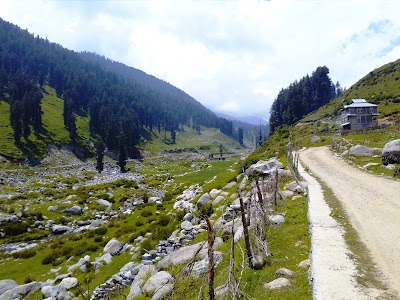
Image Source: RajKumar Ragwal
About Bani–Billawar Trek
The Bani–Billawar Trek is one of the lesser-known yet rewarding trekking routes in the Jammu region of Jammu and Kashmir. Winding through the outer Himalayan ranges and the picturesque Shivalik hills, this trek connects the lush valley of Bani with the historic town of Billawar. Along the way, trekkers pass through dense forests, traditional mountain villages, rolling meadows, and scenic mountain ridges while experiencing the unique culture and hospitality of the local communities.
Unlike some of the more commercial trekking routes in the Himalayas, the Bani–Billawar trek offers a peaceful and authentic experience. The trail follows ancient village paths that have been used by local residents for generations, making it as much a cultural journey as a natural one.
Starting Point: Bani
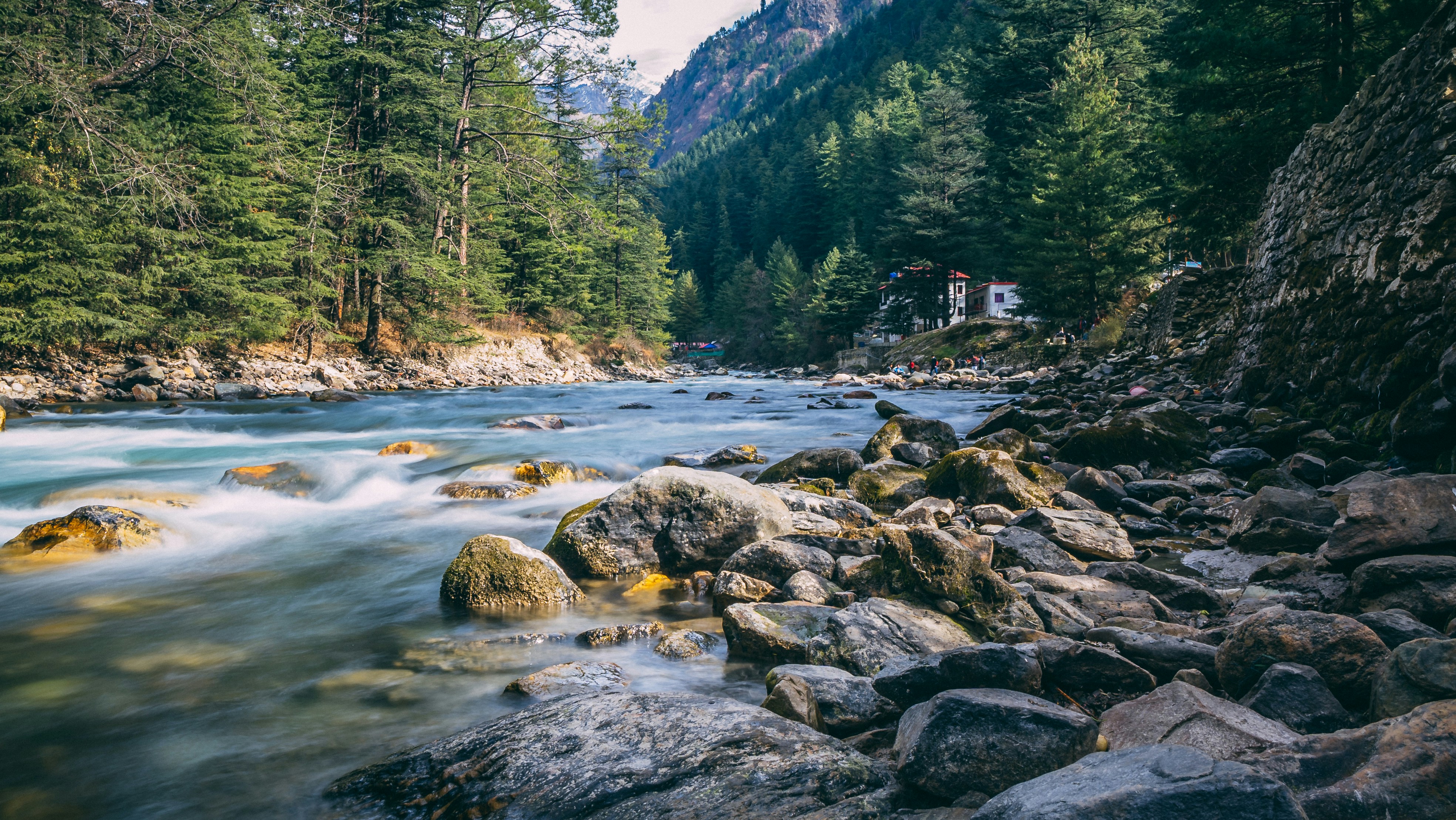
Perched at an altitude of around 4,200 feet, Bani serves as the gateway to this beautiful trek. Surrounded by verdant hills and fed by the crystal-clear waters of the Sewa River, Bani is known for its pleasant climate, fertile valleys, and breathtaking mountain scenery. During spring and summer, the region comes alive with wildflowers and lush greenery, while the distant snow-capped peaks add to its charm.
The town also acts as an important cultural center for the surrounding villages and offers visitors a glimpse into the traditional lifestyle of the region’s mountain communities.
Key Segments Along the Trek
Bani to Duggan (Approx. 16 km)
The trek begins from Bani and gradually follows forested trails alongside the Sewa River. This stretch is characterized by thick pine and deodar forests, small streams, and peaceful surroundings. As trekkers move deeper into the hills, they reach the scenic village of Duggan, a popular resting point known for its natural beauty and tranquil atmosphere.
Duggan to Taggar (Approx. 10 km)
From Duggan, the trail climbs steadily toward Taggar. The higher elevation offers magnificent views of the surrounding valleys and forest-covered mountains. Taggar provides an excellent opportunity to interact with local villagers and experience the traditional rural culture of the region. The panoramic landscapes visible from this section are among the highlights of the trek.
Taggar to Deri Galla (Approx. 7 km)
The route from Taggar to Deri Galla passes through beautiful alpine meadows, open grasslands, and forest patches. This section is relatively peaceful and showcases the untouched natural beauty of the area. Deri Galla is known for its scenic surroundings and serves as an excellent viewpoint overlooking the neighboring valleys and ridges.
Deri Galla to Katli (Approx. 13 km)
After crossing Deri Galla, the trail gradually descends toward Katli village. The changing terrain offers varied landscapes, from forested slopes to cultivated fields. Katli marks the transition into the Billawar region and provides a glimpse of the area’s traditional architecture and village life.
Katli to Billawar (Approx. 19 km)
The final stretch of the trek leads to Billawar, a historic town renowned for its ancient temples and rich cultural heritage. As the trek concludes, visitors are rewarded with the opportunity to explore one of the oldest settlements in the Jammu region. The town’s historical significance and vibrant local traditions make it a fitting end to this memorable journey.
Attractions Along the Route
Chattergala
One of the most beautiful spots on the trek, Chattergala is a high-altitude meadow surrounded by dense forests and mountain slopes. The area offers spectacular views, cool mountain air, and peaceful surroundings, making it a favorite stop for trekkers and photographers.
Sarthal Valley
Sarthal Valley is known for its lush meadows, rich biodiversity, and scenic mountain landscapes. During the summer months, the valley is covered in greenery and wildflowers, while winter often blankets the area in snow. Nature lovers and birdwatchers particularly enjoy visiting this beautiful valley.
Sewa River
Flowing through the Bani region, the Sewa River remains a constant companion during the early stages of the trek. Its clear waters, rocky banks, and scenic setting contribute significantly to the region’s natural beauty.
Billawar Temples
Upon reaching Billawar, visitors can explore several historic temples that reflect the area’s rich heritage and centuries-old architectural traditions. These temples continue to serve as important religious and cultural landmarks.
How to Reach Bani
Bani is well connected by road to the major towns of Jammu and the Kathua district.
By Road:
The most convenient route is from Kathua via Basohli and Mahanpur. Bani is approximately 160–170 km from Kathua, and regular buses and shared taxis operate on this route. The drive itself is scenic, passing through mountain roads, forests, and river valleys.
By Rail:
The nearest major railway station is at Kathua, which is connected to Delhi, Jammu, Pathankot, and several other cities across India. From Kathua, travelers can hire a taxi or take a bus to Bani.
By Air:
The nearest airport is Jammu Airport, located about 190–210 km away depending on the route taken. From Jammu, taxis and buses are available to reach Bani.
Best Time to Visit
The ideal time for the Bani–Billawar Trek is from March to June and September to November. During these months, the weather remains pleasant, visibility is excellent, and the trekking trails are generally in good condition.
Spring brings blooming flowers and lush greenery, while autumn offers clear skies and stunning mountain views. The monsoon season can make certain sections slippery, and winters may bring snowfall to higher elevations.
Nearby Attractions
- Chattergala Pass.
- Sarthal Valley.
- Sewa River Valley.
- Basohli.
- Sukrala Mata Temple.
- Jasrota Fort.
- Ujh Barrage.
- Billawar Temples.
- Machedi Valley.
- Bani Meadows.
Google Maps
FAQs
1. Where is the Bani–Billawar Trek located?
The trek is located in the Jammu region of Jammu and Kashmir and connects Bani town with the historic town of Billawar.
2. How difficult is the trek?
The trek is generally considered moderate and suitable for trekkers with basic fitness levels.
3. What is the total trekking distance?
The complete route covers approximately 65 kilometers, depending on the exact trail followed.
4. How many days are required to complete the trek?
Most trekkers complete the route in 3–5 days, depending on pace and overnight stops.
5. What is the best season for the trek?
Spring and autumn are considered the best seasons due to favorable weather and clear views.
6. Is a guide necessary for the trek?
While experienced trekkers may navigate independently, hiring a local guide is recommended, especially for first-time visitors.
7. Are accommodation facilities available on the route?
Basic accommodation and homestay options are available in villages such as Bani, Duggan, and Billawar.
8. What are the major highlights of the trek?
Dense forests, traditional villages, Chattergala meadows, Sarthal Valley, panoramic mountain views, and the heritage town of Billawar are the main highlights.
9. Can beginners attempt this trek?
Yes, beginners with reasonable physical fitness can complete the trek with proper preparation.
10. Is mobile network coverage available throughout the trek?
Network coverage is available in some villages, but connectivity can be limited or absent in remote sections of the trail.