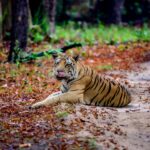
Bandipur
Nestled at the foothills of the Western Ghats and spread across the lush forests of southern Karnataka, Bandipur National Park is one of India’s most celebrated wildlife destinations. Famous for its thriving tiger population, large herds of elephants, dense teak forests, and scenic wilderness, Bandipur offers visitors a rare opportunity to witness nature in its purest form. Whether you are a wildlife enthusiast, a photographer, a birdwatcher, or simply someone seeking a peaceful escape from city life, Bandipur provides an unforgettable experience.
Part of the larger Nilgiri Biosphere Reserve, Bandipur forms an important wildlife corridor connecting several protected forests in southern India. The park’s rich biodiversity, conservation success stories, and picturesque landscapes make it one of the finest national parks in the country.
About Bandipur National Park
Bandipur National Park lies in the Chamarajanagar district of Karnataka, close to the borders of Tamil Nadu and Kerala. Covering approximately 874 square kilometers, the park is a vital part of the largest protected forest ecosystem in southern India.
Originally established as a hunting reserve for the Maharajas of Mysore, the area was later transformed into a wildlife sanctuary in 1931. In 1974, it became one of the first reserves included under India’s ambitious Project Tiger initiative. Since then, Bandipur has evolved into one of the country’s most successful tiger conservation landscapes.
The park shares its boundaries with Mudumalai National Park, Wayanad Wildlife Sanctuary, and Nagarhole National Park, collectively creating a vast wilderness that supports some of India’s most iconic wildlife species.
History of Bandipur National Park
The forests of Bandipur have long been associated with the royal family of Mysore. During the princely era, these forests served as exclusive hunting grounds where kings and British officials organized hunting expeditions.
Recognizing the ecological importance of the region, the Maharaja of Mysore declared approximately 90 square kilometers as the Venugopala Wildlife Park in 1931. Conservation efforts gained momentum after Indian independence, leading to the expansion and protection of larger forest areas.
A significant milestone came in 1974 when Bandipur was selected under Project Tiger. This conservation program dramatically improved wildlife protection, habitat management, and anti-poaching efforts. Today, Bandipur stands as a model tiger reserve and a crucial component of India’s wildlife conservation network.
Geography and Landscape
Bandipur’s landscape is characterized by rolling hills, forested valleys, grasslands, seasonal streams, and dry deciduous woodlands. The terrain varies from open grassy clearings to dense forest patches, creating diverse habitats for wildlife.
The park lies at elevations ranging from approximately 680 to 1,450 meters above sea level. Several seasonal rivers and streams flow through the reserve, sustaining wildlife during dry periods.
The scenic backdrop of the Western Ghats adds further beauty to the landscape. Mist-covered hills, forest roads lined with towering trees, and sunlit meadows create spectacular views throughout the year.
The park’s location within the Nilgiri Biosphere Reserve allows animals to move freely across state boundaries, maintaining healthy populations and genetic diversity.
Flora of Bandipur National Park
Bandipur’s forests are dominated by dry deciduous and moist deciduous vegetation. The region supports a remarkable variety of plant species adapted to different climatic conditions.
Common tree species include:
- Teak.
- Rosewood.
- Sandalwood.
- Indian Laurel.
- Bamboo.
- Terminalia.
- Honne Trees.
- Flame of the Forest.
During the monsoon season, the forest transforms into a lush green paradise. Flowering plants bloom across grasslands, attracting butterflies, bees, and numerous pollinators.
Bamboo groves provide food and shelter for elephants, while large trees create nesting habitats for birds and arboreal mammals.
Wildlife: The Main Attraction
Bandipur is best known for its extraordinary wildlife diversity. The park supports one of India’s largest populations of wild animals and remains among the country’s premier destinations for wildlife sightings.
Tigers
Bandipur is an important part of the larger tiger landscape of southern India. While tiger sightings require patience and luck, the park remains one of the best places in the country to observe signs of tiger activity, including pugmarks, territorial markings, and alarm calls.
Wildlife safaris frequently report tiger sightings, especially during the dry season when animals congregate near water sources.
Asian Elephants
Bandipur is equally famous for its large elephant population. Herds of elephants are commonly seen grazing in grasslands or crossing forest roads.
Watching a matriarch lead her herd through the wilderness is among the most memorable experiences visitors can have in the park.
Leopards
Leopards inhabit the dense forests and rocky outcrops of Bandipur. Although more elusive than elephants or deer, these powerful predators are regularly spotted during safari drives.
Gaur
The Indian gaur, often called the Indian bison, is the largest wild bovine species in the world. Massive and impressive, gaur are frequently seen in open meadows and forest clearings.
Other Mammals
Bandipur is home to numerous other mammals, including:
- Sambar Deer.
- Chital (Spotted Deer).
- Barking Deer.
- Sloth Bear.
- Wild Boar.
- Dhole (Indian Wild Dog).
- Mouse Deer.
- Four-Horned Antelope.
- Indian Giant Squirrel.
- Common Langur.
Each safari presents unique wildlife encounters depending on season, weather, and animal movement patterns.
Birdwatching in Bandipur
Bandipur is a paradise for bird enthusiasts, with more than 250 recorded bird species.
Notable birds include:
- Crested Serpent Eagle.
- Changeable Hawk Eagle.
- Indian Pitta.
- Malabar Trogon.
- Grey Junglefowl.
- Peafowl.
- Woodpeckers.
- Hornbills.
- Green Bee-eaters.
- Drongos.
- Kingfishers.
The early morning hours are particularly rewarding for birdwatchers as the forest comes alive with calls and activity.
Safari Experiences in Bandipur
A safari is the highlight of any visit to Bandipur National Park.
Jeep Safari
Jeep safaris provide a more intimate wildlife experience. Smaller groups can explore forest tracks while guides help identify animal movements, bird calls, and ecological features.
Bus Safari
The Forest Department operates guided bus safaris that are affordable and suitable for families. These safaris cover designated routes through key wildlife zones.
Morning Safari
Morning safaris offer cooler temperatures and increased chances of spotting predators returning from nighttime hunts.
Evening Safari
Evening safaris are ideal for observing animals emerging from forest cover to graze near open meadows and water bodies.
Nearby Attractions
While Bandipur itself can easily occupy several days, there are several fascinating destinations nearby.
Himavad Gopalaswamy Betta
Located within the protected forest landscape, this hilltop temple is famous for panoramic views and frequent mist cover. On clear days, visitors can enjoy spectacular views of the surrounding forests.
Mudumalai National Park
Situated just across the Karnataka-Tamil Nadu border, Mudumalai offers additional safari opportunities and wildlife experiences.
Ooty
One of South India’s most famous hill stations, Ooty is only a few hours away and can be combined with a Bandipur trip.
Nagarhole National Park
Another renowned tiger reserve, Nagarhole complements Bandipur with riverine habitats and excellent wildlife viewing opportunities.
Best Time to Visit
October to February
This period offers pleasant weather, cool temperatures, and beautiful forest scenery. Wildlife sightings remain good, making it an ideal season for general tourism.
March to May
The summer months are considered excellent for wildlife photography. As water sources shrink, animals gather around remaining waterholes, improving sighting opportunities.
June to September
The monsoon transforms the landscape into a vibrant green wilderness. Although some safari experiences may be affected by weather conditions, the forest becomes exceptionally beautiful.
How to Reach Bandipur
By Air
The nearest airports are:
- Mysore Airport (approximately 80 km).
- Kempegowda International Airport (approximately 220 km).
By Rail
The nearest major railway station is:
- Mysuru Junction Railway Station
Visitors can hire taxis or use buses from Mysuru to reach the park.
By Road
Bandipur enjoys excellent road connectivity.
Approximate distances:
- Mysuru: 80 km.
- Bengaluru: 220 km.
- Ooty: 50 km.
- Coimbatore: 125 km.
The drive through forested landscapes is one of the highlights of the journey.
Where to Stay
Accommodation options around Bandipur range from government-operated lodges to luxury wildlife resorts.
Visitors can choose from:
- Forest lodges.
- Jungle resorts.
- Eco-friendly camps.
- Boutique wildlife retreats.
- Family-friendly hotels.
Many properties offer guided safaris, nature walks, birdwatching sessions, and cultural activities.
Advance booking is highly recommended, especially during weekends and holiday seasons.
Responsible Tourism Tips
To help preserve Bandipur’s fragile ecosystem:
- Maintain silence during safaris.
- Avoid feeding wildlife.
- Do not litter inside the forest.
- Follow instructions from guides and forest officials.
- Stay inside designated tourism zones.
- Avoid flash photography near animals.
- Respect wildlife viewing distances.
Responsible tourism helps ensure that future generations can enjoy the same wilderness experience.
Local Culture and Communities
The forests surrounding Bandipur are home to several indigenous communities that have lived alongside wildlife for generations. Their traditional knowledge of forest ecology, medicinal plants, and animal behavior contributes significantly to conservation efforts.
Visitors exploring nearby villages may gain insights into local customs, handicrafts, traditional agriculture, and regional cuisine. Karnataka’s rich cultural heritage, combined with Bandipur’s wilderness, creates a travel experience that extends beyond wildlife tourism.
Why Bandipur National Park Should Be on Your Travel List
Bandipur National Park represents one of the finest examples of wildlife conservation in India. Its thriving tiger population, magnificent elephant herds, rich birdlife, scenic landscapes, and well-managed safari experiences make it a dream destination for nature lovers.
Unlike many crowded tourist destinations, Bandipur offers something increasingly rare—an opportunity to disconnect from urban life and reconnect with the natural world. The sight of deer grazing in misty meadows, elephants wandering through bamboo groves, or a tiger silently emerging from the forest remains etched in memory long after the journey ends.
Whether you are planning your first wildlife adventure or adding another destination to your list of national parks, Bandipur promises an experience filled with excitement, discovery, and a deeper appreciation for India’s extraordinary natural heritage.