Image Source: Sourav Ghosh (Bongyatri)
About Sri Chennakesava Temple
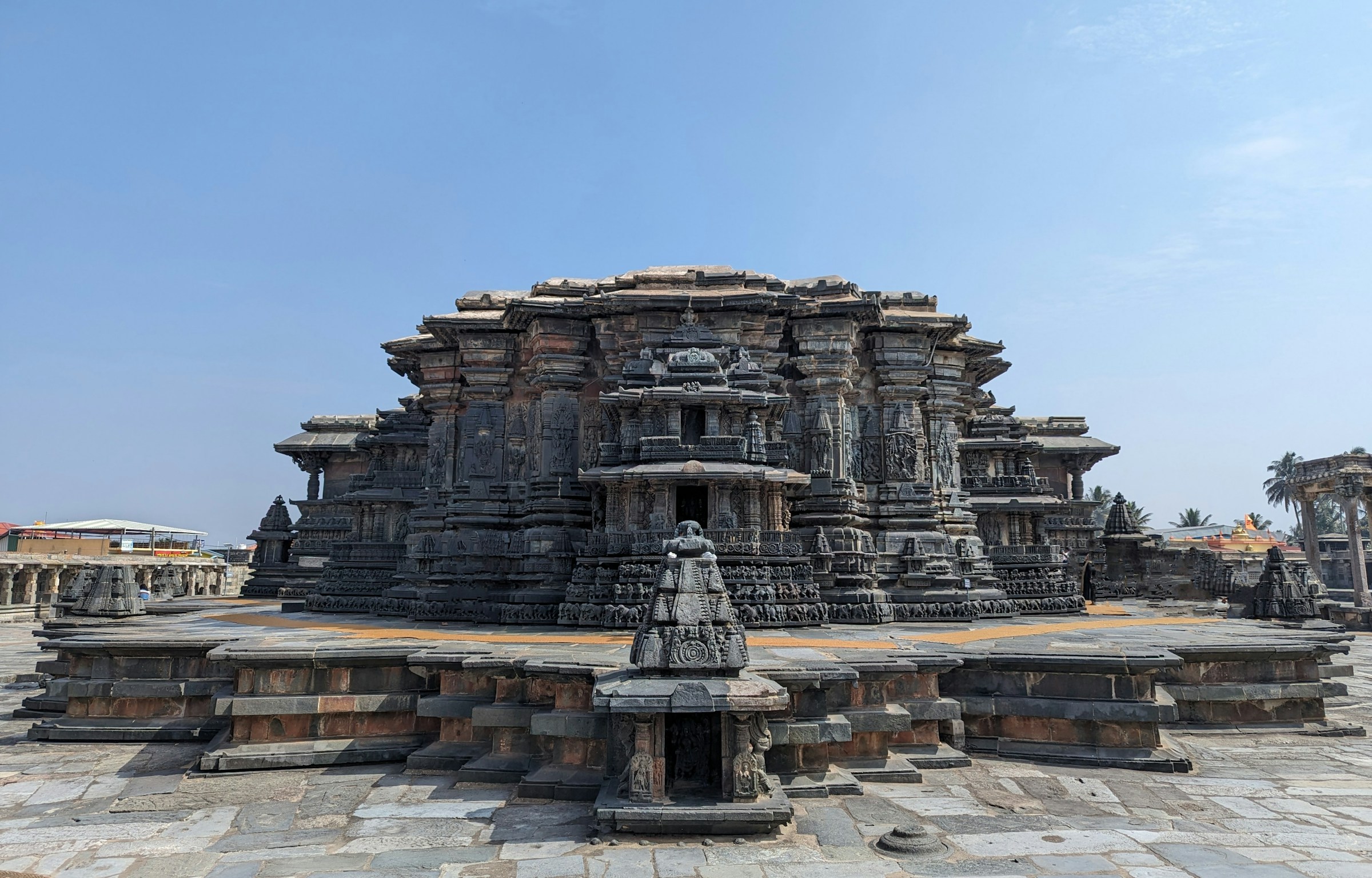
Nestled in the historic town of Belur on the banks of the Yagachi River in Karnataka, Sri Chennakesava Temple stands as one of the finest examples of medieval Indian temple architecture. Built during the reign of the Hoysala dynasty, this magnificent temple is renowned for its extraordinary stone carvings, artistic excellence, and cultural significance.
Belur, along with the famous Hoysala temples of Halebidu and Somnathapura, represents the architectural brilliance of the Hoysala Empire. These monuments have gained international recognition and are celebrated for their intricate craftsmanship and historical importance. Dedicated to Lord Vishnu in his form as Chennakesava, meaning “the Handsome Vishnu,” the temple attracts devotees, historians, architects, and tourists from across the world.
History of Sri Chennakesava Temple
The history of Sri Chennakesava Temple dates back to 1117 CE when King Vishnuvardhana of the Hoysala Empire commissioned its construction. The temple was built to commemorate his victory over the Chola dynasty and symbolized the growing power of the Hoysalas in South India.
Belur served as the early capital of the Hoysala Kingdom and flourished as a center of art, culture, and religion. Historians also associate the construction of the temple with King Vishnuvardhana’s embrace of Vaishnavism under the influence of the philosopher Ramanujacharya. The temple became a significant center of Hindu worship and learning.
Construction of the temple was an enormous undertaking that spanned more than a century. It was eventually completed by Veera Ballala II, the grandson of Vishnuvardhana. Despite centuries of invasions, political changes, and natural weathering, the temple continues to preserve much of its original grandeur.
Architectural Splendor
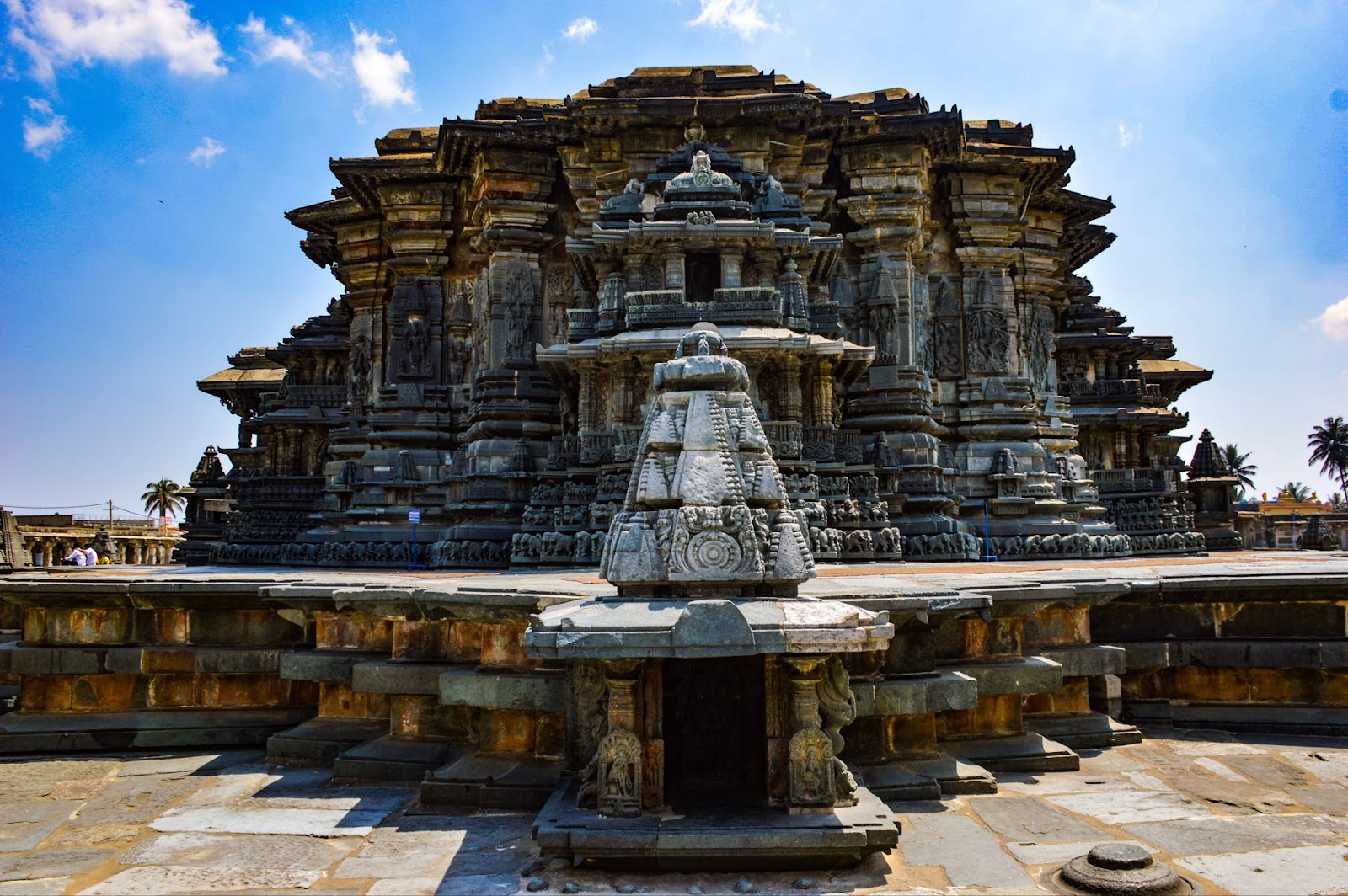
Sri Chennakesava Temple is widely regarded as a jewel of Hoysala architecture. Built using chloritic schist, commonly known as soapstone, the temple showcases an astonishing level of detail that remains impressive even today.
The temple stands on a raised star-shaped platform, a distinctive feature of Hoysala design. Every inch of the structure is adorned with finely carved sculptures and decorative motifs. The walls narrate stories from Hindu epics such as the Ramayana, Mahabharata, and Bhagavata Purana, while also depicting scenes from everyday life, music, dance, and warfare.
One of the temple’s most remarkable aspects is its collection of bracket figures known as Madanikas or Shilabalikas. These graceful female sculptures display incredible elegance and artistic sophistication. Among them, the famous Darpana Sundari (Lady with a Mirror) is considered a masterpiece of Indian sculpture. Her delicate posture, intricate ornaments, and lifelike expression highlight the exceptional skill of Hoysala artisans.
The Work of Legendary Sculptors
The temple is closely associated with the renowned sculptor Jakanachari, one of the most celebrated craftsmen in South Indian history. His mastery can be seen in the minute details and artistic perfection that define the temple’s carvings.
Each sculpture reflects a deep understanding of anatomy, movement, and expression. Whether depicting deities, dancers, warriors, animals, or celestial beings, the carvings possess a remarkable sense of realism that continues to captivate visitors.
Magnificent Pillars and Ceilings
The interior of the temple is equally impressive. The richly decorated ceilings feature geometric patterns, floral motifs, and mythological themes carved with extraordinary precision. The craftsmanship is so accurate that even the slightest error would have disrupted the entire design.
The temple contains numerous lathe-turned pillars, each with a unique design. One of the most famous is the Narasimha Pillar, which was traditionally known for its ability to rotate on its base. Although it no longer moves today, it remains an engineering marvel and a testimony to the advanced skills of Hoysala craftsmen.
Deities and Religious Significance
The main sanctum houses a beautiful six-foot-tall idol of Lord Chennakesava. The deity is adorned with intricate ornaments and is worshipped daily by devotees.
Apart from the principal shrine, the temple complex contains several smaller shrines dedicated to various forms of Vishnu and other Hindu deities. Visitors can also find sculptures representing numerous gods, goddesses, sages, celestial beings, and mythological figures throughout the complex.
The temple remains an active place of worship and continues to host religious festivals and cultural events throughout the year.
Cultural Importance
Sri Chennakesava Temple is not merely a religious monument; it is a living museum of Hoysala art and culture. The temple serves as an important source for understanding medieval South Indian history, architecture, sculpture, music, dance, and religious traditions.
Every year, the temple hosts the Belur Temple Festival, featuring classical dance and music performances that celebrate Karnataka’s rich cultural heritage. The beautifully illuminated temple during these events creates a memorable experience for visitors.
Best Time to Visit
The ideal time to visit Sri Chennakesava Temple is between October and March when the weather is pleasant and suitable for sightseeing. Early mornings and evenings offer a peaceful atmosphere and excellent opportunities for photography.
Visitors planning a cultural trip may also consider visiting during temple festivals when the complex comes alive with traditional celebrations.
How to Reach Sri Chennakesava Temple
By Air
The nearest airport is the Mangalore International Airport, located approximately 170 kilometers away. Kempegowda International Airport in Bengaluru is another major option, about 220 kilometers from Belur.
By Train
The nearest railway station is Hassan Junction, situated around 40 kilometers from Belur. Regular trains connect Hassan with Bengaluru, Mysuru, Mangalore, and other major cities.
By Road
Belur enjoys excellent road connectivity with major cities in Karnataka.
- Hassan to Belur: 40 km
- Chikkamagaluru to Belur: 25 km
- Bengaluru to Belur: 220 km
- Mysuru to Belur: 170 km
Regular buses operated by KSRTC and private operators connect Belur with nearby towns and cities. Taxis and self-drive vehicles are popular options for exploring the region.
Nearby Attractions
Hoysaleswara Temple, Halebidu
Located about 16 kilometers from Belur, this magnificent temple is another masterpiece of Hoysala architecture known for its intricate stone carvings.
Kedareshwara Temple
A beautiful Hoysala-era temple situated in Halebidu, admired for its detailed sculptures and peaceful surroundings.
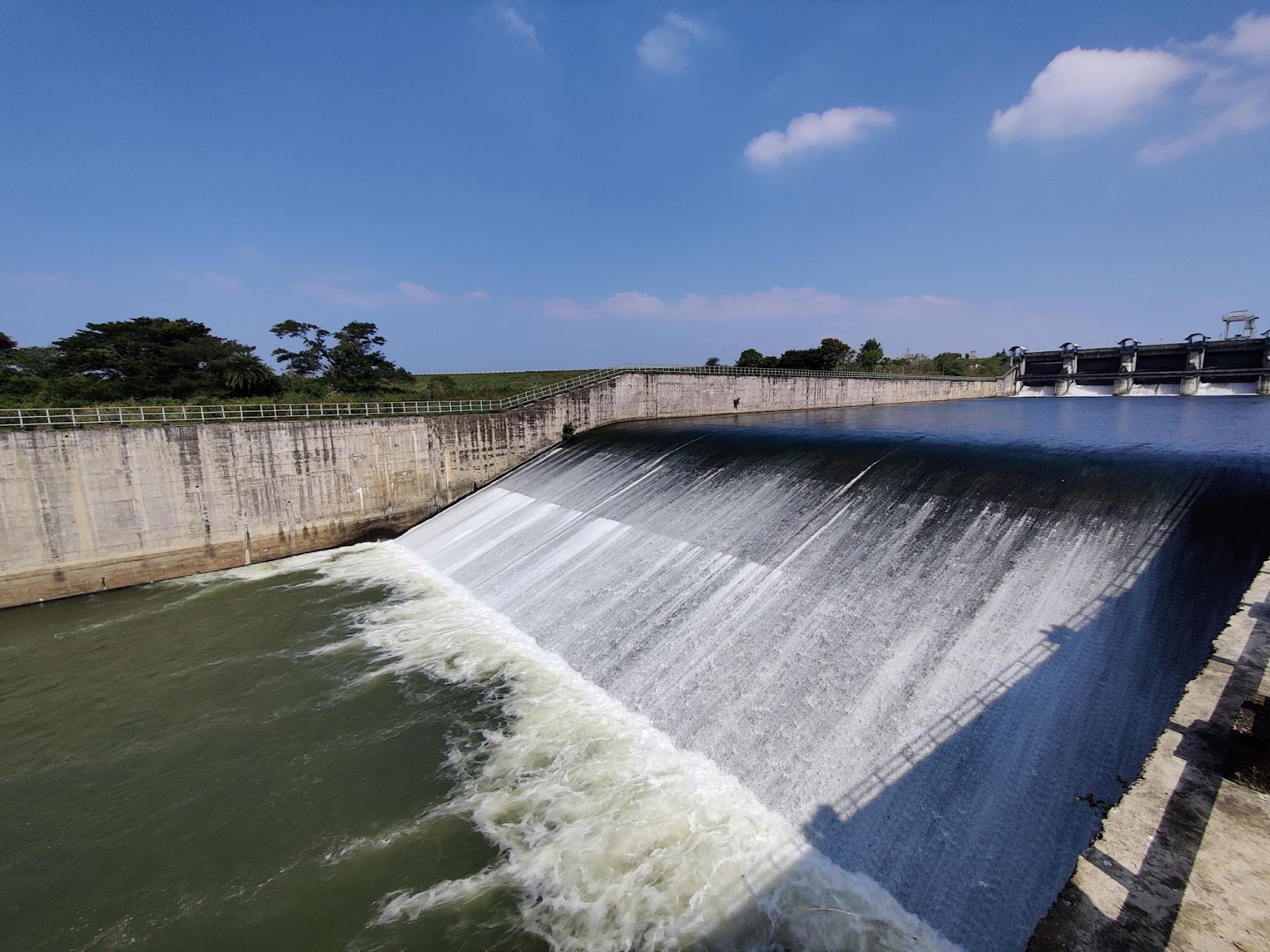
Yagachi Dam
A scenic spot near Belur that offers beautiful views of the reservoir and surrounding countryside.
Chennigaraya Temple
Located within the Belur temple complex, this smaller shrine was built by Queen Shantala Devi and showcases exquisite Hoysala craftsmanship.
Manjarabad Fort
A star-shaped hill fort built by Tipu Sultan, located near Sakleshpur and ideal for history enthusiasts.
Mullayanagiri
The highest peak in Karnataka, situated near Chikkamagaluru, offering breathtaking views and trekking opportunities.
Baba Budangiri
A popular pilgrimage and trekking destination known for its caves, scenic landscapes, and historical significance.
Coffee Plantations of Chikkamagaluru
Visitors can explore lush coffee estates and experience the region’s famous coffee culture.
Maps
FAQs
1. Where is Sri Chennakesava Temple located?
Sri Chennakesava Temple is located in Belur, Hassan district, Karnataka, on the banks of the Yagachi River.
2. Who built Sri Chennakesava Temple?
The temple was commissioned by Hoysala King Vishnuvardhana in 1117 CE.
3. Which deity is worshipped in the temple?
The temple is dedicated to Lord Vishnu in his form as Chennakesava.
4. Why is the temple famous?
It is renowned for its intricate stone carvings, star-shaped architecture, and exceptional Hoysala craftsmanship.
5. How long did it take to build the temple?
Construction took over 100 years and was completed during the reign of Veera Ballala II.
6. What is the significance of Darpana Sundari?
Darpana Sundari, or the Lady with a Mirror, is one of the most celebrated sculptures in the temple and is considered a masterpiece of Hoysala art.
7. Is photography allowed inside the temple?
Photography is generally allowed in the outer areas of the temple complex, but restrictions may apply inside the sanctum. Visitors should follow current temple guidelines.
8. What is the best time to visit Belur?
The months from October to March offer the most pleasant weather for sightseeing.
9. Can Belur and Halebidu be visited on the same day?
Yes. Since Halebidu is only about 16 kilometers from Belur, both destinations can easily be covered in a single day.
10. Is Sri Chennakesava Temple a UNESCO World Heritage Site?
The temple is part of the celebrated Sacred Ensembles of the Hoysalas, which have received UNESCO World Heritage recognition for their outstanding architectural and cultural value.