Image Source: Praveen Nayak
About Banashankari Temple
Nestled in the historic village of Amargol near Hubballi (Hubli), Banashankari Temple is a remarkable example of Karnataka’s rich cultural and architectural heritage. Dating back to the 13th century, this ancient temple reflects the artistic excellence and religious traditions of the later Chalukyan period. Though relatively lesser known compared to some of Karnataka’s larger temple complexes, Banashankari Temple attracts devotees, history enthusiasts, and architecture lovers who come to admire its serene atmosphere and intricate stone carvings.
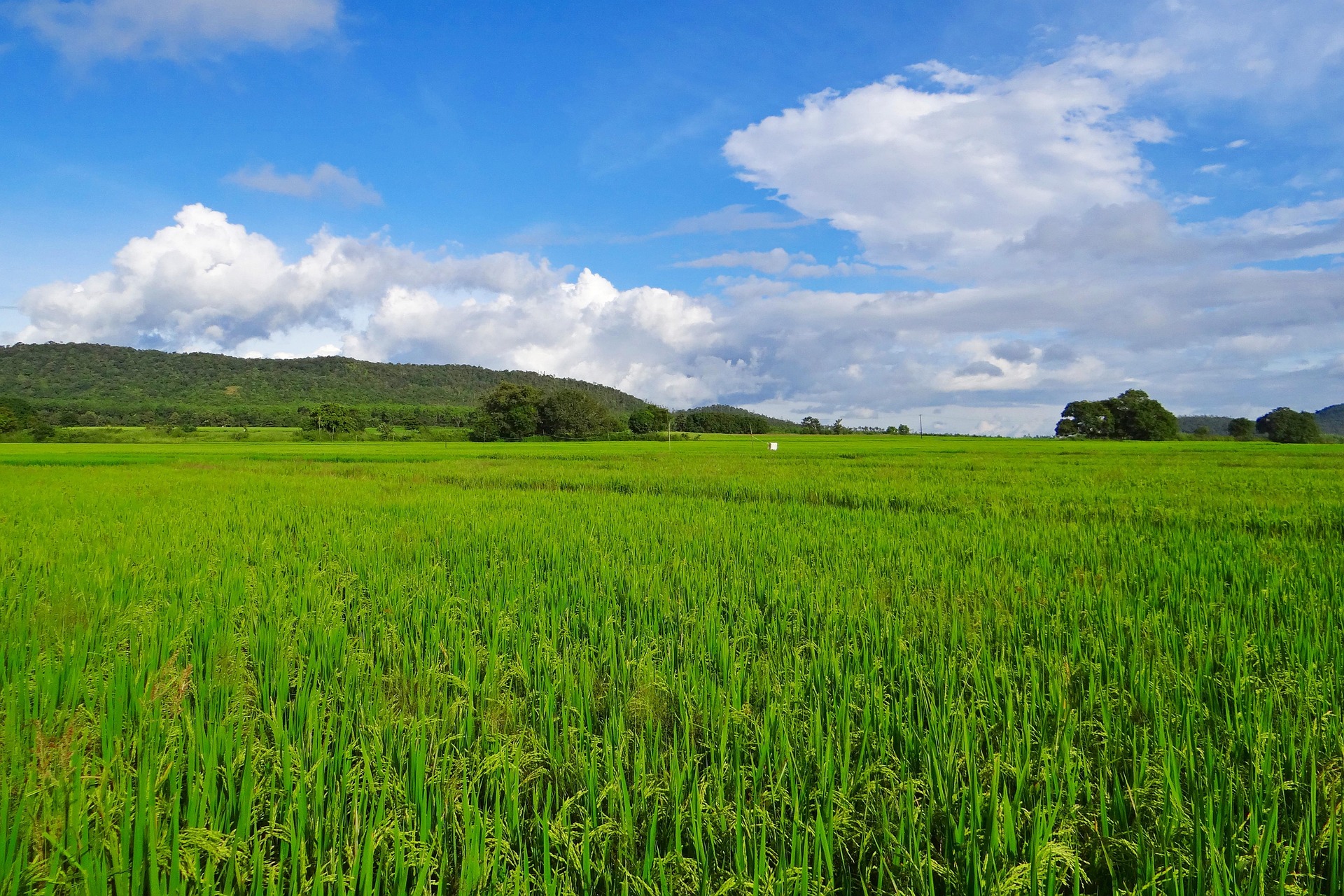
Surrounded by the quiet rural landscape of North Karnataka, the temple offers visitors an opportunity to experience both spirituality and history in a peaceful setting. Its elegant architecture and centuries-old legacy make it one of the important heritage monuments in the Hubballi region.
History and Mythology
The origins of Banashankari Temple can be traced back to the 13th century when it was constructed under the patronage of the Chalukyas. The temple is dedicated to Goddess Banashankari, a revered form of Goddess Parvati.
According to local legends, the goddess descended to Earth to protect humanity from the demon Durgamasura, whose growing power threatened both gods and mortals. After defeating the demon, she became known as Vana Shankari, meaning “Goddess of the Forest.” Over time, the name evolved into Banashankari. The goddess continues to be worshipped as a powerful protector who blesses devotees with courage, prosperity, and well-being.
The temple has remained an important center of faith for local communities for centuries and continues to host religious ceremonies and festivals throughout the year.
Architecture
Banashankari Temple showcases the distinctive architectural style associated with the Chalukyan era. Built primarily from stone, the temple features finely carved pillars, beautifully sculpted ceilings, and elegant decorative motifs that demonstrate the craftsmanship of medieval artisans.
One of the unique aspects of the temple is its Dvikuta design, meaning it contains two sanctums or shrines. While one shrine is dedicated to Lord Shiva, the other houses Goddess Banashankari. This dual-shrine arrangement reflects the harmonious worship of both Shaivite and Shakta traditions.
The temple’s architectural details, though centuries old, remain impressive and provide valuable insight into the artistic achievements of Karnataka’s medieval temple builders.
Navaranga Mandapa
The Navaranga Mandapa, or central hall, is among the most captivating parts of the temple. Supported by beautifully carved pillars, the hall displays sculptures and decorative elements that highlight the rich iconography of Hindu mythology.
Visitors can observe artistic depictions of Lord Shiva, Goddess Parvati, Lord Narasimha, Lord Vishnu, and Lord Ganesha adorning the pillars and walls. The intricate workmanship and attention to detail make the mandapa a visual delight for anyone interested in temple art and sculpture.
The hall also serves as a gathering space for devotees during religious events and special ceremonies.
Cultural and Historical Significance
Beyond its religious importance, Banashankari Temple serves as an important cultural landmark that preserves the region’s historical legacy. Recognizing its architectural and archaeological value, the temple has been declared a protected monument by the Archaeological Survey of India (ASI).
This protected status helps ensure the conservation of the temple’s artistic treasures and historical structures for future generations. Today, it stands as a living reminder of Karnataka’s glorious temple-building tradition and continues to attract visitors interested in history, archaeology, and spirituality.
Temple Timings
The temple is generally open to devotees and visitors from 8:00 AM to 6:00 PM. Morning hours are ideal for those seeking a peaceful spiritual experience, while evenings offer a calm atmosphere for exploring the temple’s architecture and surroundings.
How to Reach Banashankari Temple
Banashankari Temple is located in Amargol, approximately 10 km from the center of Hubballi, making it easily accessible by road.
By Air: The nearest airport is Hubballi Airport, located about 12–15 km away. Regular flights connect Hubballi with major Indian cities such as Bengaluru, Hyderabad, Mumbai, and Chennai.
By Rail: Hubballi Junction is one of Karnataka’s major railway stations and is well connected to Bengaluru, Mysuru, Pune, Goa, Hyderabad, and other cities. From the railway station, visitors can hire taxis or auto-rickshaws to reach the temple.
By Road: Hubballi enjoys excellent road connectivity through national and state highways. Local buses, taxis, and private vehicles can easily reach Amargol village. The drive from Hubballi city takes around 20–30 minutes depending on traffic.
Nearby Attractions
Chandramouleshwara Temple, Unkal
Located near Hubballi, this ancient Chalukyan temple is dedicated to Lord Shiva and is renowned for its intricate stone carvings and historic significance.
Unkal Lake
A popular recreational spot in Hubballi, Unkal Lake offers scenic views, boating opportunities, and a pleasant environment for families and nature lovers.
Nrupatunga Betta
This hilltop viewpoint provides panoramic views of Hubballi city. It is a favorite destination for sunrise and sunset enthusiasts.
Siddharoodha Math
One of the most important spiritual centers in North Karnataka, Siddharoodha Math attracts thousands of devotees every year and is known for its peaceful atmosphere.
Bhavanishankar Temple
Another historically significant temple near Hubballi, featuring beautiful architecture and religious importance.
Navagraha Teertha
Situated on the outskirts of Hubballi, this unique pilgrimage center is dedicated to the nine planetary deities and attracts devotees seeking astrological blessings.
Maps
FAQs
1. Where is Banashankari Temple located?
Banashankari Temple is located in Amargol village near Hubballi (Hubli) in Karnataka.
2. Who is the presiding deity of the temple?
The temple is dedicated to Goddess Banashankari, a form of Goddess Parvati. It also contains a shrine dedicated to Lord Shiva.
3. When was the temple built?
The temple dates back to the 13th century and is associated with the later Chalukyan period.
4. What is special about the temple’s architecture?
The temple follows a Dvikuta style, featuring two sanctums and intricate stone carvings typical of Chalukyan architecture.
5. Is the temple protected by the ASI?
Yes, Banashankari Temple is recognized as a protected monument by the Archaeological Survey of India (ASI).
6. What are the temple timings?
The temple is generally open from 8:00 AM to 6:00 PM.
7. How far is the temple from Hubballi city?
The temple is located approximately 10 km from Hubballi and can be reached within 20–30 minutes by road.
8. What is the best time to visit?
The months between October and February offer pleasant weather for sightseeing and temple visits. Festival periods dedicated to Goddess Banashankari are also popular among devotees.