Image Source: basava raja
About Galagnatha Temple
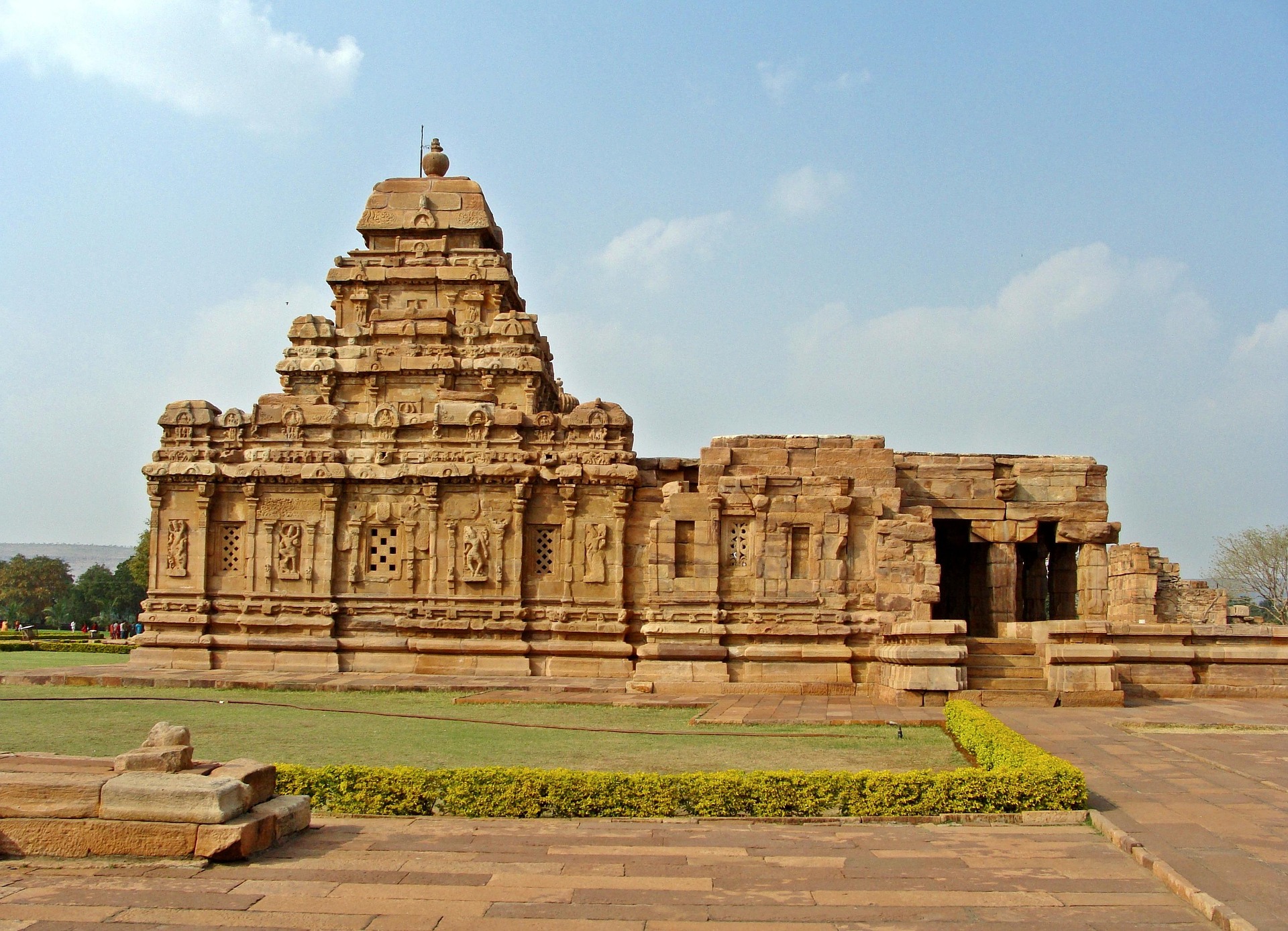
Tucked within the historic temple complex of Pattadakal, the Galagnatha Temple is a lesser-known yet fascinating monument that reflects the artistic brilliance of early medieval India. Built in the early 8th century, the temple stands just ahead of the Sangameshwara Temple and offers a quieter, more contemplative experience for visitors exploring the site.
Architectural Style and Layout
The Galagnatha Temple is dedicated to Lord Shiva and houses a Shiva Linga in its sanctum. Designed in the Nagara style of North Indian temple architecture, the structure follows a simple yet elegant layout consisting of a mandapa (hall), an antarala (vestibule), and the garbhagriha (sanctum).
At the entrance, a seated Nandi—the sacred bull and vehicle of Shiva—faces the sanctum, as is typical in Shaivite temples. Adding to the spiritual symbolism, the entrance to the mandapa is guarded by beautifully carved figures of the river goddesses Ganga and Yamuna, representing purity and divine flow.
Sculptures and Iconography
Although much of the temple is now in a partially ruined state, the surviving carvings still speak volumes about its former grandeur. One of the most striking sculptures can be found on the southern wall—a powerful depiction of Shiva as Andhakasuramardana, slaying the demon Andhaka. In this form, Shiva is shown with eight arms, engaged in a dynamic battle pose.
What makes this sculpture particularly intriguing is the depiction of Shiva wearing a garland of skulls, symbolizing his fierce and transcendental nature. The sacred thread (yajnopavita) across his chest is also uniquely represented, adding depth to the iconography and spiritual meaning.
Historical and Cultural Importance
Galagnatha Temple is an important example of early Nagara-style architecture in the Deccan region, showcasing how northern design elements were adapted in southern India. Though not as elaborate as some of the larger temples in Pattadakal, it contributes significantly to the overall narrative of architectural experimentation during the Chalukyan period.
The temple complex of Pattadakal itself holds immense historical value, marking the coronation site of Chalukyan kings and representing a harmonious blend of architectural styles.
Timings and Visitor Information
- Timings: 9:00 AM to 5:00 PM
- The temple is open to visitors throughout the week
- Best visited during early morning or late afternoon for a peaceful experience
How to Reach Galaganatha Temple
Galaganatha Temple is located in Galaganath village of Karnataka’s Haveri district, near the sacred confluence of the Varada and Tungabhadra rivers. The temple is an important example of Western Chalukyan architecture and is dedicated to Lord Shiva. The site lies around 40 km from Haveri and is well connected by road.
By Air
The nearest airport is Hubballi Airport, situated approximately 90–120 km from the temple. From the airport, visitors can hire a taxi or take a bus to reach Galaganath village.
By Train
The nearest major railway station is Haveri Railway Station, located about 30–40 km away. Taxis and local buses are available from Haveri to the temple.
By Road
Galaganatha Temple is accessible via National Highway 48 (formerly NH-4). Travelers from Bengaluru can drive towards Haveri and then proceed through Guttal and nearby village roads to reach Galaganath. Regular KSRTC and private buses operate to Haveri, from where local transport is available.
Nearby Attractions
1. Varada–Tungabhadra Sangama
A short walk from the temple brings visitors to the confluence of the Varada and Tungabhadra rivers. The peaceful riverside setting is considered sacred and offers beautiful views, especially during sunrise and sunset.
2. Tarakeshwara Temple
Located around 35 km away in Hangal, this 12th-century Shiva temple is renowned for its intricate stone carvings, massive domed ceiling, and exquisite Chalukyan architecture.
3. Siddhesvara Temple
One of the most famous monuments in Haveri, this temple showcases remarkable Western Chalukyan craftsmanship and detailed sculptural work.
4. Bankapura Peacock Sanctuary
Situated near Haveri, this unique sanctuary is known for its large population of peacocks and offers a pleasant nature excursion for wildlife enthusiasts.
5. Madhukeshwara Temple
Located about 75 km from Galaganatha, this ancient temple in Banavasi is one of Karnataka’s most important heritage sites and a fine example of Kadamba architecture.
6. Kaginele
A significant pilgrimage and cultural center associated with the saint-poet Kanakadasa, Kaginele attracts devotees and history lovers alike.
Maps
300 metres from Pattadakal Bus Stand
FAQs
1. Where is Galagnatha Temple located?
Galagnatha Temple is located within the Pattadakal temple complex in Karnataka, India.
2. Which deity is worshipped here?
The temple is dedicated to Lord Shiva and houses a Shiva Linga in the sanctum.
3. What architectural style does the temple follow?
It is built in the Nagara style, which is typically associated with North Indian temple architecture.
4. What is the most notable sculpture in the temple?
The depiction of Shiva as Andhakasuramardana (slayer of demon Andhaka) on the southern wall is one of the most remarkable carvings.
5. Is the temple well preserved?
No, the temple is partly in ruins, but the remaining structures and carvings still hold significant artistic and historical value.
6. What are the visiting hours?
The temple is open daily from 9:00 AM to 5:00 PM.