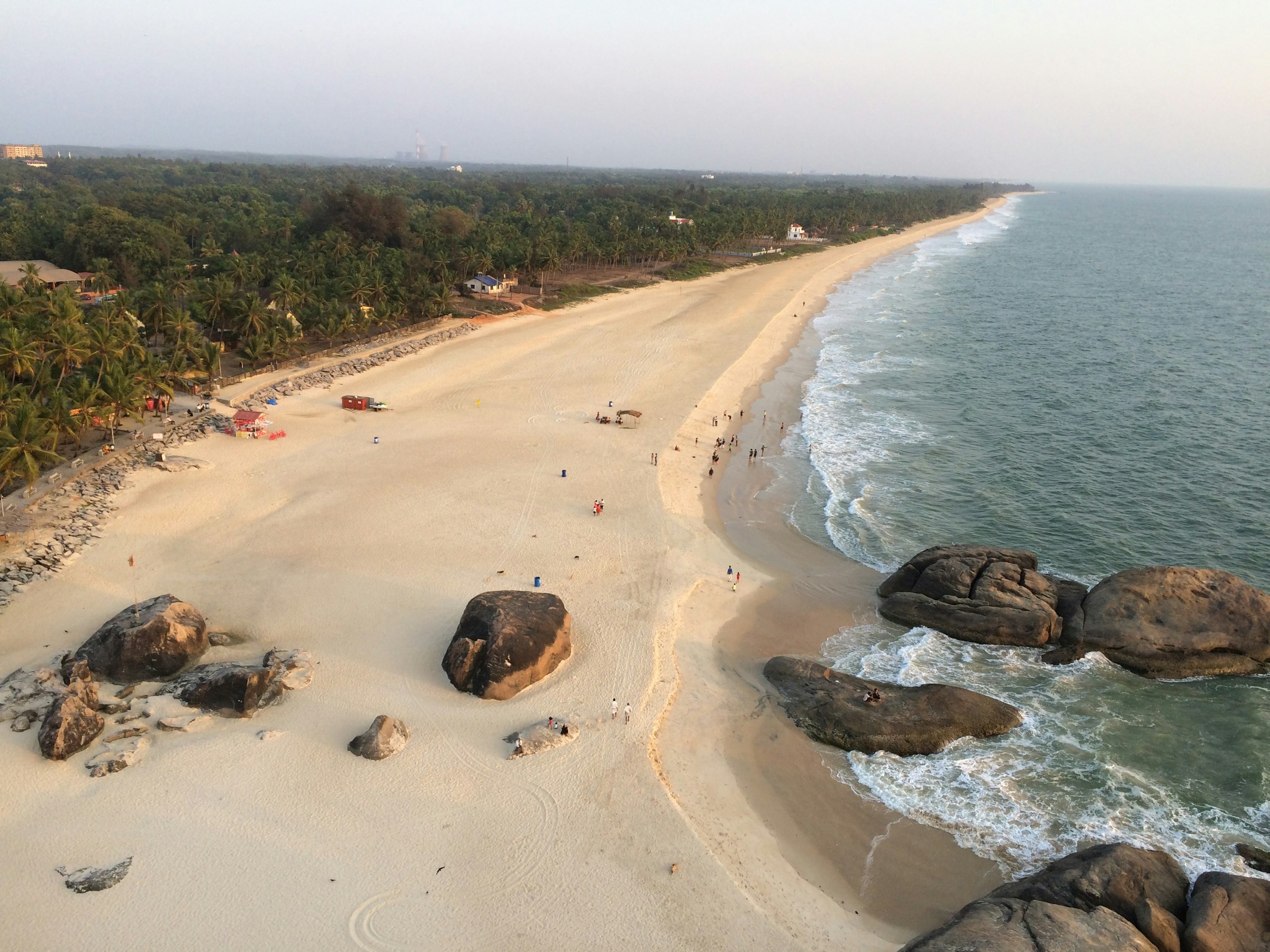
Image Source: Sangamesh Arali
About Jamalabad Fort
Perched atop a massive granite hill in the Belthangady region of Karnataka’s Dakshina Kannada district, Jamalabad Fort is one of the state’s most fascinating historical landmarks. Surrounded by lush greenery, rolling hills, and breathtaking landscapes, this ancient hill fort attracts trekkers, nature lovers, photographers, and history enthusiasts alike.
The fort stands at an elevation of around 1,788 feet above sea level and offers spectacular panoramic views of the Western Ghats and the surrounding countryside. Although only remnants of the original structure remain today, the fort’s strategic location and historical significance continue to captivate visitors. The challenging climb to the summit, combined with the fort’s intriguing past, makes it a rewarding destination for adventure seekers.
History of Jamalabad Fort
The history of Jamalabad Fort dates back several centuries. Originally known as Narasimha Ghada, the fort was initially a mud fortification built on the steep hilltop. Due to its naturally defensive position, the site was considered strategically important by various rulers.
In 1794, the fort was reconstructed and strengthened by the famous ruler Tipu Sultan. He renamed it Jamalabad after his mother, Jamal Bee, from whom the fort derives its present name. During his reign, the fort served as a military outpost and a defensive stronghold in the region.
Following the defeat of Tipu Sultan during the Fourth Anglo-Mysore War in 1799, the British captured the fort. Over time, the military importance of the fort declined, and much of the structure gradually fell into ruins. However, the hilltop remains an important historical site that reflects the turbulent history of the Mysore Kingdom.
Legends and Local Folklore
Like many ancient forts in India, Jamalabad Fort is surrounded by fascinating legends and folklore. Local stories suggest that the fort once symbolized the power and authority of Tipu Sultan in the region. One of the most popular tales claims that traitors and dissenters were punished by being thrown from the steep cliffs surrounding the fort.
Although these stories remain difficult to verify historically, they contribute to the mysterious atmosphere that surrounds the fort. Standing atop the rocky summit and looking down the sheer drop, visitors can easily understand how such legends came into existence.
Trekking Through Nature
A visit to Jamalabad Fort is as much about the journey as it is about the destination. The fort is reached by climbing approximately 1,800 stone steps carved into the hillside. The trek is moderately challenging and takes visitors through rugged terrain, rocky slopes, and patches of vegetation.
As you ascend, the views become increasingly spectacular. On clear days, visitors can enjoy sweeping vistas of the surrounding forests, agricultural fields, and distant hills of the Western Ghats, including portions of the Kudremukh range. The cool breeze and scenic surroundings make the climb enjoyable despite its physical demands.
At the summit, visitors can explore the remains of fort walls, watchtowers, and a large cannon that still stands as a reminder of the site’s military past. The hilltop is also an excellent location for photography and birdwatching.
Best Time to Visit
The ideal time to visit Jamalabad Fort is between October and February, when the weather remains cool and comfortable for trekking. The post-monsoon season transforms the surrounding landscape into a lush green paradise, making the views particularly stunning.
The months from February to May are also suitable for visiting, though temperatures can be warmer during the daytime. It is advisable to avoid trekking during heavy monsoon rains, as the steps can become slippery and challenging to navigate.
Tips for Visitors
Before beginning the trek, visitors should ensure they are well-prepared. Comfortable trekking shoes, sufficient drinking water, light snacks, sunscreen, and a hat are highly recommended. Since there are limited facilities near the summit, carrying essentials is important.
Starting the climb early in the morning helps avoid the afternoon heat and provides better opportunities for enjoying the scenery. Visitors should also exercise caution while exploring the cliff edges and rocky sections of the fort.
How to Reach Jamalabad Fort
Jamalabad Fort is located near Jamalabad village in the Belthangady Taluk of Dakshina Kannada district.
By Air
The nearest airport is Mangaluru International Airport, situated approximately 65 km away. Taxis and rental vehicles are readily available from the airport.
By Rail
The nearest major railway station is Mangaluru Junction Railway Station, which is well connected to Bengaluru, Mysuru, Chennai, Mumbai, and other major cities.
By Road
Jamalabad Fort is around 50 km from Mangaluru and about 20 km from Belthangady. Regular buses operate to Belthangady from Mangaluru, while local taxis and auto-rickshaws can be hired to reach the base of the fort. Private vehicles are the most convenient option for travelers wishing to explore nearby attractions as well.
Nearby Attractions
Kudremukh National Park
Located amidst the Western Ghats, this protected area is famous for its rolling grasslands, dense forests, wildlife, and trekking opportunities.
Dharmasthala Temple
One of Karnataka’s most important pilgrimage destinations, known for its spiritual significance, hospitality, and cultural heritage.
Ermai Falls
A scenic waterfall hidden amidst forests, offering a peaceful retreat for nature lovers.
Bandaje Falls
A popular trekking destination featuring dramatic waterfalls and stunning mountain scenery.
Charmadi Ghat
Known for its winding roads, mist-covered hills, and breathtaking viewpoints, Charmadi Ghat is a favorite stop for travelers exploring the Western Ghats.
Maps
At a distance of 6 km from Belthangady, 61 km from Mangalore, 87 km from Kudremukh, and 111 km from Chikmagalur.
FAQs
1. How many steps are there to reach Jamalabad Fort?
Visitors need to climb approximately 1,800 stone steps to reach the summit.
2. Is the trek to Jamalabad Fort difficult?
The trek is considered moderately challenging due to the steep ascent, but it is manageable for most reasonably fit visitors.
3. What is the best time to visit Jamalabad Fort?
October to February is generally considered the best season because of the pleasant weather and clear views.
4. How much time is required to explore the fort?
Most visitors spend around 2 to 4 hours, including the climb, exploration, and descent.
5. Is there an entry fee?
Entry rules and fees may change over time, so it is advisable to check locally before visiting.
6. Can families visit Jamalabad Fort?
Yes. Families can visit the fort, though elderly visitors and young children should be prepared for the steep climb.
7. Are food and water available at the top?
No. Visitors should carry sufficient drinking water and light snacks, as there are no major facilities at the summit.
8. Is photography allowed?
Yes, photography is generally allowed and the fort offers some of the most scenic viewpoints in the region.