Image Source: m constructions
About Polali Sri Raja Rajeshwari Temple
Nestled amid the serene countryside of Dakshina Kannada district, Polali Sri Raja Rajeshwari Temple is one of the most revered Shakti shrines in coastal Karnataka. Surrounded by lush greenery and located near the tranquil banks of the Phalguni River, the temple attracts thousands of devotees and visitors seeking spiritual solace and divine blessings.
The peaceful atmosphere, combined with centuries of history and devotion, makes Polali a significant pilgrimage destination in the Mangaluru region. The temple is especially known for its unique clay idol of Goddess Raja Rajeshwari and its vibrant annual festivities that draw devotees from across Karnataka and neighboring states.
History of Polali Sri Raja Rajeshwari Temple
Polali has a rich spiritual heritage that dates back more than 2,000 years. In ancient Sanskrit texts, the place was known as “Puliapura,” while the local Kannada name evolved into “Polali.” According to local traditions and legends, the presiding deity was originally worshipped as Porala Devi, a powerful manifestation of the Divine Mother.
Over the centuries, the temple grew into an important center of worship and devotion. Generations of devotees have visited this sacred shrine to seek blessings for prosperity, health, and well-being. The temple continues to preserve many ancient rituals and customs that reflect the region’s deep-rooted spiritual traditions.
Unique Architecture and Sacred Idol
One of the most remarkable features of the temple is its magnificent 10-foot-tall idol of Goddess Raja Rajeshwari. Unlike conventional stone idols found in many temples, the deity here is made of clay, making it one of the tallest and most unique clay idols in India.
The idol is traditionally renewed and maintained through age-old rituals, adding to its spiritual significance. The sanctum radiates a sense of divinity and reverence that leaves a lasting impression on visitors.
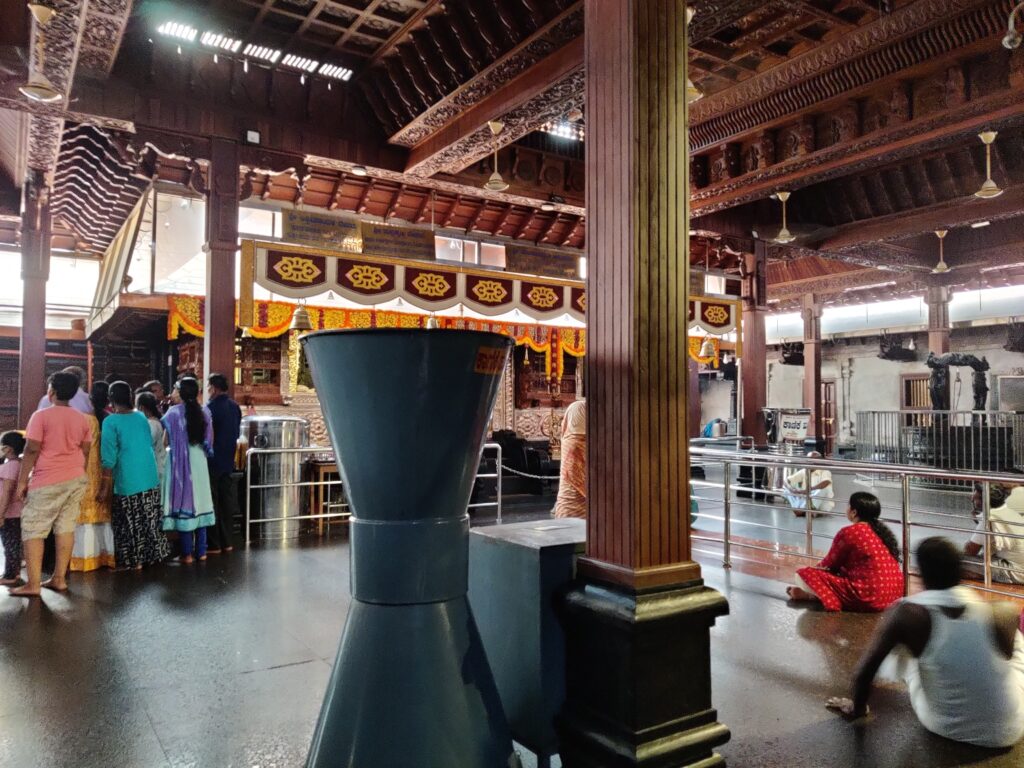
Apart from the main deity, the temple complex also houses shrines dedicated to Lord Subrahmanya, Lord Ganesha, and several other deities. The beautifully maintained premises, traditional Kerala-style and coastal Karnataka architectural influences, and peaceful surroundings create an ideal environment for worship and meditation.
Polali Chendu Festival
One of the most distinctive aspects of the temple is the famous Polali Chendu festival, celebrated annually during February or March. The week-long festival transforms the temple town into a vibrant center of devotion, culture, and community gatherings.
A unique highlight of the festival is the traditional “Chendu” football tournament, which is played over several days. Unlike modern football competitions, this event is deeply intertwined with local customs and religious celebrations. Teams from various villages participate enthusiastically, and large crowds gather to witness the matches.
The festival also features religious processions, cultural performances, special poojas, and community celebrations, making it one of the most anticipated events in the region.
A Celebration of Faith and Community
The annual festivities at Polali beautifully blend spirituality with local culture. As devotees gather to offer prayers to Goddess Raja Rajeshwari, the temple comes alive with devotional chants, colorful decorations, and traditional ceremonies.
The Polali Chendu tradition symbolizes unity, sportsmanship, and communal harmony, reflecting the unique cultural heritage of coastal Karnataka. Visitors during the festival season get an opportunity to experience both religious devotion and vibrant local traditions.
Temple Timings
Polali Sri Raja Rajeshwari Temple is generally open to devotees from 8:00 AM to 8:00 PM. Timings may vary during special festivals and religious occasions. Visitors are advised to dress modestly and follow temple customs while entering the shrine.
Best Time to Visit
The temple can be visited throughout the year. However, the months between October and March offer pleasant weather for sightseeing and temple visits. Those interested in experiencing the vibrant cultural atmosphere should plan their visit during the Polali Chendu festival.
How to Reach
By Air
The nearest airport is Mangalore International Airport, located about 20 kilometers from the temple. Taxis and local transport services are readily available from the airport.
By Train
The nearest major railway station is Mangaluru Junction, approximately 18 kilometers away. From the station, visitors can hire taxis, auto-rickshaws, or use local bus services to reach Polali.
By Road
Polali is well connected by road to Mangaluru, Bantwal, and other towns in Dakshina Kannada district. Regular KSRTC and private buses operate from Mangaluru towards Polali and nearby villages. Visitors traveling by private vehicle can enjoy a scenic drive through the lush countryside of coastal Karnataka.
Nearby Attractions
Kateel Durga Parameshwari Temple
Located a short distance away, this famous temple is situated on an island in the Nandini River and is one of the most visited pilgrimage sites in the region.
Pilikula Nisargadhama
A popular eco-tourism destination featuring a zoo, botanical garden, science center, lake, and heritage village.
Kudroli Gokarnanatheshwara Temple
A magnificent temple in Mangaluru known for its striking architecture, grand celebrations, and spiritual significance.
Kadri Manjunath Temple
One of the oldest temples in South India, renowned for its historic importance and beautiful surroundings.
Panambur Beach
A lively beach destination famous for its sunsets, water sports, and family-friendly atmosphere.
Tannirbhavi Beach
Known for its clean shoreline and peaceful ambiance, making it a perfect spot for relaxation near Mangaluru.
Maps
Located 19 kilometers from the bustling Mangalore Railway Station.
FAQs
1. What is Polali Sri Raja Rajeshwari Temple famous for?
The temple is famous for its ancient history, unique 10-foot clay idol of Goddess Raja Rajeshwari, and the celebrated Polali Chendu festival.
2. How old is the temple?
The temple is believed to be over 2,000 years old and holds immense historical and spiritual significance in coastal Karnataka.
3. What is special about the idol at Polali Temple?
The presiding deity is represented by a large clay idol, which is considered one of the tallest and most unique clay idols in India.
4. What is the Polali Chendu festival?
It is an annual seven-day festival featuring religious celebrations and traditional football matches that attract participants and spectators from across the region.
5. Is photography allowed inside the temple?
Photography may be restricted inside the sanctum and certain temple areas. Visitors should follow the guidelines provided by temple authorities.
6. How much time is needed to visit the temple?
Most visitors spend between one and two hours exploring the temple complex, attending prayers, and enjoying the peaceful surroundings.
7. Is the temple suitable for family visits?
Yes, the temple is a family-friendly pilgrimage destination and welcomes visitors of all ages.
8. When is the best time to visit?
October to March offers pleasant weather, while February or March is ideal for experiencing the famous Polali Chendu festival.