Image Source: Pradeep717
About Ambalapuzha Sri Krishna Temple
The Ambalapuzha Sri Krishna Temple, located in the Alappuzha district of Kerala, is one of the most celebrated Krishna shrines in South India. Dedicated to Lord Krishna in his child form (Unnikrishnan), the temple is often called the “Dwarka of the South.” Built in the 15th century by the Chempakasseri rulers, this temple combines deep devotion, rich legends, and unique traditions that make it a major spiritual and cultural landmark of Kerala.
Legend and History
The temple’s presiding deity is Parthasarathy (Krishna as the charioteer of Arjuna), but in appearance, the idol is of Unnikrishnan holding a whip in one hand and a conch in the other. The temple is deeply tied to the legends of Lord Krishna, and local lore narrates that the idol was brought here from Guruvayur to protect it from attacks during the 18th century.
Architecture
The temple is a fine example of Kerala-style temple architecture, with sloping tiled roofs, intricate wooden carvings, and a serene inner sanctum. The large temple pond and open courtyards enhance its sacred atmosphere. Simplicity in design and elegance in layout make it a spiritually calming space.
Unique Traditions
The temple is world-famous for its offering of Palpayasam (sweet milk pudding), a sacred dish believed to be blessed by Lord Krishna himself. According to legend, the 16th-century poet Vilwamangalam Swamiyar once had a vision of Krishna here, who asked that devotees be given palpayasam daily as naivedyam. To this day, thousands of devotees come just to taste this divine preparation.
The temple is also associated with the famous saying:
“Ambalapuzha Palpayasam tastes sweeter because it is mixed with the essence of Lord Krishna’s grace.”
Festivals and Cultural Importance
One of the most important festivals here is the Ambalapuzha Arattu Festival, celebrated in the Malayalam month of Meenam (March–April), which includes grand processions and cultural programs. Another significant observance is Champakulam Moolam Boat Race, linked to the temple’s foundation story, making it one of the oldest and most traditional snake boat races in Kerala.
The temple also holds a strong connection with classical performing arts. It has historically supported Ottamthullal, the satirical dance-drama art form created by poet Kunchan Nambiar, who found patronage at Ambalapuzha.
Spiritual Significance
The Ambalapuzha Sri Krishna Temple represents bhakti in its purest form—Lord Krishna as a playful child who embodies innocence and love. Devotees believe that praying here brings prosperity, happiness, and relief from misfortunes. The temple remains a prominent pilgrimage site and a cultural beacon that continues to uphold Kerala’s age-old devotional traditions.
How to Reach
By Road: Ambalapuzha is well-connected by road. The temple is about 14 km from Alappuzha town and easily accessible by buses, taxis, and private vehicles via NH-66.
By Rail: The nearest railway station is Ambalapuzha Railway Station, located just 1 km from the temple, making it highly convenient for pilgrims. Alappuzha Railway Station (14 km) is also a major nearby stop.
By Air: The nearest airport is Cochin International Airport, about 95 km away, which is well-connected to major Indian and international cities. From the airport, one can hire a taxi or take a bus to reach the temple.
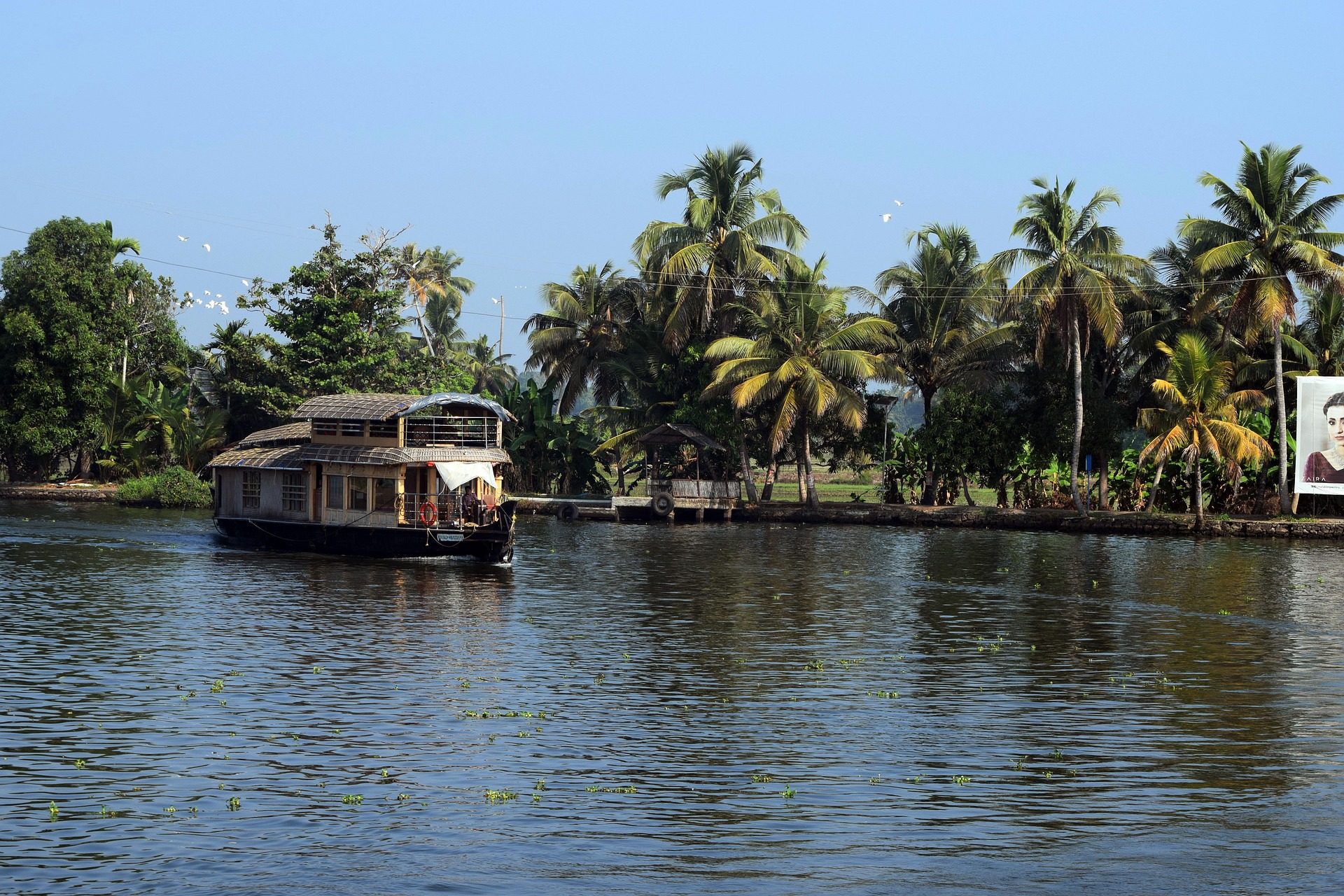
By Water: Since Alappuzha is famous for its backwaters, visitors can also enjoy a houseboat cruise and then proceed to Ambalapuzha by road.
Nearby Attractions
Alappuzha Beach
Located about 14 km from the temple, Alappuzha Beach is one of Kerala’s most popular coastal destinations. The beach is known for its historic pier, golden sands, beautiful sunsets, and relaxed atmosphere. Visitors can enjoy leisurely walks along the shore and explore nearby local markets.
Alleppey Backwaters
A visit to Ambalapuzha is incomplete without experiencing the famous Alleppey Backwaters. Houseboat cruises through the interconnected canals, lagoons, and lakes offer a glimpse into Kerala’s traditional village life and stunning natural scenery.
Pathiramanal Island
Situated on the scenic Vembanad Lake, Pathiramanal Island is a paradise for birdwatchers and nature lovers. Accessible by boat, the island is home to numerous migratory and resident bird species.
Mullakkal Rajarajeswari Temple
This ancient temple dedicated to Goddess Rajarajeswari is a prominent spiritual center in Alappuzha. Its annual festivals attract thousands of devotees from across Kerala.
Mannarasala Sree Nagaraja Temple
Located around 20 km from Ambalapuzha, this famous serpent temple is renowned for its unique traditions and sacred groves. It is one of the most important centers of serpent worship in India.
Karumadi Kuttan
An important Buddhist archaeological site, Karumadi Kuttan features a partially damaged black granite statue of Buddha dating back several centuries, reflecting Kerala’s ancient Buddhist heritage.
Arthunkal Basilica
This historic Christian pilgrimage center is dedicated to St. Sebastian and attracts devotees from different faiths. The church’s architecture and religious significance make it a worthwhile stop.
Thakazhi Museum
Dedicated to the celebrated Malayalam writer Thakazhi Sivasankara Pillai, the museum offers insights into Kerala’s literary heritage and rural culture.
Maps
FAQs
1. What is Ambalapuzha Sri Krishna Temple famous for?
The temple is famous for its devotion to Lord Krishna and its traditional offering of Palpayasam, a sweet milk-rice pudding that has become synonymous with the temple’s identity.
2. Who built Ambalapuzha Sri Krishna Temple?
The temple is believed to have been built during the 15th–17th centuries by the rulers of the Chembakassery Kingdom and later patronized by the kings of Travancore.
3. What are the temple timings?
Generally, the temple opens early in the morning and remains open until noon, reopening in the evening for worship. Timings may vary during festivals and special occasions.
4. What is the significance of Palpayasam?
According to local legend, Lord Krishna himself blessed the temple’s famous Palpayasam. Today, devotees consider it a sacred prasadam and often book it in advance.
5. Is there any dress code for visitors?
Yes. Traditional attire is preferred. Men are generally encouraged to wear a dhoti or mundu, while women may wear sarees, salwar suits, or other modest traditional clothing.
6. Which is the best time to visit the temple?
The period between October and March offers pleasant weather. Festival seasons, especially during temple celebrations and Krishna-related observances, are particularly vibrant.
7. How far is the temple from Alappuzha town?
The temple is located approximately 14 km south of Alappuzha town and can be easily reached by road.
8. Can non-Hindus visit the temple?
Visitors should check the latest temple regulations before planning their visit, as entry policies may vary depending on temple administration guidelines and religious customs.
9. Is photography allowed inside the temple?
Photography is generally restricted within the sanctum and inner temple premises. Visitors should follow the rules displayed at the entrance.
10. How much time is needed for a visit?
Most visitors spend around one to two hours exploring the temple, participating in prayers, and experiencing the peaceful atmosphere of this historic Krishna shrine.