Image Source: Rameshng
About Idukki Hill Station
Tucked away in the lush highlands of Kerala, Idukki Hill Station is a destination where nature still feels untouched and unhurried. Known for its mist-covered mountains, dense forests, winding rivers, and sprawling spice plantations, Idukki offers a refreshing escape from crowded tourist hubs. Unlike many commercialized hill stations, the charm of Idukki lies in its peaceful atmosphere, cool climate, and raw natural beauty.
The region is also famous for housing the remarkable Idukki Arch Dam, one of the tallest arch dams in Asia. Surrounded by towering hills and deep valleys, the dam has become both an engineering landmark and a scenic attraction. Whether visitors come for nature, adventure, wildlife, or simply to relax in the lap of the Western Ghats, Idukki leaves a lasting impression with its calm and scenic surroundings.
Geographical Setting and Natural Landscape
Located in the majestic Western Ghats, Idukki District sits at a high elevation, giving it a pleasant climate throughout the year. The region is characterized by rolling hills, dense evergreen forests, grasslands, and deep valleys wrapped in drifting clouds and mist. During the monsoon season, the landscape becomes even more vibrant as waterfalls gush through the hillsides and rivers swell with fresh rainwater.
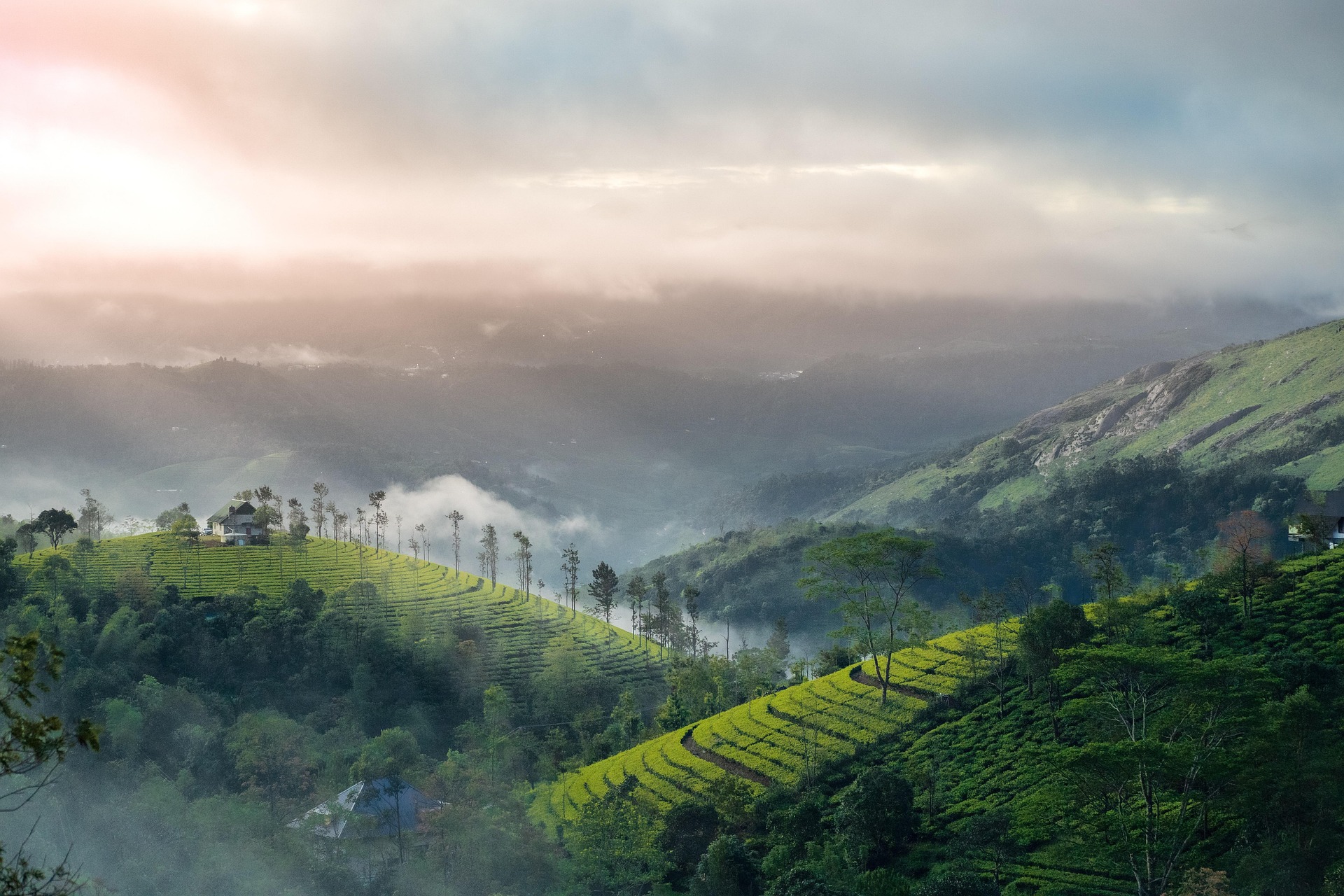
The iconic hills of Kuravanmala and Kurathimala stand prominently in the area and are closely associated with the construction of the Idukki Dam. The valleys between these hills create breathtaking panoramic views that attract photographers and nature enthusiasts alike. Large stretches of tea gardens, cardamom plantations, coffee estates, and pepper farms add shades of green across the mountains, while the aroma of spices fills the cool mountain air.
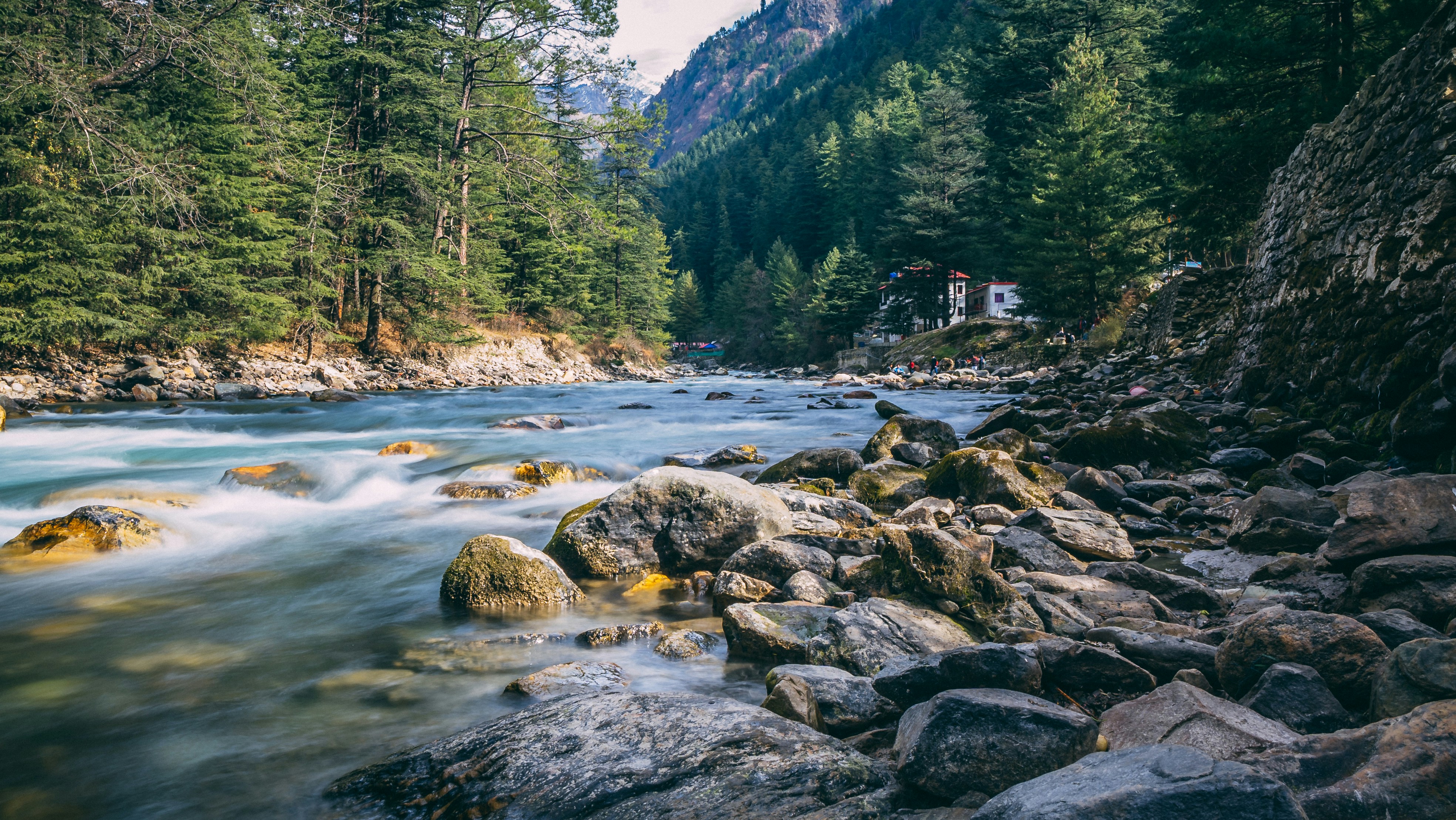
The presence of the Periyar River further enhances the beauty of the region. Flowing through valleys and forests, the river supports both the ecosystem and the hydroelectric projects that are central to Idukki’s importance in Kerala.
The Famous Idukki Arch Dam
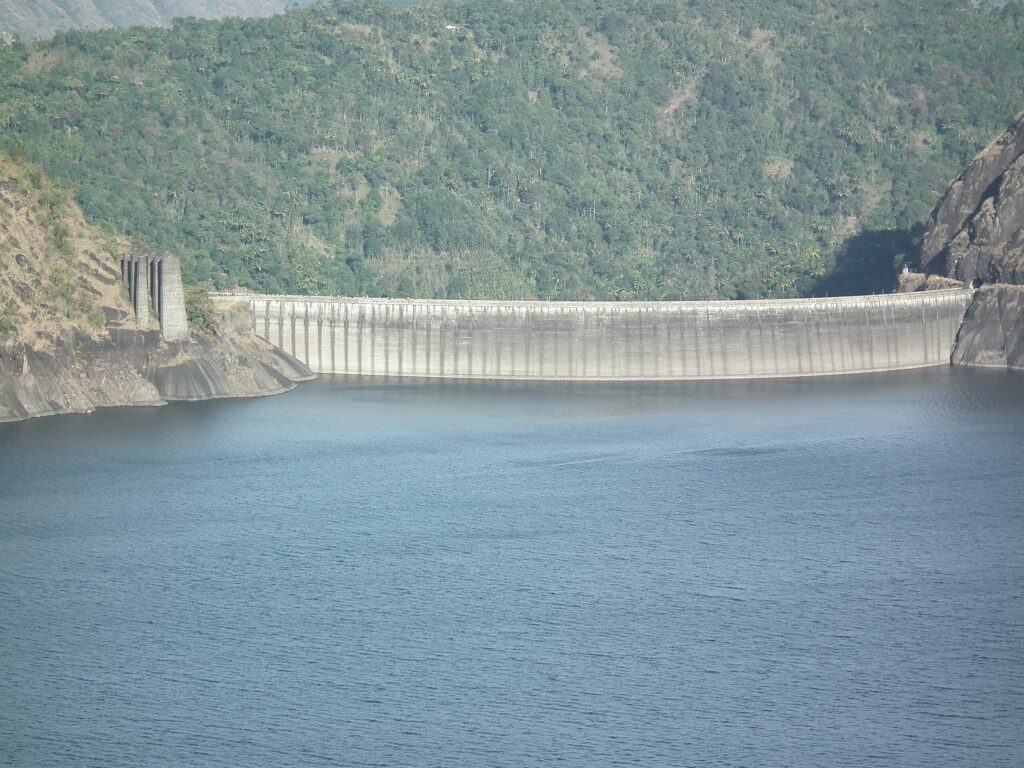
One of the biggest highlights of Idukki is undoubtedly the massive Idukki Arch Dam. Built across the Periyar River and completed in 1975, this impressive double-curvature arch dam rises to a height of around 168.91 meters, making it one of the tallest arch dams in Asia. What makes the structure even more fascinating is its location between the granite hills of Kuravan and Kurathi, creating a spectacular combination of human engineering and natural beauty.
The dam is part of the larger Idukki Hydroelectric Project, which plays a major role in Kerala’s electricity production. Visitors are often amazed by the scale of the structure and the calm reservoir that stretches behind it like an inland sea surrounded by green hills.
The viewpoints around the reservoir provide breathtaking scenery, especially during sunrise and sunset when mist floats over the water. During the monsoon and post-monsoon months, the area becomes exceptionally beautiful as the surrounding forests appear fresh and vibrant.
Nearby Attractions in Idukki
Apart from the famous dam, Idukki is filled with scenic and cultural attractions that make the region ideal for extended travel.
Cheruthoni Dam
Located close to the Idukki Dam, the Cheruthoni Dam forms an important part of the hydroelectric project. The road across the dam offers excellent views of the reservoir and surrounding hills.
Idukki Wildlife Sanctuary
Spread across the forested areas around the reservoir, this sanctuary is home to elephants, sambar deer, wild bison, and numerous bird species. The sanctuary is particularly attractive for eco-tourism, wildlife photography, and nature walks.
Painavu
Painavu serves as the district headquarters and is known for its peaceful environment and scenic surroundings. It is also a gateway for trekking and wildlife exploration.
Kulamavu
A quiet destination near the reservoir, Kulamavu is known for boating opportunities, forested hills, and stunning viewpoints.
Hill View Park
This popular viewpoint offers panoramic vistas of the Idukki and Cheruthoni dams along with beautifully maintained gardens and walking paths.
Wildlife and Ecological Richness
Idukki is one of Kerala’s ecologically rich regions and forms an important part of the biodiversity-rich Western Ghats. Thick forests, grasslands, wetlands, and river systems create ideal habitats for a wide range of wildlife species.
The forests surrounding the reservoir shelter elephants, gaur, wild boar, sambar deer, and several species of reptiles and birds. Birdwatchers often visit the region to spot migratory birds and endemic species found in the Western Ghats.
The spice plantations and dense greenery also contribute to the region’s unique ecosystem. Cardamom, black pepper, cloves, nutmeg, and cinnamon are widely cultivated here, making Idukki one of Kerala’s important spice-growing districts.
Because of its relatively untouched environment and lower tourist crowds, the region remains ideal for eco-tourism and sustainable travel experiences.
Climate and Best Time to Visit
Idukki enjoys pleasant weather for most of the year due to its high altitude. Summers remain comparatively cool, while winters are misty and refreshing. Monsoon transforms the entire landscape into a lush green paradise with overflowing waterfalls and fog-covered hills.
The best time to visit is generally between September and March, when the weather is cool and suitable for sightseeing, trekking, and outdoor exploration. Travelers who enjoy rain-soaked mountain scenery may also prefer the monsoon months for a dramatic natural experience.
How to Reach Idukki Hill Station
Idukki Hill Station, located in the heart of Kerala’s Western Ghats, is known for its mist-covered mountains, lush forests, spice plantations, and scenic valleys. The district is home to some of Kerala’s most beautiful hill destinations, including Idukki Dam, Painavu, Thekkady, and nearby Munnar. Reaching Idukki is convenient through a combination of air, rail, and road transport.
By Air
The nearest airport is Cochin International Airport (Nedumbassery), located approximately 100–120 km from Idukki, depending on the destination within the district. The airport is well connected to major Indian cities such as Delhi, Mumbai, Bengaluru, Chennai, and Hyderabad, as well as several international destinations. From the airport, visitors can hire taxis or board buses to reach Idukki.
By Train
Idukki does not have its own railway station. The nearest major railway stations are:
- Kottayam Railway Station – approximately 110 km away
- Aluva Railway Station – approximately 115 km away
- Ernakulam Junction – approximately 130 km away
These stations are well connected to major cities across India. From the railway station, regular buses and taxis are available to Idukki.
By Road
Idukki has excellent road connectivity with major towns and cities in Kerala and neighboring Tamil Nadu. State-run KSRTC buses and private buses operate frequently from Kochi, Kottayam, Thodupuzha, Kumily, Munnar, and Thekkady.
Popular road distances include:
- Kochi to Idukki – about 110 km
- Kottayam to Idukki – about 110 km
- Munnar to Idukki – about 65 km
- Thekkady to Idukki – about 85 km
The drive to Idukki is particularly scenic, passing through winding mountain roads, spice plantations, dense forests, waterfalls, and panoramic viewpoints.
By Bus
Regular KSRTC and private buses connect Idukki with major destinations such as Kochi, Kottayam, Thiruvananthapuram, Munnar, Kumily, and Ernakulam. Visitors can travel to Painavu, the district headquarters, and continue to nearby attractions using local transport.
Self-Drive and Taxi Options
Many travelers prefer reaching Idukki by car or taxi because the journey through the Western Ghats offers breathtaking views of valleys, reservoirs, tea estates, and forested hills. Self-driving is a popular option, especially for those planning to explore multiple attractions across the district.
Things to Do in Idukki
Visitors to Idukki can enjoy a variety of experiences that combine adventure, relaxation, and nature exploration.
- Trek through forest trails and mountain paths.
- Visit scenic viewpoints overlooking valleys and reservoirs.
- Explore spice plantations and tea estates.
- Enjoy boating in reservoir areas.
- Watch wildlife and birds in sanctuary regions.
- Experience peaceful village life in the hills.
- Photograph misty landscapes, waterfalls, and forests.
The calm atmosphere of Idukki makes it especially attractive for couples, families, solo travelers, and nature photographers looking for a quieter side of Kerala.
Culture and Local Life
The culture of Idukki reflects a blend of Kerala traditions and highland lifestyles. Local communities are closely connected to agriculture, spice cultivation, and plantation work. Visitors often encounter traditional Kerala cuisine flavored with locally grown spices, including cardamom, pepper, and cloves.
The district is also home to tribal communities who have lived in the forests and hills for generations, preserving unique traditions and indigenous knowledge of the region’s ecology.
Why Idukki Stands Out Among Kerala’s Hill Stations
While destinations like Munnar attract large tourist crowds, Idukki offers a quieter and more immersive experience in nature. Its untouched landscapes, clean air, peaceful reservoirs, and dense forests create a sense of calm that is becoming increasingly rare in popular tourist destinations.
For travelers seeking serenity, scenic beauty, wildlife, and a deeper connection with nature, Idukki remains one of Kerala’s most rewarding hidden gems.
Google Maps
FAQs
Where is Idukki Hill Station located?
Idukki Hill Station is located in the Idukki District in the Western Ghats region of Kerala, South India.
Why is Idukki famous?
Idukki is best known for the Idukki Arch Dam, scenic mountains, spice plantations, wildlife sanctuaries, and peaceful natural surroundings.
What is the best time to visit Idukki?
The ideal time to visit is from September to March when the weather remains cool and pleasant for sightseeing and trekking.
Is Idukki suitable for family trips?
Yes, Idukki is an excellent destination for families due to its calm environment, scenic attractions, and nature-based activities.
Can tourists visit the Idukki Dam?
Yes, tourists can visit viewpoints and nearby areas around the dam, although entry permissions may vary depending on security regulations and seasonal conditions.
What wildlife can be seen in Idukki?
Visitors may spot elephants, gaur, sambar deer, wild boar, monkeys, and various bird species in forest and sanctuary areas.
How is Idukki different from Munnar?
While Munnar is more commercialized and crowded, Idukki offers a quieter, less touristy experience focused on forests, reservoirs, and untouched nature.
Are there adventure activities in Idukki?
Yes, trekking, boating, nature walks, camping, and wildlife exploration are popular activities in and around Idukki.