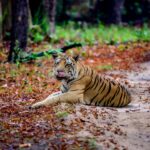
Periyar National Park
Surrounded by mist-covered mountains, evergreen forests, and the tranquil waters of a sprawling lake, Periyar National Park is one of India’s most beautiful and ecologically significant wildlife destinations. Located in the high ranges of Kerala’s Western Ghats, Periyar is renowned for its elephant herds, rich biodiversity, scenic boat safaris, and unique eco-tourism experiences.
Unlike many wildlife reserves that focus primarily on tiger sightings, Periyar offers a more immersive nature experience where visitors can explore forests on foot, cruise through a wildlife-rich lake, participate in bamboo rafting adventures, and observe a remarkable variety of animals and birds in their natural habitat. The combination of wilderness, adventure, and breathtaking landscapes makes Periyar one of South India’s most rewarding national parks.
Whether you are a wildlife enthusiast, photographer, nature lover, trekker, or family traveler, Periyar National Park promises an unforgettable journey into the heart of Kerala’s wilderness.
About Periyar National Park
Periyar National Park is situated near the popular hill station town of Thekkady in Kerala’s Idukki and Pathanamthitta districts. Covering approximately 925 square kilometers, the protected area forms the core of the larger Periyar Tiger Reserve.
The park is named after the Periyar River, Kerala’s longest river, which flows through the reserve and creates the magnificent Periyar Lake. This artificial lake, formed after the construction of the Mullaperiyar Dam in the late nineteenth century, has become the defining feature of the park’s landscape.
Periyar is part of the globally recognized Western Ghats, a UNESCO World Heritage region celebrated for its extraordinary biodiversity and high levels of endemism. The reserve protects one of the finest remaining tracts of tropical evergreen forest in southern India.
History of Periyar National Park
The conservation story of Periyar dates back more than a century. In 1895, the construction of the Mullaperiyar Dam led to the creation of the vast reservoir that now forms the centerpiece of the reserve.
Recognizing the ecological importance of the surrounding forests, the area was declared a protected forest in 1899. It later became the Nellikkampatty Game Sanctuary in 1934 under the princely state of Travancore.
In 1950, the protected area was renamed Periyar Wildlife Sanctuary, and conservation efforts expanded significantly. The reserve gained further importance when it became part of India’s Project Tiger initiative in 1978.
Today, Periyar Tiger Reserve is widely regarded as one of India’s most successful examples of wildlife conservation, eco-tourism, and community participation in forest protection.
Geography and Landscape
Periyar’s landscape is dramatically different from many of India’s dry deciduous tiger reserves. The reserve is characterized by rolling mountains, dense evergreen forests, moist deciduous woodlands, grasslands, marshes, and freshwater ecosystems.
Elevations range from approximately 900 meters to over 2,000 meters above sea level, creating diverse climatic zones and habitats.
The most iconic feature of the park is Periyar Lake, where dead tree trunks rising from the water create a hauntingly beautiful landscape. These partially submerged trees have become one of Periyar’s most photographed sights and serve as perches for numerous bird species.
The park’s rugged hills and dense forests provide ideal habitats for a wide variety of wildlife.
The Famous Periyar Lake
At the heart of the reserve lies the spectacular Periyar Lake, covering approximately 26 square kilometers.
The lake serves as a crucial water source for wildlife throughout the year. During early mornings and evenings, animals frequently emerge from the forests to drink, bathe, or graze along the shoreline.
One of the most memorable experiences at Periyar is watching wild elephants gather near the water’s edge while boats quietly drift across the lake. The reflection of forests and mountains in the calm waters creates a setting that feels almost untouched by time.
Boat safaris on the lake remain one of the park’s most popular attractions.
Flora of Periyar National Park
Periyar supports an impressive variety of vegetation due to its diverse topography and rainfall patterns.
Major forest types include:
- Tropical evergreen forests.
- Semi-evergreen forests.
- Moist deciduous forests.
- Grasslands.
- Montane forests.
- Riverine vegetation.
Common tree species include:
- Rosewood.
- Teak.
- Terminalia.
- Sandalwood.
- Mango.
- Bamboo.
- Jamun.
- Wild Jackfruit.
The reserve is also rich in medicinal plants, orchids, ferns, and rare flowering species.
Many of the plant species found here are endemic to the Western Ghats, making Periyar an important center for botanical conservation.
Wildlife of Periyar National Park
Periyar is home to a remarkable diversity of mammals, reptiles, amphibians, and birds.
Asian Elephants
Periyar is perhaps best known for its large elephant population. Herds of elephants are frequently observed near the lake, especially during the dry season.
Watching elephants swim across the lake or play along its shores is among the most iconic wildlife experiences in India.
Tigers
Although tiger sightings are less frequent than in some central Indian reserves, Periyar supports a healthy tiger population within its dense forests.
The reserve plays a critical role in long-term tiger conservation in southern India.
Indian Gaur
The Indian gaur, the world’s largest wild bovine, is commonly seen grazing in open meadows and forest clearings.
These magnificent animals can weigh over a ton and are among the park’s most impressive residents.
Other Mammals Found in Periyar
The reserve supports more than 35 mammal species.
Commonly sighted animals include:
- Sambar Deer.
- Barking Deer.
- Wild Boar.
- Nilgiri Langur.
- Lion-tailed Macaque.
- Smooth-coated Otter.
- Indian Giant Squirrel.
- Sloth Bear.
- Leopard.
- Dhole (Indian Wild Dog).
- Mouse Deer.
Among these, the endangered lion-tailed macaque is particularly significant, as it is found only in the Western Ghats.
Birdwatching in Periyar
Periyar is one of Kerala’s premier birdwatching destinations, with over 260 recorded bird species.
Notable birds include:
- Great Hornbill.
- Malabar Grey Hornbill.
- Nilgiri Wood Pigeon.
- Oriental Darter.
- Cormorants.
- Kingfishers.
- Crested Serpent Eagle.
- Grey-headed Fish Eagle.
- Malabar Trogon.
- Jungle Owlet.
- White-bellied Treepie.
The lake, forests, and grasslands provide varied habitats that attract both resident and migratory birds.
Early mornings are especially rewarding for bird enthusiasts.
Unique Safari and Adventure Experiences
Periyar offers far more than traditional jeep safaris.
Boat Safari
The most famous activity is the boat safari on Periyar Lake.
Visitors can observe elephants, deer, gaur, wild boar, and numerous birds from the safety of the water while enjoying panoramic views of the surrounding hills.
Bamboo Rafting
Periyar’s bamboo rafting program combines trekking and rafting through remote sections of the reserve.
Guided by trained forest personnel, participants experience parts of the forest rarely seen by ordinary tourists.
Nature Walks
Guided nature walks allow visitors to explore the reserve on foot while learning about local flora, wildlife behavior, and conservation efforts.
Border Hiking
Long-distance trekking programs take visitors deep into wilderness zones, offering opportunities to experience untouched forest landscapes.
Jungle Patrol Experience
Some eco-tourism programs allow visitors to accompany former poachers who now work as forest protection personnel, providing unique insights into conservation efforts.
Best Time to Visit Periyar National Park
October to February
Winter offers pleasant weather, clear skies, and comfortable conditions for trekking, boating, and wildlife observation.
This is the most popular tourist season.
March to May
The summer months provide excellent wildlife viewing opportunities as animals gather around water sources.
Elephant sightings are particularly rewarding during this period.
June to September
The monsoon transforms Periyar into a lush green paradise.
Heavy rainfall enhances the beauty of forests, waterfalls, and hills, though some outdoor activities may be affected.
Nature photographers often consider this one of the most scenic seasons.
Nearby Attractions
Several notable destinations can be combined with a visit to Periyar.
Thekkady
The gateway town to Periyar, Thekkady offers spice plantations, local markets, cultural performances, and accommodation options.
Mullaperiyar Dam
One of India’s oldest masonry dams, the structure played a crucial role in shaping the region’s landscape.
Mangala Devi Temple
Located deep within the reserve, this ancient temple is accessible only during specific periods of the year.
Gavi
A pristine eco-tourism destination known for forests, wildlife, and scenic trekking opportunities.
How to Reach Periyar National Park
By Air
Nearest airports include:
- Cochin International Airport (approximately 145 km)
- Madurai Airport (approximately 140 km)
By Rail
Nearest railway stations include:
- Kottayam Railway Station
- Madurai Junction
Visitors can continue their journey by road from either station.
By Road
Periyar enjoys excellent road connectivity.
Approximate distances:
- Kochi: 145 km
- Kottayam: 110 km
- Madurai: 140 km
- Munnar: 95 km
The drive through spice plantations and mountain roads is a highlight in itself.
Where to Stay
Accommodation options around Periyar cater to all budgets.
Choices include:
- Luxury forest resorts.
- Eco-lodges.
- Boutique nature retreats.
- Government guest houses.
- Family-friendly hotels.
- Budget homestays.
Many properties offer forest views, guided walks, birdwatching programs, and cultural activities.
Advance booking is advisable during peak tourist seasons.
Local Culture and Spice Plantations
The region surrounding Periyar is famous for its spice cultivation. Cardamom, pepper, cinnamon, cloves, and nutmeg are grown extensively in the hills around Thekkady.
Visitors can tour spice plantations to learn about cultivation practices and purchase fresh spices directly from local producers.
Kerala’s rich cultural heritage is also visible through traditional dance performances, martial arts demonstrations, local cuisine, and village experiences available near the park.
Responsible Tourism Tips
To help preserve Periyar’s fragile ecosystem:
- Maintain silence during wildlife activities.
- Avoid littering.
- Follow guide instructions.
- Respect wildlife viewing distances.
- Refrain from feeding animals.
- Stay on designated trails.
- Use environmentally responsible products during your visit.
Responsible tourism supports conservation and benefits local communities.
Why Periyar National Park Should Be on Your Travel List
Periyar National Park offers a wildlife experience unlike any other in India. Instead of simply driving through forests in search of animals, visitors can explore wilderness through boat safaris, guided treks, bamboo rafting expeditions, and immersive eco-tourism programs.
The combination of majestic elephants, pristine forests, scenic mountain landscapes, rich birdlife, and the tranquil waters of Periyar Lake creates an atmosphere that feels both adventurous and deeply peaceful.
Whether you are watching a herd of elephants along the lakeshore, listening to hornbills calling from the forest canopy, trekking through misty hills, or simply enjoying the beauty of the Western Ghats, Periyar delivers experiences that remain etched in memory long after the journey ends.
For travelers seeking nature, wildlife, adventure, and authentic eco-tourism in Kerala, Periyar National Park stands among the finest destinations in India.