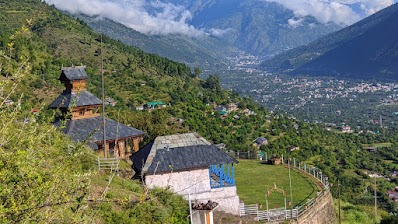
Image Source: Rohan Thakur
About Khokhan
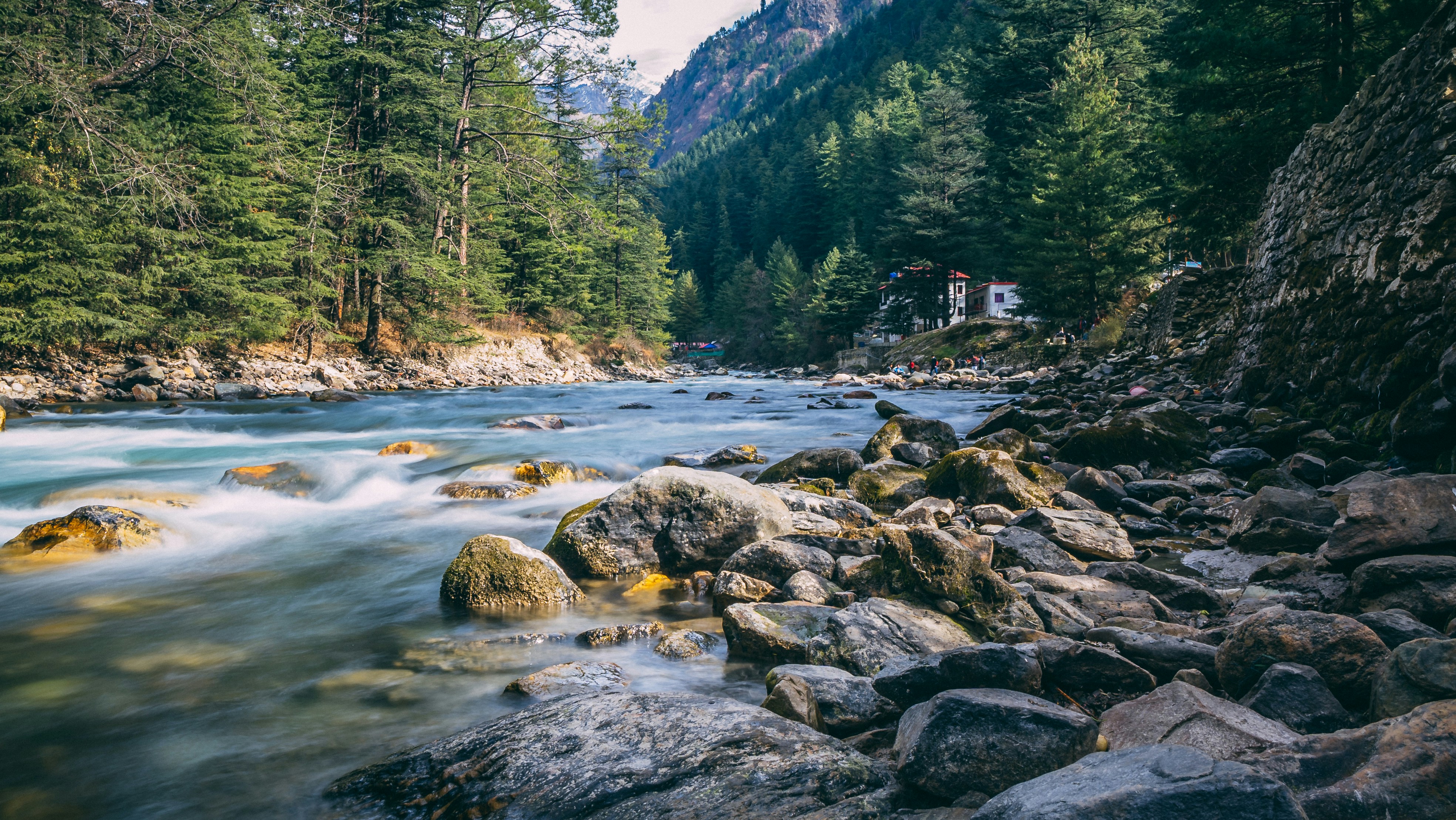
Tucked away in the beautiful Kullu Valley of Himachal Pradesh, Khokhan is a peaceful Himalayan village known for its traditional wooden temples, dense forests, and rich local culture. Situated at an elevation of around 1,189 meters, the village lies roughly 10–13 km southwest of Kullu town and close to Bhuntar and Shamshi. Surrounded by apple orchards, cedar forests, and mountain slopes, Khokhan offers a quiet escape from the busy tourist crowds often seen in the more commercial parts of Kullu Valley.
The village still preserves the charm of old Himachali architecture and traditional village life. Narrow paths, wooden houses, terraced fields, and views of the Beas Valley create a serene atmosphere that attracts nature lovers, photographers, and travelers looking for an authentic Himalayan experience.
Culture and Traditional Life in Khokhan
Khokhan is deeply rooted in the cultural traditions of the Kullu region. The local people follow ancient customs, celebrate colorful festivals, and maintain strong faith in village deities. Like many villages in Himachal Pradesh, the local deity system plays an important role in everyday life here.
Traditional Himachali wooden houses with intricately carved balconies and slate roofs can still be seen throughout the village. Agriculture and horticulture remain the primary occupations, with apple orchards and seasonal farming contributing to the local economy. During festivals and ceremonial gatherings, villagers wear traditional attire, perform folk dances, and participate in age-old rituals that have been passed down through generations.
Adi Brahma Temple
One of the most remarkable attractions in Khokhan is the ancient Adi Brahma Temple, a rare temple dedicated to Lord Brahma. Temples devoted to Brahma are extremely uncommon in India, which makes this shrine historically and spiritually significant.
Built in traditional Himalayan pagoda style, the temple is believed to date somewhere between the 10th and 14th centuries. The structure is famous for its four-tier pyramidal roof, beautifully carved wooden panels, and ancient craftsmanship. The intricate carvings on the temple walls reflect the artistic excellence of the local artisans of medieval Himachal.
Inside the temple complex, sacred objects such as the deity’s mohra (metal idol representation) and ceremonial palanquin are carefully preserved in a treasury chamber. Interestingly, the inner sanctum is not always open to visitors and is generally accessible only during important religious ceremonies and festivals.
According to local beliefs, Adi Brahma is spiritually connected with nearby deities such as Jwala Mata of Shamshi and Naina Mata of Bhullang, and these divine relationships form an important part of the region’s folklore and religious traditions.
Khokhan Wildlife Sanctuary
Nature enthusiasts and wildlife lovers will find the Khokhan Wildlife Sanctuary especially fascinating. Spread across approximately 14.2 square kilometers, the sanctuary was established in 1954 to protect the rich Himalayan ecosystem of the area.
The sanctuary lies at elevations ranging from around 1,500 to 2,800 meters and is covered with dense forests of deodar, oak, pine, and fir. The changing altitude supports a wide variety of flora and fauna.
Wildlife species found in the sanctuary include Himalayan black bears, musk deer, Himalayan tahr, blue sheep, barking deer, and leopards. The sanctuary is also a paradise for birdwatchers, as colorful Himalayan birds such as monals and pheasants are commonly spotted here.
Apart from wildlife exploration, the sanctuary offers opportunities for trekking, forest walks, photography, and nature observation. The peaceful surroundings and cool mountain climate make it an excellent destination for eco-tourism.
Best Time to Visit Khokhan
The best time to visit Khokhan is from March to June and September to November. During spring and summer, the weather remains pleasant, with blooming orchards and clear mountain views. Autumn brings crisp air and scenic landscapes filled with golden colors.
Winter months can be cold, and occasional snowfall may occur in nearby higher regions, adding to the charm of the area for travelers who enjoy winter scenery.
How to Reach Khokhan
By Air
The nearest airport is Bhuntar Airport, located around 8–10 km from Khokhan. Regular taxi services and local buses connect the airport to nearby villages and Kullu town.
By Road
Khokhan is well connected by road to major towns such as Kullu, Shimla, Chandigarh, and Delhi. Himachal Road Transport buses, private buses, and shared taxis frequently operate along the route. Travelers can easily reach Bhuntar or Kullu first and then continue onward to the village.
By Train
The closest railway station is Joginder Nagar Railway Station, situated roughly 100–120 km away. From there, travelers usually hire a taxi or take a bus toward Kullu and Bhuntar before reaching Khokhan.
Nearby Places to Explore
Shamshi
Located around 5 km away, Shamshi is a small but important settlement in the Kullu Valley. It is known for wood industries, educational institutions, and forestry offices. The famous Jwala Mata Temple here shares cultural and religious links with the deity worshipped in Khokhan.
Bhuntar
Bhuntar serves as an important gateway town for travelers heading toward Kullu, Manali, Kasol, and Parvati Valley. The town is situated at the confluence of the Beas and Parvati rivers and offers local markets, transport facilities, and scenic river views.
Kullu Town
Kullu town is famous for its vibrant culture, traditional handicrafts, adventure sports, and riverside beauty. Activities such as river rafting, paragliding, trekking, and shopping for Kullu shawls attract tourists throughout the year.
Why Visit Khokhan?
Khokhan is ideal for travelers who wish to experience the quieter side of Himachal Pradesh. Unlike crowded tourist destinations, the village offers a peaceful environment where visitors can connect with nature, witness traditional Himalayan culture, and explore ancient heritage sites.
Whether you are interested in history, spirituality, wildlife, photography, or simply relaxing amidst mountain landscapes, Khokhan provides a refreshing and authentic Himalayan experience.
Google Maps
FAQs
Where is Khokhan located?
Khokhan is located in the Kullu Valley of Himachal Pradesh, around 10–13 km southwest of Kullu town and close to Bhuntar and Shamshi.
What is Khokhan famous for?
Khokhan is mainly known for the ancient Adi Brahma Temple, traditional Himachali culture, scenic landscapes, and the Khokhan Wildlife Sanctuary.
Is the Adi Brahma Temple open daily?
The outer temple area can usually be visited, but the inner sanctum and treasury are often opened only during special ceremonies and religious occasions.
What animals can be seen in Khokhan Wildlife Sanctuary?
The sanctuary is home to Himalayan black bears, musk deer, Himalayan tahr, leopards, barking deer, blue sheep, monals, and several species of pheasants.
What is the best time to visit Khokhan?
March to June and September to November are considered the best months to visit due to pleasant weather and clear mountain views.
How far is Khokhan from Bhuntar Airport?
Khokhan is approximately 8–10 km away from Bhuntar Airport.
Can Khokhan be visited as a day trip from Kullu?
Yes, Khokhan can easily be explored as a day trip from Kullu or Bhuntar because of its short distance and good road connectivity.
Are trekking opportunities available near Khokhan?
Yes, the surrounding forests and sanctuary areas offer nature walks and trekking opportunities for adventure and nature lovers.