Image Source: Sanjay Nagaonkar
Introduction
Perched on a small hill overlooking the historic town of Dhar in Madhya Pradesh, Dhar Fort is one of the region’s most fascinating heritage monuments. Steeped in centuries of history, the fort has witnessed the rule of the Parmars, Delhi Sultans, Mughals, Marathas, and the British. Every dynasty that controlled the fort left behind traces of its culture and architectural style, making Dhar Fort a remarkable blend of history and craftsmanship.
Although many travelers visit nearby Mandu for its grand monuments, Dhar Fort offers an equally enriching experience for history lovers. Its massive walls, ancient structures, stepwells, and royal palaces provide a glimpse into the glorious past of the Malwa region.
History of Dhar Fort
Dhar Fort stands as a symbol of the rich heritage of Malwa and has played an important role in shaping the region’s history. The fort is believed to have been originally built by the legendary Raja Bhoj, the most renowned ruler of the Parmar dynasty. In the 11th century, Raja Bhoj shifted his capital from Ujjain to Dhar, transforming the city into a major political and cultural center.
During his reign, Raja Bhoj established the famous Bhoj Shala, a Sanskrit learning institution that later became one of the most respected centers of education in central India. Under his patronage, Dhar flourished as a hub of art, literature, and scholarship.
The fort’s fortunes changed in the early 14th century when Alauddin Khilji’s forces invaded the region. His general, Ain-ul-Mulk Multani, captured Dhar and strengthened the fortifications. Over the following centuries, the fort passed through the hands of several rulers, including the Mughals.
Dhar Fort also became a refuge during some of India’s most dramatic historical events. Dara Shikoh, the eldest son of Mughal Emperor Shah Jahan, sought shelter here during his conflict with Aurangzeb. Later, during the Maratha period, Anandi Bai, wife of Raghunath Rao, stayed in the fort and is believed to have given birth to Peshwa Baji Rao II here.
In 1732, the fort came under the control of the Pawar dynasty, which made Dhar their capital and used the fort as a royal residence. During the Revolt of 1857, Indian freedom fighters seized the fort and held it for nearly four months, making it an important site in India’s struggle for independence.
Architecture of Dhar Fort
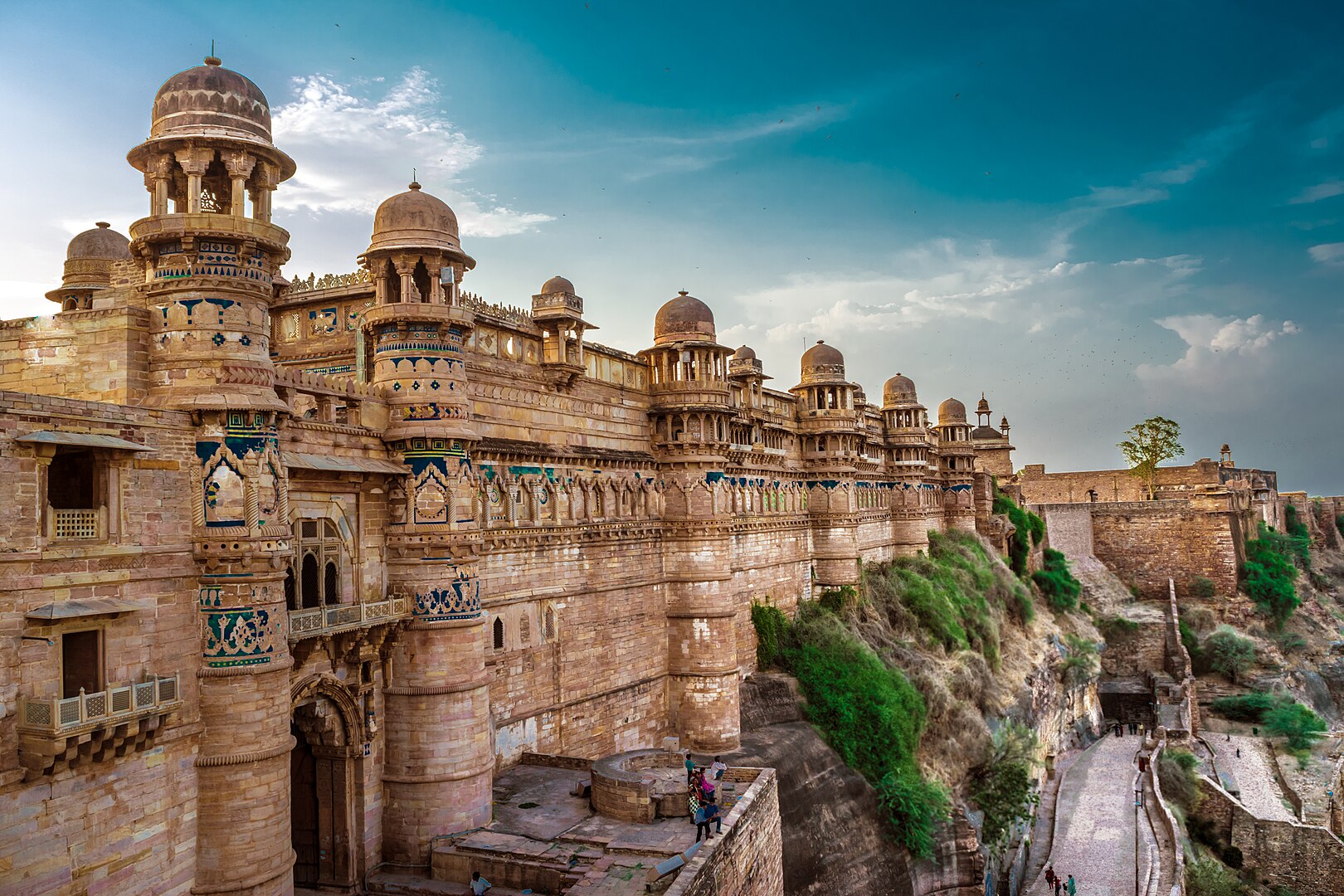
Dhar Fort showcases an impressive blend of Hindu, Islamic, and Afghan architectural influences. Built primarily from red sandstone, black basalt, and other locally available stones, the fort reflects the artistic traditions of the many rulers who occupied it over the centuries.
The fort has a rectangular layout and is protected by massive fortification walls that rise nearly 30 feet high. Its main entrance is located on the western side and leads visitors into a complex filled with historic structures.
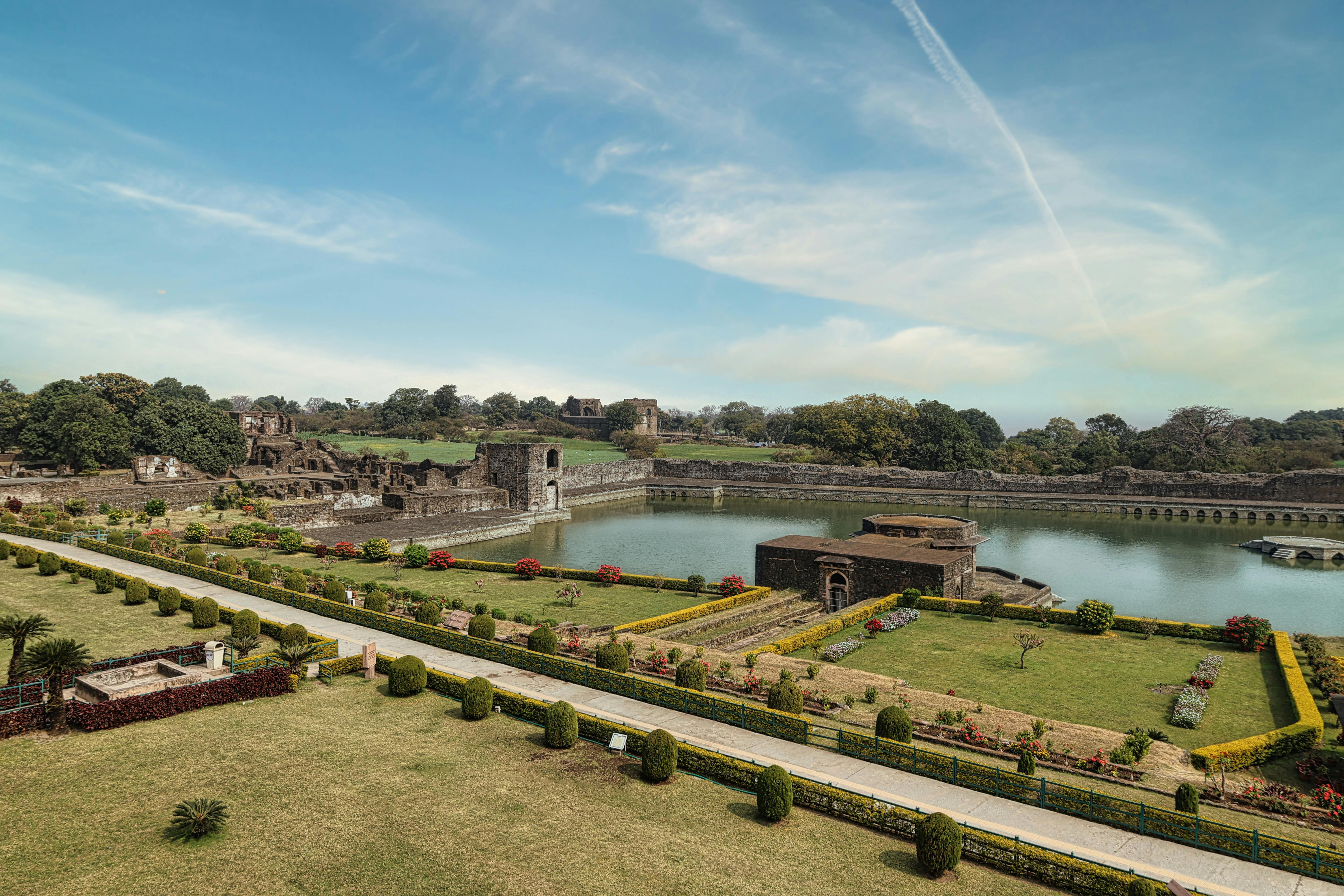
One of the most interesting features of the fort is its collection of ancient baolis, or stepwells, which were once used for storing water, drinking, and bathing. These engineering marvels demonstrate the importance of water management in medieval India.
Inside the fort stands the Sheesh Mahal, a palace associated with the Mughal period. The structure is known for its elegant design and decorative glasswork. Another notable monument is the Kharbuja Mahal, named after its distinctive muskmelon-shaped dome. Built during the 16th century, it remains one of the fort’s most recognizable landmarks.
As you walk through the fort, you’ll encounter ruined palaces, courtyards, gateways, and watchtowers, each narrating a different chapter of Dhar’s rich history.
Why Visit Dhar Fort?
Dhar Fort is a must-visit destination for anyone interested in history, architecture, and heritage tourism. Unlike some of the more crowded historical sites in Madhya Pradesh, the fort offers a peaceful atmosphere where visitors can explore at their own pace.
The panoramic views of Dhar town from the fort walls, combined with its fascinating stories of kings, warriors, scholars, and freedom fighters, make it a rewarding destination. Whether you’re a history enthusiast, photographer, or cultural traveler, Dhar Fort provides a memorable glimpse into the legacy of the Malwa kingdom.
Best Time to Visit
The ideal time to visit Dhar Fort is between July and March.
During the monsoon season, the surrounding landscape becomes lush and green, creating beautiful views from the fort. Winter months from October to February offer pleasant weather for sightseeing and exploring the fort complex comfortably.
It is advisable to avoid visiting during the peak summer months, as temperatures in the region can become quite high.
How to Reach Dhar Fort
By Air
The nearest airport is Devi Ahilya Bai Holkar Airport in Indore, located about 65 km from Dhar. Taxis and buses are readily available from the airport to Dhar town.
By Rail
The nearest major railway station is Indore Junction, which is well connected to cities such as Delhi, Mumbai, Ahmedabad, Bhopal, and Jaipur. From the station, visitors can hire a taxi or take a bus to Dhar.
By Road
Dhar is well connected by road to Indore, Mandu, Ujjain, and other cities in Madhya Pradesh. Regular state transport and private buses operate between Dhar and nearby towns. The fort is located within Dhar city and can be easily reached by local auto-rickshaws and taxis.
Nearby Attractions
Bhoj Shala
One of Dhar’s most important historical and cultural landmarks, Bhoj Shala is associated with Raja Bhoj and is known for its intricate stone carvings and historical significance.
Dhar Museum
Located near the fort, the museum houses a collection of sculptures, inscriptions, coins, and artifacts that showcase the rich heritage of the Malwa region.
Mandu
Situated about 35 km from Dhar, Mandu is famous for its magnificent Afghan architecture, including Jahaz Mahal, Hindola Mahal, and Rani Roopmati’s Pavilion.
Bagh Caves
These ancient Buddhist rock-cut caves are known for their beautiful murals and offer insight into India’s artistic and religious history.
Lath Masjid
A historic mosque built during the Delhi Sultanate period, known for its unique architecture and towering iron pillar.
Maps
FAQs
What is Dhar Fort famous for?
Dhar Fort is famous for its association with Raja Bhoj, its blend of Hindu, Mughal, and Afghan architecture, and its role in several important historical events.
Who built Dhar Fort?
The fort was originally built by Raja Bhoj of the Parmar dynasty during the 11th century and was later expanded and fortified by subsequent rulers.
How much time is needed to explore Dhar Fort?
Most visitors spend around 1 to 2 hours exploring the fort and its various structures.
Is Dhar Fort suitable for photography?
Yes. The fort offers excellent photography opportunities, especially its ancient architecture, gateways, stepwells, and panoramic views of the surrounding town.
Can Dhar Fort be visited along with Mandu?
Absolutely. Many travelers combine Dhar Fort and Mandu in a single itinerary since both destinations are located close to each other.
What is the best season to visit Dhar Fort?
The monsoon and winter seasons, from July to March, are considered the best times to visit due to the pleasant weather and scenic surroundings.