Image Source:pranjal paul chowdhury
About Beejamandal Temple
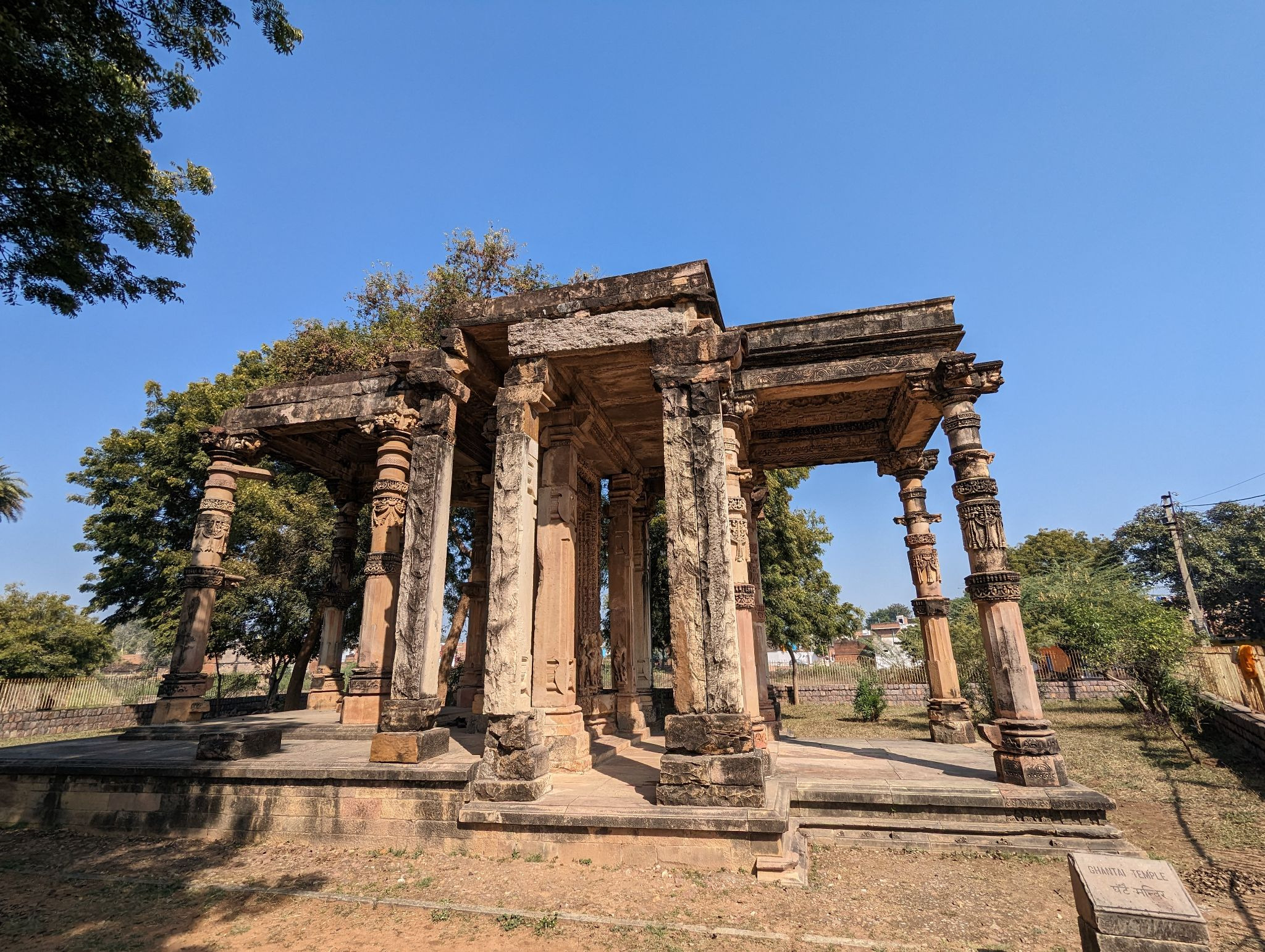
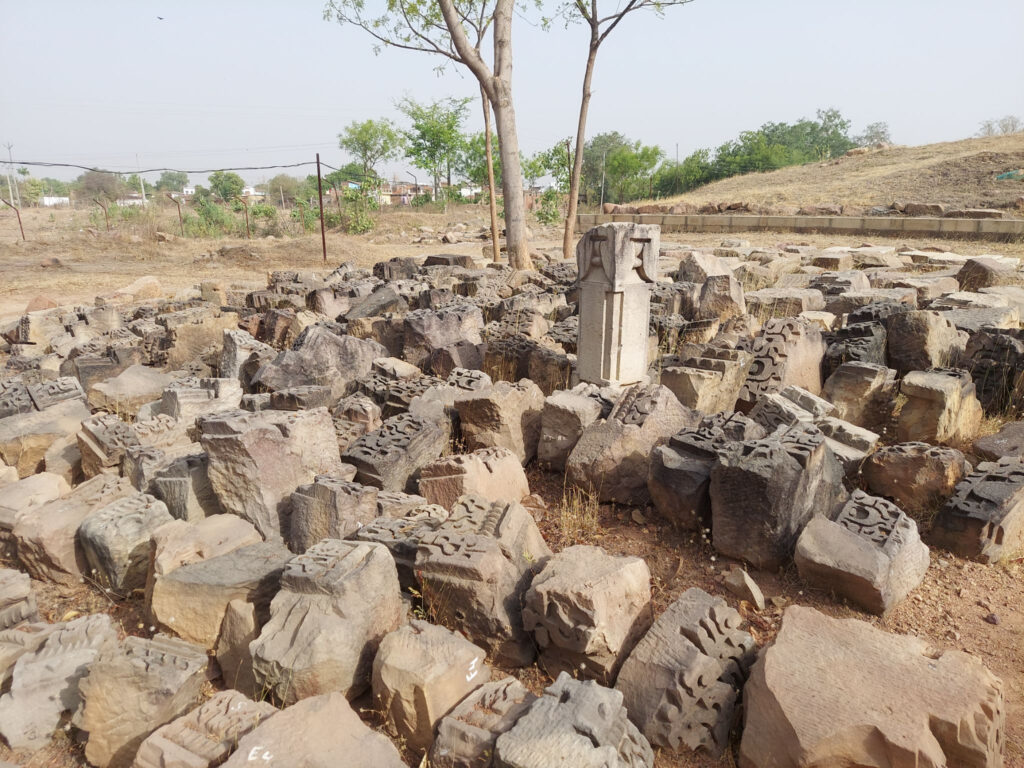
Nestled within the historic temple landscape of Khajuraho Group of Monuments, the Beejamandal Temple remains one of the region’s most intriguing hidden treasures. Unlike the fully restored temples that attract thousands of visitors every year, Beejamandal carries an air of mystery. Partially excavated and still surrounded by traces of ancient earth mounds, the site offers a fascinating glimpse into a forgotten chapter of medieval Indian history.
Historians believe that once completely uncovered, Beejamandal may prove to be one of the largest temples in Khajuraho. Archaeological estimates suggest the structure stretches nearly 30 meters in length, potentially rivaling or even surpassing the grandeur of the famous Kandariya Mahadeva Temple. Though much of the temple remains in ruins, the surviving remains continue to reflect the artistic brilliance and spiritual depth of the Chandela era.
The Hidden Temple Beneath the Earth
For centuries, Beejamandal Temple lay buried beneath a massive mound of soil and debris. It was one of nearly eighteen unexplored mounds scattered around the Khajuraho region, silently hiding the remnants of an ancient civilization. Local villagers, guided by long-standing beliefs and traditions, considered the mound sacred and would reportedly light oil lamps there every evening. These traditions kept the memory of the site alive even when its true identity had faded with time.
Archaeologists and historians later became interested in the mound, and extensive studies connected the site to references found in ancient inscriptions. Scholars such as Alexander Cunningham and historian Phanikanta Mishra identified Beejamandal as the possible Vaidyanath Temple mentioned in the ancient Grihapati Kokala inscriptions. The discovery added enormous historical importance to the site, linking it to the powerful Chandela dynasty that once ruled the region.
In 1999, the site was officially opened to the public, allowing visitors to witness the remains of this remarkable temple complex. Even today, ongoing archaeological work continues to reveal new details about its structure and significance.
Architecture and Artistic Beauty
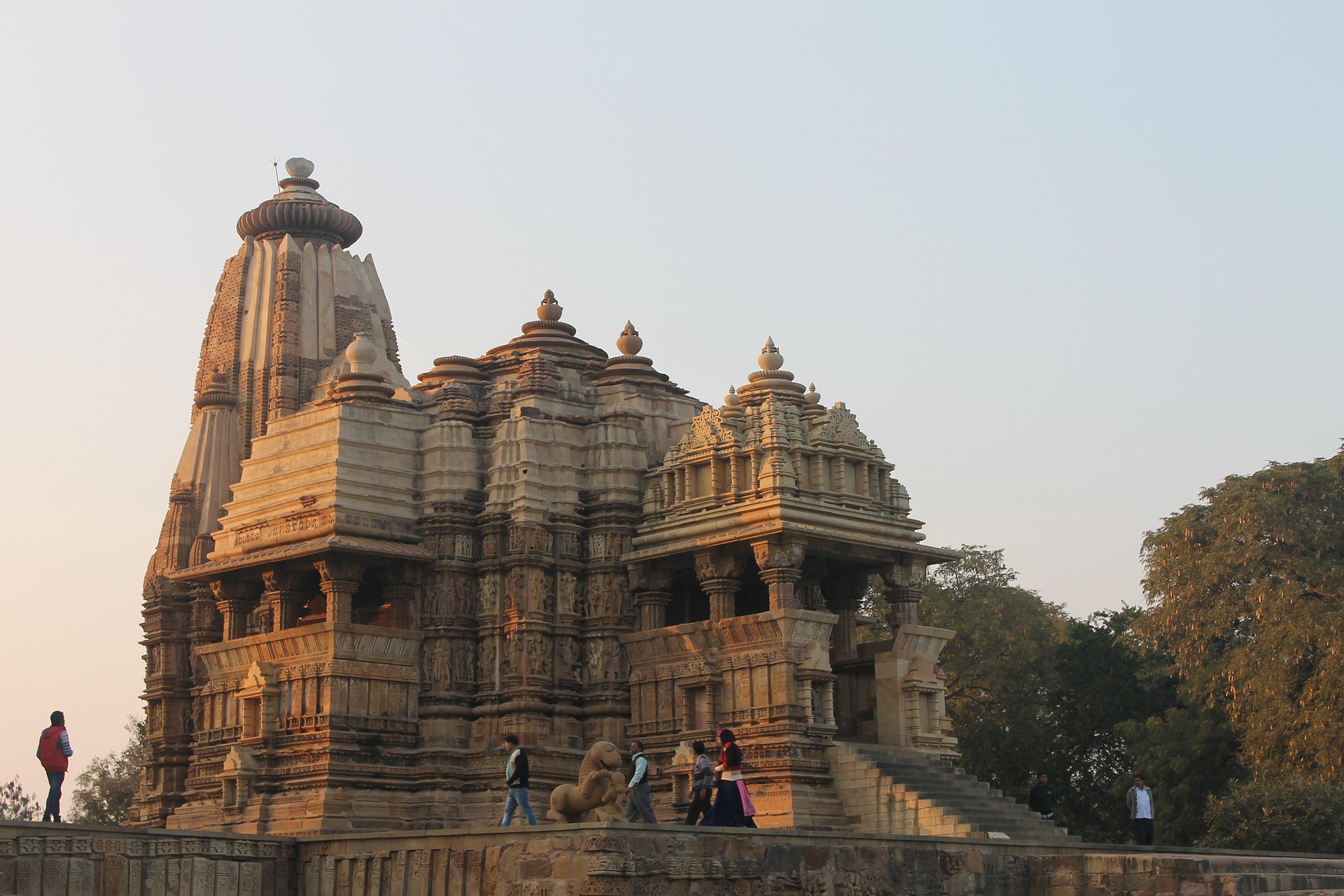
Although much of Beejamandal Temple remains incomplete or damaged, the surviving architectural fragments reveal extraordinary craftsmanship. The temple showcases features associated with the classic Khajuraho style while also displaying influences believed to be inspired by Southeast Asian artistic traditions.
Scattered across the site are beautifully carved pillars, stone blocks, decorative panels, and sculptures that once adorned the temple walls. Many carvings depict animals, divine figures, floral motifs, and geometric patterns, highlighting the exceptional skill of the artisans who worked on the structure centuries ago. The temple’s layout and remaining architectural elements suggest that it was originally designed as a grand Shaivite shrine dedicated to Lord Shiva and Goddess Parvati.
The intricate stonework found here demonstrates how deeply art, spirituality, and architecture were connected during the medieval period. Even in its ruined state, the temple manages to leave visitors amazed by the scale of ambition and devotion behind its construction.
Spiritual and Historical Importance
Beejamandal Temple is more than just an archaeological site—it is a place where history, mythology, and spirituality blend together. Many historians believe the temple once served as an important center of worship during the Chandela period. The discovery of Shiva-related symbols and sculptures strengthens the belief that it was dedicated primarily to Lord Shiva.
The peaceful surroundings of the temple add to its spiritual atmosphere. Unlike the more crowded monuments of Khajuraho, Beejamandal offers a quieter and more reflective experience. Visitors often come here not only to explore history but also to experience the calmness and timeless charm of the ancient ruins.
Best Time to Visit Beejamandal Temple
The best time to visit Beejamandal Temple is between October and March, when the weather in Khajuraho remains pleasant and comfortable for sightseeing. Early mornings and late afternoons are especially ideal, as the softer sunlight enhances the beauty of the stone carvings and creates a peaceful atmosphere around the site.
The temple generally remains open from 6:00 AM to 5:00 PM. Visitors interested in archaeology, photography, architecture, or spiritual heritage often spend time exploring the surrounding temple complex as well.
How to Reach Beejamandal Temple
Beejamandal Temple is located close to the main Khajuraho temple complex in Madhya Pradesh. Khajuraho is well connected by road, rail, and air to major cities in India.
- The nearest airport is Khajuraho Airport.
- The nearest railway station is Khajuraho Railway Station.
- Local taxis, auto-rickshaws, and bicycles are commonly used to explore the temples around the town.
Nearby Attractions to Beejamandal Temple
- Jahaz Mahal Mandu Dhar – Mandu’s most iconic monument, famous for its ship-like architecture situated between two lakes.
- Hindola Mahal – Known as the “Swinging Palace” because of its sloping walls and impressive Afghan-style architecture.
- Hoshang Shah’s Tomb – India’s first marble mausoleum and an architectural inspiration for the Taj Mahal.
- Roopmati Pavilion – A scenic hilltop pavilion offering panoramic views of the Narmada Valley and the surrounding countryside.
- Baz Bahadur’s Palace – The historic palace associated with the legendary love story of Baz Bahadur and Rani Roopmati.
- Champa Baoli – An ancient stepwell complex renowned for its cool underground chambers and historical significance.
- Dai- Ka- Mahal – A lesser-known but architecturally interesting mausoleum from the Mandu Sultanate period.
- Kakda Kho Water Fall – A beautiful seasonal waterfall surrounded by lush greenery, especially attractive during and after the monsoon.
- Rani Roopmati Palace – A historic viewpoint and palace linked to Mandu’s most celebrated queen.
- Mahmud Khilji’s Tomb – An elegant tomb showcasing the architectural heritage of the Malwa Sultanate.
Location of Beejamandal Temple
FAQs
1. Where is Beejamandal Temple located?
Beejamandal Temple is located in Khajuraho, Madhya Pradesh, near the famous Khajuraho temple complex.
2. Why is Beejamandal Temple famous?
The temple is famous for being a partially excavated ancient shrine that may have once been one of the largest temples in Khajuraho.
3. Which deity was worshipped in Beejamandal Temple?
Historians believe the temple was primarily dedicated to Lord Shiva and Goddess Parvati.
4. Is Beejamandal Temple fully excavated?
No, much of the temple still remains buried, and archaeological studies continue to uncover new details about the site.
5. What are the visiting timings of Beejamandal Temple?
The temple is generally open from 6:00 AM to 5:00 PM.
6. What is the best time to visit Beejamandal Temple?
The ideal time to visit is during the winter months from October to March when the weather is pleasant.
7. Can photography be done at the temple?
Yes, photography is usually allowed, and the site is particularly popular among history and architecture enthusiasts.
8. Who identified the temple with the Vaidyanath Temple inscriptions?
Archaeologists and historians such as Alexander Cunningham and Phanikanta Mishra connected the site with the Vaidyanath Temple mentioned in ancient inscriptions.