Image Source: Rajat Saha
About St. Paul’s Church
Located in the heart of Diu, St. Paul’s Church is one of the most beautiful and historically significant churches on India’s western coast. Built in 1601 during Portuguese rule, the church has stood for more than four centuries as a symbol of faith, art, and colonial heritage. Its magnificent white façade, intricate carvings, and peaceful atmosphere make it one of Diu’s most visited landmarks.
Even today, the church remains an active place of worship and continues to attract pilgrims, history enthusiasts, architecture lovers, and photographers from across the country. Whether you are interested in colonial history or simply wish to experience a tranquil spiritual setting, St. Paul’s Church offers a memorable glimpse into Diu’s Portuguese past.
Historical Background
The history of St. Paul’s Church is closely linked with the Portuguese presence in Diu. After establishing control over the island in the 16th century, the Portuguese built several churches and fortifications that transformed Diu into an important colonial settlement.
Dedicated to St. Paul the Apostle, the church was constructed by Jesuit missionaries and became a major center of religious and community life for Portuguese residents. Over the centuries, it witnessed the rise and decline of Portuguese influence in India while continuing to serve as a place of prayer and devotion.
Remarkably, despite its age, the church has been preserved exceptionally well and remains one of the finest examples of Portuguese Baroque architecture in the country.
Architecture and Design
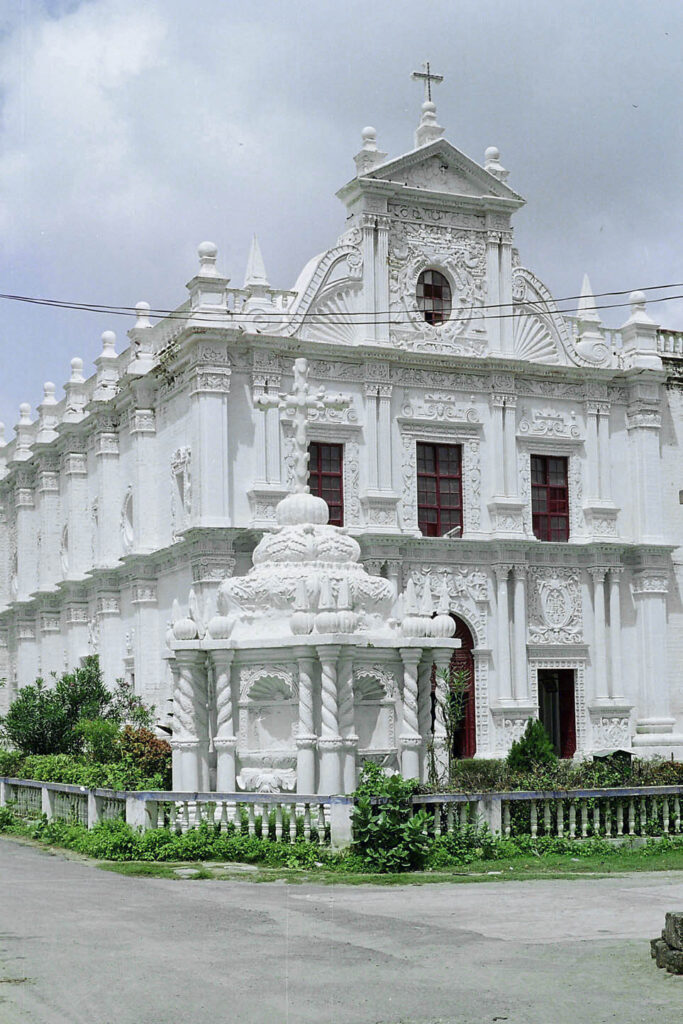
One of the first things visitors notice is the church’s stunning white façade. Richly decorated with floral patterns, scrollwork, and religious motifs, it showcases the elaborate artistic style that defined Portuguese Baroque architecture.
Magnificent Façade
The front elevation is adorned with detailed stone carvings that create an elegant and almost lace-like appearance. The craftsmanship is particularly striking during sunrise and sunset when the sunlight highlights the intricate details.
Elegant Interiors
Stepping inside reveals a spacious prayer hall filled with natural light. The high vaulted ceiling, graceful arches, and serene atmosphere create a sense of grandeur without overwhelming visitors.
Ornate Wooden Altars
The church houses beautifully carved wooden altars decorated with statues of saints and religious artwork. The main altar dedicated to St. Paul is especially impressive and remains the focal point of the church.
Colonial-Era Woodwork
Many original wooden elements, including doors, pews, and decorative panels, have survived through the centuries. These pieces showcase the exceptional craftsmanship of Portuguese artisans and local craftsmen.
Bell Tower
The church’s bell tower rises above the surrounding area and historically served to call worshippers for prayer and religious ceremonies. It remains an important architectural feature of the complex.
Visitor Experience
A visit to St. Paul’s Church is both a cultural and spiritual experience. The quiet surroundings provide a welcome escape from the busy tourist spots of Diu. Visitors often spend time admiring the detailed architecture, exploring the interiors, and learning about the island’s colonial heritage.
Photography enthusiasts are particularly drawn to the church because of its elegant façade and well-preserved interiors. During major Christian festivals such as Christmas and Easter, the church becomes especially vibrant, with special decorations, prayers, and celebrations attracting locals and tourists alike.
The church is beautifully illuminated in the evening, making it an excellent time to appreciate its architectural details and peaceful ambiance.
Local Significance
St. Paul’s Church is more than just a historical monument. It represents the unique cultural blend that defines Diu, where Indian traditions and Portuguese influences coexist harmoniously. Along with Diu Fort and other colonial structures, the church helps preserve the island’s distinct identity and rich heritage.
Many local residents consider it one of the most cherished landmarks in Diu, and it continues to play an active role in community and religious life.
How to Reach St. Paul’s Church
By Air
The nearest airport is Diu Airport, located approximately 7 km from the church. Taxis and auto-rickshaws are readily available from the airport and can reach the church within 15–20 minutes.
By Rail
The nearest major railway station is Veraval Railway Station in Gujarat, about 90 km from Diu. From Veraval, visitors can hire taxis or board buses to reach Diu.
By Road
Diu enjoys good road connectivity with major cities in Gujarat, including Veraval, Somnath, Junagadh, Rajkot, and Ahmedabad. Regular state transport and private buses operate to Diu, while taxis and auto-rickshaws are easily available within the town.
Local Transportation
Once in Diu, visitors can use rental scooters, bicycles, auto-rickshaws, or taxis to reach the church. Since most attractions in Diu are located within a short distance of each other, sightseeing is convenient and enjoyable.
Nearby Attractions
Diu Fort (Approx. 2 km)
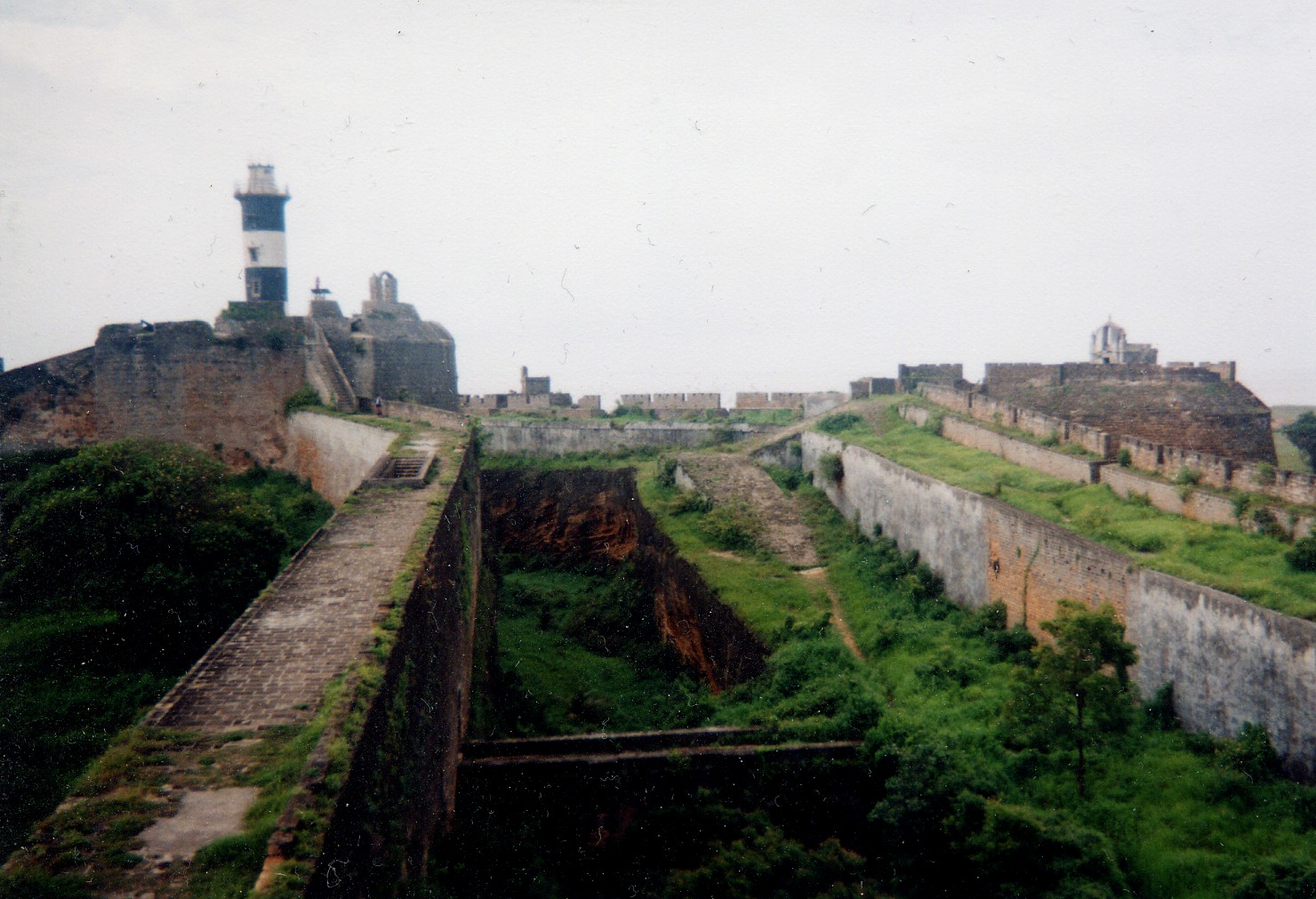
One of Diu’s most famous landmarks, Diu Fort offers magnificent views of the Arabian Sea, historic cannons, and impressive Portuguese military architecture.
St. Thomas Church and Diu Museum (Approx. 1 km)
A former church converted into a museum showcasing antique sculptures, inscriptions, and artifacts related to Diu’s history and culture.
Naida Caves (Approx. 2 km)
An intriguing network of naturally formed and man-made rock formations known for their unique passages, light effects, and photography opportunities.
Panikotha Fort
Located offshore in the Arabian Sea, this small sea fort provides scenic views and reflects Diu’s maritime heritage.
Ghoghla Beach (Approx. 5 km)
One of the cleanest and most popular beaches in Diu, known for its golden sands, water sports, and beautiful sunsets.
INS Khukri Memorial
A memorial dedicated to the Indian Navy warship INS Khukri and the brave sailors who lost their lives during the 1971 Indo-Pak War.
Best Time to Visit
The ideal time to visit St. Paul’s Church is between October and March when the weather remains pleasant and comfortable for sightseeing. Early mornings and evenings offer the best experience, with cooler temperatures and excellent lighting for photography.
Google Maps
FAQs
1. Why is St. Paul’s Church famous?
St. Paul’s Church is famous for its magnificent Portuguese Baroque architecture, intricate façade, historical significance, and status as one of the best-preserved colonial churches in India.
2. When was St. Paul’s Church built?
The church was completed in 1601 during the Portuguese colonial period in Diu.
3. Is St. Paul’s Church still active for worship?
Yes. The church continues to function as an active place of worship and regularly hosts religious services and special celebrations.
4. Is there an entry fee to visit St. Paul’s Church?
Generally, visitors can enter the church free of charge, although donations for maintenance are welcomed.
5. What is the best time to visit the church?
The months from October to March are ideal. Early morning and evening visits are particularly rewarding due to pleasant weather and beautiful lighting.
6. How much time is needed to explore St. Paul’s Church?
Most visitors spend around 30 minutes to 1 hour exploring the church and appreciating its architecture and historical significance.
7. Can photography be done inside the church?
Photography is generally allowed, but visitors should remain respectful and follow any guidelines issued by church authorities, especially during prayer services.