Introduction
The heart of India is filled with remarkable treasures—majestic forts, ancient temples, dense forests, winding rivers, and centuries of history waiting to be explored. Among these treasures lies a fascinating monument that may not appear as grand as some of the country’s famous temples, yet it holds immense historical and architectural significance. Teli Ka Mandir, located within the imposing Gwalior Fort in Madhya Pradesh, is one such hidden gem.
Dedicated originally to Lord Vishnu and later associated with Shaivite traditions, this ancient temple stands as a remarkable example of India’s architectural diversity. Its unusual design, rich carvings, and intriguing history make it one of the most important monuments inside Gwalior Fort.
History and Origin of the Name
The origin of the name “Teli Ka Mandir” has puzzled historians for centuries. Several theories attempt to explain how the temple received its name.
One popular belief suggests that the temple was constructed by members of the Teli community, traditionally known as oil merchants, rather than by a ruling king. Another theory connects the name to the Rashtrakuta rulers who captured Gwalior Fort during the 8th century and appointed Telanga Brahmins to oversee religious activities in the temple. A third explanation links the temple’s name to the Telangana region, indicating possible southern architectural influences and cultural connections.
Historians generally agree that the temple was built around 850 CE during the reign of the Gurjara-Pratihara ruler Mihira Bhoja. It is among the oldest surviving monuments in Madhya Pradesh and showcases a unique architectural style rarely seen elsewhere in India.
Architecture of Teli Ka Mandir
Teli Ka Mandir is one of the tallest temples in Gwalior, rising to nearly 100 feet. What makes it truly special is its extraordinary fusion of North Indian Nagara architecture and South Indian Dravidian architectural elements.
Unlike most Hindu temples, Teli Ka Mandir does not have a traditional mandapa or pillared hall. Instead, the temple features a rectangular sanctum crowned by a massive barrel-vaulted roof that rises nearly 30 feet above the structure. This distinctive roof resembles the Dravidian style commonly found in South India, while the decorative elements and carvings reflect the Nagara tradition of North India.
The temple’s exterior walls are adorned with intricate carvings depicting divine figures, floral motifs, celestial beings, and representations of the sacred rivers Ganga and Yamuna. The beautifully sculpted entrance doorway is among the temple’s most impressive features. Garuda, the vehicle of Lord Vishnu, is depicted on the outer entrance, while Lord Ganesha adorns the inner doorway.
Although time and invasions have damaged parts of the temple, its architectural grandeur remains striking even today.
The Temple During Medieval Invasions
Like many historic monuments in northern India, Teli Ka Mandir witnessed periods of destruction during medieval invasions. During the reigns of Qutb-ud-din Aibak and Iltutmish, portions of the temple suffered damage. Historical records indicate that some of the temple’s architectural elements were reused in nearby structures.
Over the centuries, natural weathering and neglect further contributed to the monument’s deterioration. Despite these challenges, much of the temple survived, allowing future generations to appreciate its artistic and historical value.
Conservation and Restoration
By the nineteenth century, Teli Ka Mandir had fallen into a state of considerable disrepair. Restoration efforts began under British administration, with significant support from officers stationed in Gwalior. These conservation measures helped stabilize the structure and preserve many of its original features.
Today, the Archaeological Survey of India (ASI) maintains the temple and ensures its protection as an important cultural heritage site.
How to Reach Teli Ka Mandir
Teli Ka Mandir is located inside the historic Gwalior Fort, one of the most famous landmarks in Madhya Pradesh.
By Air
The nearest airport is Rajmata Vijaya Raje Scindia Airport in Gwalior, situated approximately 15 km from the fort. Taxis and auto-rickshaws are readily available from the airport.
By Train
Gwalior Junction is one of the major railway stations in central India and is well-connected to cities such as Delhi, Agra, Bhopal, Mumbai, and Jhansi. From the station, the fort is about 8 km away.
By Road
Gwalior enjoys excellent road connectivity through national highways. Local taxis, auto-rickshaws, and app-based cab services can easily take visitors to Gwalior Fort.
Reaching the Temple Inside the Fort
After entering Gwalior Fort, visitors can either walk through the fort complex or use local transport available near the main entrance to reach Teli Ka Mandir.
Timings and Entry Fee
Timings: 8:00 AM to 6:00 PM (Open all days)
Entry Fee: Included with the Gwalior Fort/ASI monument ticket. Charges may vary, so visitors are advised to check the latest rates before their visit.
Nearby Attractions
Gwalior Fort
Known as the “Gibraltar of India,” this magnificent hilltop fort offers stunning views and houses several historical monuments.
Sas Bahu Temple
A beautifully carved 11th-century temple complex renowned for its intricate architecture and detailed sculptures.
Man Singh Palace
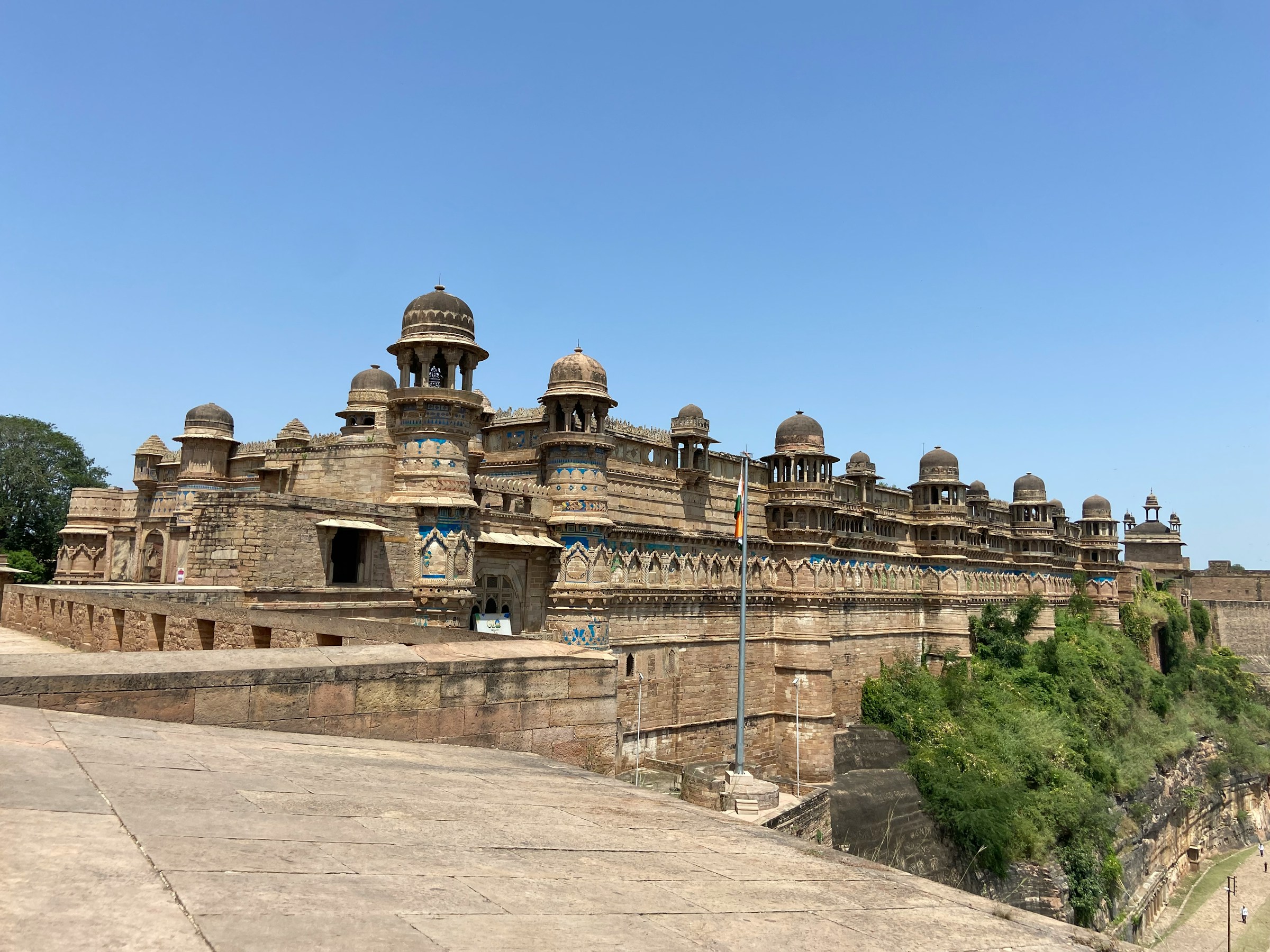
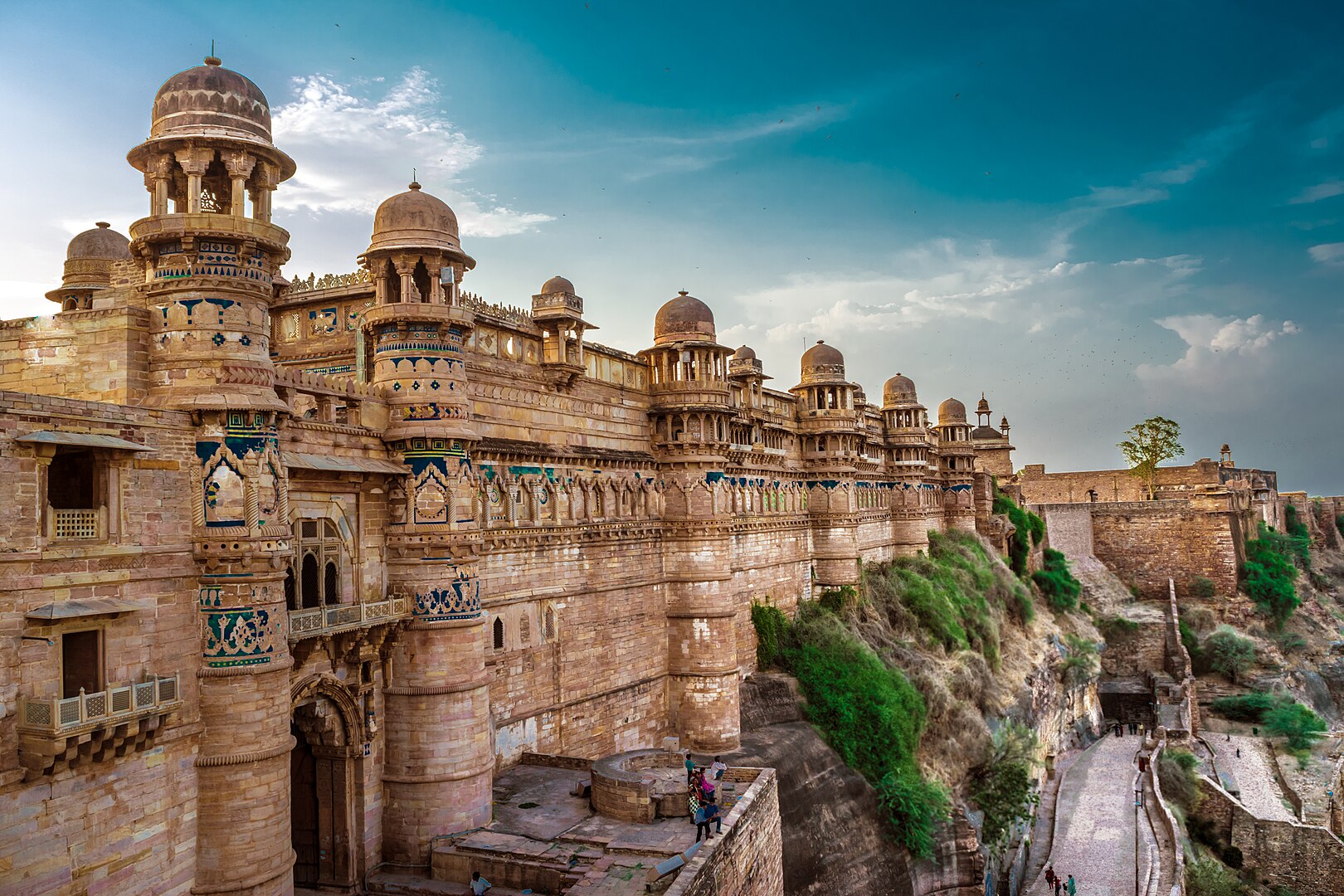
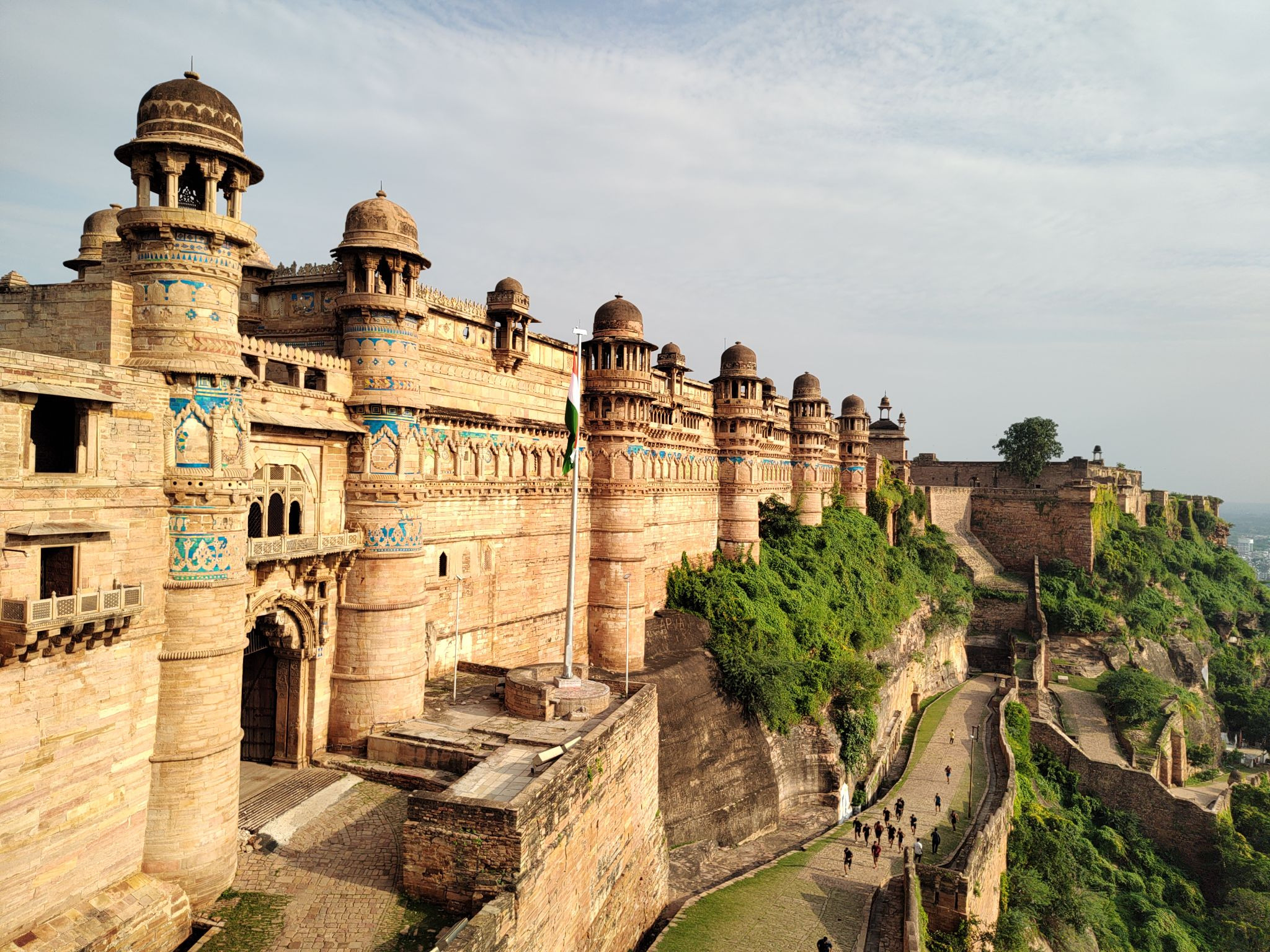
One of the most spectacular structures within Gwalior Fort, famous for its colorful tile work and royal history.
Gujari Mahal Archaeological Museum
A historic palace converted into a museum displaying rare sculptures and artifacts from different periods.
Jai Vilas Palace
A grand royal residence featuring European-inspired architecture, lavish interiors, and a fascinating museum.
Gopachal Parvat
Known for its colossal rock-cut Jain statues carved into the hillside, making it an important pilgrimage and heritage site.
FAQs
1. Why is Teli Ka Mandir famous?
The temple is famous for its unique blend of North Indian and South Indian architectural styles, making it one of the most distinctive temples in India.
2. Who built Teli Ka Mandir?
Historians believe it was constructed around 850 CE during the reign of Gurjara-Pratihara ruler Mihira Bhoja.
3. Which deity is worshipped in Teli Ka Mandir?
The temple was originally dedicated to Lord Vishnu, although later additions suggest Shaivite influences as well.
4. Why is it called Teli Ka Mandir?
Several theories exist, including connections to the Teli community, Telanga Brahmins, and the Telangana region.
5. Is Teli Ka Mandir located inside Gwalior Fort?
Yes, the temple is situated within the historic Gwalior Fort complex.
6. What is unique about the temple’s architecture?
Its combination of Nagara and Dravidian architectural elements is extremely rare and distinctive.
7. Does the temple have a mandapa?
No. Unlike most Hindu temples, Teli Ka Mandir does not feature a traditional mandapa or pillared assembly hall.
8. How much time is needed to explore the temple?
Visitors generally spend 30–45 minutes exploring the temple and admiring its carvings.
9. What is the best time to visit?
October to March is considered the best time due to pleasant weather conditions.
10. Can photography be done at Teli Ka Mandir?
Yes, photography is generally allowed for personal use, although visitors should follow any ASI guidelines in place during their visit.