Image Source: NILESH
About Pitalkhora Caves
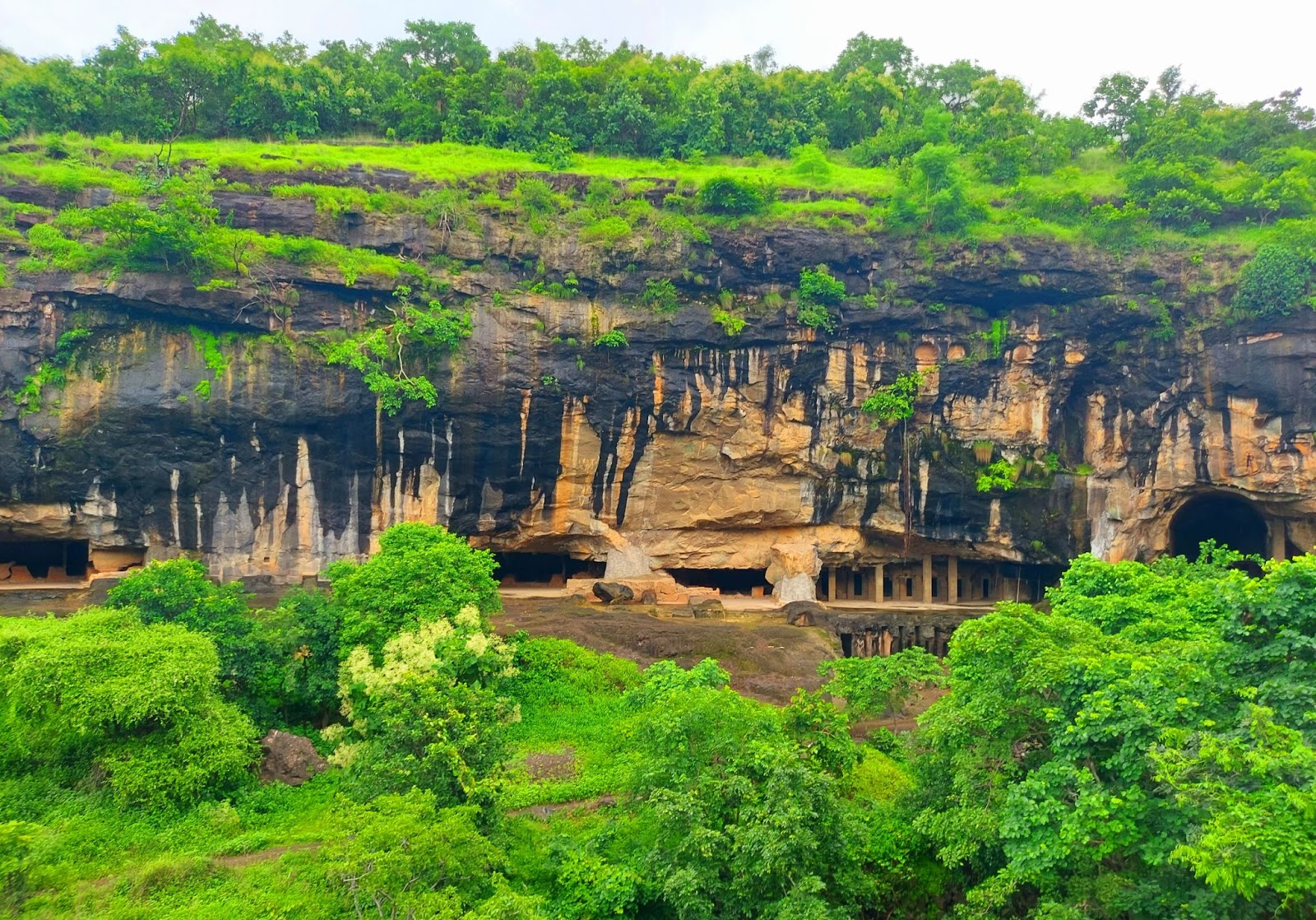
Hidden deep within the rugged Satmala ranges of Maharashtra, the Pitalkhora Caves are among the oldest rock-cut Buddhist cave complexes in India. Located near Ambala village in the Aurangabad region, these ancient caves sit quietly inside a scenic valley surrounded by forests, waterfalls, and rocky cliffs. Though less famous than the nearby Ajanta and Ellora caves, Pitalkhora holds immense historical and artistic importance and offers a far more peaceful and raw experience for travelers.
Dating back to around the 2nd century BCE, the caves are considered one of the earliest examples of Buddhist rock-cut architecture in western India. The caves were carved directly into basalt rock, a material that naturally erodes over time, which explains why many parts of the complex have weathered significantly. Even today, however, the surviving sculptures, carvings, and architectural remains reveal the remarkable craftsmanship of ancient artisans.
The cave complex consists of 14 Buddhist caves that once served as monasteries, prayer halls, and meditation spaces for monks traveling through the Deccan trade routes. The caves reflect influences from both the Hinayana and Mahayana phases of Buddhism. While the original structures belong largely to the Hinayana tradition, later additions such as Buddha images and paintings belong to the Mahayana period.
Historical and Artistic Significance
Pitalkhora is not just an archaeological site; it is a window into ancient India’s spiritual and artistic traditions. The caves contain intricately carved pillars, chaityas (prayer halls), viharas (monasteries), and beautiful sculptures that showcase the evolution of Buddhist art over centuries.
Several carvings found here resemble artistic styles seen at famous Buddhist sites like Karla, Sanchi, and Nasik. Sculptures of yakshas, dwarapalas (guardian figures), and mithuna figures reflect the artistic richness of that era. Some of the caves once contained vibrant murals and paintings, traces of which can still be seen on certain walls and pillars.
Archaeologists have also discovered inscriptions donated by merchants, rulers, and devotees from ancient Paithan, which was an important trading center during that period. These inscriptions provide valuable insight into the socio-economic and religious life of ancient Maharashtra.
The Enchanting Cave Complex
The Pitalkhora Caves are divided into two separate groups. The larger group contains 10 caves, while the smaller section has 4 caves. These caves include monasteries, meditation halls, and chaitya caves used for worship.
Many structures have been damaged over time due to natural weathering, heavy rainfall, and the fragile nature of basalt rock. Despite this, the layout of the complex still gives visitors a clear idea of how the site once functioned as a thriving Buddhist monastic center.
The caves are connected through pathways, staircases, and courtyards carved into the hillside. Walking through the complex feels like stepping into an ancient hidden settlement tucked away in the mountains.
Cave 3 – The Most Impressive Cave
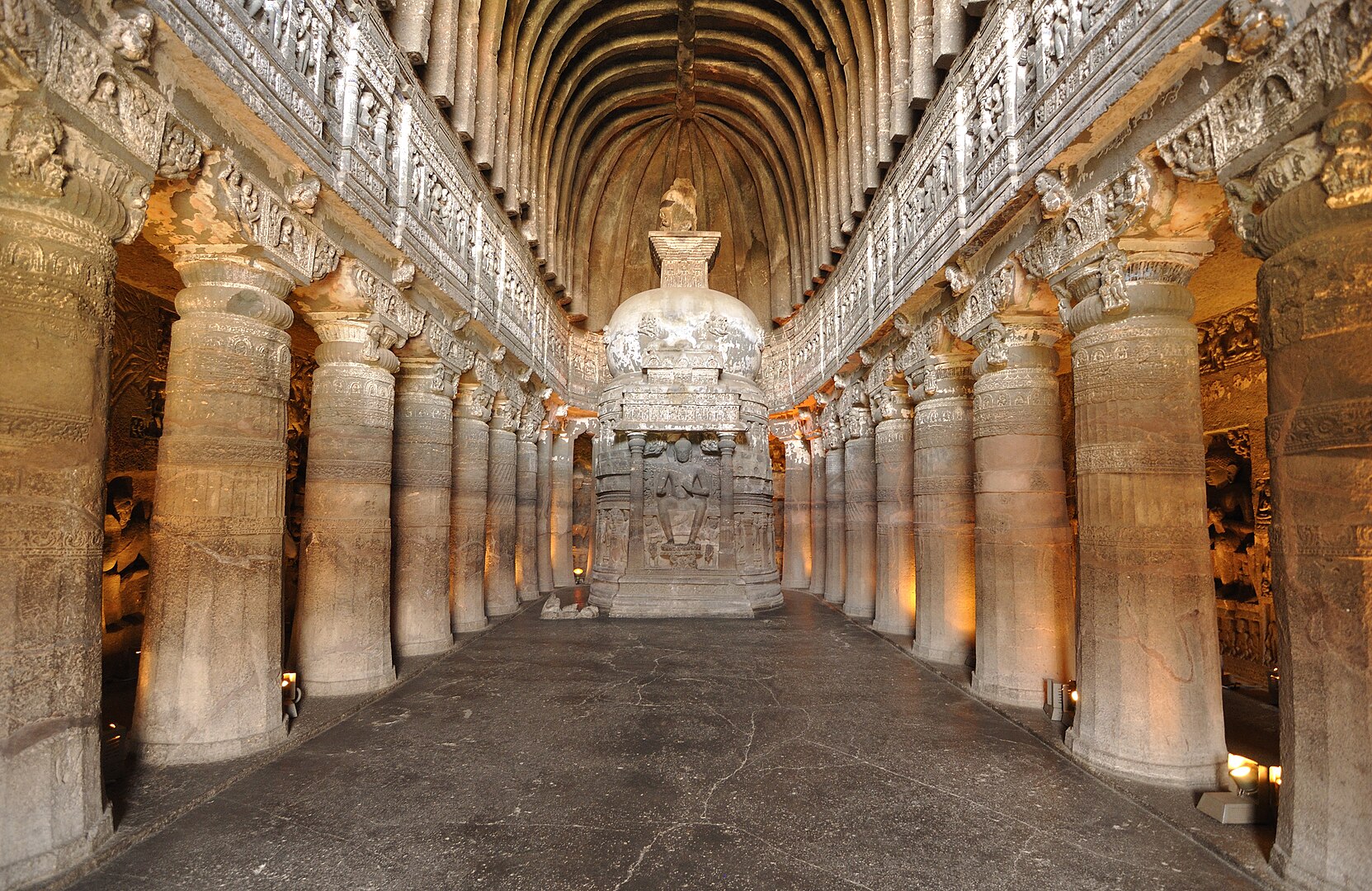
Among all the caves, Cave 3 is considered the most remarkable. It is known for its grand hall supported by 37 pillars that separate the aisle from the central prayer space. Although time has damaged portions of the cave, the scale and design still leave visitors amazed.
The pillars contain inscriptions added by rulers and patrons over different periods. Traces of Ajanta-style paintings can also be found here, including depictions of standing and seated Buddhas. These faded artworks offer a glimpse into the painting traditions that later flourished in Ajanta.
One of the fascinating aspects of Cave 3 is its underground section, where visitors can spot carvings, stupas, and chambers that once held sacred objects and rare crystals. The atmosphere inside the cave remains cool, silent, and deeply spiritual.
Cave 4 – Sculptures and Stories
Cave 4 is especially admired for its sculptural details. The walls feature carvings of elephants and horses alongside inscriptions left by donors who contributed to the cave’s construction and maintenance.
One of the notable artistic scenes here depicts Prince Siddhartha bidding farewell to his palace before beginning his spiritual journey toward enlightenment. This emotional representation highlights the storytelling tradition present in early Buddhist art.
Though partially damaged, the carvings still display exceptional detailing and reflect the skills of ancient craftsmen who worked with basic tools centuries ago.
Natural Beauty Around Pitalkhora
What makes Pitalkhora truly special is its dramatic natural setting. Unlike many crowded heritage sites, these caves are located inside a remote river valley surrounded by dense greenery and rocky hills.
Visitors must descend into the valley through a series of steps before crossing an iron bridge over a seasonal stream. This journey itself becomes part of the adventure. During the monsoon season, the entire landscape transforms into a lush green paradise filled with flowing waterfalls, mist-covered cliffs, and fresh mountain air.
The sound of birds, flowing water, and rustling leaves creates a peaceful atmosphere that perfectly complements the spiritual history of the caves. Photography enthusiasts and nature lovers especially enjoy visiting during or just after the rainy season.
Best Time to Visit
The ideal time to visit Pitalkhora Caves is between July and February. Monsoon months bring the waterfalls and greenery to life, making the surroundings incredibly scenic. Winter offers pleasant weather for exploring the caves comfortably.
Summer afternoons can become quite hot, especially while climbing and descending the stone pathways.
How to Reach Pitalkhora Caves
Pitalkhora Caves are located around 78 kilometers from Aurangabad in Maharashtra. The nearest major town is Kannad. Visitors usually travel by road from Aurangabad, which is well connected by trains, buses, and flights.
Private vehicles are the most convenient option because public transport to the caves is limited. The final stretch includes rural roads passing through small villages and scenic countryside.
Travel Tips for Visitors
- Wear comfortable shoes because the pathway involves walking, climbing, and descending steps.
- Carry drinking water and light snacks since there are limited shops near the caves.
- Visit during daytime as the area becomes isolated in the evening.
- Monsoon visits are beautiful, but the steps can become slippery.
- Respect the archaeological site by avoiding littering or touching fragile carvings.
Nearby Attractions from Pitalkhora Caves
Ellora Caves
Located about 70 km from Pitalkhora Caves, the UNESCO World Heritage-listed Ellora Caves are among India’s most celebrated rock-cut monuments. The site features Buddhist, Hindu, and Jain caves, including the magnificent Kailasa Temple carved from a single rock.
Daulatabad Fort
One of Maharashtra’s most impressive hill forts, Daulatabad Fort is renowned for its massive fortifications, ingenious defense systems, and breathtaking views from the summit.
Bibi Ka Maqbara
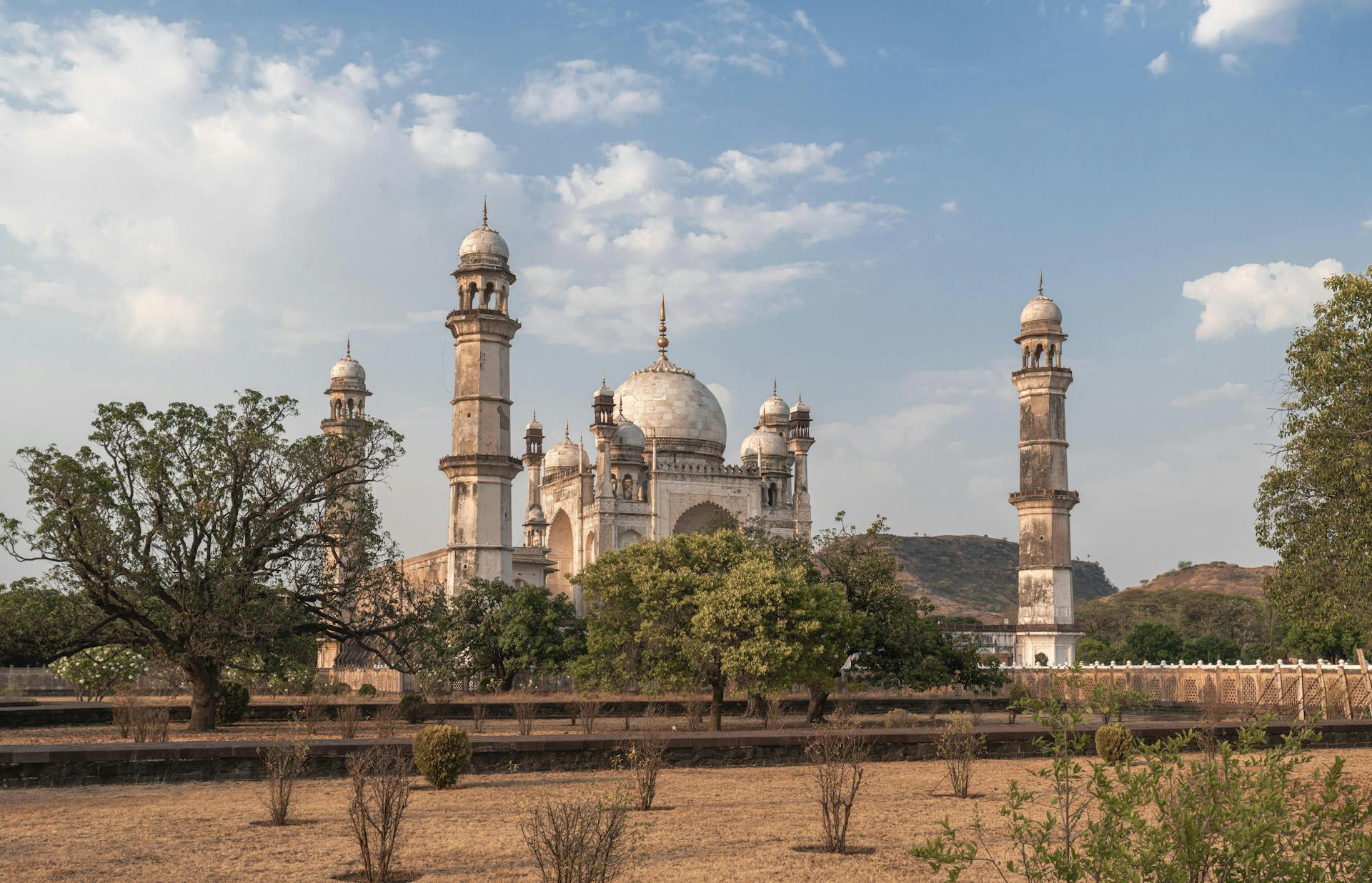
Often called the “Taj of the Deccan,” Bibi Ka Maqbara is a beautiful Mughal-era mausoleum built in memory of Dilras Banu Begum. Its elegant architecture and landscaped gardens make it a popular attraction near Chhatrapati Sambhajinagar.
Grishneshwar Temple
Situated near Ellora, Grishneshwar Temple is one of the twelve revered Jyotirlingas dedicated to Lord Shiva. The temple is known for its exquisite stone carvings and spiritual significance.
Aurangabad Caves
These ancient Buddhist caves showcase remarkable sculptures, intricate carvings, and centuries-old monastic architecture, offering visitors a glimpse into the region’s rich cultural heritage.
Gautala Autramghat Wildlife Sanctuary
Located close to Pitalkhora Caves, this scenic wildlife sanctuary is home to diverse flora and fauna, picturesque valleys, waterfalls, and trekking trails. It is an excellent destination for nature lovers and adventure enthusiasts.
Mhaismal Hill Station
Known as the “Mahabaleshwar of Marathwada,” Mhaismal offers lush green landscapes, cool weather during the monsoon season, and panoramic views of the surrounding hills and valleys.
Panchakki
A fascinating 17th-century water mill in Chhatrapati Sambhajinagar, Panchakki demonstrates the engineering brilliance of medieval India and remains a popular historical attraction.
Map and Location of Pitalkhora Caves
FAQs
1. Where are Pitalkhora Caves located?
Pitalkhora Caves are located near Ambala village in the Aurangabad district of Maharashtra, within the Satmala hill ranges.
2. How old are the Pitalkhora Caves?
The caves are believed to date back to the 2nd century BCE, making them among the oldest Buddhist rock-cut caves in India.
3. How many caves are there in Pitalkhora?
There are 14 caves in total, divided into two groups consisting of monasteries and prayer halls.
4. What is special about Cave 3?
Cave 3 is famous for its 37 pillars, inscriptions, ancient paintings, and underground carvings and stupas.
5. What is the best time to visit Pitalkhora Caves?
The best time to visit is during the monsoon and winter seasons, especially from July to February.
6. Are Pitalkhora Caves related to Ajanta and Ellora?
Although separate sites, Pitalkhora is historically linked to the early development of Buddhist rock-cut architecture that later evolved in Ajanta and Ellora.
7. Is trekking required to reach the caves?
A short walk with steps and pathways is required to reach the caves, but it is manageable for most visitors.
8. Are guides available at the caves?
Local guides may sometimes be available, but many visitors explore the site independently.
9. Is photography allowed inside Pitalkhora Caves?
Yes, photography is generally allowed, making it a great destination for history and landscape photography.
10. Why are Pitalkhora Caves less famous than Ajanta and Ellora?
Their remote location and weather-damaged condition make them less visited, but they remain historically and artistically significant.