Image Source: Prabhakar
About Ratangad Fort
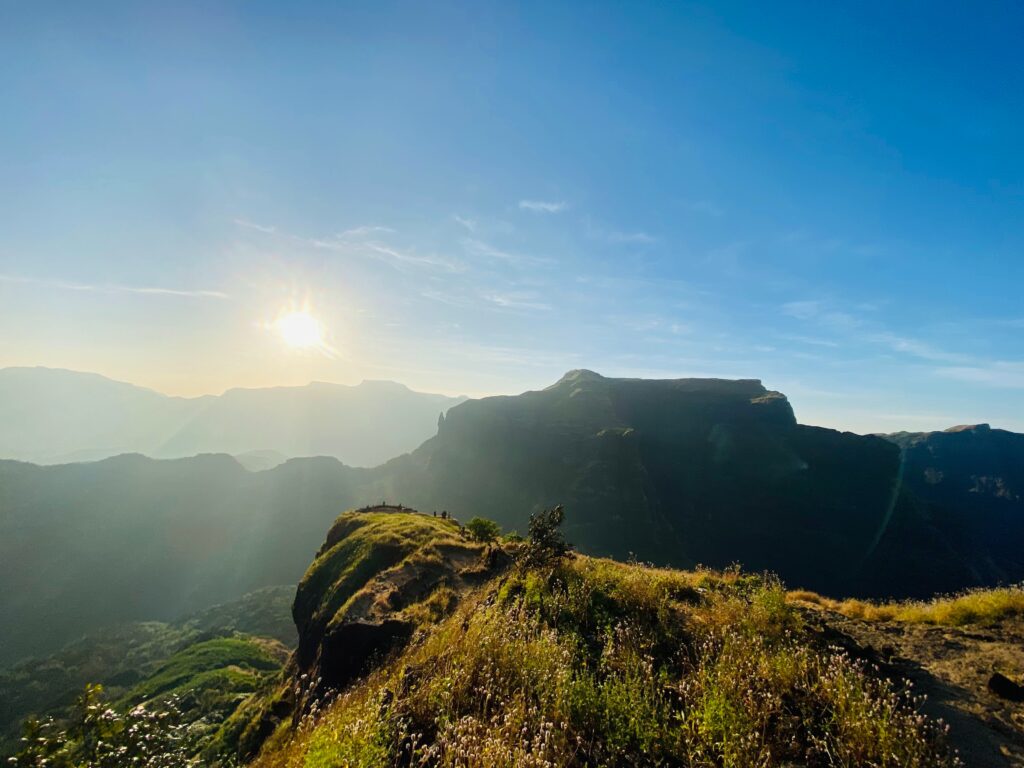
Perched high in the rugged Sahyadri ranges of Maharashtra, Ratangad Fort is a remarkable blend of history, mythology, and natural beauty. Located in the Ahmednagar district near Bhandardara, this centuries-old hill fort attracts trekkers, nature lovers, photographers, and history enthusiasts alike. Standing at an elevation of around 4,255 feet above sea level, Ratangad offers breathtaking views of lush valleys, towering peaks, and sparkling reservoirs, making it one of the most rewarding treks in Maharashtra.
A Journey Through History
Ratangad Fort has a rich history that dates back nearly 400 years. The fort gained prominence during the reign of the Maratha Empire and is closely associated with the legendary Maratha ruler, Chhatrapati Shivaji Maharaj. Although the fort was once under Mughal control, it was later captured by Shivaji Maharaj and became an important strategic outpost in the Sahyadri region.
As you walk through its ancient pathways, stone walls, and fortifications, it is easy to imagine the fort’s significance during the era of fierce battles and military campaigns. Despite the passage of time, many parts of the fort remain remarkably well preserved, offering visitors a fascinating glimpse into Maharashtra’s glorious past.
The Famous “Eye of the Needle” – Nedhe
One of Ratangad’s most iconic attractions is the naturally formed rock cavity known as “Nedhe” or the “Eye of the Needle.” This unique geological formation resembles a giant hole carved through the mountain and serves as a spectacular viewpoint.
Standing near the Nedhe, visitors are rewarded with panoramic views of the surrounding Sahyadri peaks, including Alang, Madan, Kulang, Harishchandragad, and Kalsubai, the highest peak in Maharashtra. During sunrise and sunset, the landscape transforms into a mesmerizing canvas of colors, making this spot a favorite among photographers and trekkers.
Ancient Gates and Hidden Caves
Ratangad Fort showcases impressive examples of medieval fort architecture. The fort features four historic gateways—Ganesh Gate, Hanuman Gate, Konkan Gate, and Trimbak Gate. Each gate reflects the engineering skills of its builders and once served as important access points to the fort.
The fort also contains several rock-cut caves that have provided shelter to travelers, soldiers, and trekkers for centuries. Some of these caves can still accommodate overnight stays, allowing visitors to experience the fort in a unique and memorable way.
Trekking Through the Sahyadris
Ratangad is considered one of the most scenic trekking destinations in Maharashtra. The most popular trekking route begins from the picturesque village of Ratanwadi, situated near the backwaters of Bhandardara Dam.
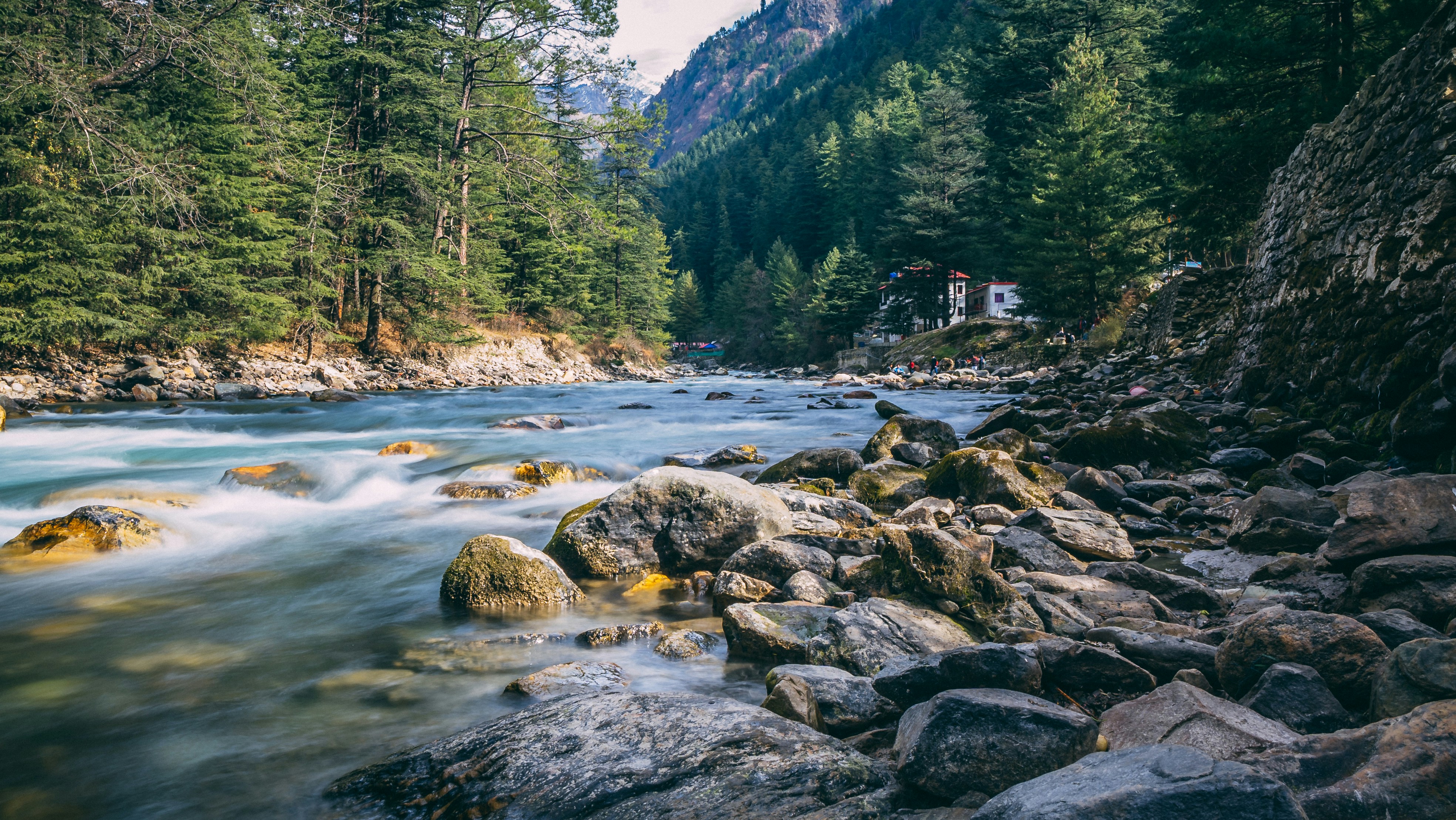
The trek takes visitors through dense forests, rocky patches, narrow ridges, and open grasslands. Along the way, trekkers are treated to stunning views of waterfalls during the monsoon and vibrant wildflowers after the rains. The moderate difficulty level makes the trek suitable for both beginners and experienced hikers who are reasonably fit.
The fort is particularly beautiful during the monsoon and post-monsoon seasons when the entire landscape turns lush green and clouds drift across the mountain peaks.
Legends and Mythological Significance
Beyond its historical importance, Ratangad is deeply rooted in local folklore and mythology. According to popular belief, Sage Agastya meditated in this region and performed intense penance here. Local legends also suggest that two drops of Amrut (divine nectar) fell on this land, leading to the origin of the Pravara River, which is affectionately known as “Amrutvahini.”
These stories have added a mystical charm to Ratangad, making it not just a trekking destination but also a place of spiritual and cultural significance.
Best Time to Visit Ratangad Fort
The ideal time to visit Ratangad Fort is between October and February when the weather is cool, pleasant, and perfect for trekking. The post-monsoon season offers lush greenery, clear views, and blooming wildflowers.
Monsoon months from June to September are equally beautiful, with waterfalls and mist-covered landscapes creating a magical atmosphere. However, trekkers should exercise caution as trails can become slippery during heavy rains.
Summer months are generally less preferred due to high temperatures and reduced water availability on the trek route.
How to Reach Ratangad Fort
By Air
The nearest airport is Nashik Airport, located approximately 90 kilometers away. From the airport, taxis and private vehicles are available to reach Bhandardara and Ratanwadi.
By Rail
The nearest major railway station is Igatpuri Railway Station, about 45 kilometers from Bhandardara. Another convenient option is Kasara Railway Station. Local transport and taxis can be hired from both stations.
By Road
Ratanwadi village, the base village for the trek, is well connected by road from Mumbai, Pune, Nashik, and Ahmednagar. Travelers usually drive to Bhandardara and then continue to Ratanwadi via local roads.
By Boat
During certain seasons, visitors can take a scenic boat ride across the Arthur Lake backwaters from Bhandardara to Ratanwadi, adding an extra touch of adventure to the journey.
Nearby Attractions
Bhandardara
A serene hill station known for its lakes, waterfalls, and peaceful natural surroundings.
Arthur Lake
A picturesque reservoir offering boating opportunities and beautiful sunset views.
Kalsubai Peak
Popular among trekking enthusiasts and famous for panoramic views of the Sahyadri ranges.
Amruteshwar Temple
An ancient Hemadpanti-style Shiva temple dating back several centuries.
Randha Falls
One of Maharashtra’s most spectacular waterfalls, especially during the monsoon season.
Harishchandragad Fort
A famous trekking destination known for the Konkan Kada cliff and historical significance.
Maps
At a distance of 6 km from Ratanwadi, 23 km from Bhandardara, 183 km from Pune, & 197 km from Mumbai .
FAQs
1. How difficult is the Ratangad Fort trek?
The trek is considered moderate and is suitable for beginners with a reasonable level of fitness.
2. How long does it take to reach the fort?
The trek from Ratanwadi village typically takes around 3 to 4 hours, depending on pace and weather conditions.
3. Can beginners attempt the trek?
Yes, beginners can complete the trek with proper preparation and suitable trekking gear.
4. Is camping allowed at Ratangad Fort?
Camping is possible in designated areas and caves on the fort, but visitors should follow local guidelines and avoid littering.
5. What is the significance of the Nedhe?
The Nedhe, or Eye of the Needle, is a natural rock formation that offers stunning panoramic views and is one of the fort’s most famous landmarks.
6. Is there an entry fee for Ratangad Fort?
Generally, there is no major entry fee, though local charges for parking or boat rides may apply.
7. Are guides available at the base village?
Yes, local guides can often be hired from Ratanwadi village, especially during trekking seasons.
8. What should I carry for the trek?
Carry sufficient water, snacks, trekking shoes, a raincoat during monsoon, a flashlight, and basic first-aid supplies.
9. Can the fort be visited during the monsoon?
Yes, the monsoon season is extremely scenic, but trekkers should be cautious because trails can become slippery.
10. Is Ratangad suitable for a weekend trip?
Absolutely. Its proximity to Mumbai, Pune, and Nashik makes Ratangad one of the most popular weekend trekking destinations in Maharashtra.